The two most popular types of chestnut retort bags are as follows:
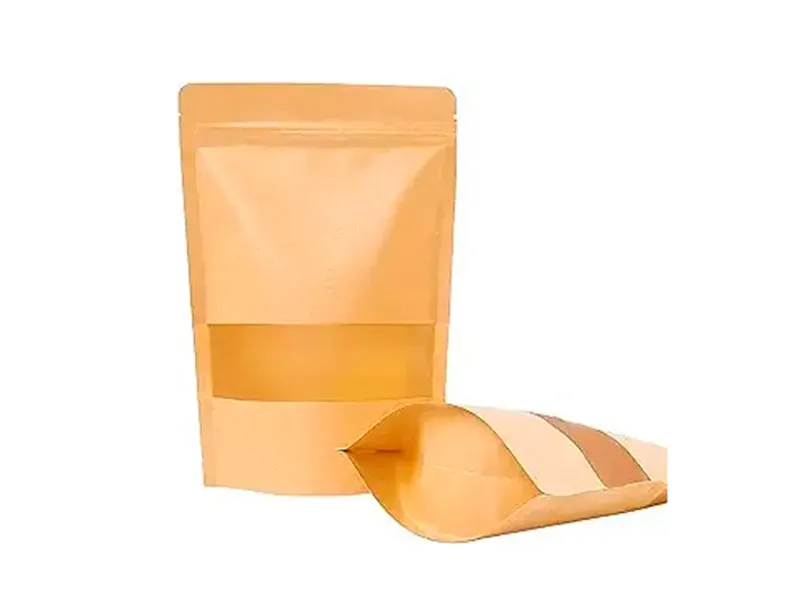
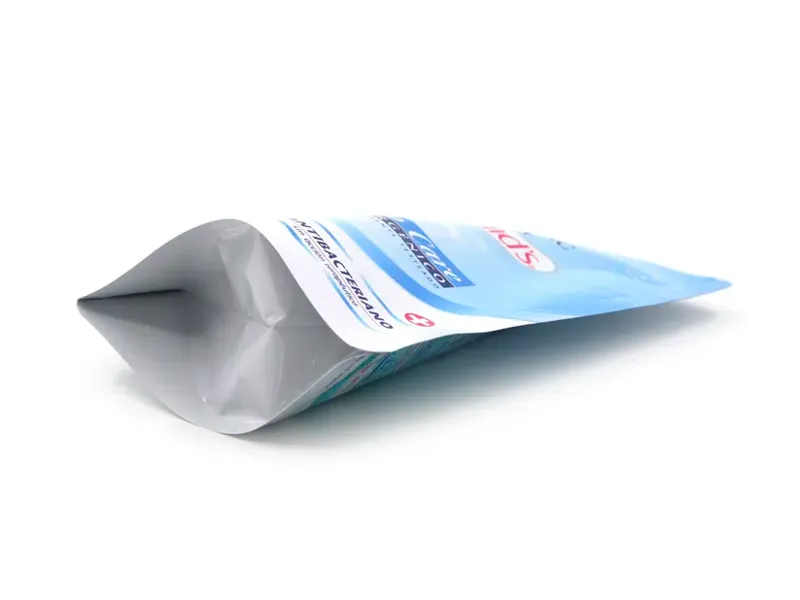
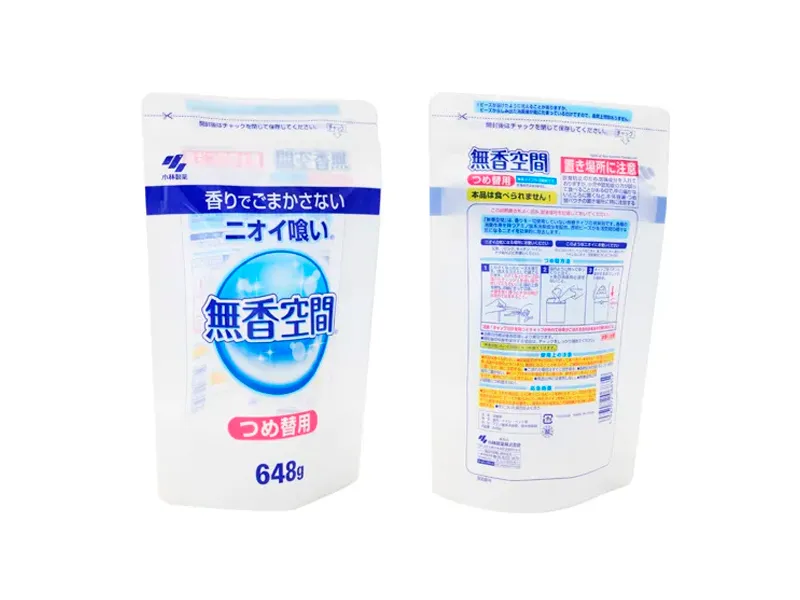
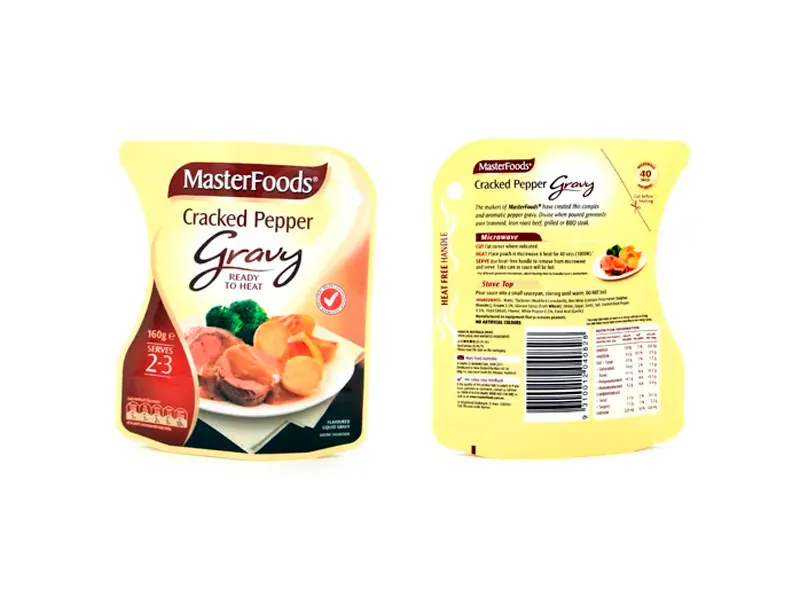
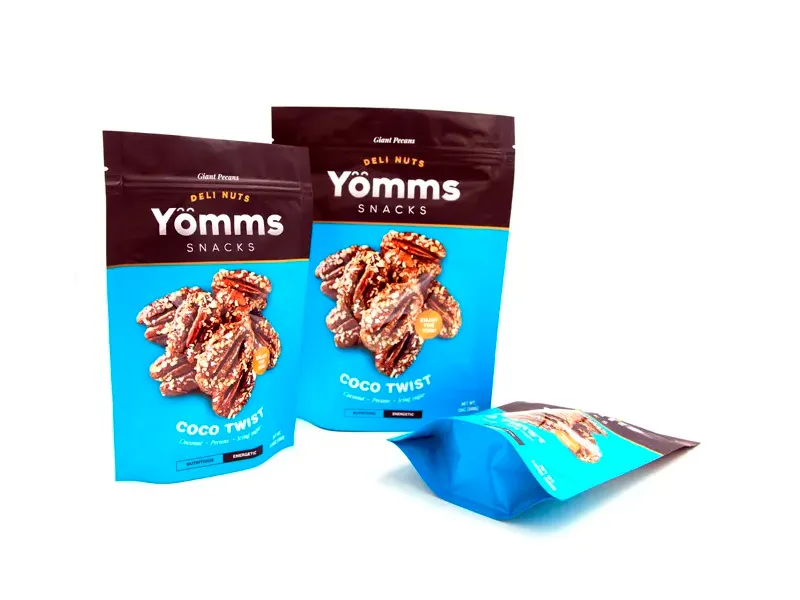
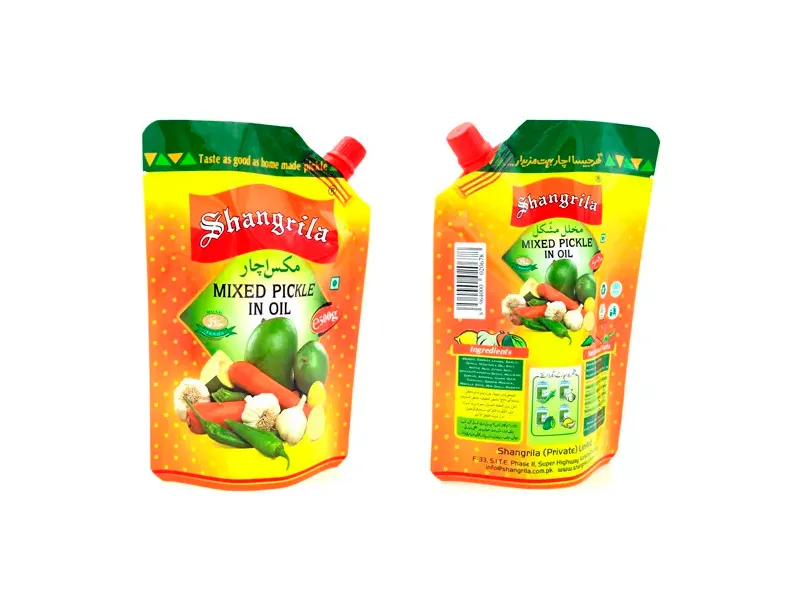
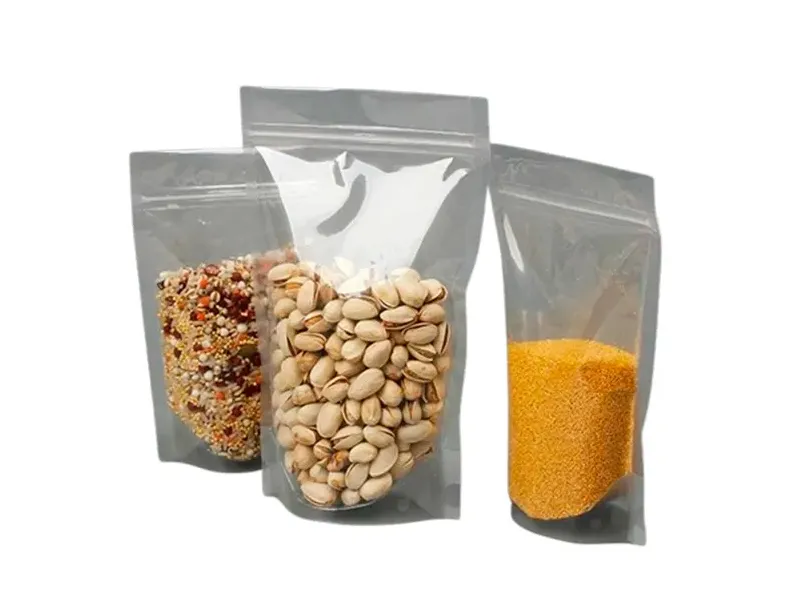
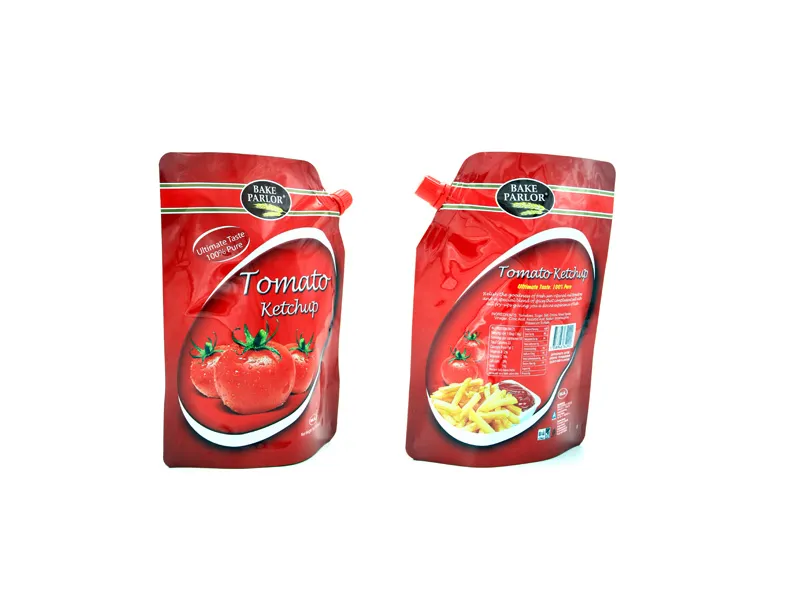
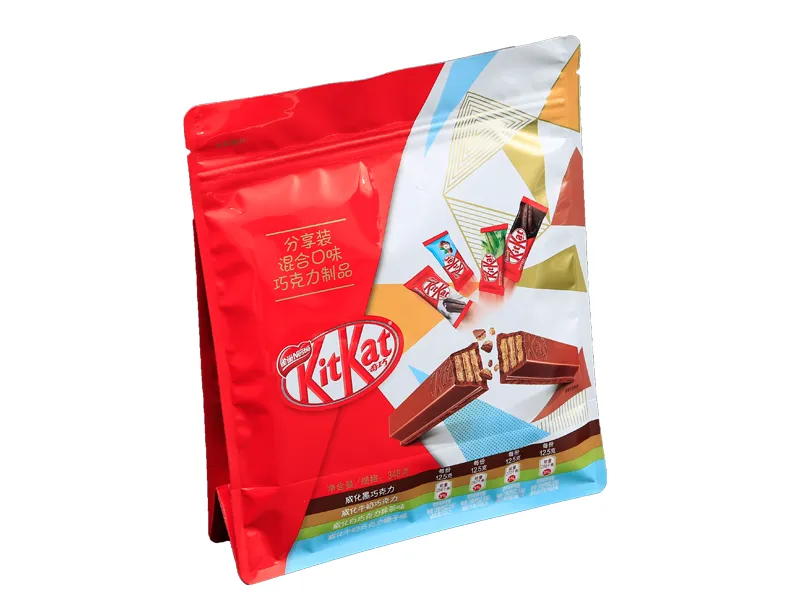
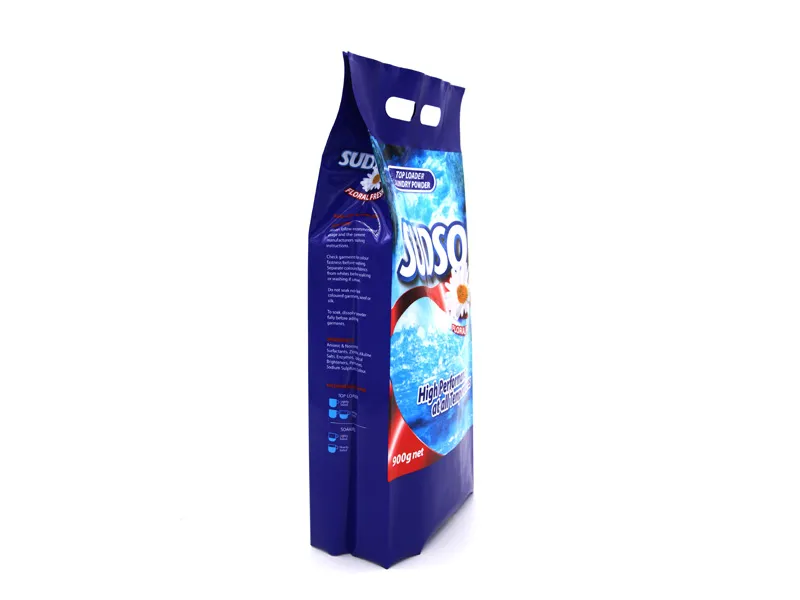
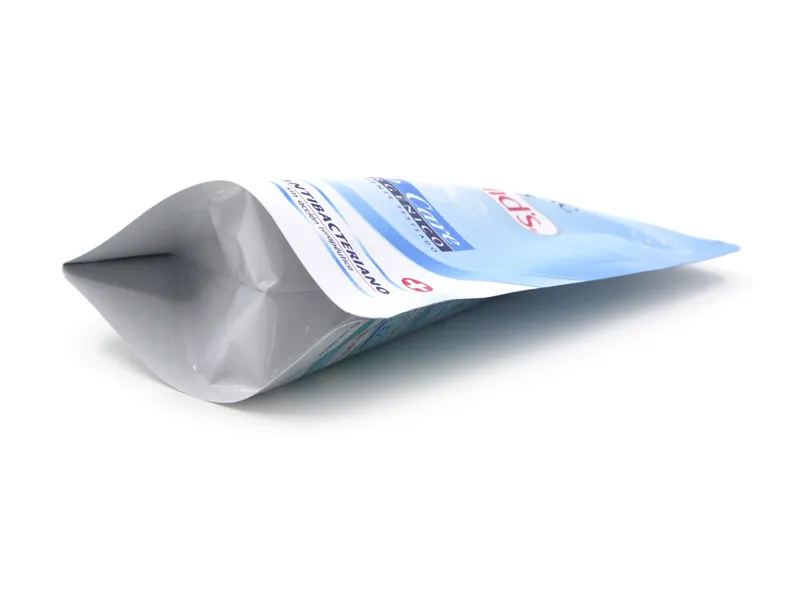
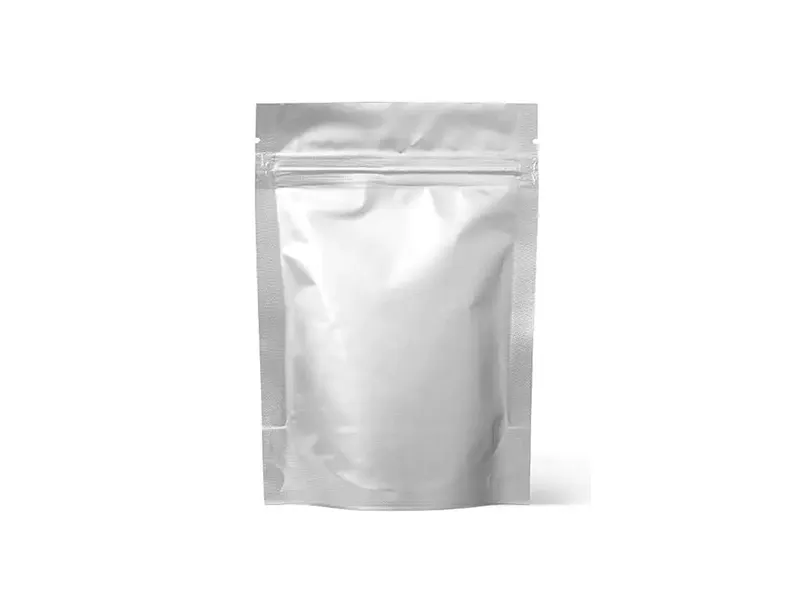
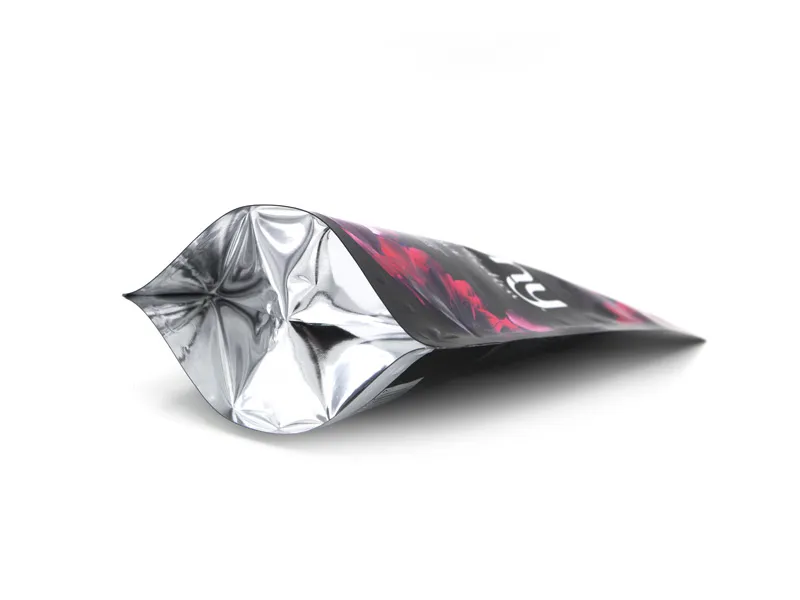
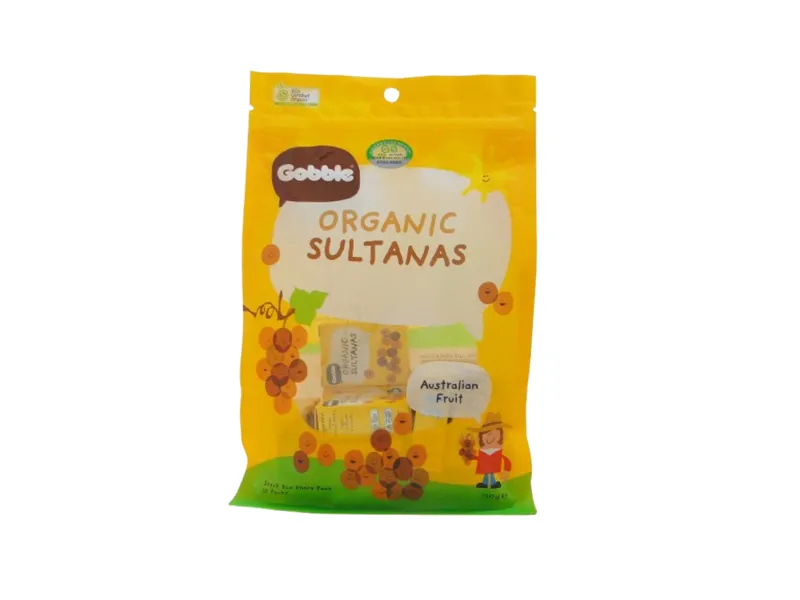
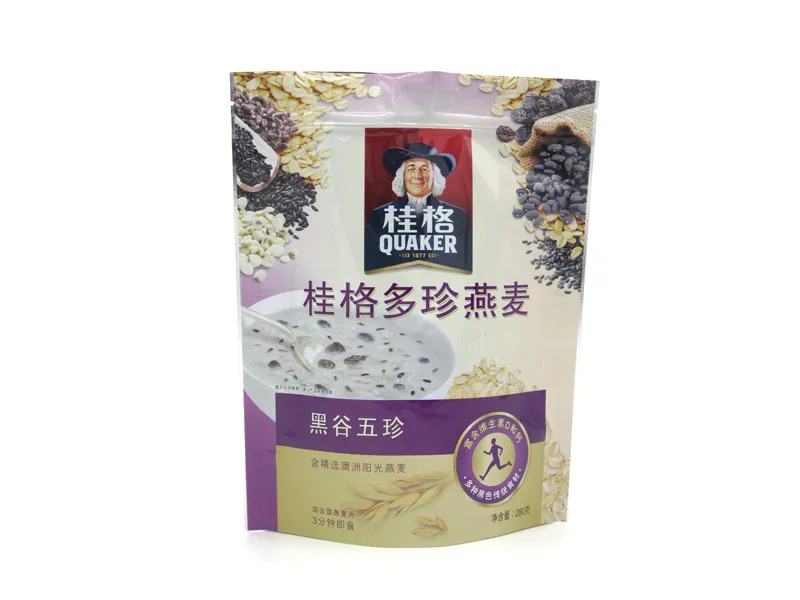
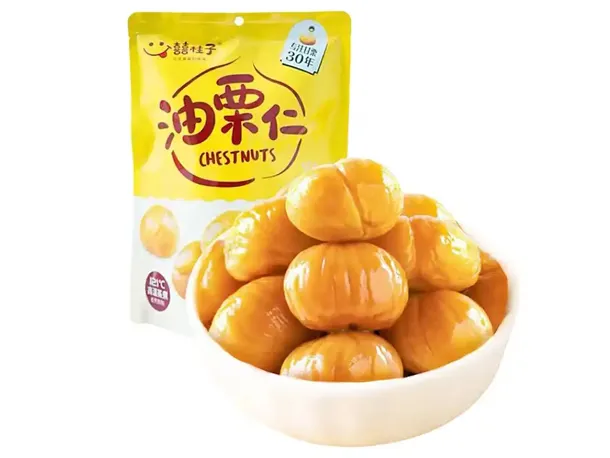
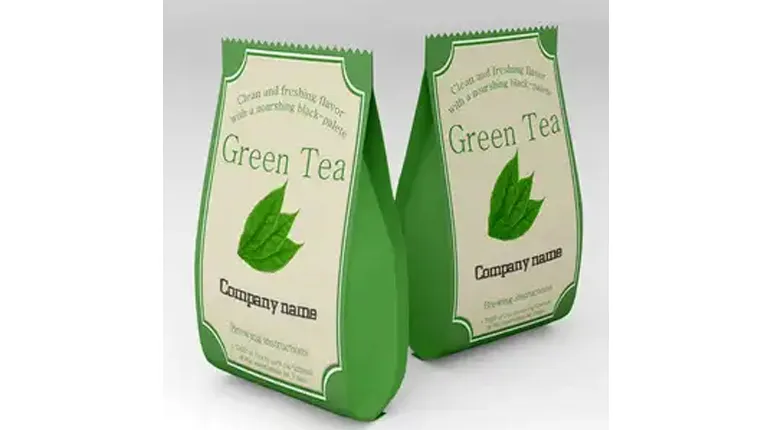
Stand-up pouch (Doypack): It includes a bottom support system that allows it to stand on its own and makes it ideal for shelf display. It looks better and is more user-friendly. It is commonly utilized in the retail packaging of ready-to-eat chestnut kernels.
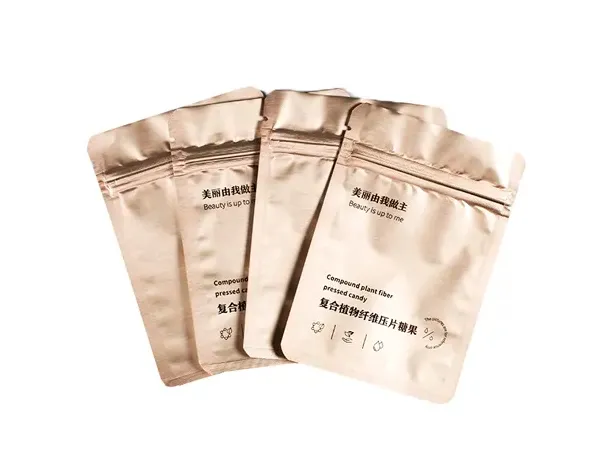
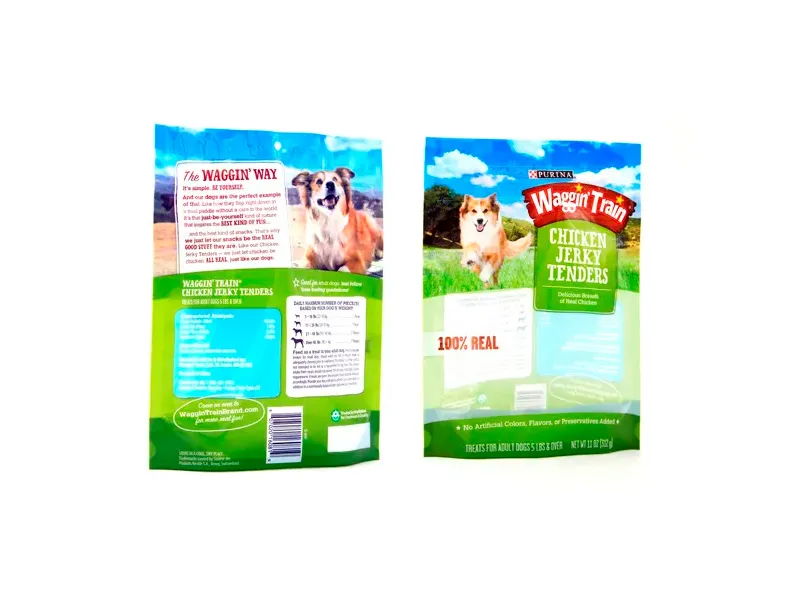
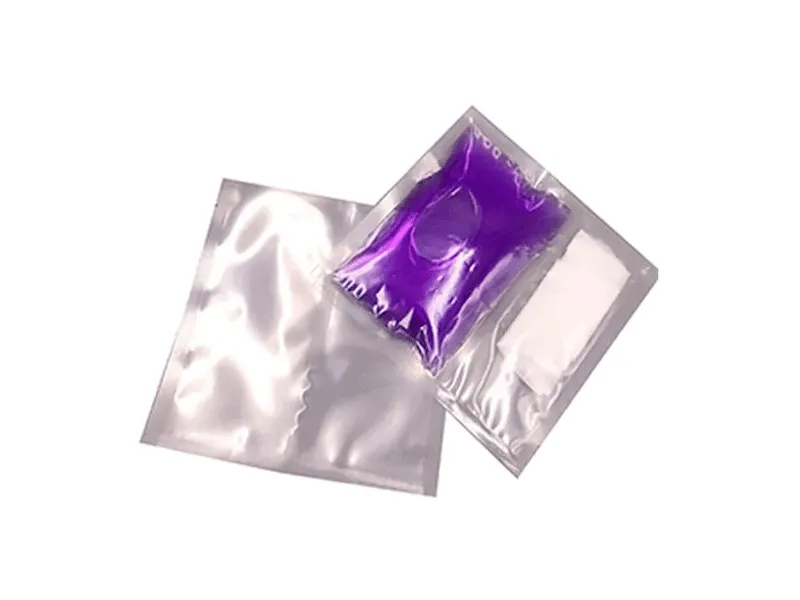
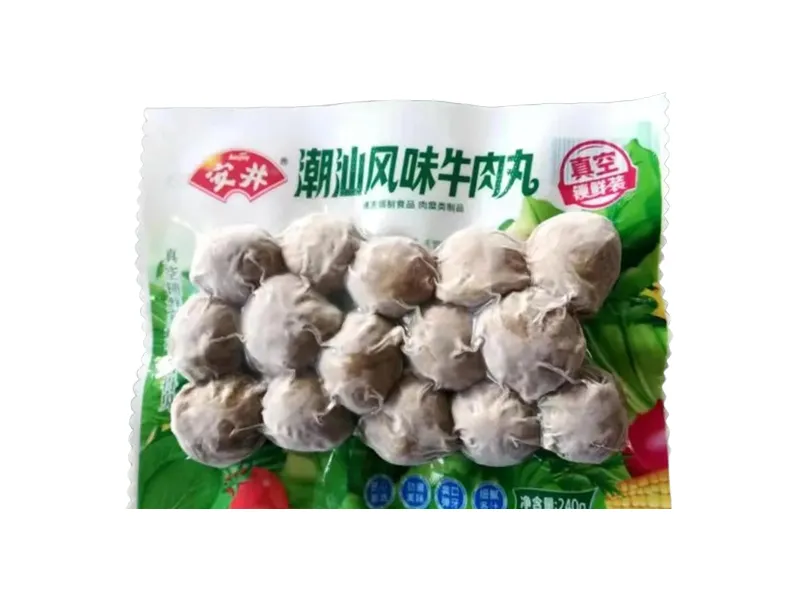
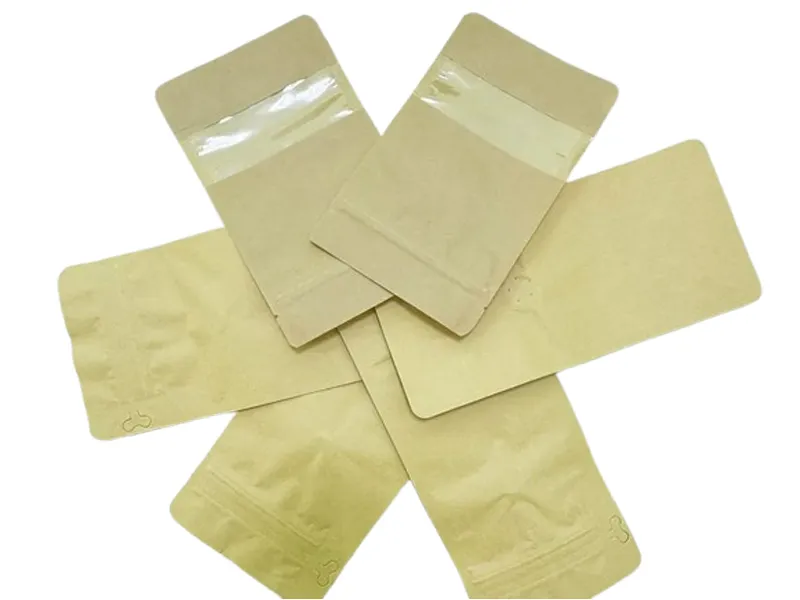
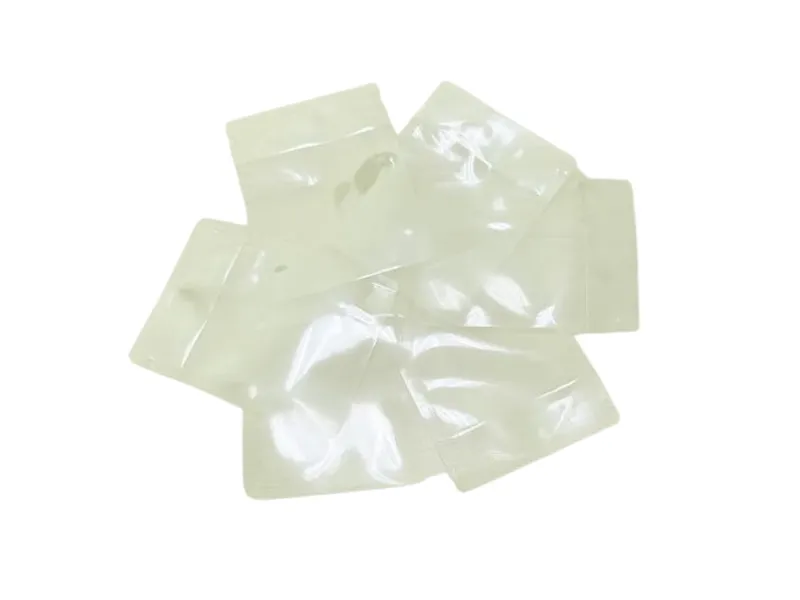
Three-side seal pouch (Pillow Bag): A typical flat bag type that is more cost-effective and takes up less room for transit and storage. It's ideal for large goods or as inner bags.
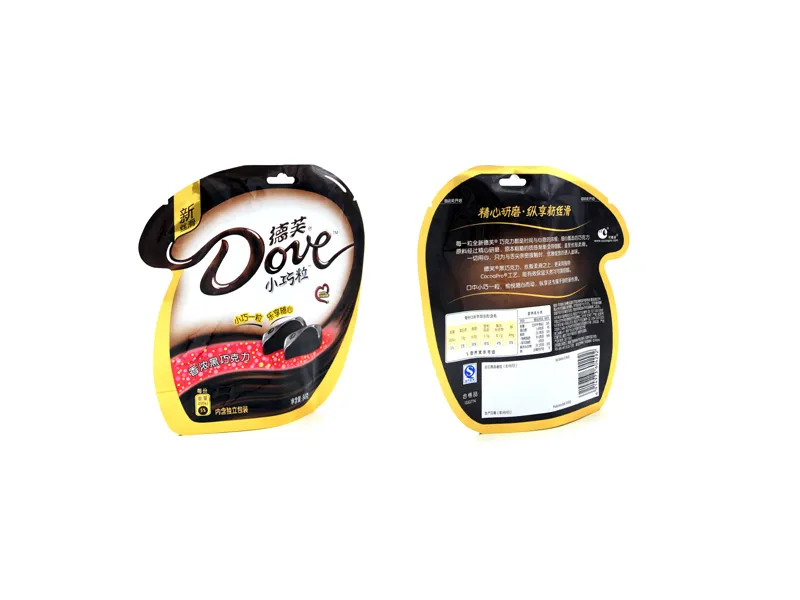
With excellent printing adaptability, retort bags can be developed with elegant and vibrant designs that clearly display brand information, improve the product's grade and attractiveness. It not only has good barrier capabilities, high heat resistance, and an appealing look, but it also effectively addresses the difficulties of short shelf life and problematic storage and transit of chestnut products. This has significantly increased the commercial value and consumer experience of the items.
Raw material pre-treatment: Chestnuts are processed through steps such as shelling, peeling, and color protection.
Bagging and vacuum/purging nitrogen: The processed chestnuts (whole or with the kernels) are placed in sterilization bags. Vacuuming is done to remove oxygen, which inhibits the growth of aerobic bacteria and prevents oxidation and spoilage; nitrogen gas (often used for ready-to-eat chestnut kernels) is introduced to isolate oxygen and also provide shock absorption and buffering effects to prevent the kernels from cracking during transportation.
Sealing: The bags with the contents are strictly heat-sealed to ensure a sterile barrier.
4High-temperature sterilization: Sterilization is carried out in a high-temperature and high-pressure sterilization oven at 121°C. This process can completely eliminate microorganisms, achieving a commercial sterile state, which is the key to achieving a long shelf life.
Cooling and inspection: After sterilization, the products are quickly cooled and then quality inspections are conducted to remove any defective products such as those with air leaks or broken bags.
Whether for market expansion by manufacturing companies or for consumers to enjoy delicious and convenient products, retort packaging is an excellent and highly competitive packaging solution. boosting and implementing this packaging technology is clearly a significant path for the chestnut industry in terms of increasing product value and boosting industrial upgrading and growth.
 English
  中文
中文