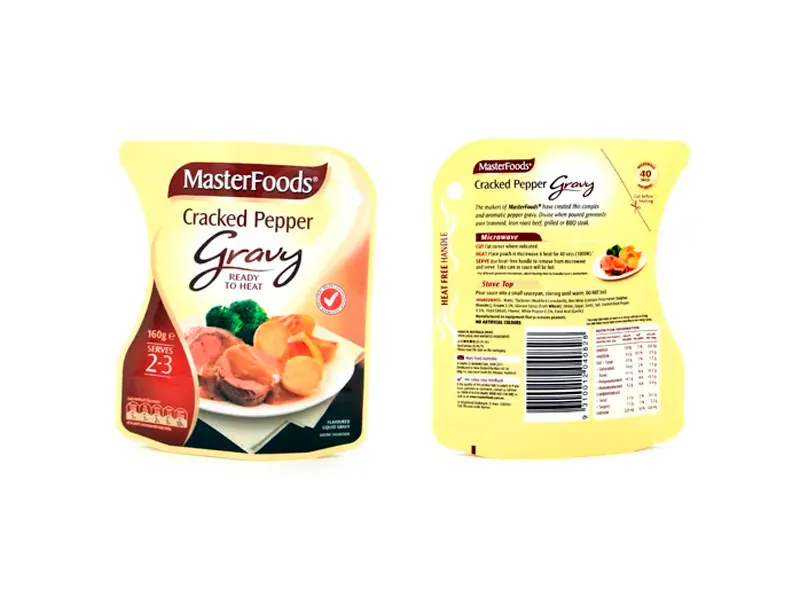
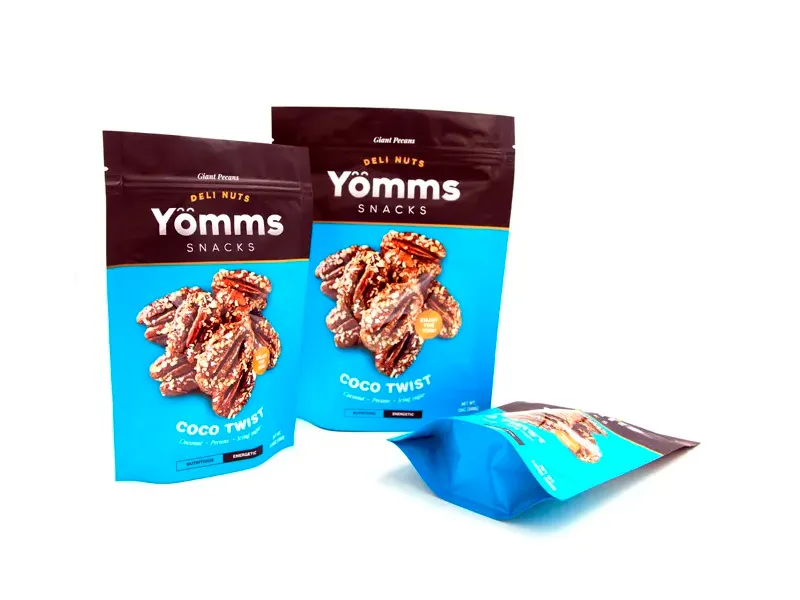
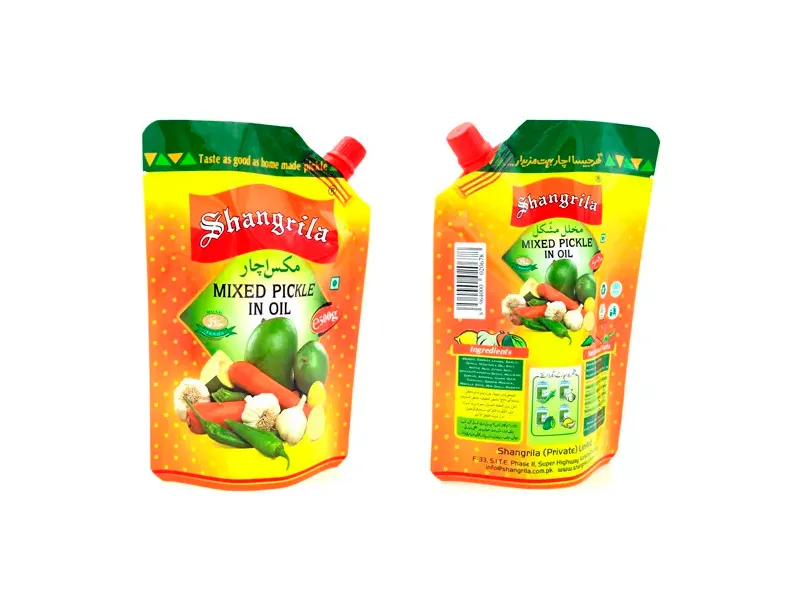
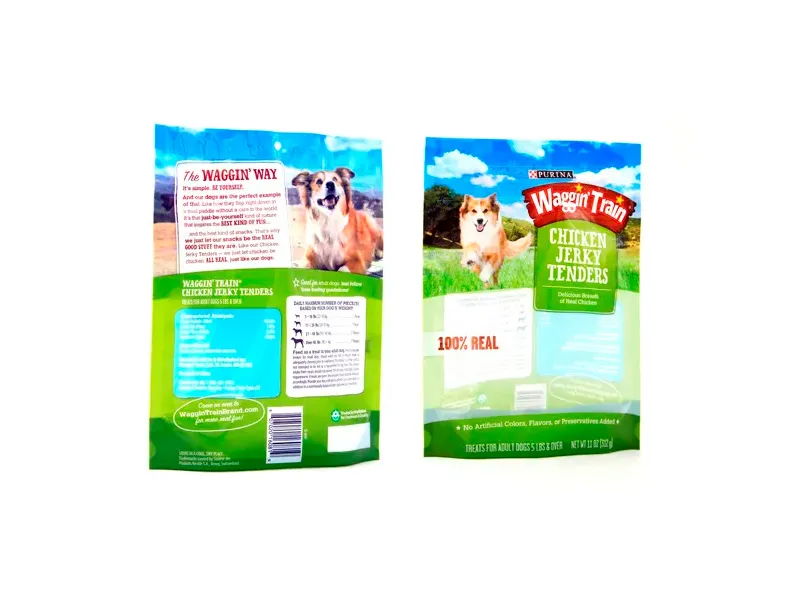
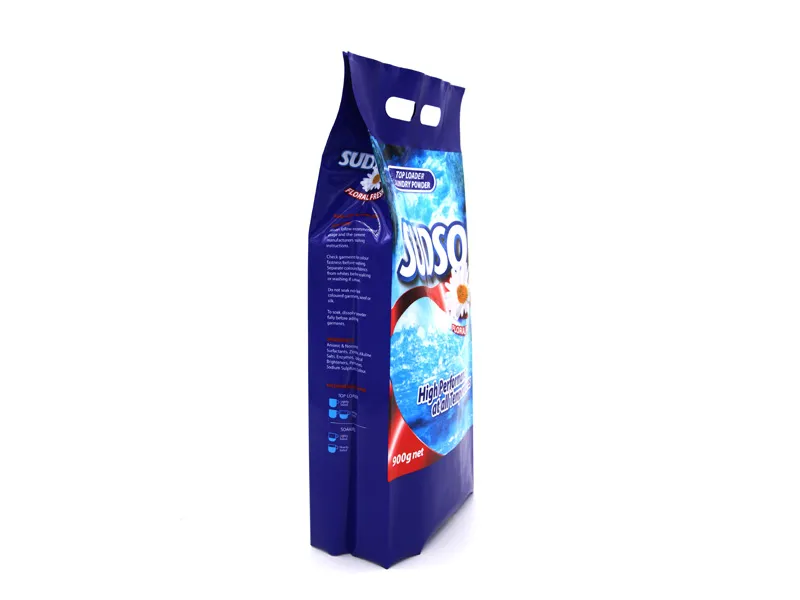
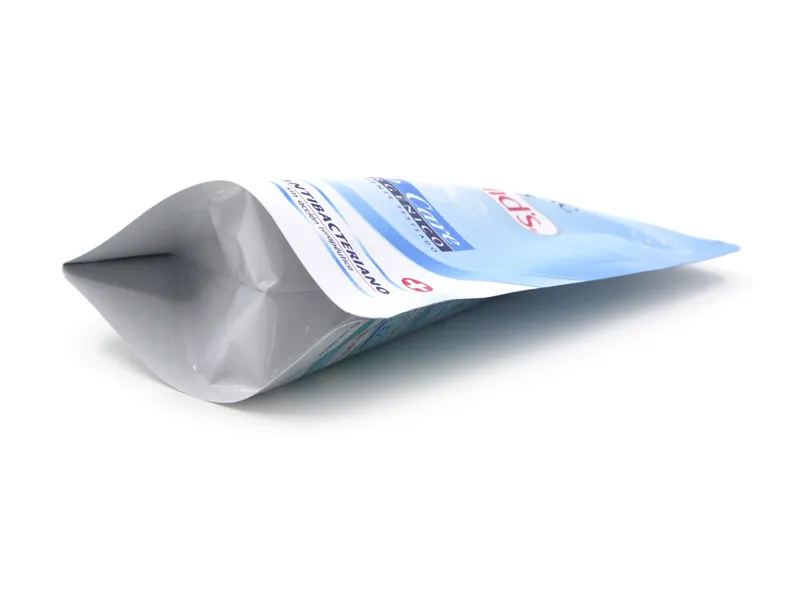
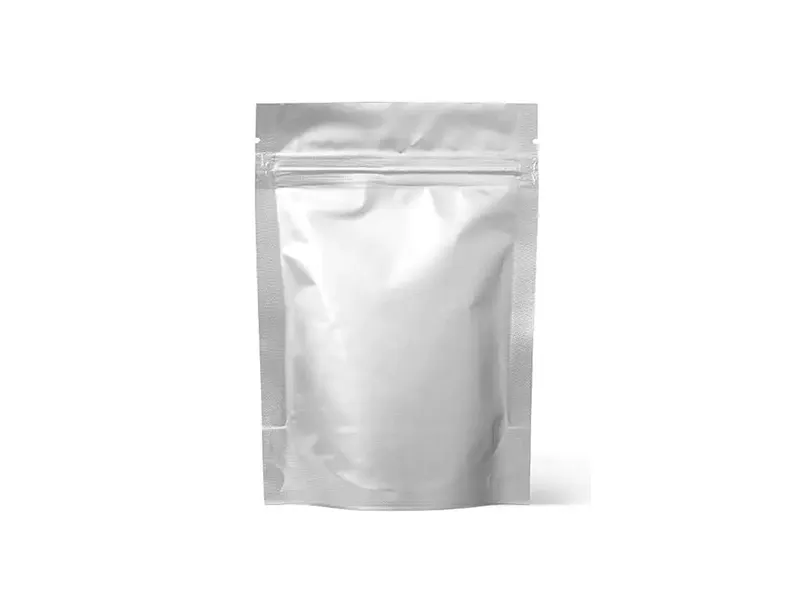
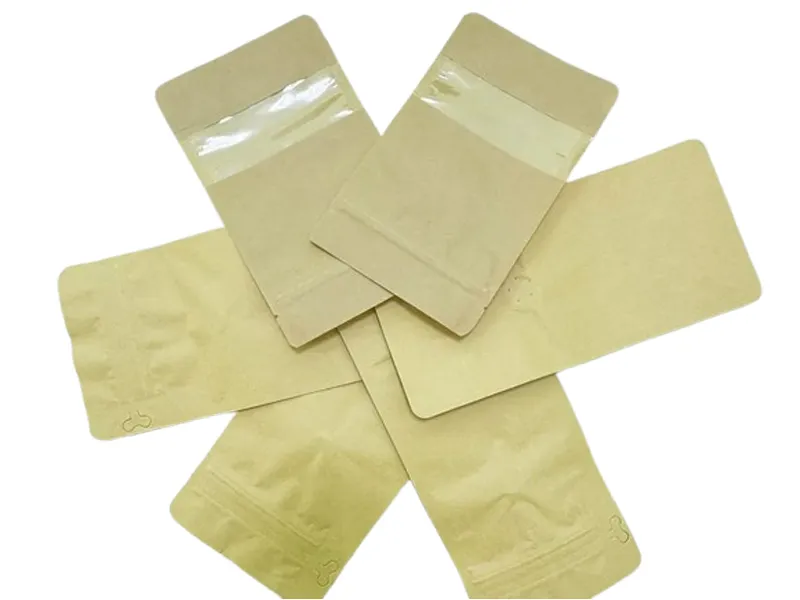
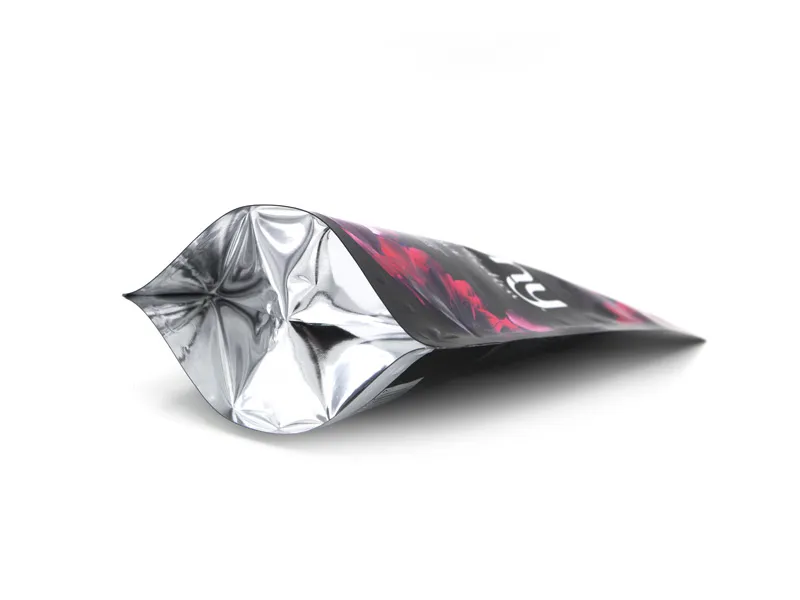
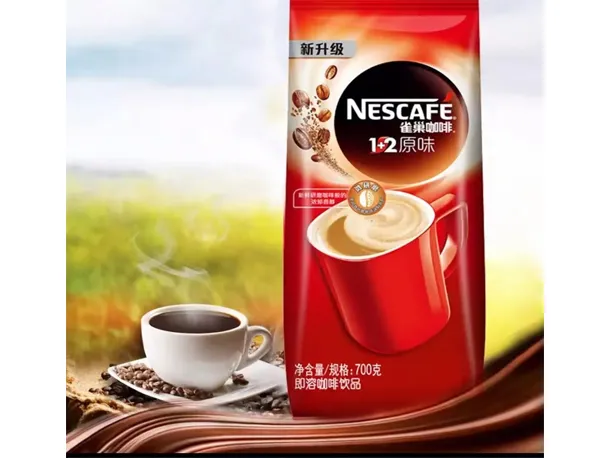
Coffee has three major enemies: oxygen, moisture, light and heat. After roasting, coffee generates a large amount of aromatic substances, but these substances are very easy to volatilize and oxidize (referred to as "escape"); Meanwhile, coffee beans themselves will constantly release carbon dioxide (CO₂). Therefore, an excellent coffee packaging must effectively block oxygen, be moisture-proof, light-proof, and allow the naturally produced carbon dioxide of coffee to be safely discharged (otherwise the packaging will burst). A coffee packaging bag is far more than just a container; it is the armor protecting the soul of coffee and the decisive factor in ensuring that coffee maintains its best flavor from roasting to brewing.
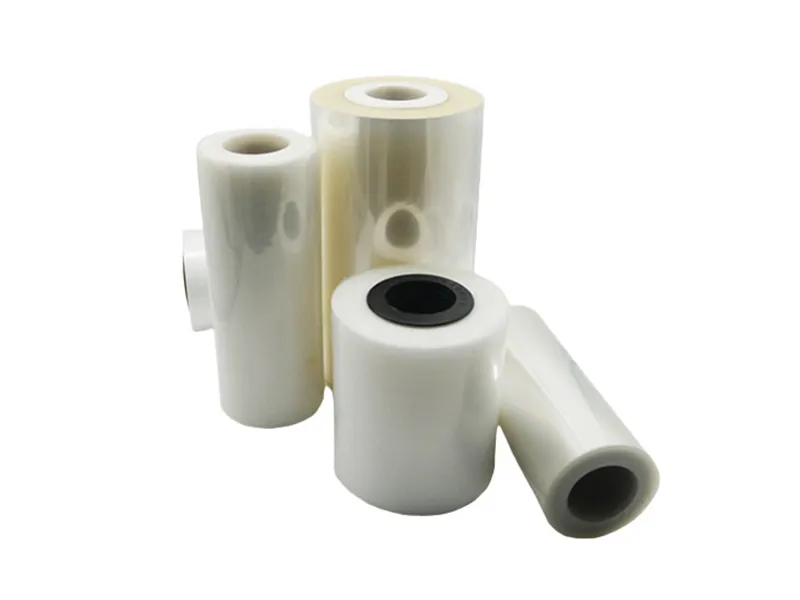
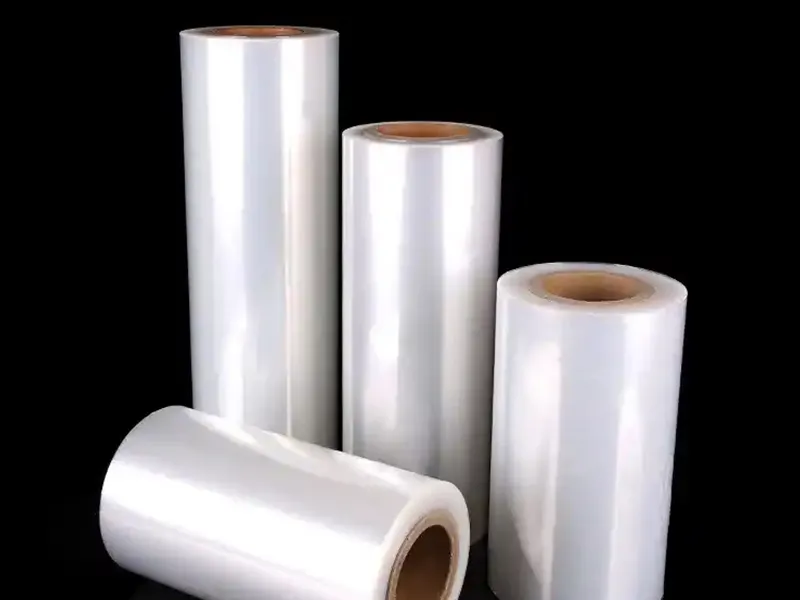
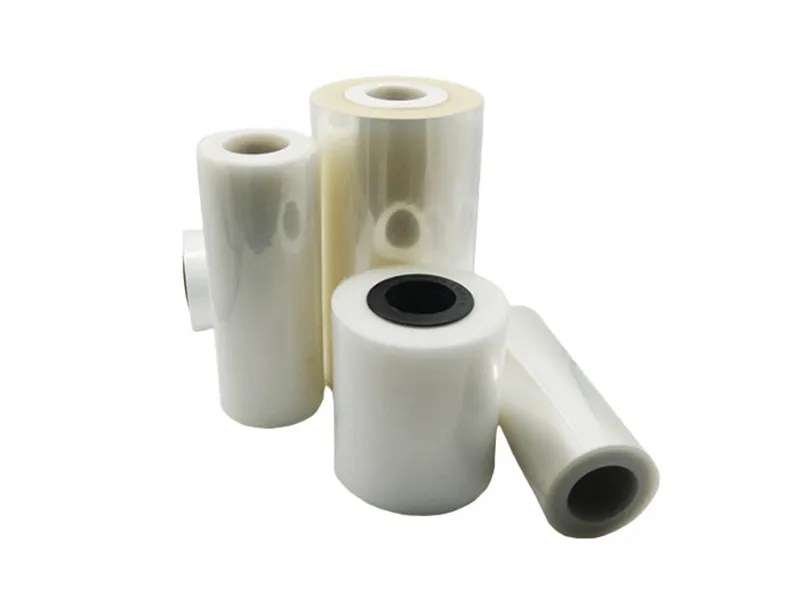
A professional coffee packaging bag is typically composed of 4 to 5 layers of materials with different functions:
Outer layer (printing layer): Usually made of BOPP (biaxially oriented polypropylene) or PET (polyethylene terephthalate). The material is tough, has a smooth surface, and is suitable for high-quality printing to showcase brand design.
Middle layer (barrier layer): This is the "heart" of the packaging. Commonly used materials are aluminum foil (AL) or metallized aluminum foil (VMPET). They offer excellent oxygen and moisture barrier properties and complete light-blocking. Aluminum foil performs best but is prone to cracking; metallized aluminum foil is more flexible.
Inner layer (heat seal layer): The layer in direct contact with coffee, typically made of polyethylene (PE) or cast polypropylene (CPP). They are safe, non-toxic, and have good heat sealing properties to ensure a tight seal at the bag opening.
Typical structure examples: BOPP / adhesive / AL / PE or PET / VMPET / PE
This is the most distinctive application in coffee packaging.
Working Principle: It is a clever design that only allows outflow and no inflow. When the CO₂ pressure inside the package reaches a certain value, it will push open the valve to release; external air cannot enter due to insufficient pressure.
Application Value: It resolves the contradiction between "oxygen barrier" and "degassing". There is no need to wait for the coffee to completely degas before packaging; it can be packaged immediately, significantly reducing the coffee's exposure to oxygen.
Heat Sealing: The bag opening is sealed by heating and pressing to ensure absolute airtightness.
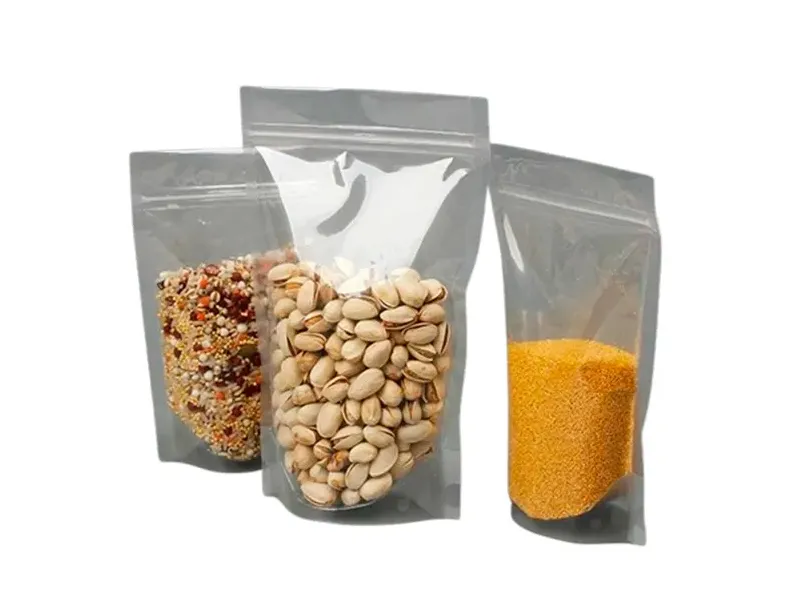
Zipper: For consumers who drink multiple times, the built-in zipper provides the convenience of resealing and is currently a standard feature in retail packaging.
1. Sustainable Environmental Protection:
Recyclable Materials: Develop the use of single-material composite materials (such as using only PE or PP), which is convenient for recycling.
Biodegradable Materials: Explore the use of compostable materials like PLA (polylactic acid).
Reducing Plastic: Encourage consumers to recycle packaging bags or use "plastic reduction" designs.
2. Nitrogen Replacement for Preservation:
Before sealing, first vacuum the container and then inject inert nitrogen (N₂), which effectively removes oxygen to the greatest extent. This is one of the most advanced preservation technologies currently available.
3. Intelligent Packaging:
Integrate QR codes or RFID tags to provide comprehensive product traceability and brewing instructions.
Explore time-temperature indication labels to show whether the coffee has been stored in an inappropriate environment.
4. Personalization and Small Batch Production:
To meet consumers' desire for trying new products, smaller capacity packaging (such as 100g or 50g) is becoming increasingly common.