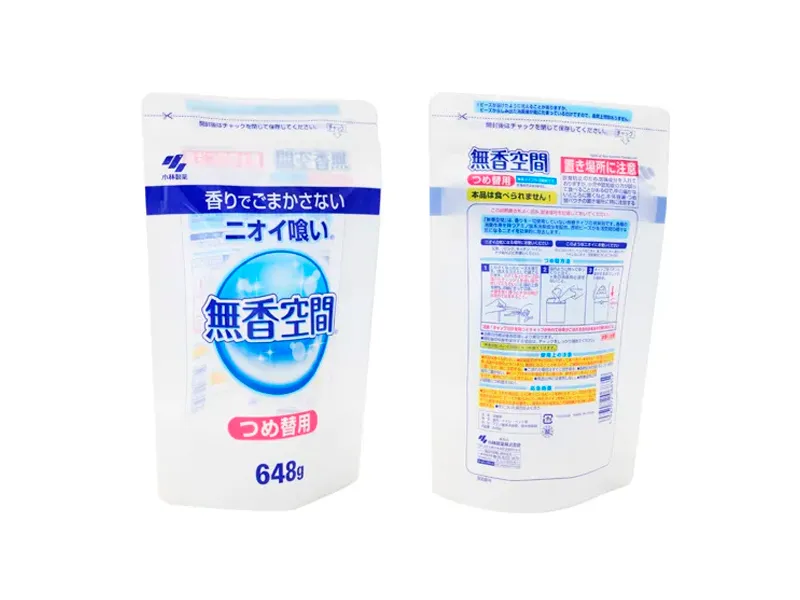
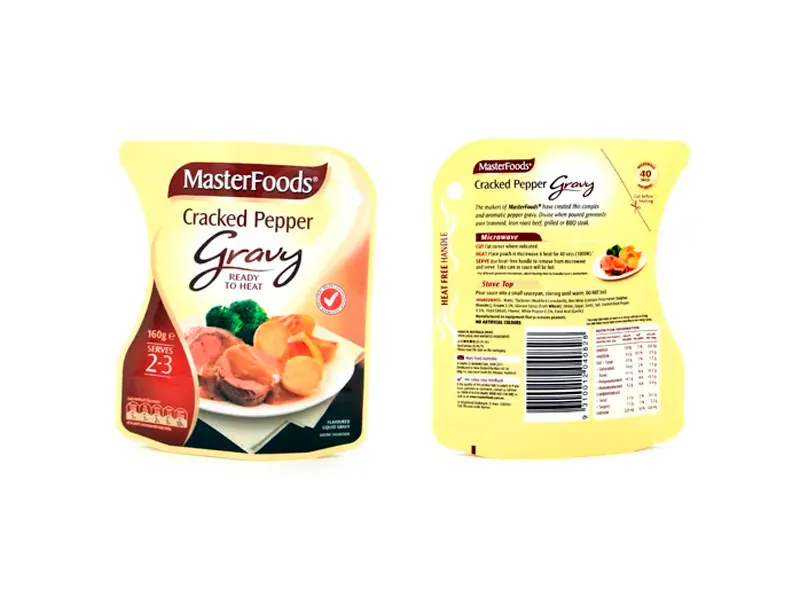
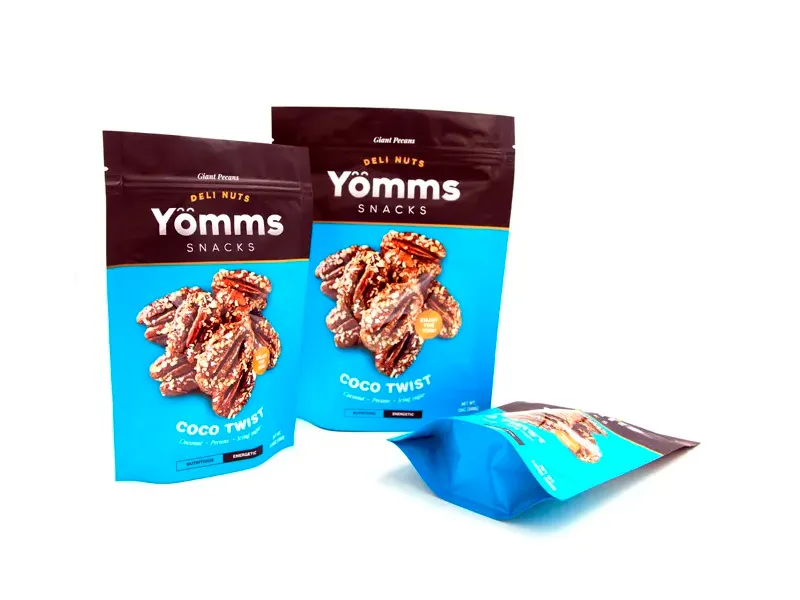
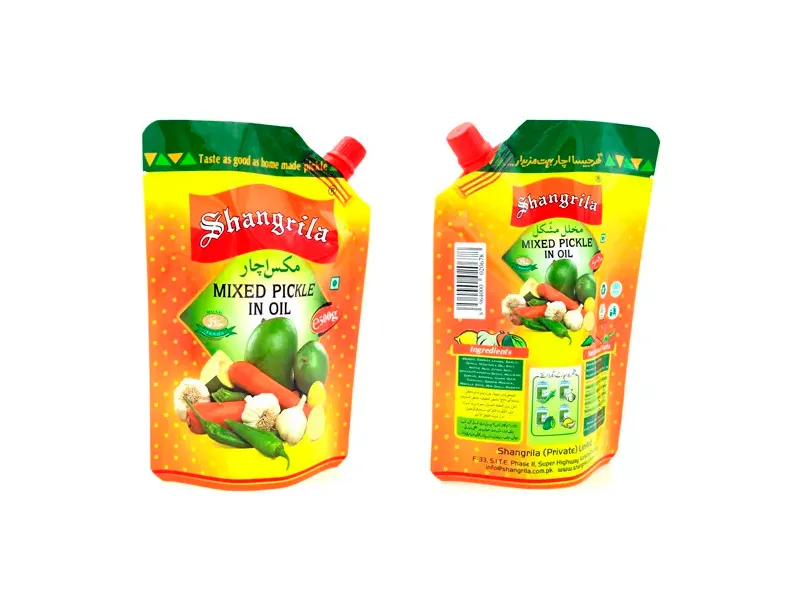
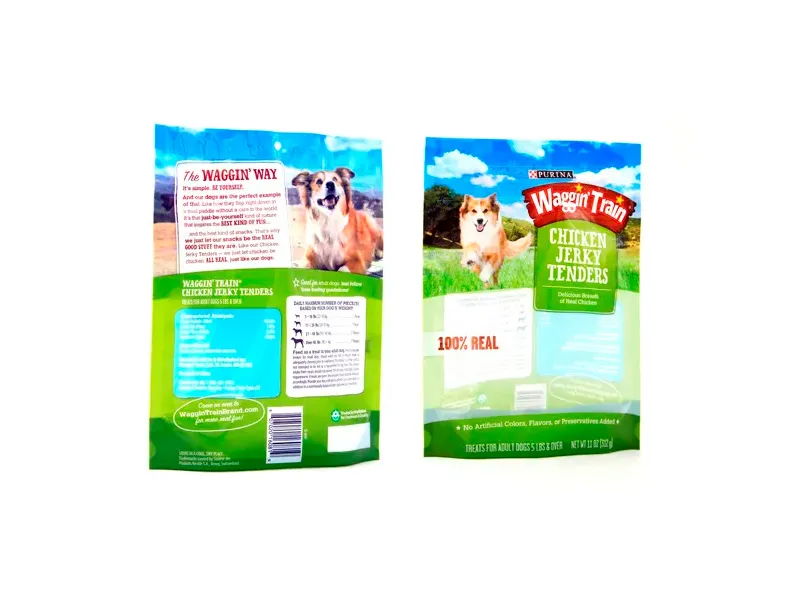
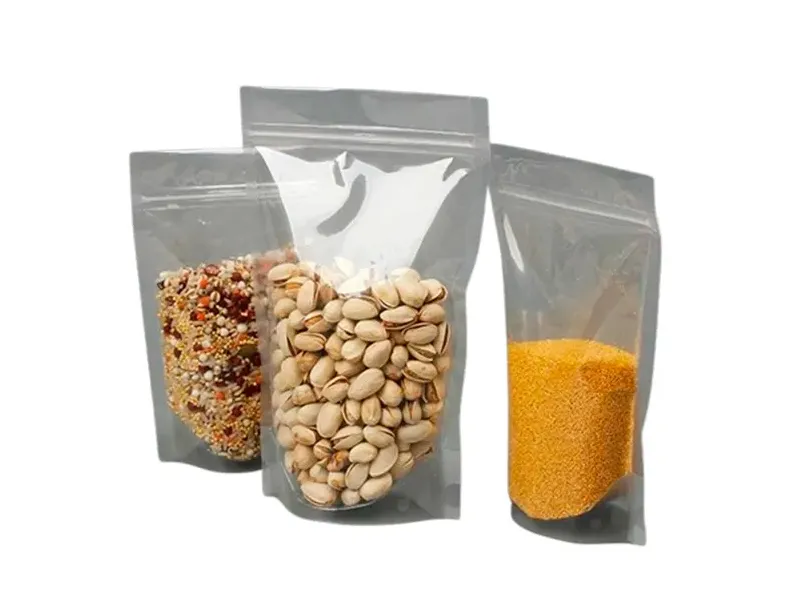
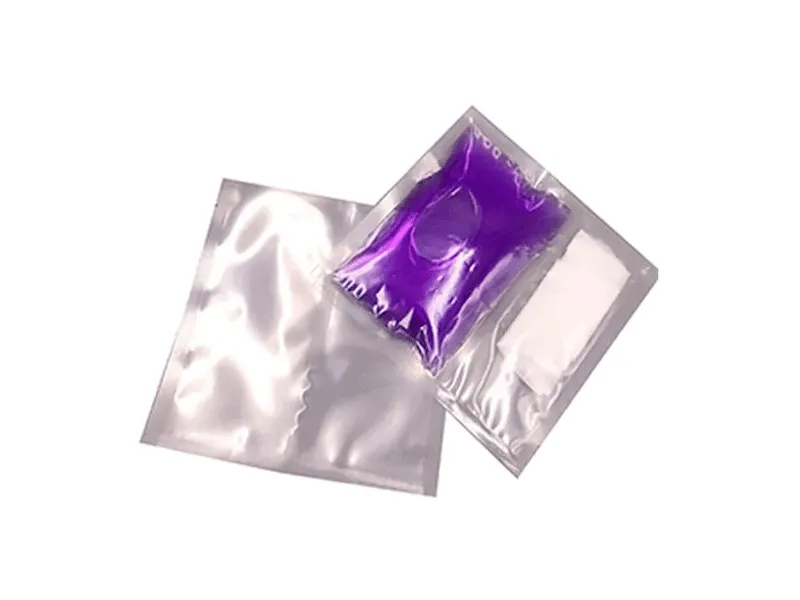
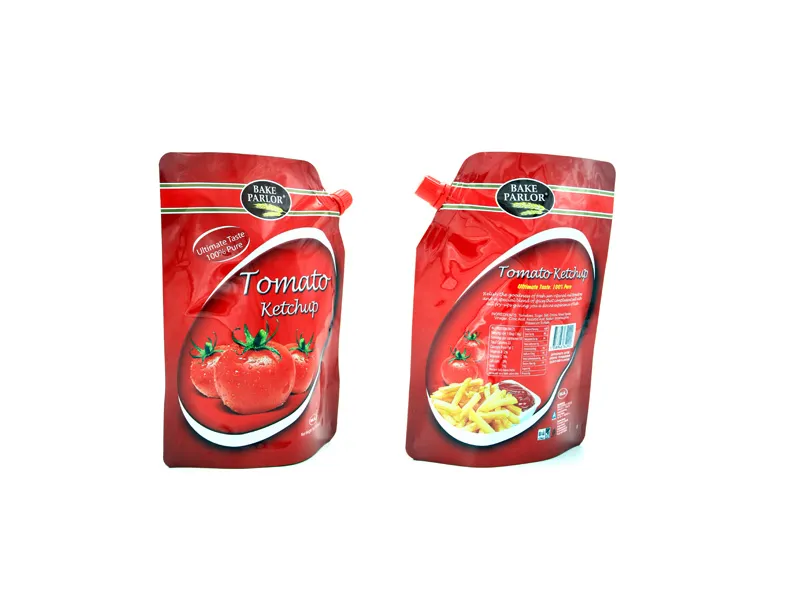
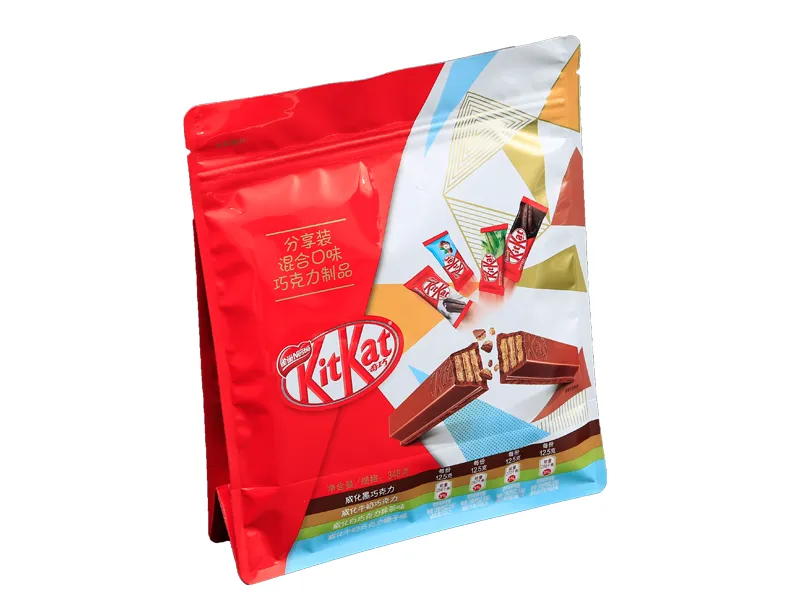
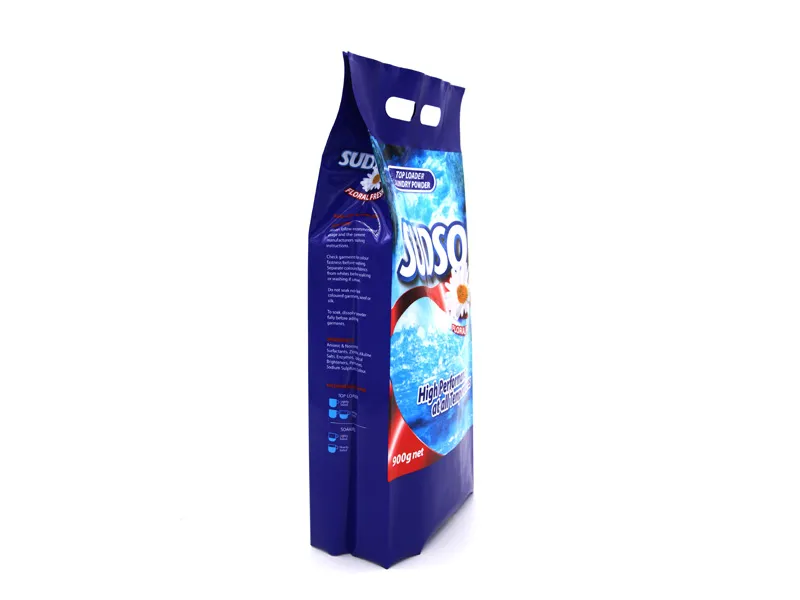
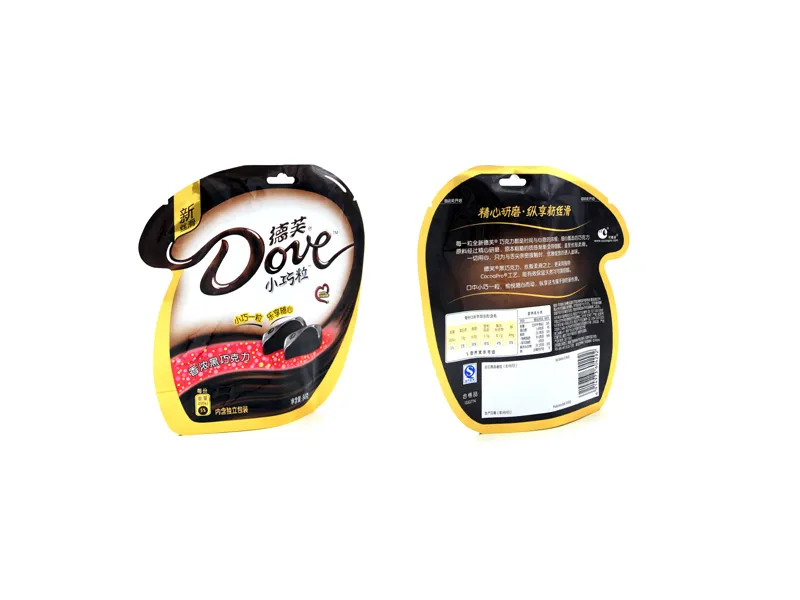
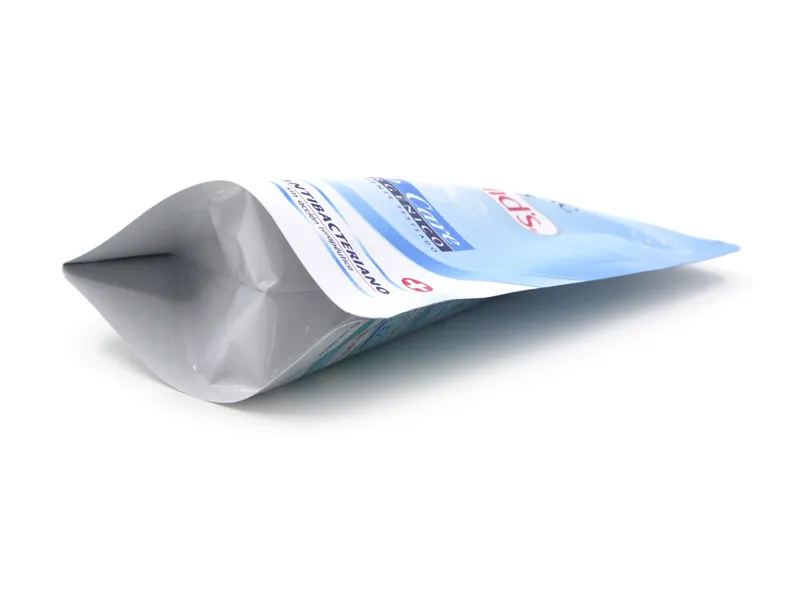
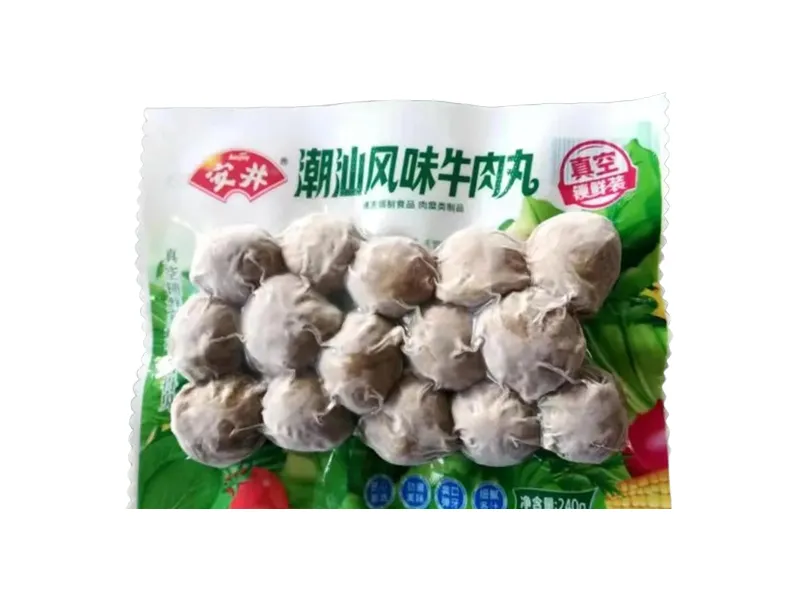
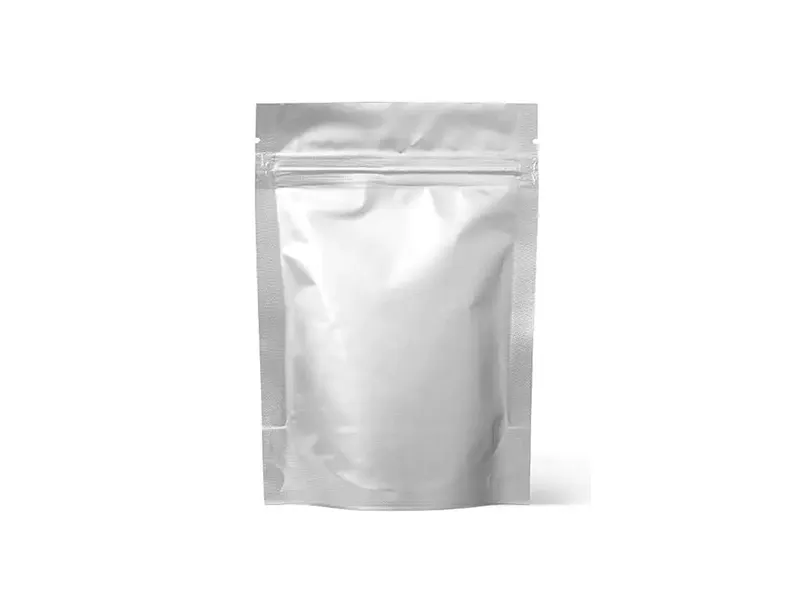
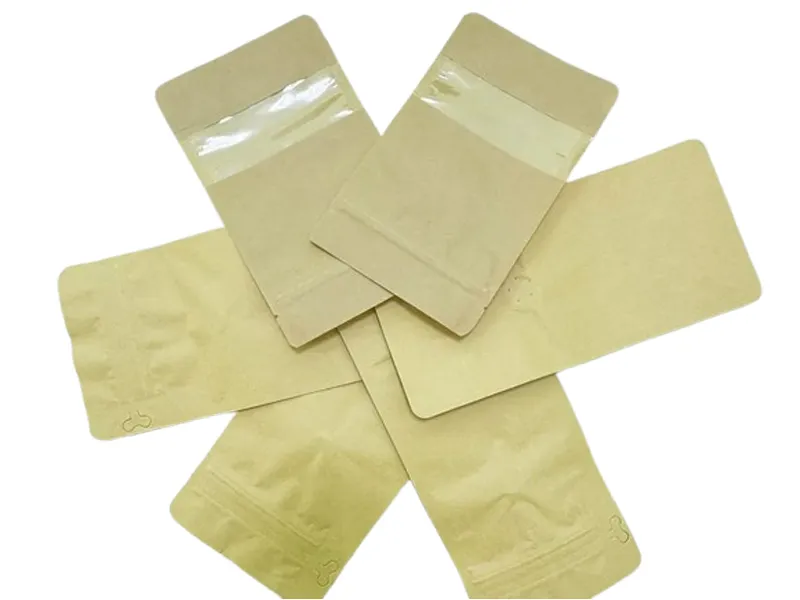
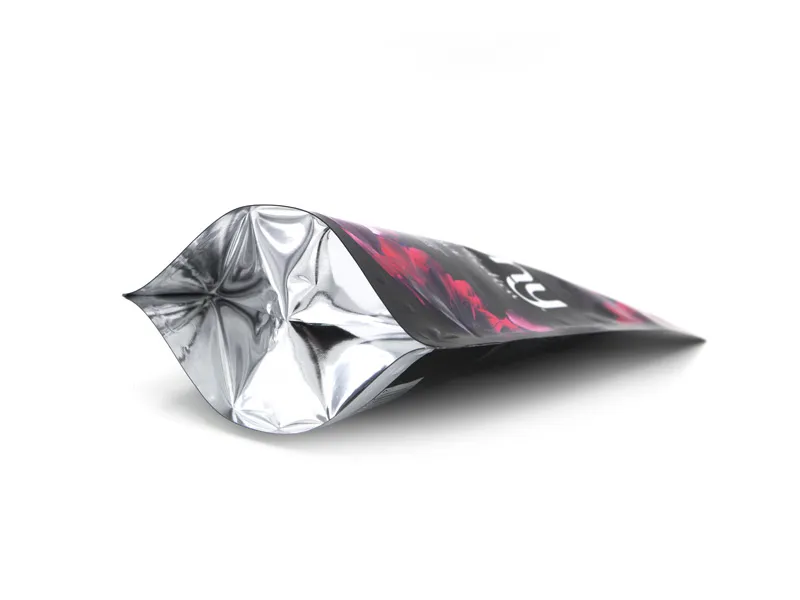
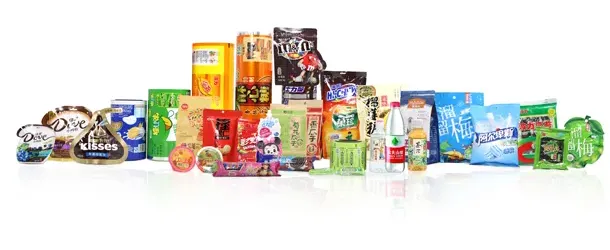
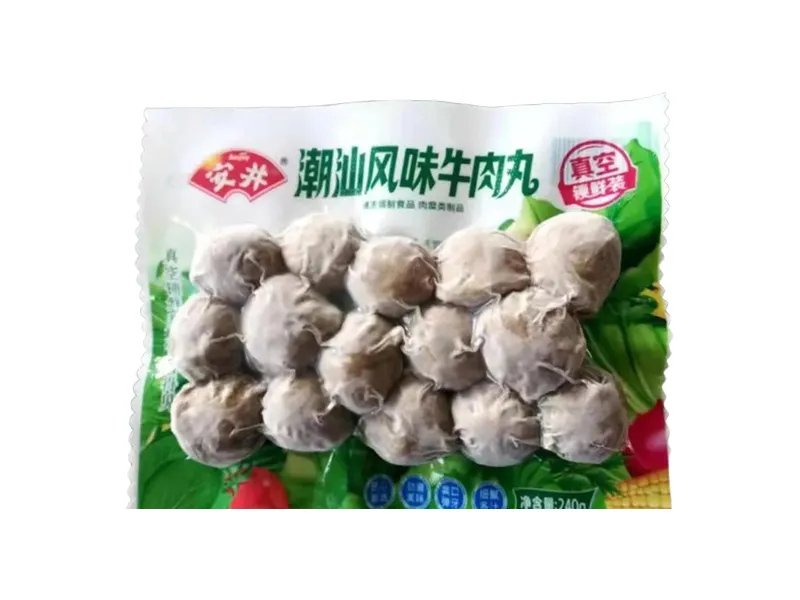
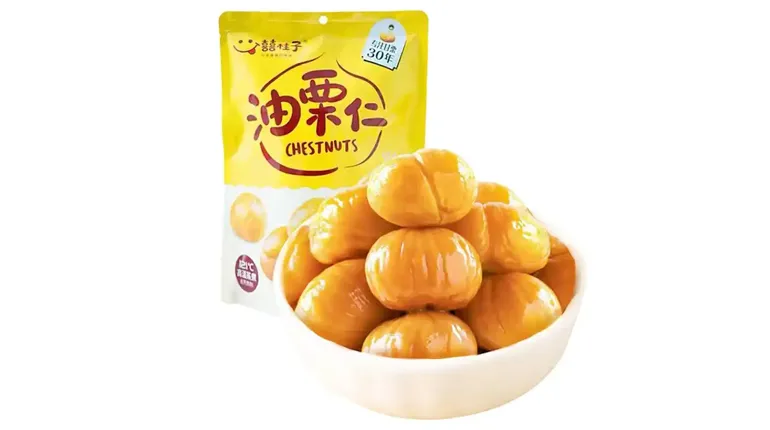
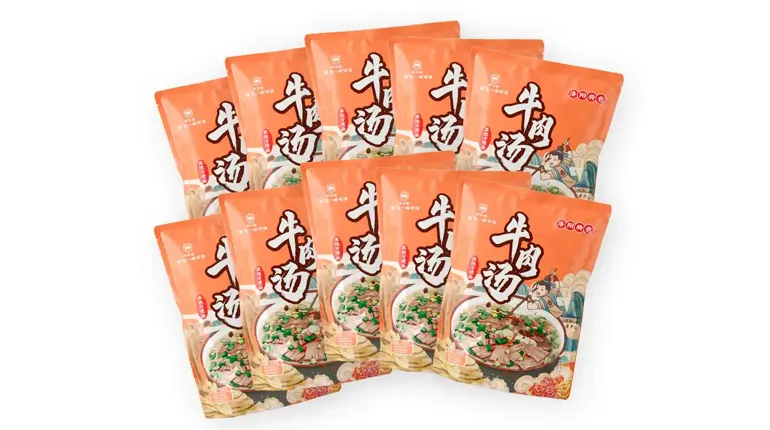
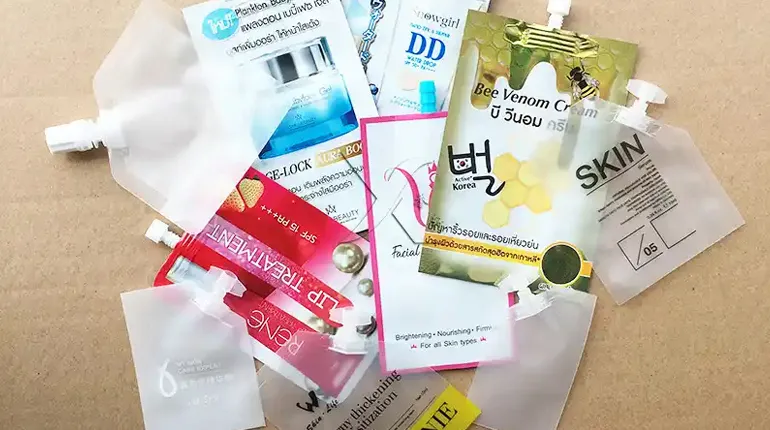
The reason why custom flexible packaging is widely favored is mainly due to its numerous outstanding advantages:
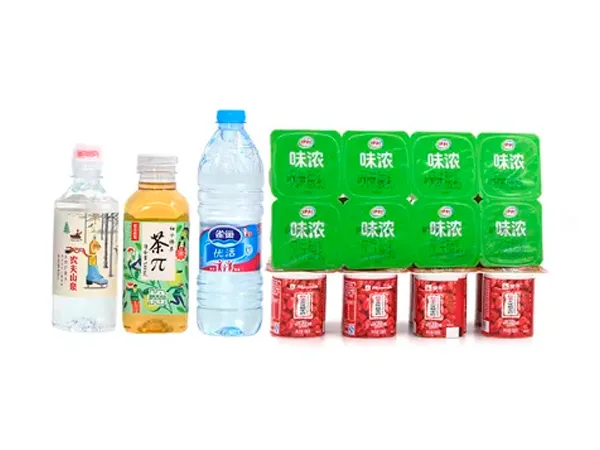
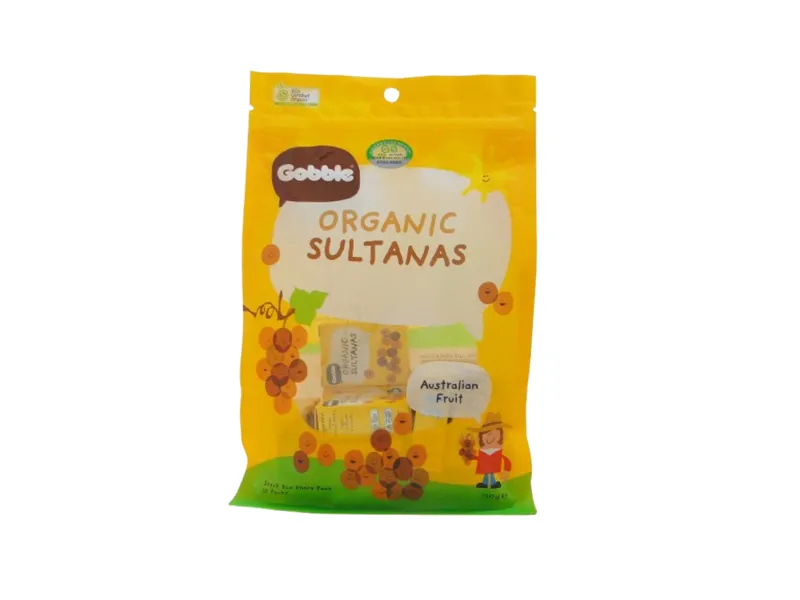
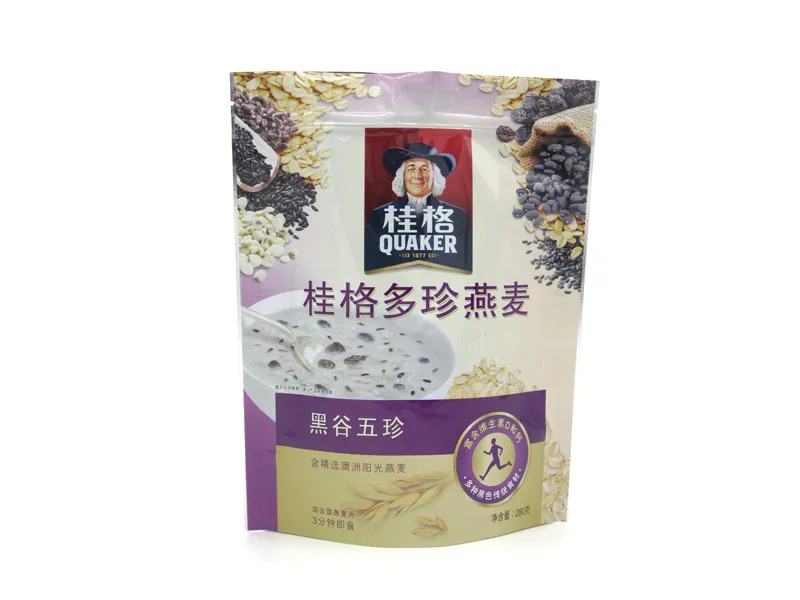
Highly customizable: This is its most core advantage. You can customize the material, thickness, barrier property, printing pattern, shape and sealing method of the packaging according to the specific requirements of the product. Whether it is needed to have high barrier property to extend the shelf life of food, or to have exquisite printing patterns to enhance the brand image, all can be met.
Excellent protection: By combining the advantages of different materials (such as the flexibility of plastic, the barrier property of aluminum foil, and the stiffness of paper), composite soft packaging can achieve various protective functions such as oxygen barrier, moisture prevention, light blocking, and corrosion resistance, effectively extending the shelf life of the product.
Lightweight and efficient: Compared to rigid packaging materials like glass and metal, soft packaging has the characteristics of light weight and small volume, which can significantly reduce transportation and storage costs and conform to the environmental trend of reducing material usage (source reduction).
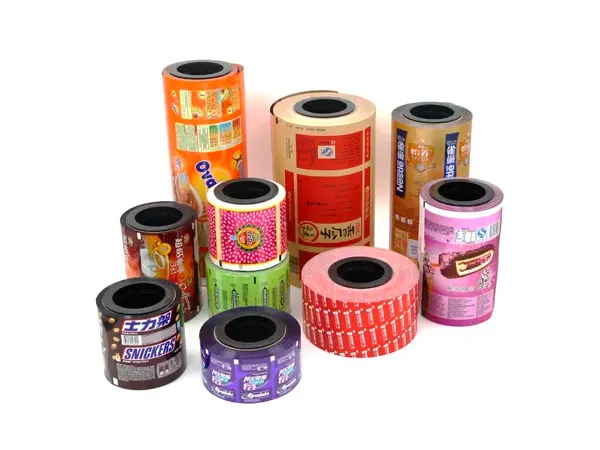
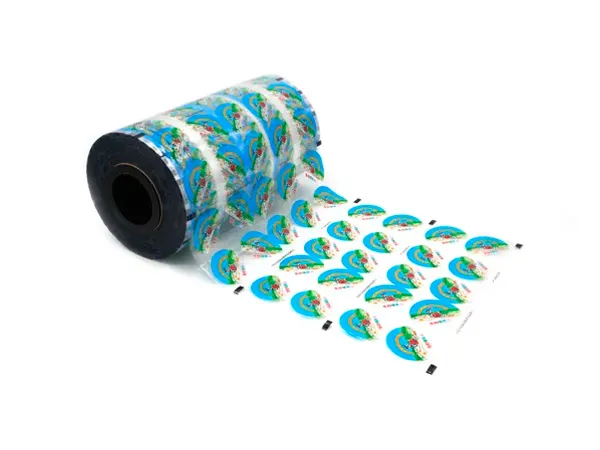
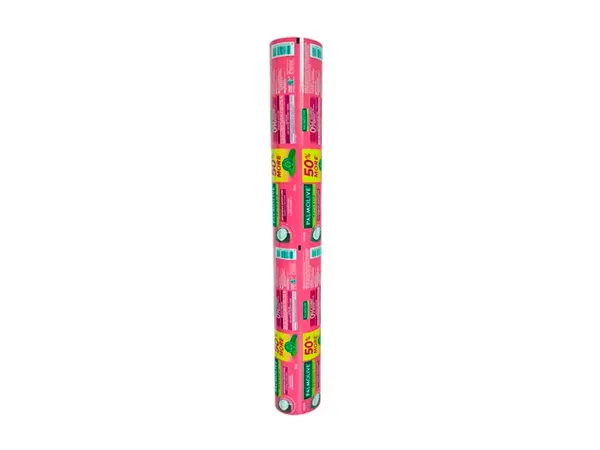
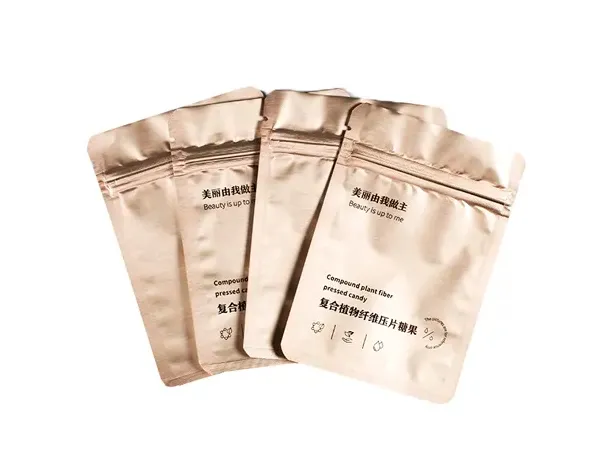
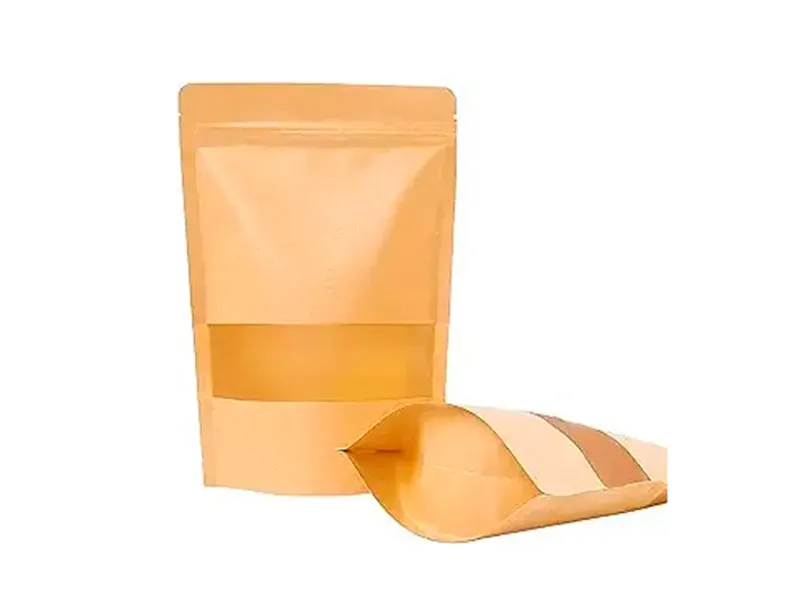
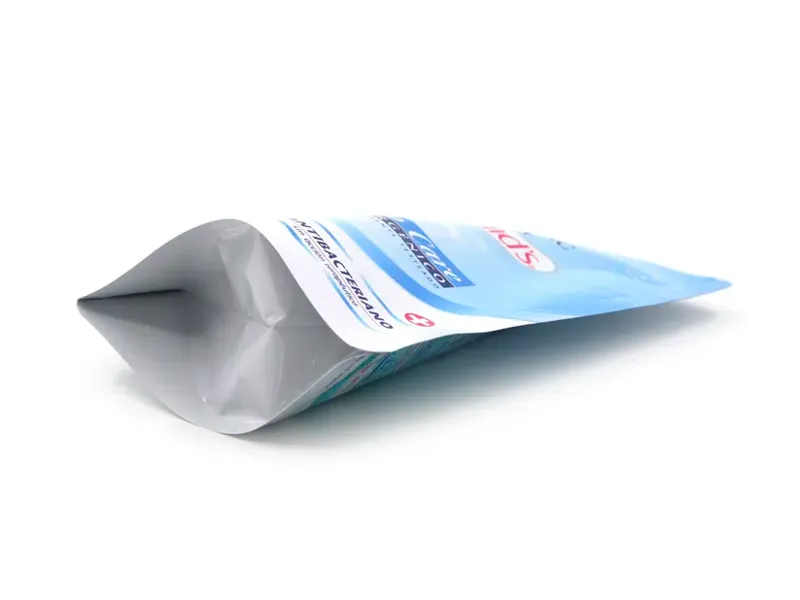
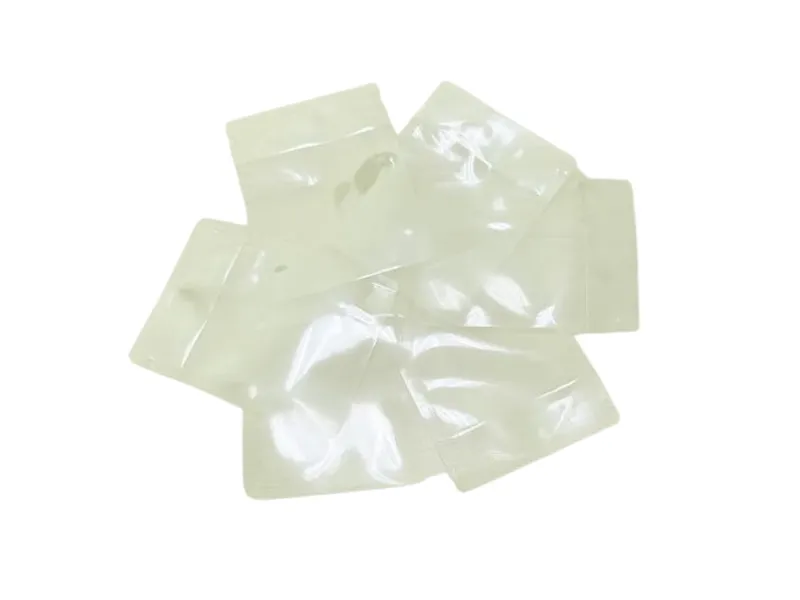
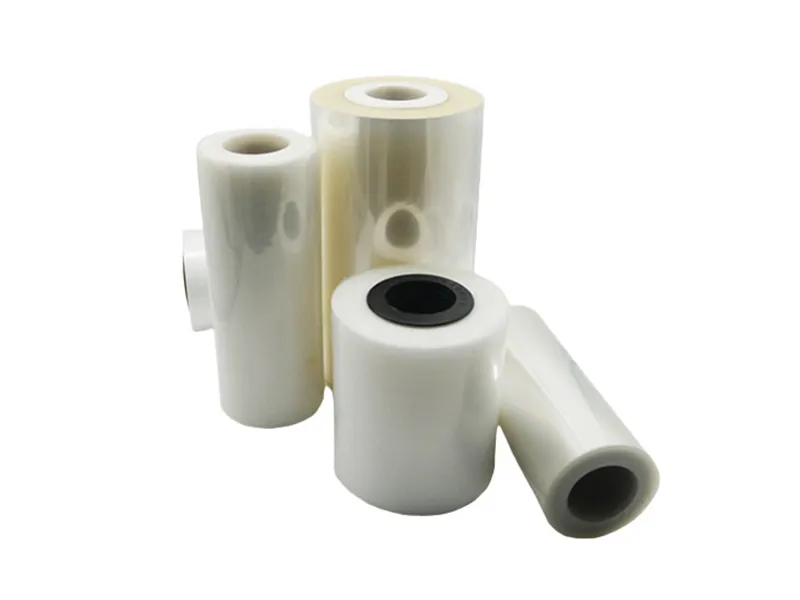
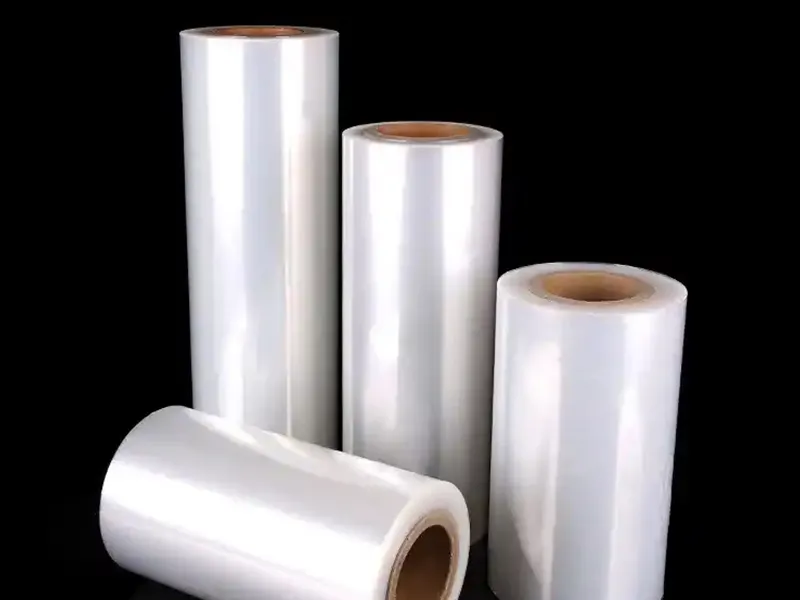
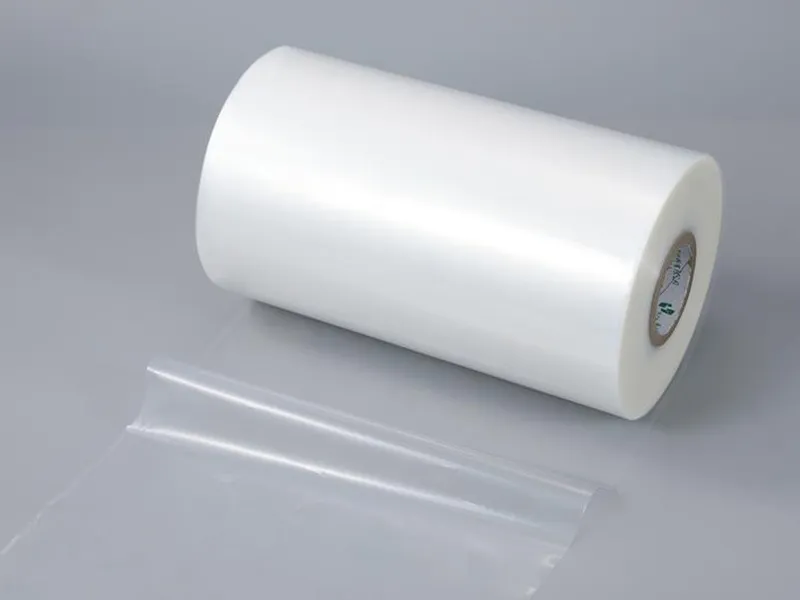
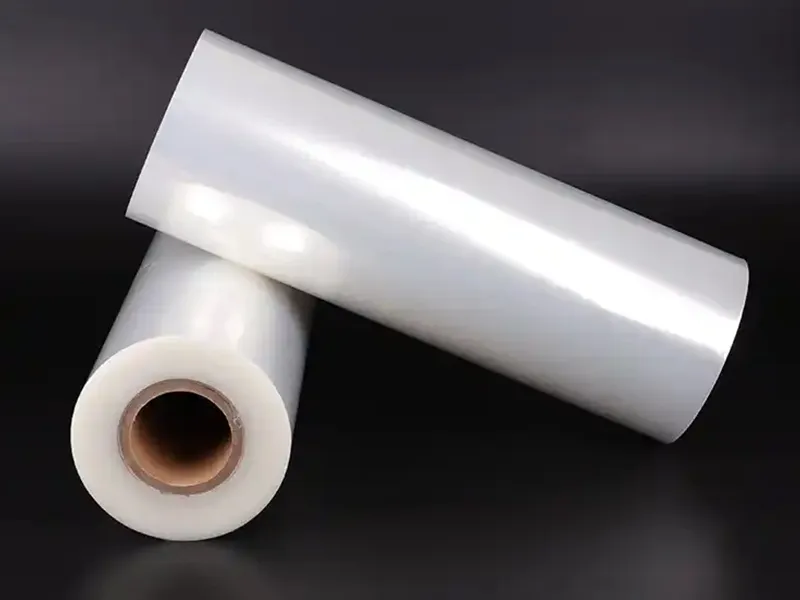
Convenient to use: The packaging forms are diverse, including self-standing bags, suction cups, steaming bags, packaging roll films, etc. They can be conveniently designed with structures such as easy tear openings and repeated sealing, greatly enhancing the user experience of consumers.
The performance of custom flexible packaging largely depends on the process of combining different materials. The current mainstream processes include:
Dry laminating: Uses solvent-based adhesives and is widely applied, but it poses certain pressure on environmental protection.
Solvent-free laminating: Utilizes 100% solid adhesives, is environmentally friendly and has lower costs, and has become the current mainstream technology.
Extrusion laminating: Bonds the base material through molten resin, with a simple process and high cost-effectiveness.
Co-extrusion laminating: Multiple plastic resins are simultaneously extruded through multiple extrusion machines to form multi-layer films, which is efficient and solvent-free.
When you need to customize flexible packaging, you usually need to communicate with the supplier from the following aspects to ensure that the final solution fully meets the requirements:
1. Product Characteristics: Is your product a food item, a medicine, a chemical product or a daily consumer good? Does it require protection from light, moisture, oxygen or aroma retention?
2. Material Composition: Select the appropriate material combination based on protection requirements. Common structures include BOPP/VMPET/PE (often used for lightweight barrier) and PET/AL/CPP (used for high-temperature sterilization), etc.
3. Packaging Form: Decide based on the usage scenario. For example, it could be a self-standing bag, a three-side sealed bag, a zipper bag or a roll film.
4. Printing Design: Determine the colors, patterns and text for printing, as this directly affects the market appeal of the product.
5. Regulatory Compliance: Ensure that the packaging materials comply with the regulations and standards of the target market. For instance, food-contact materials need to meet the GB 9683 "Hygienic Standard for Composite Food Packaging Bags" and so on.
 English
  中文
中文