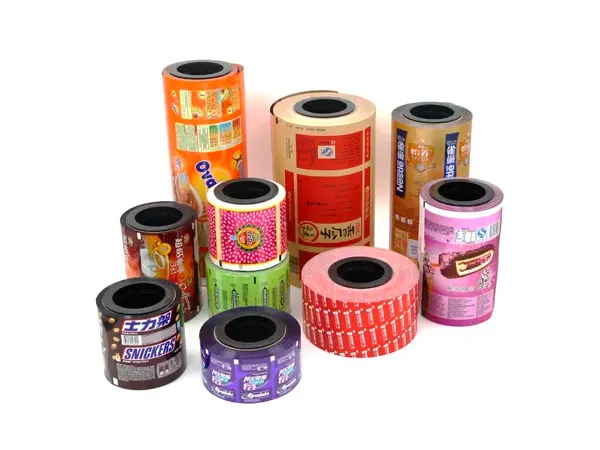
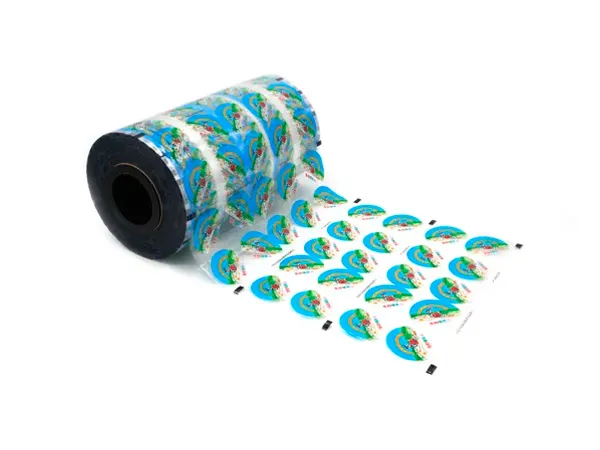
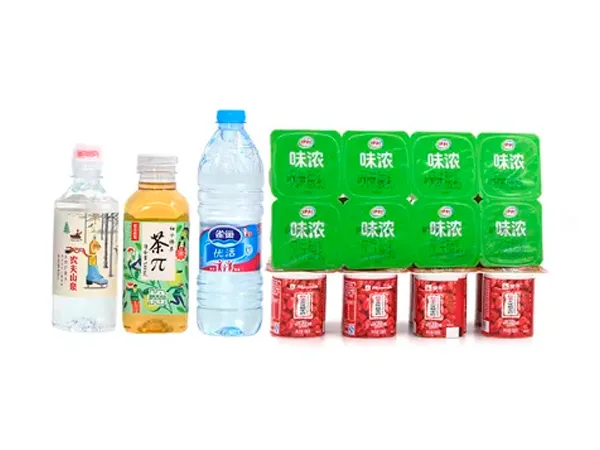
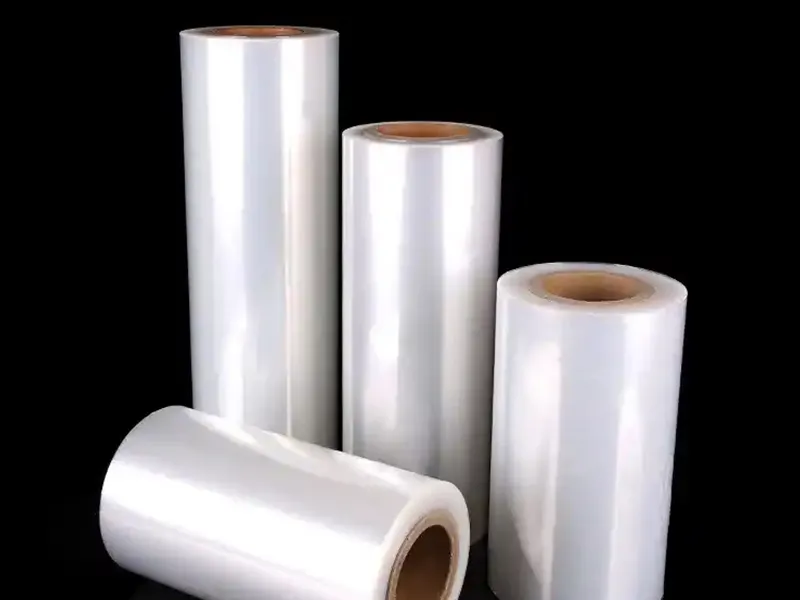
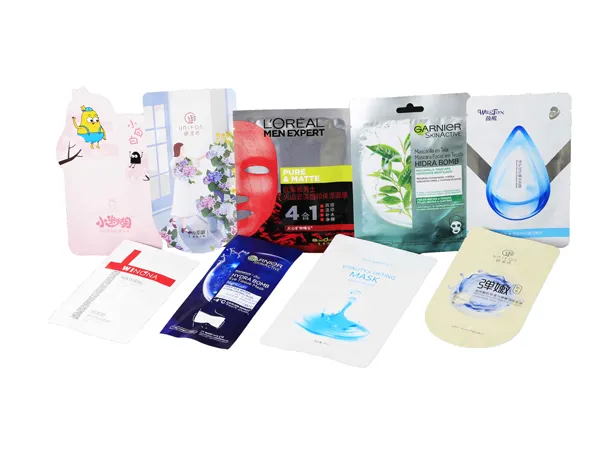
The most common structures are three-layer composites and four-layer composites.
1. Three-layer composite structure (the most common)
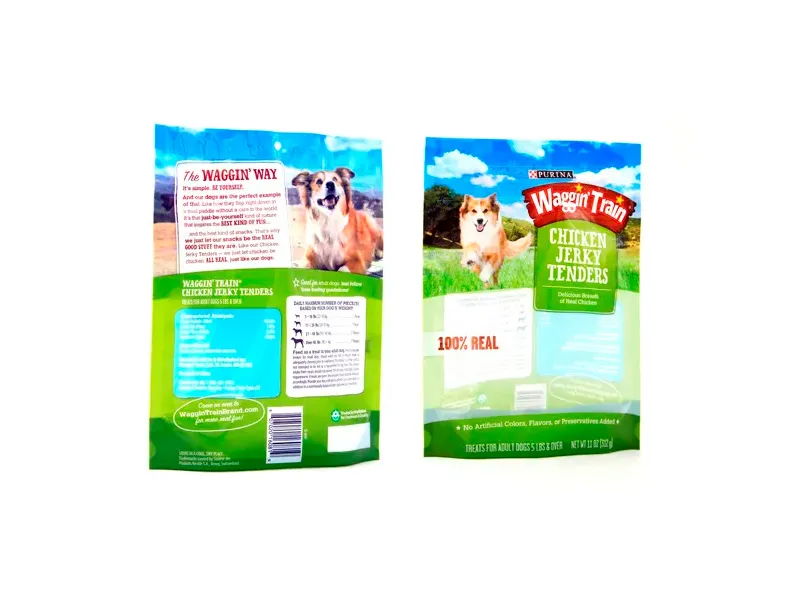
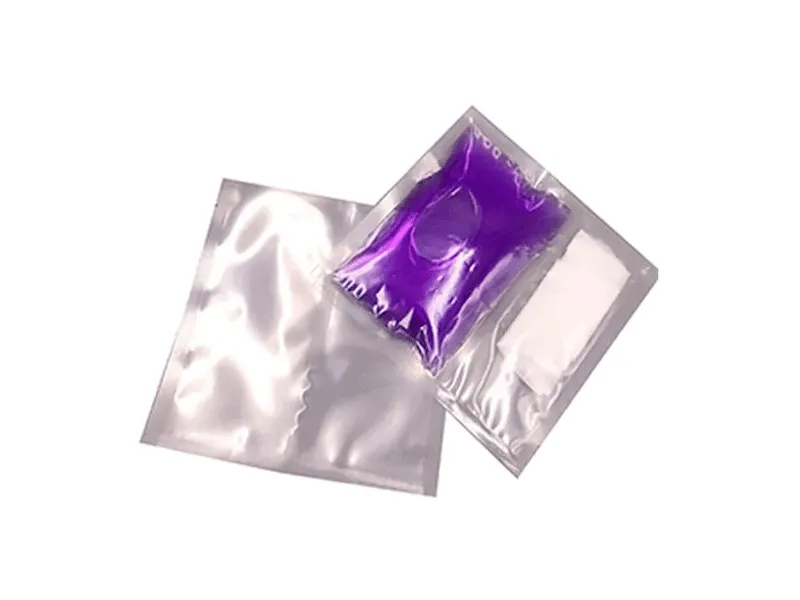
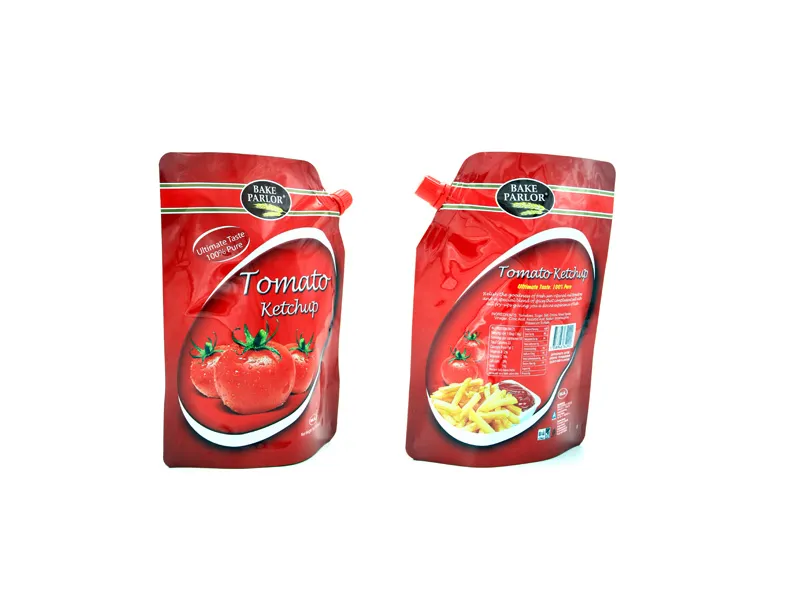
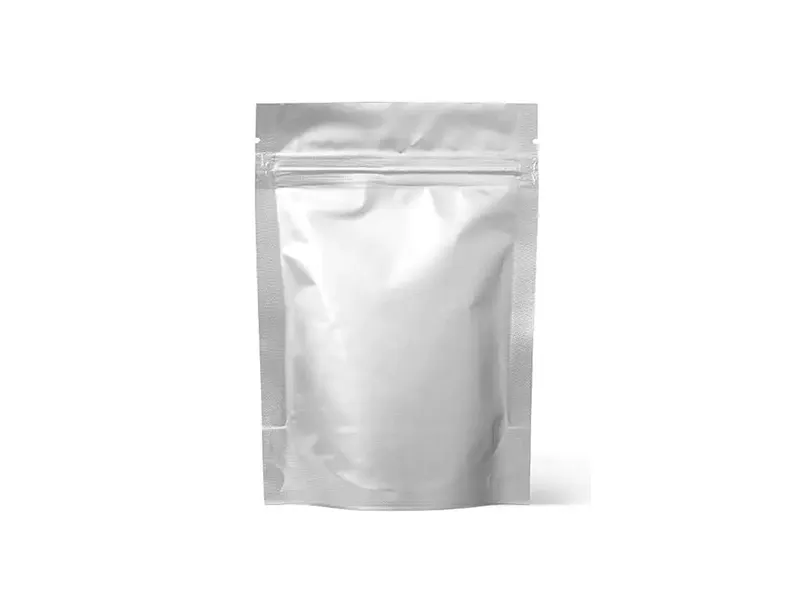
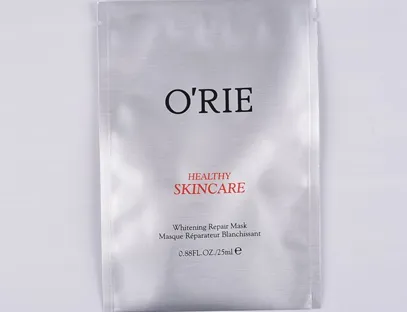
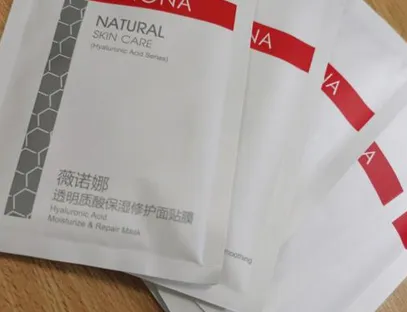
This is the most cost-effective and widely used structure. Typical structure: PET/AL/CPP or NY/AL/CPP
Outer layer (printing layer):
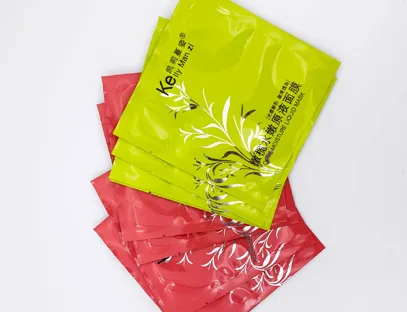
PET (polyethylene): Very common. Its advantages include high mechanical strength, good printing adhesion, high gloss, and the ability to produce very exquisite and bright patterns. It is scratch-resistant and can protect the internal barrier layer.
NY (nylon film): Has good toughness, puncture resistance, and wear resistance. It is softer than PET, but the printing gloss is slightly inferior. It is often used in packaging that requires better flexibility.
Middle layer (barrier layer):
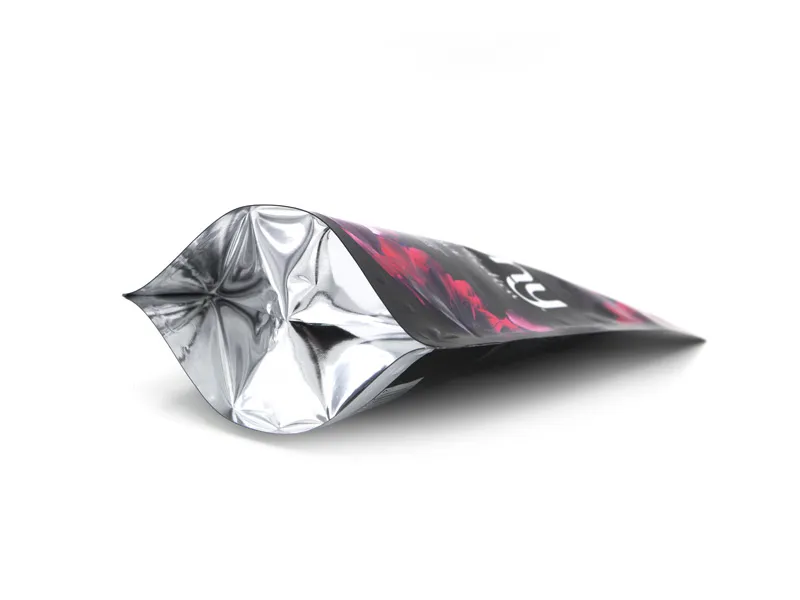
AL (aluminum foil): This is the most crucial layer. It provides extremely high barrier properties, being able to effectively block 100% oxygen, water vapor, light, and ultraviolet rays, thereby preventing the oxidation, evaporation, and deterioration of the active ingredients in the facial mask essence. It is the core factor ensuring the product's shelf life. The thickness is usually between 7-9 μm.
Inner layer (heat-sealing layer):
CPP (casting polypropylene): This is the layer in direct contact with the facial mask essence. CPP has excellent heat-sealing properties (easy to seal bags), corrosion resistance (able to resist the chemical components, alcohol, and oils in the essence), and safety (non-toxic and odorless, meeting food and pharmaceutical packaging standards).
2. Four-layer composite structure (higher-end)
To enhance certain properties, an additional layer is added on top of the three-layer structure. Typical structures: PET/AL/PA/CPP or PET/AL/PET/CPP. An additional layer of PA (nylon) or PET is added between AL and CPP.
The main functions of this layer are:
Enhance resistance to dropping and puncturing:
Prevent the aluminum foil inside the mask bag from cracking or developing pinholes when it is impacted or squeezed, which would lead to a decrease in barrier properties.
Improve overall mechanical strength:
Make the packaging bag more sturdy and durable.
3. Transparent high-barrier structure (for "visual" packaging)
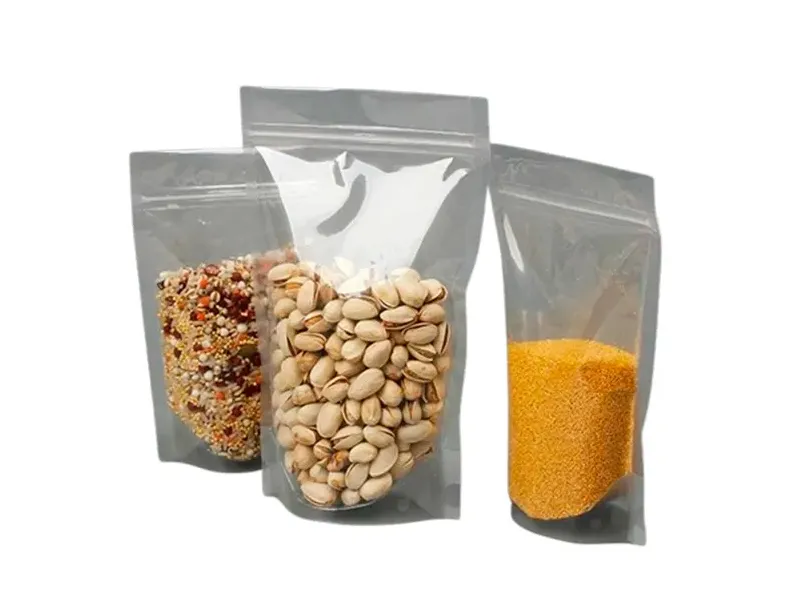
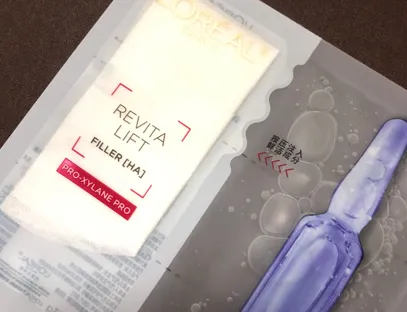
In recent years, packaging with the appearance of internal masks has become popular, which poses higher requirements for barrier materials. Typical structure: PET/VMPET/CPP or PET/AL/transparent high-barrier coating/CPP.
VMPET (aluminized PET):
A very thin layer of aluminum is vacuum-deposited on the PET film. It replaces aluminum foil and provides good barrier properties. Due to the point-like aluminized coating, it has a certain degree of transparency and has a lower cost than pure aluminum foil structure. However, its barrier properties are slightly inferior to pure aluminum foil.
Transparent high-barrier coating (such as silicon oxide, aluminum oxide coating):
A very thin layer of silicon oxide (SiOx) or aluminum oxide (ALOx) coating is vacuum-deposited on the PET or NY film through vacuum evaporation technology. This material is completely transparent and has extremely high barrier properties (close to the level of aluminum foil), belonging to high-end packaging materials, and has a higher cost.
 English
  中文
中文