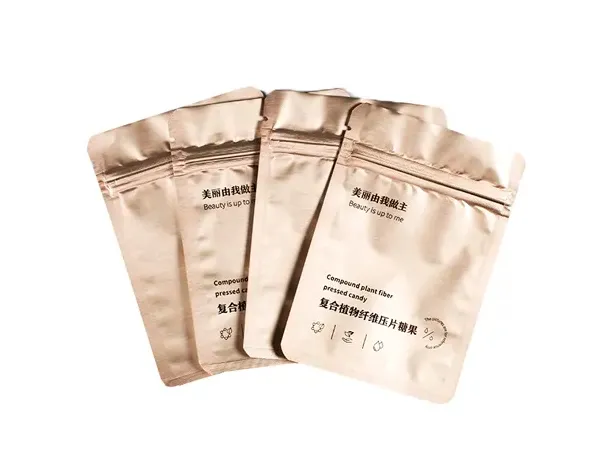
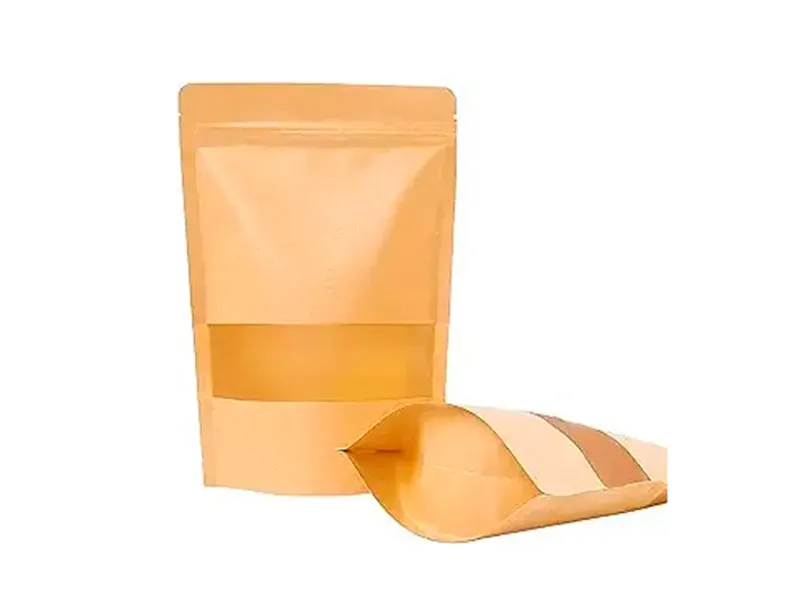
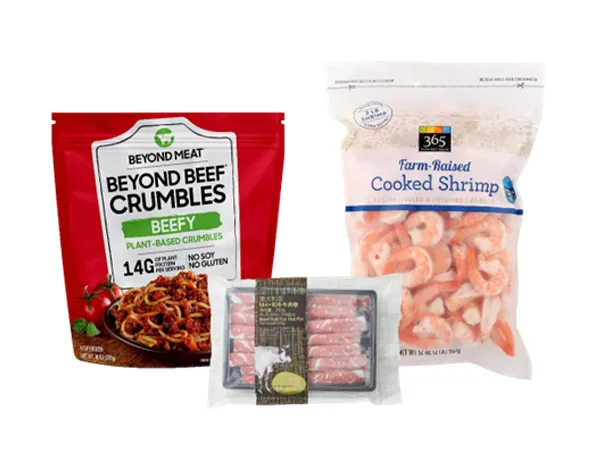
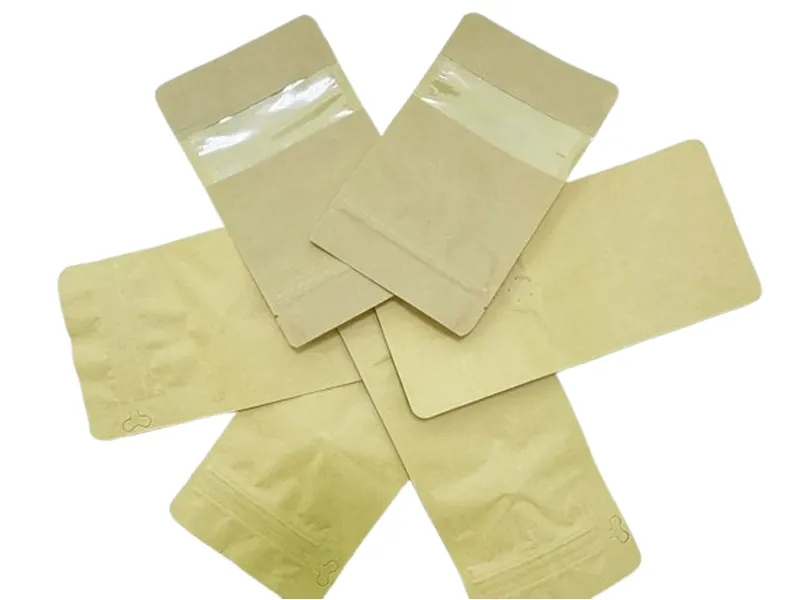
When frozen meat is stored at temperatures below -18℃, although microbial activity is inhibited, it still faces problems such as dehydration, oxidation, discoloration and off-flavors. Therefore, the packaging bags for frozen meat are an indispensable part of the meat cold chain. From simple PE bags to complex high-barrier vacuum shrink bags, their evolution reflects the food industry's continuous pursuit of preservation, safety and convenience. An excellent frozen meat packaging is the key to locking in the "fresh" flavor of the meat. Understanding different types of packaging can help you, as a consumer, make more informed purchasing decisions and adopt the correct home storage methods to ensure that you enjoy safe and delicious meat.
The design of frozen meat packaging is mainly aimed at addressing the following four issues:
Dehydration (Freezer Burn): Low temperatures cause the moisture on the surface of the meat to sublimate, resulting in dry meat, rough fibers, poor texture, and the appearance of grayish-white patches on the surface.
Oxidation: Oxygen reacts with the fat and myoglobin in the meat, causing rancidity of the fat (producing a rancid smell) and color change of the meat (from bright red to dark brown).
Microbial Contamination: Although low temperatures inhibit microbial growth, they cannot completely kill them. Damaged packaging can lead to secondary contamination.
Physical Damage: After freezing, the meat becomes hard, and during transportation and handling, it is prone to rupture due to collisions and compressions. Bone-in products may puncture the packaging.
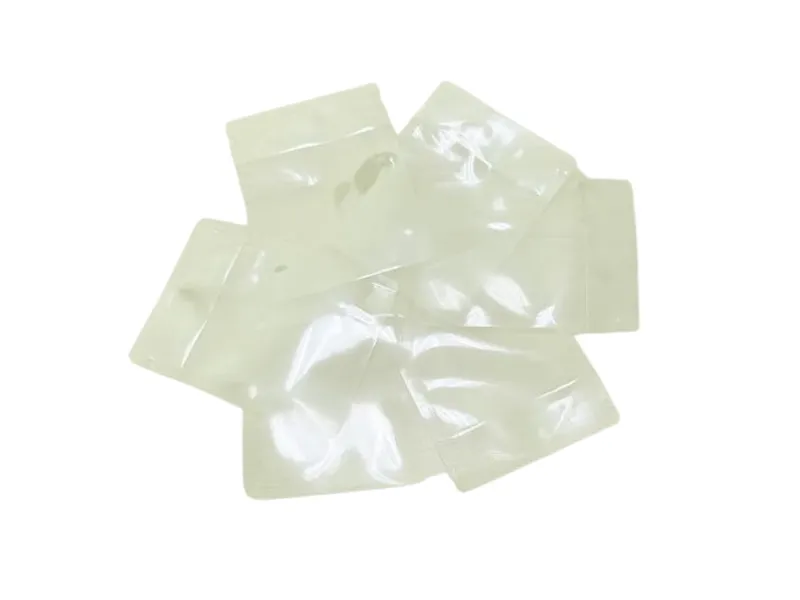
Regular Bag Packaging: Place the meat directly into the packaging bag, remove the air, and then heat-seal it. This is the most common form.
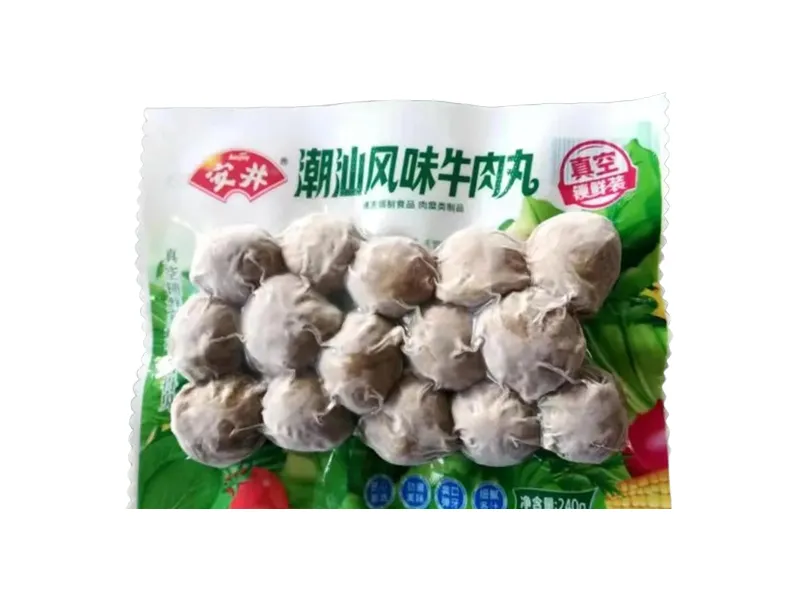
Vacuum Packaging: Remove all the air from the bag to create a highly oxygen-deficient environment, which significantly delays oxidation and deterioration, and is one of the most effective methods for extending the shelf life.
Modified Atmosphere Packaging (MAP): Commonly used for chilled fresh meat, but some pre-processed frozen meat may also use it. After vacuuming, a certain proportion of mixed gases (such as carbon dioxide, nitrogen, and oxygen) are introduced to inhibit microbial growth and maintain color.
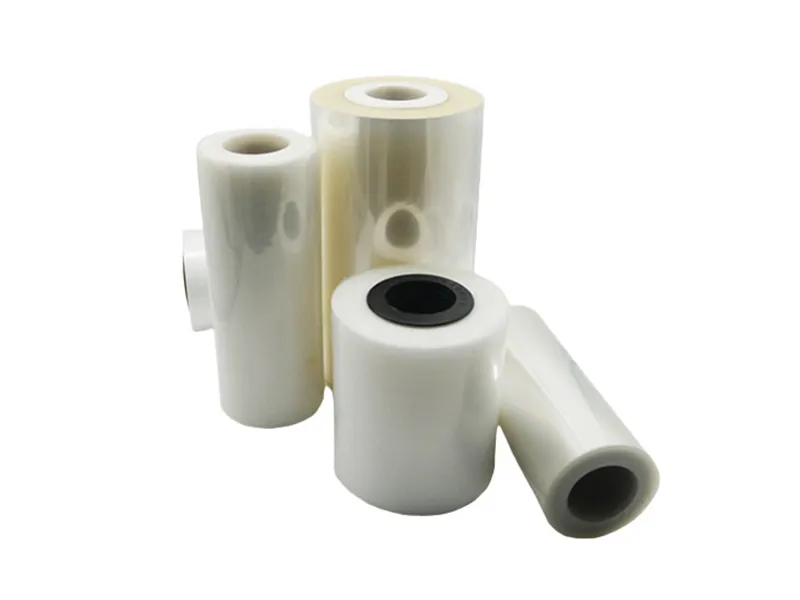
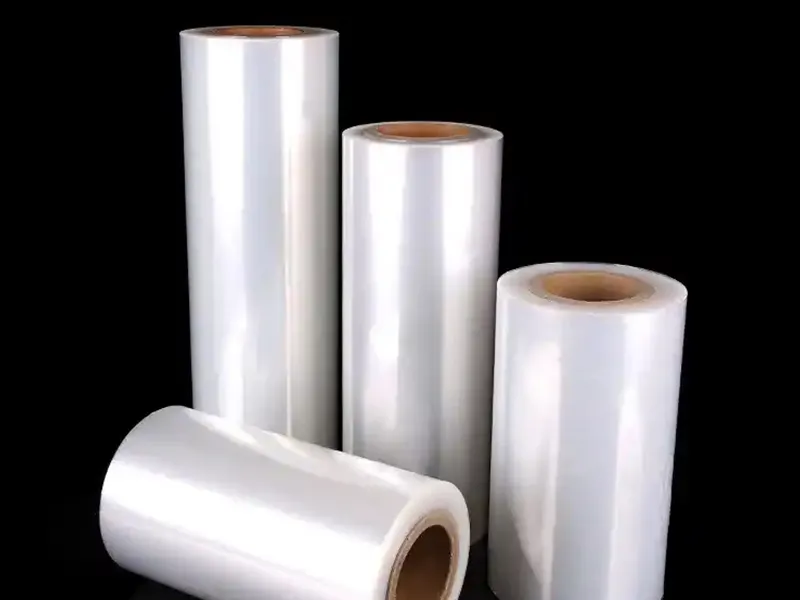
Shrink Packaging: After vacuum or non-vacuum packaging, through a heat-shrinking tunnel, the film adheres tightly to the product, forming a smooth and neat appearance.
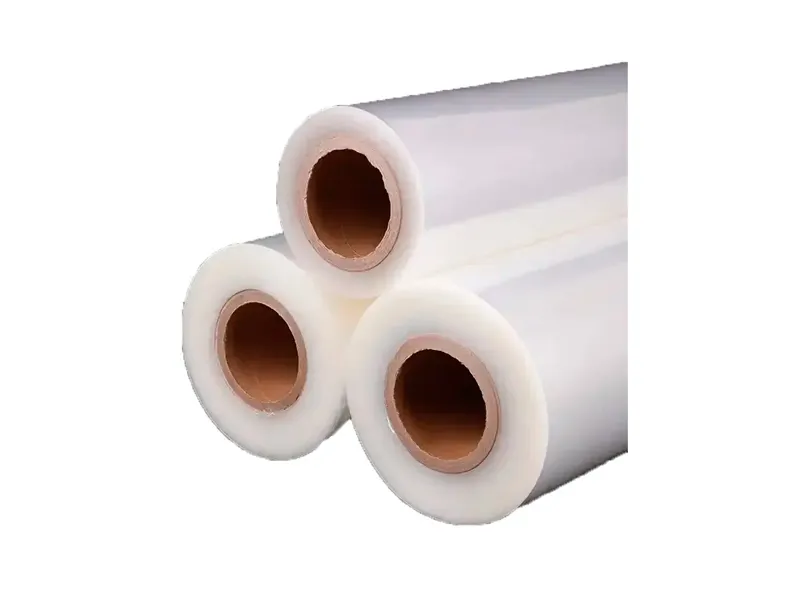
PA/PE: Excellent puncture resistance, high cost-effectiveness, suitable for ordinary refrigerated packaging.
PET/PA/PE: Higher strength, better barrier properties.
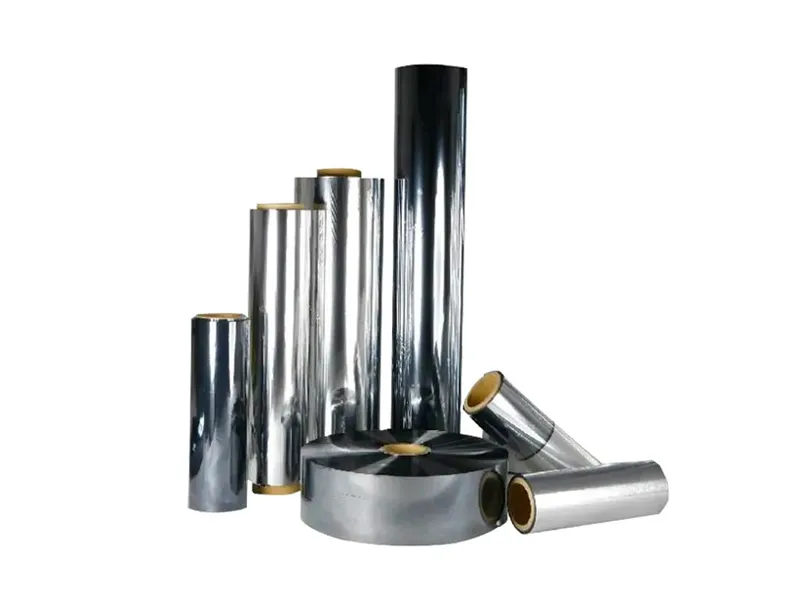
PET/AL/PE: Ultra-high barrier, completely light-protective, commonly used for high-quality products or export products.
PA/EVOH/PE: Classic structure for high-barrier vacuum packaging, EVOH provides excellent preservation function.