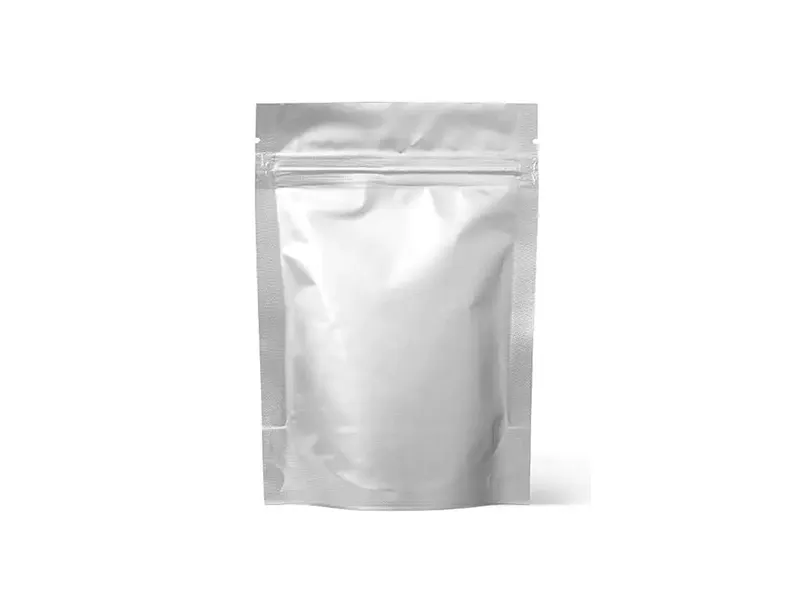
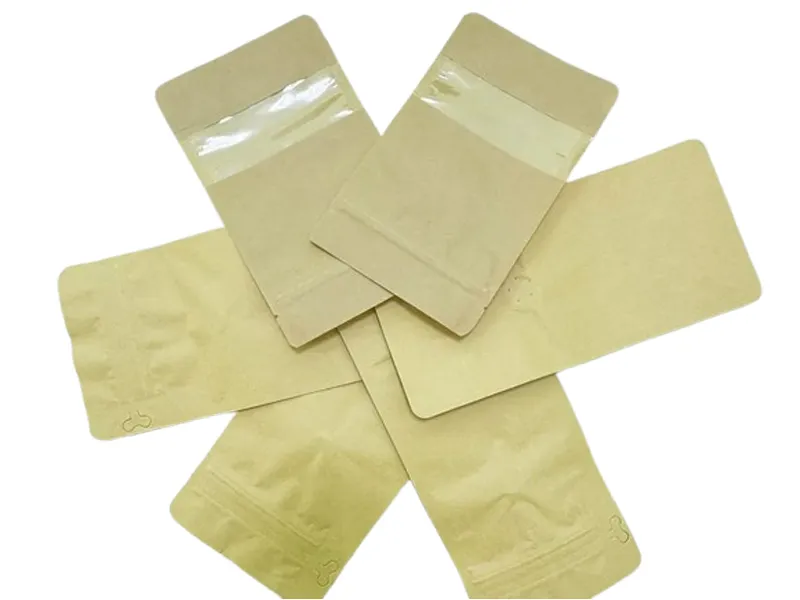
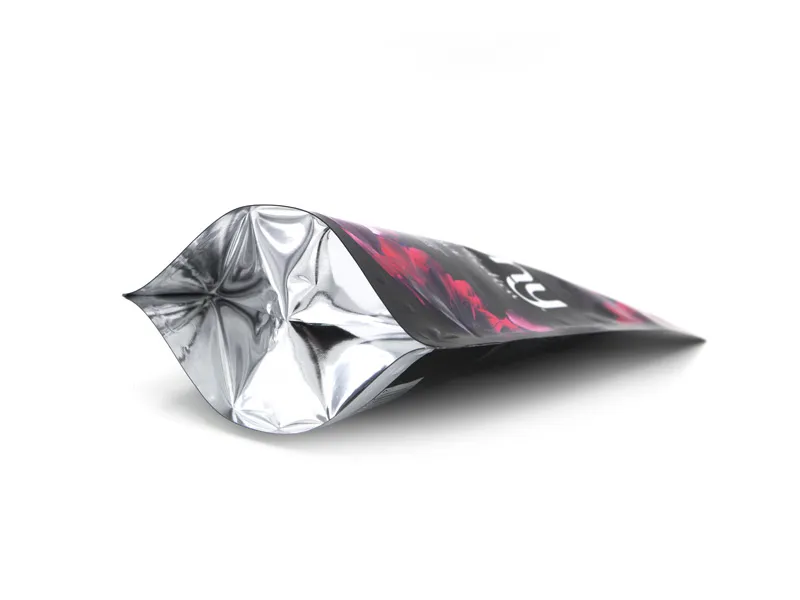
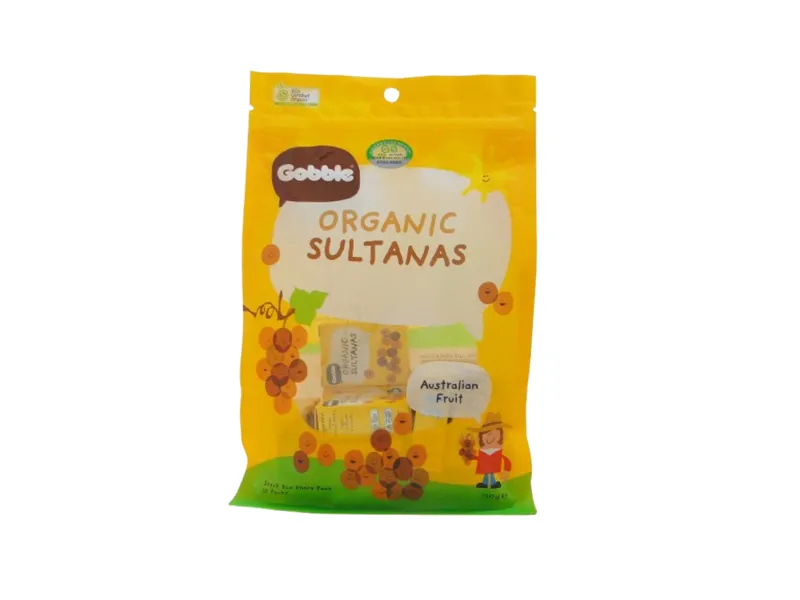
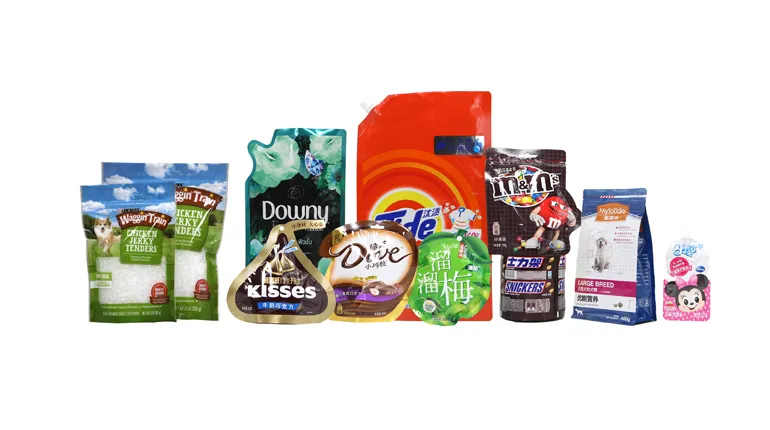
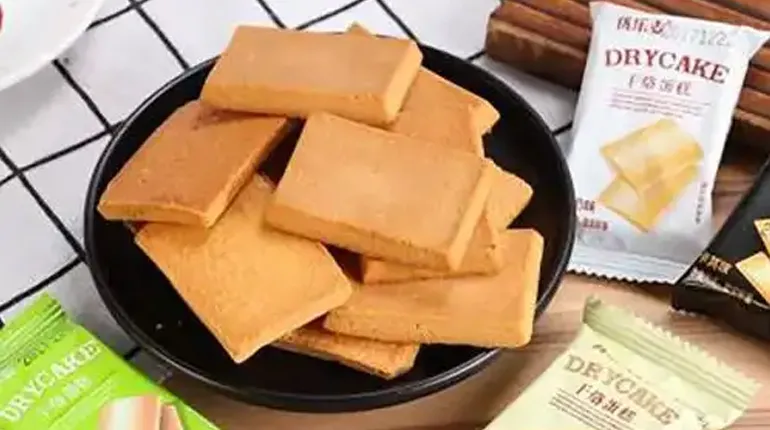
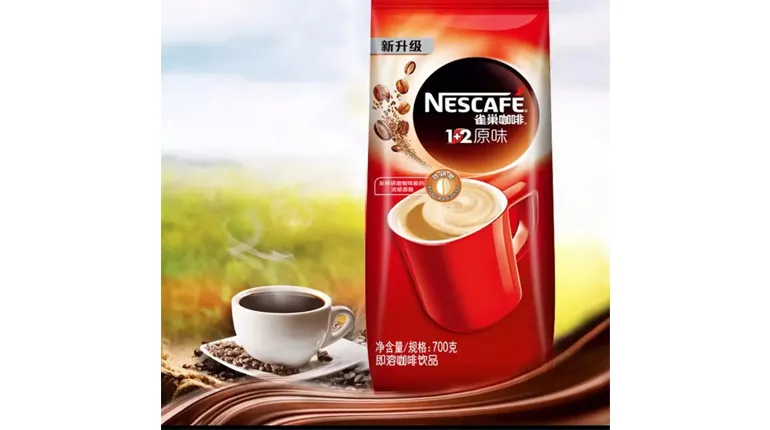
1. Lightweight and safe:
Extremely lightweight, significantly reducing energy consumption and costs during transportation. It is not prone to breakage, making it safer for use and carrying, especially suitable for children and outdoor scenarios.
2. Excellent protection:
Multi-layer composite materials can effectively block oxygen, light and moisture. Combined with aseptic filling technology, it can maximize the retention of the beverage's flavor and nutrition, and extend its shelf life.
3. High cost-effectiveness:
The raw material costs and transportation, storage costs are significantly lower than those of glass and metal packaging.
4. Flexible design and eye-catching:
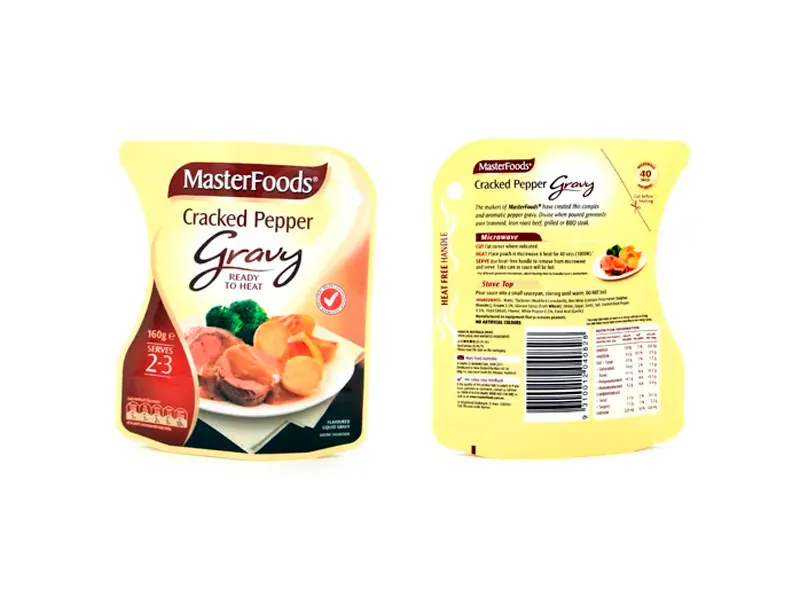
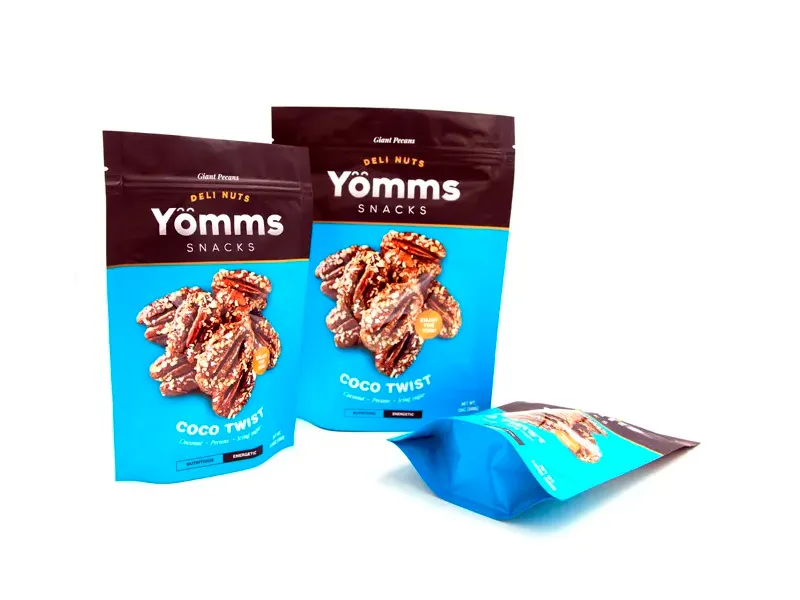
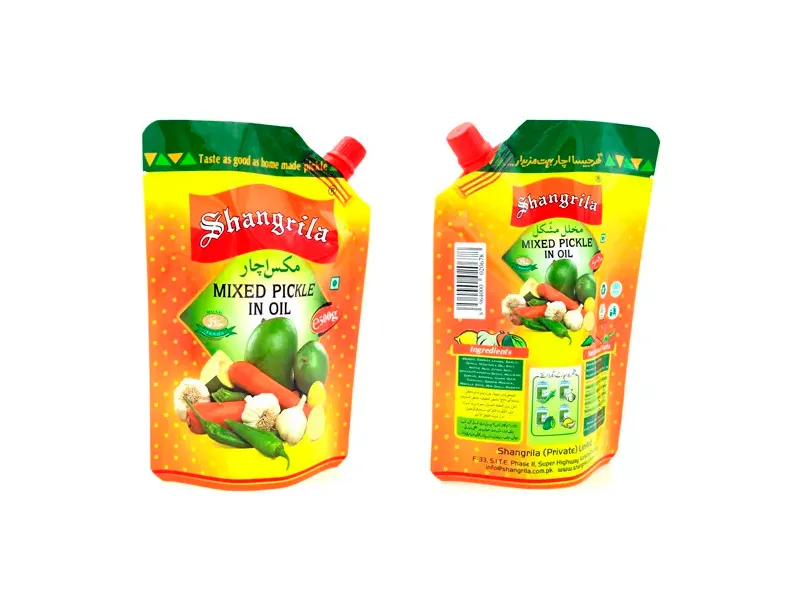
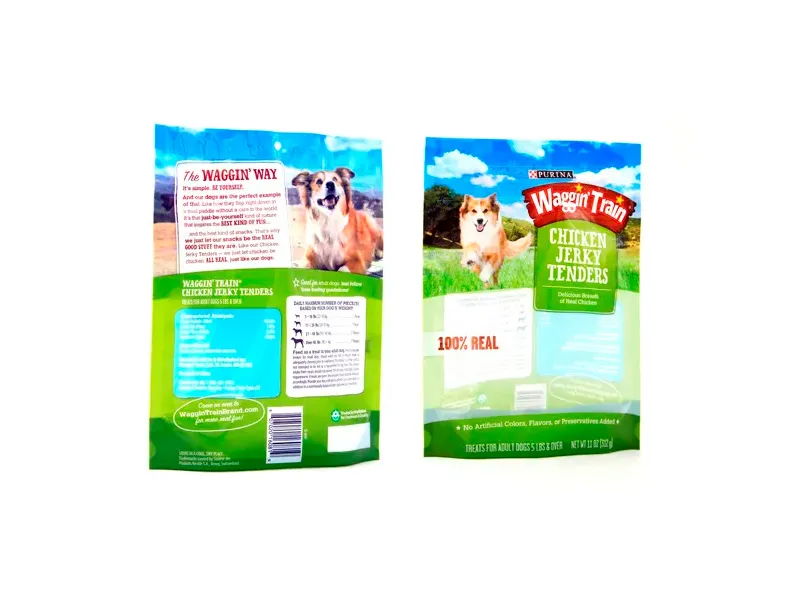
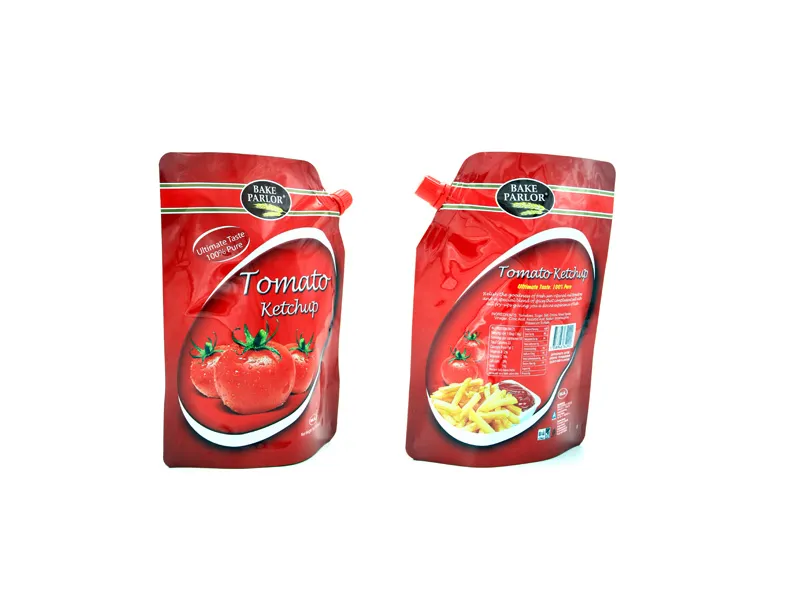
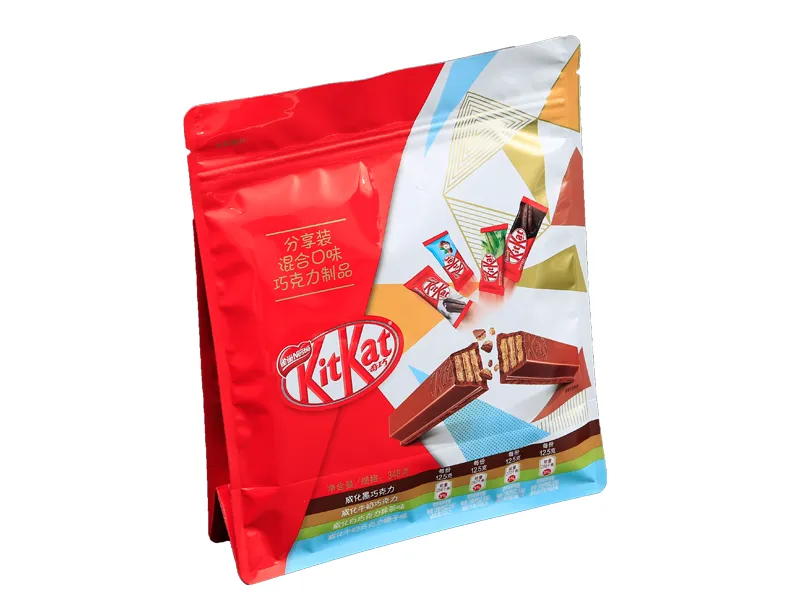
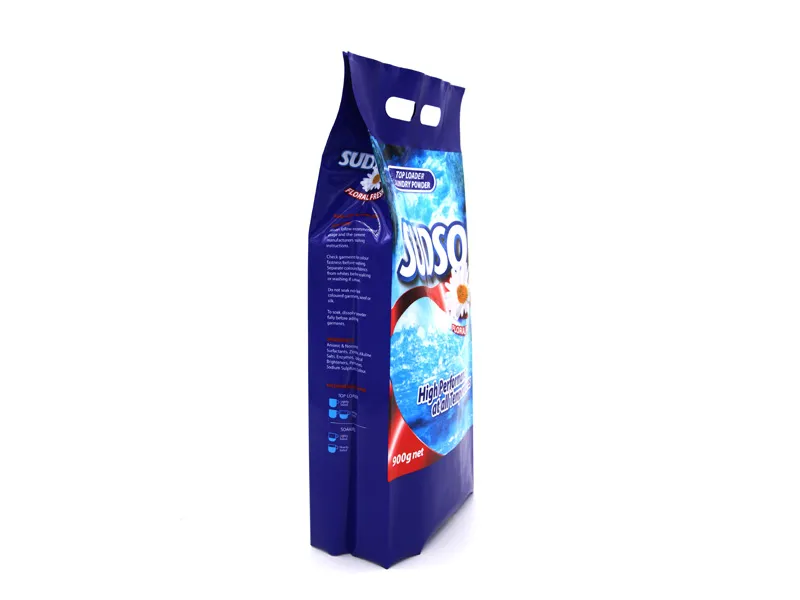
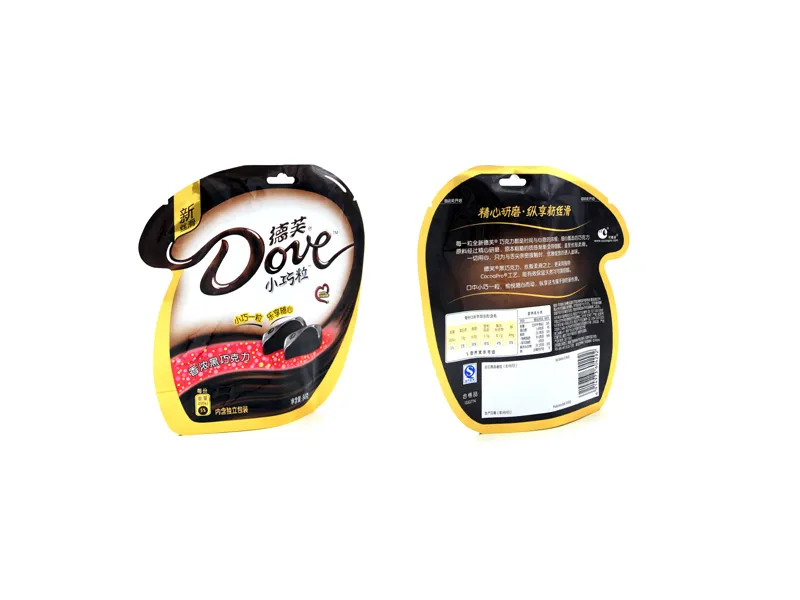
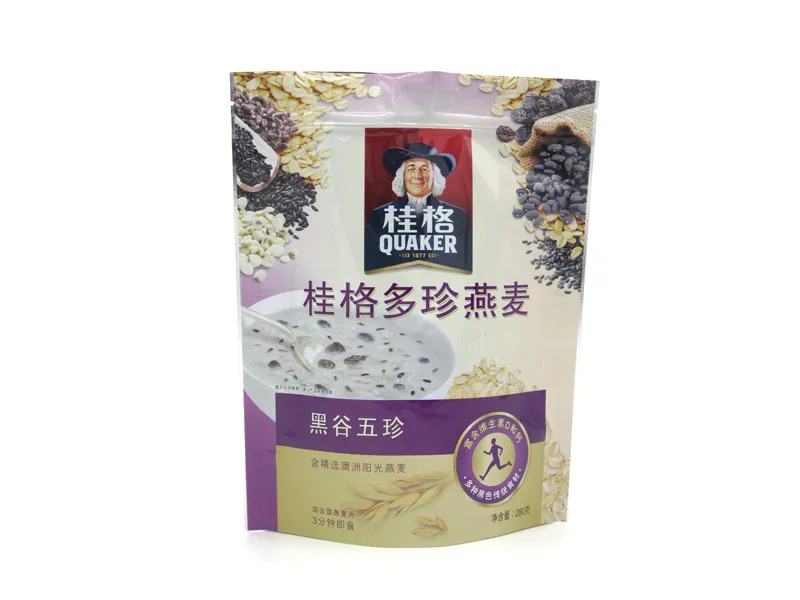
It provides a large area for printing, allowing for the design of very bright and attractive patterns, which has a strong visual impact on the shelves.
5. Environmental potential (recyclability):
The main materials (paper, plastic, aluminum) are theoretically recyclable. With the development of classification recycling systems and recycling technologies, their environmental performance is constantly improving. Many brand owners also actively use paper from sustainably managed forests.
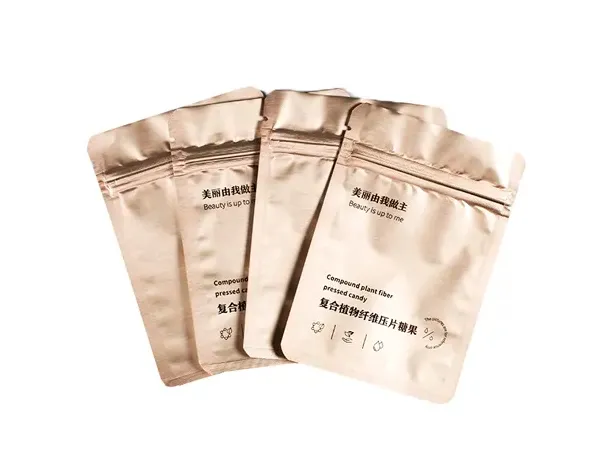
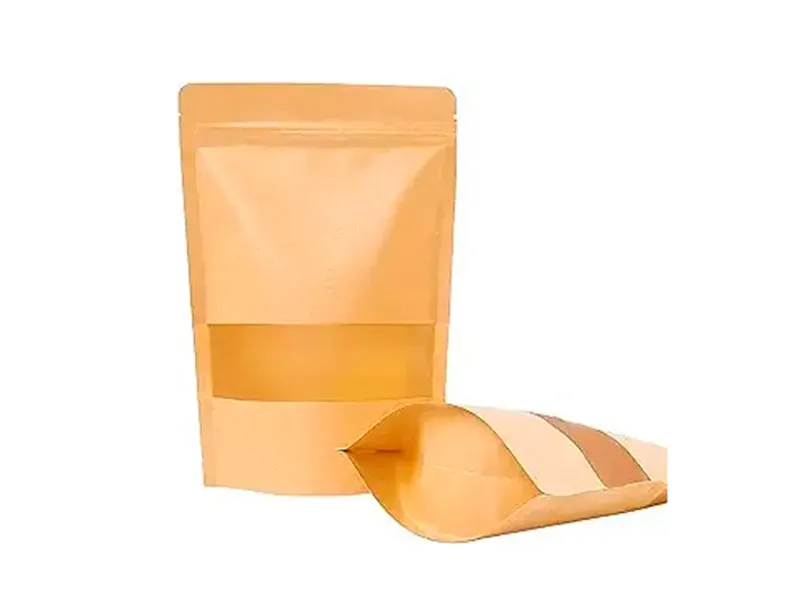
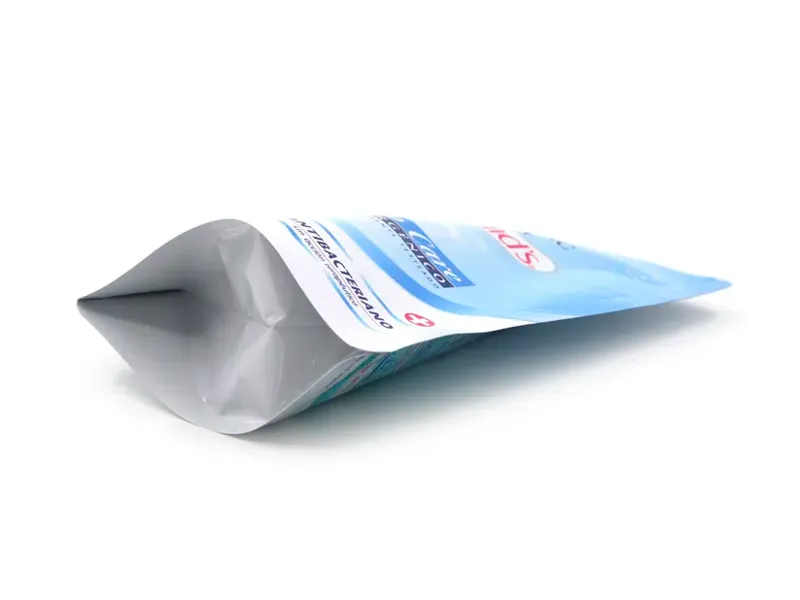
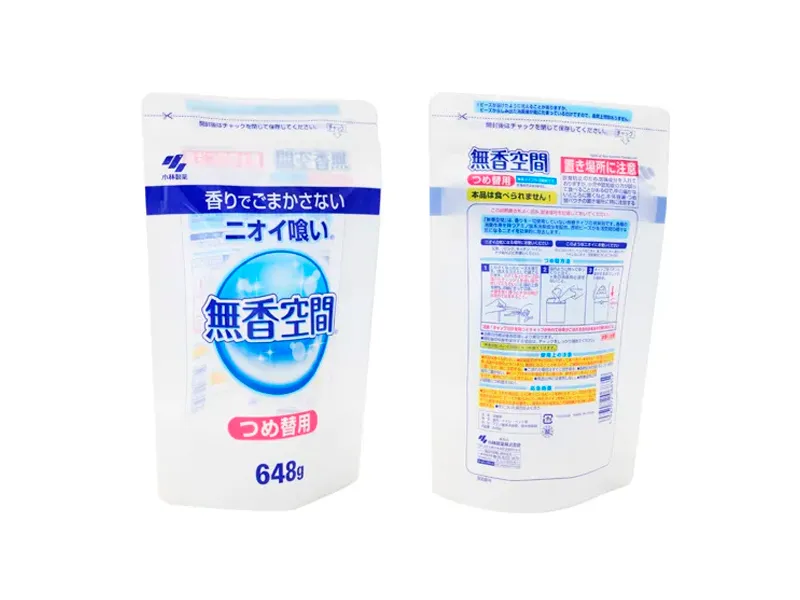
Most juice packaging is made of composite materials. Common structures include following:
1. Printing layer/outer layer:
Usually made of polyester (PET) or biaxially oriented polypropylene (BOPP), providing mechanical strength, excellent printing surface and gloss.
2. Barrier layer:
This is the core of the packaging, used to block oxygen, light and moisture, maintaining the freshness and flavor of the beverage. Common materials include:
Aluminum foil (Al): Provides excellent light-blocking, oxygen-blocking and moisture-proof performance (such as Tetra Pak).
Aluminum-coated film (VMPET/VMCPP): Lower cost, with certain barrier properties.
Ethylene-vinyl alcohol copolymer (EVOH): Excellent oxygen-blocking performance, often used in transparent high-barrier packaging.
3. Inner sealing layer/contact layer:
The layer in direct contact with the juice, must meet food safety standards and have good heat sealing performance. Common materials include polyethylene (PE) or blown polypropylene (CPP).
 English
  中文
中文