What Structure and Materials of Aluminum Foil Pouch Can Be Used?
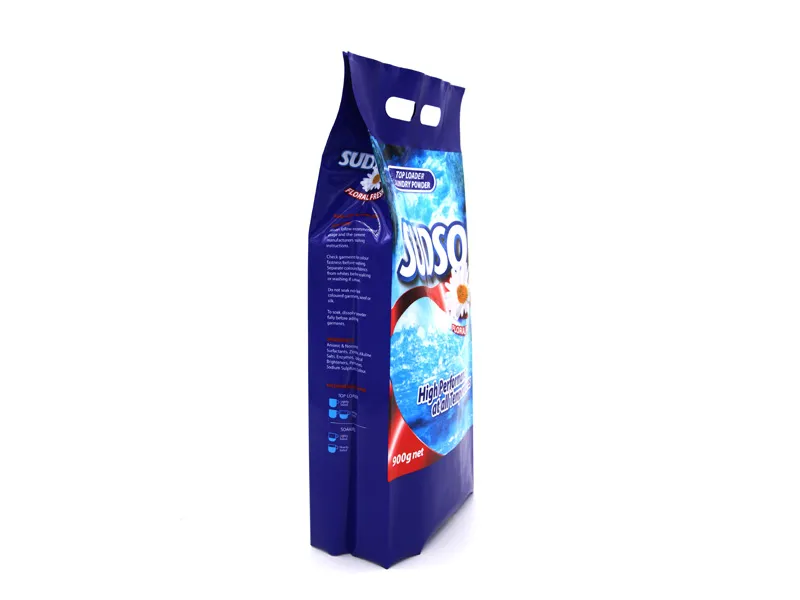
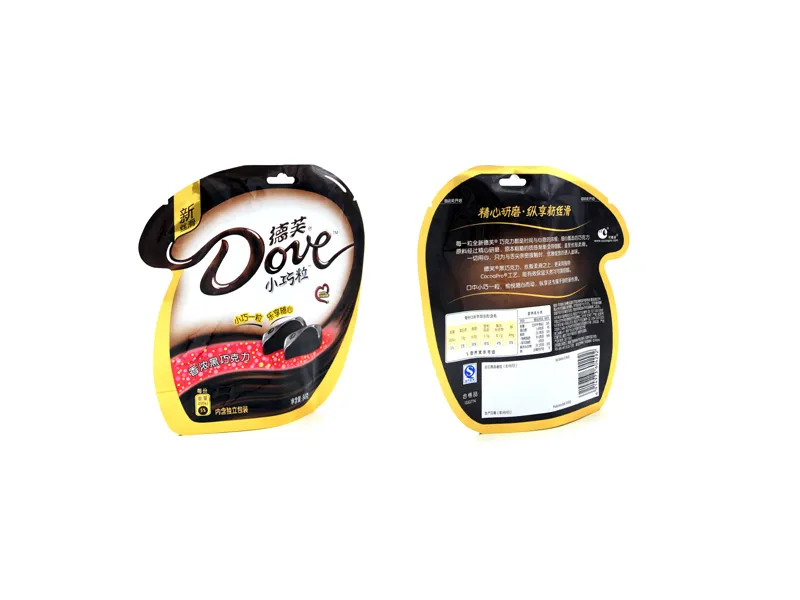
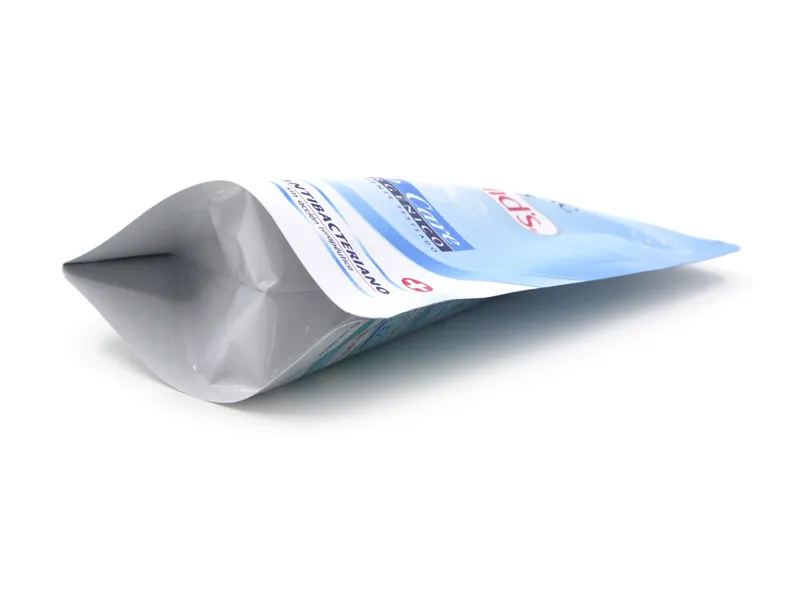
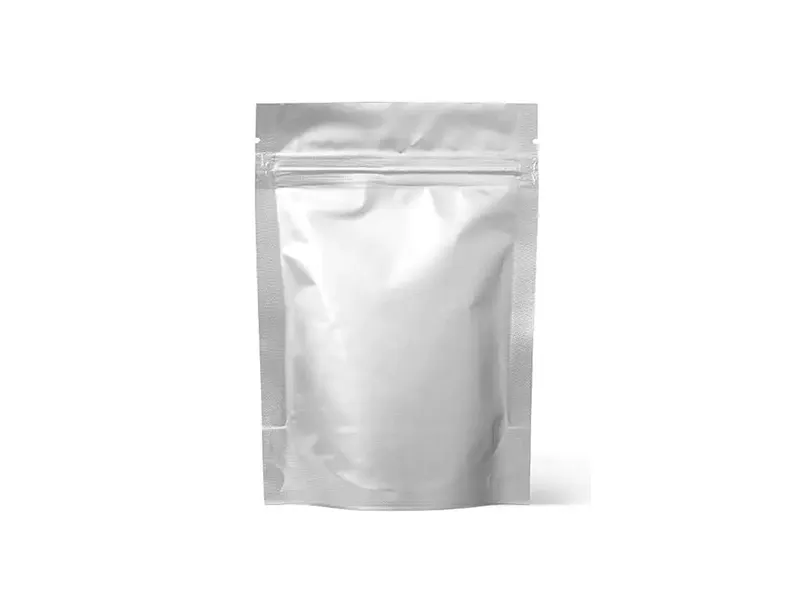
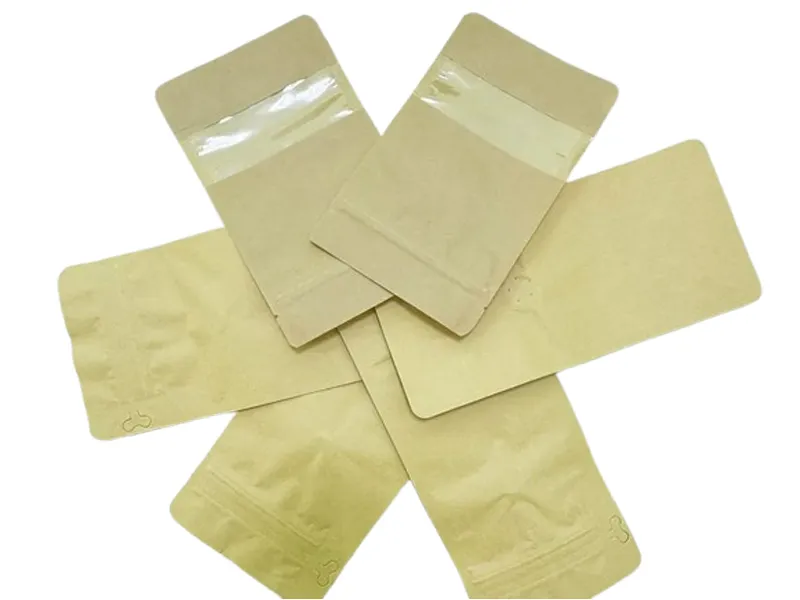
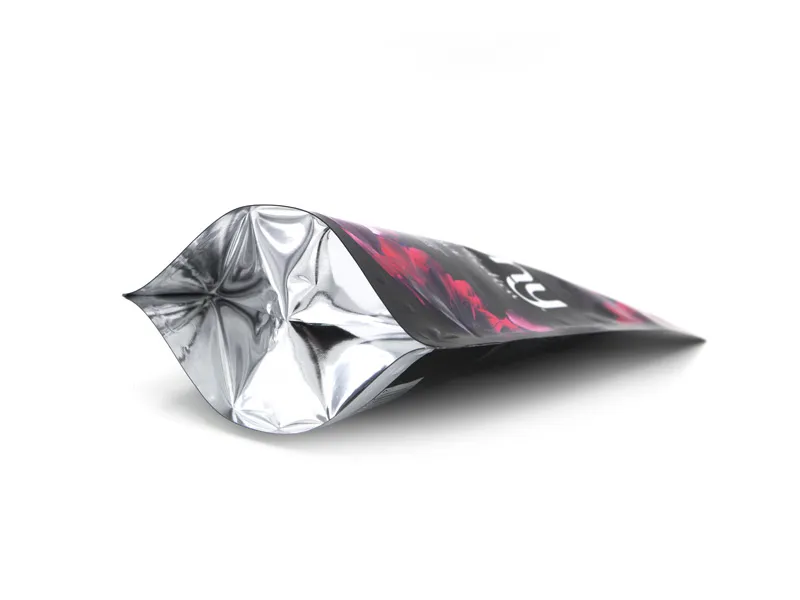
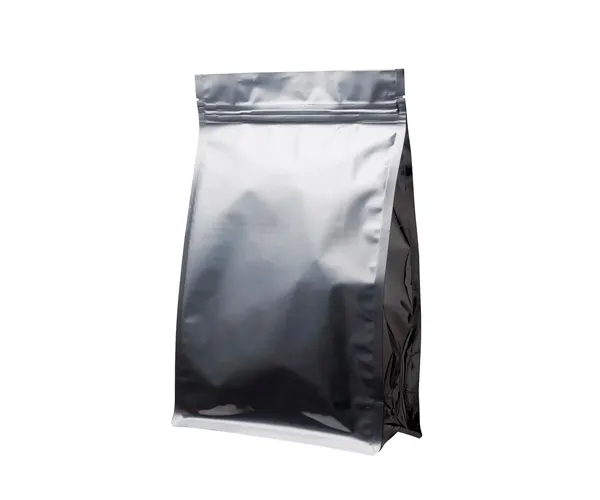
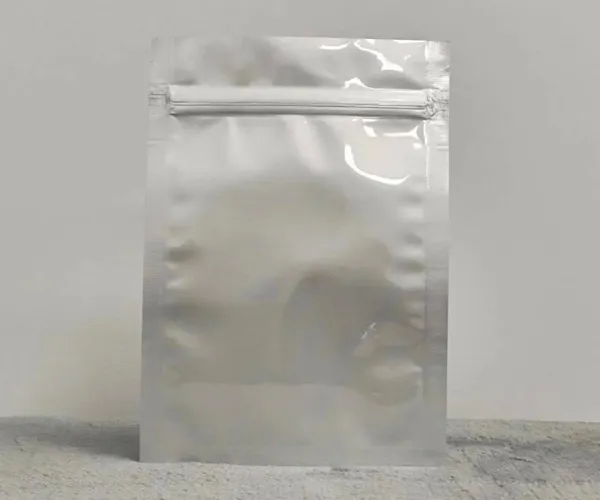
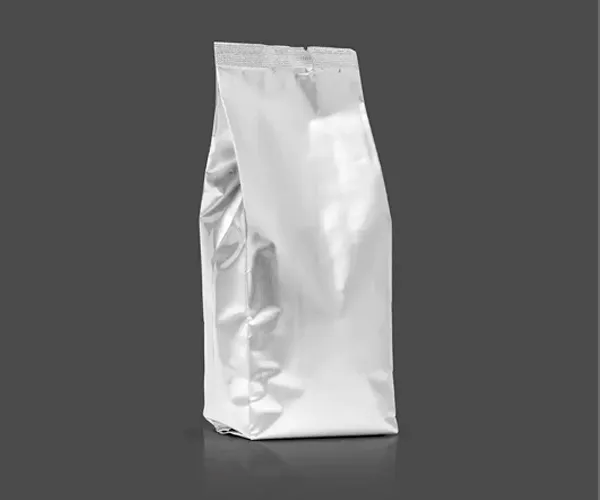
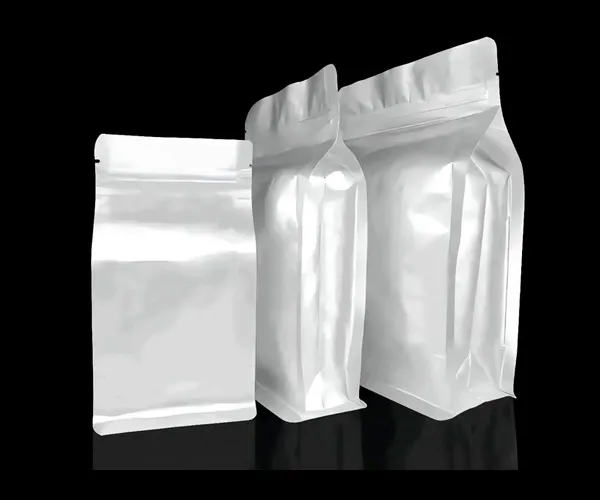
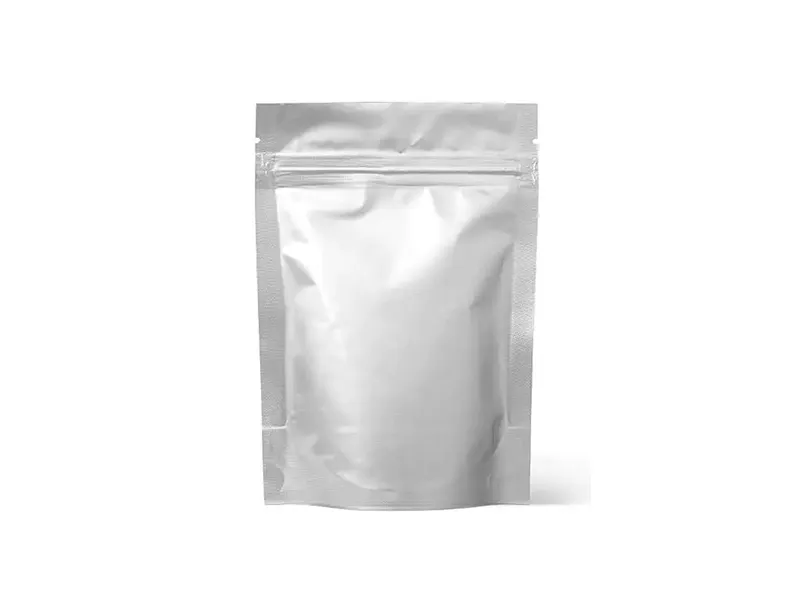
Aluminum foil pouches are typical multilayer composite materials. The common structures include:
Outer (protective/printing layer): Usually made of PET (polyester) or NY (nylon). It provides mechanical strength, wear resistance, and serves as the substrate for printing.
Middle layer (core barrier layer): AL (aluminum foil), typically with a thickness of 7-9 micrometers (μm). This is the core layer that achieves high barrier functionality.
Inner layer (heat sealing layer): Usually made of PE (polyethylene) or CPP (extruded polypropylene). It provides excellent heat sealing performance, ensures a secure seal, and comes into direct contact with the contents, meeting food or pharmaceutical hygiene standards.
Common structure examples:
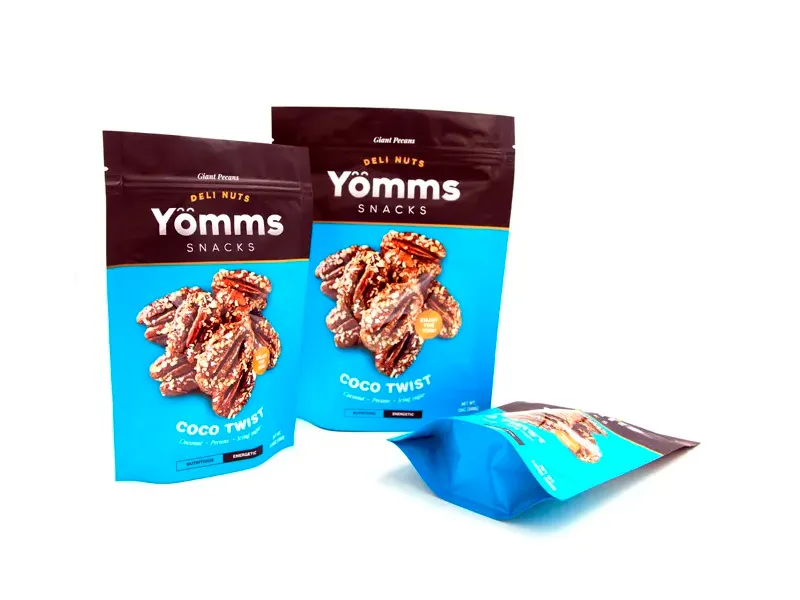
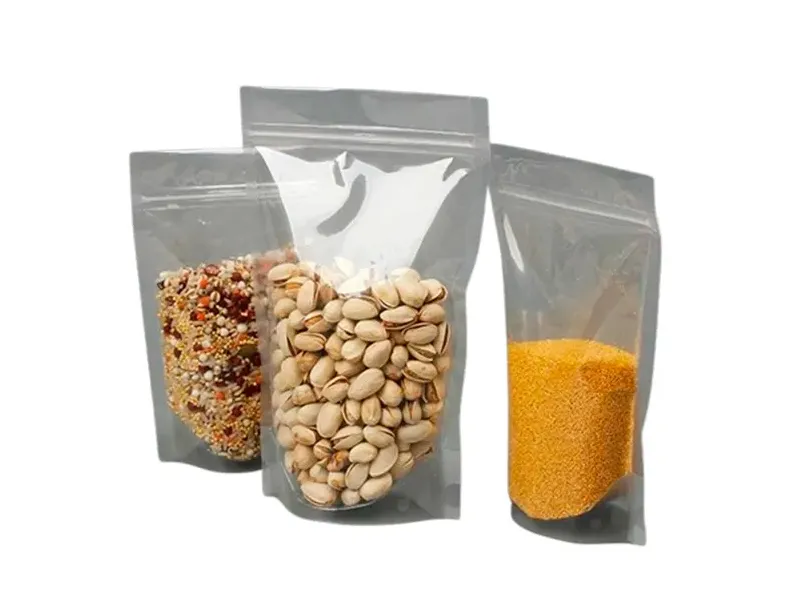
PET/AL/CPP: The most classic and universal structure, suitable for coffee, rice noodles, nuts, medicine, etc.
NY/AL/PE or NY/AL/CPP: Nylon offers better puncture resistance and toughness, suitable for foods with bones or sharp edges or heavy parts.
PET/AL/PE: Used for regular products with low requirements for high-temperature resistance.
The Application Fields of Aluminum Foil Pouches
Aluminum foil pouches, due to their outstanding protective properties, are widely used in fields where strict preservation conditions are required:
1. Food and Beverages:
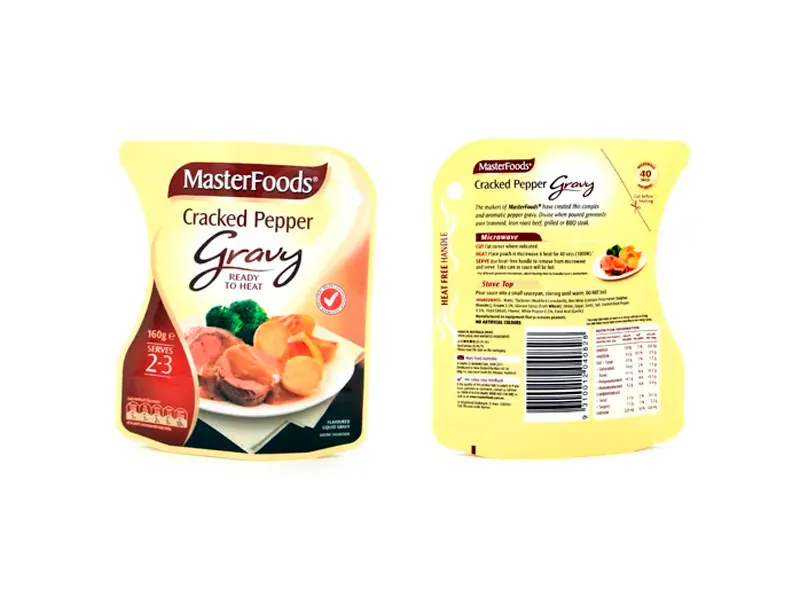
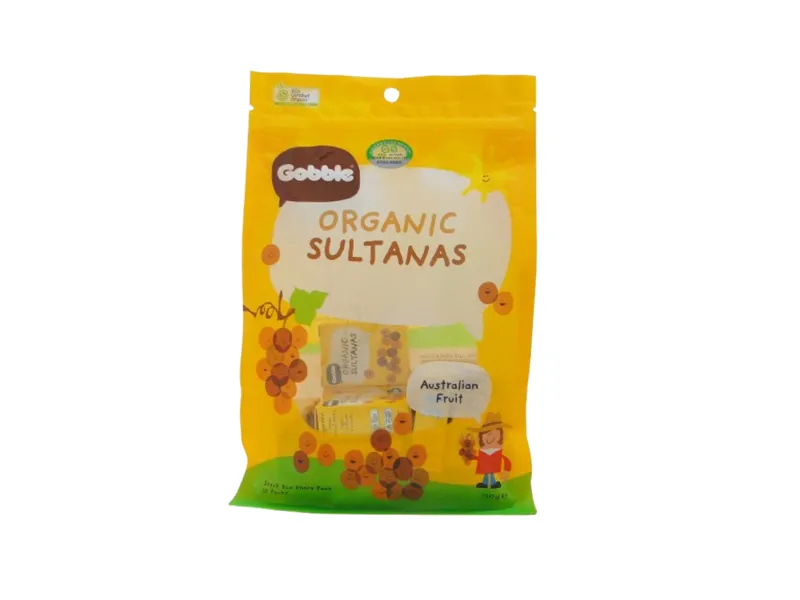
Products sensitive to oxygen: coffee beans/powder, nuts, fried foods, dried meat.
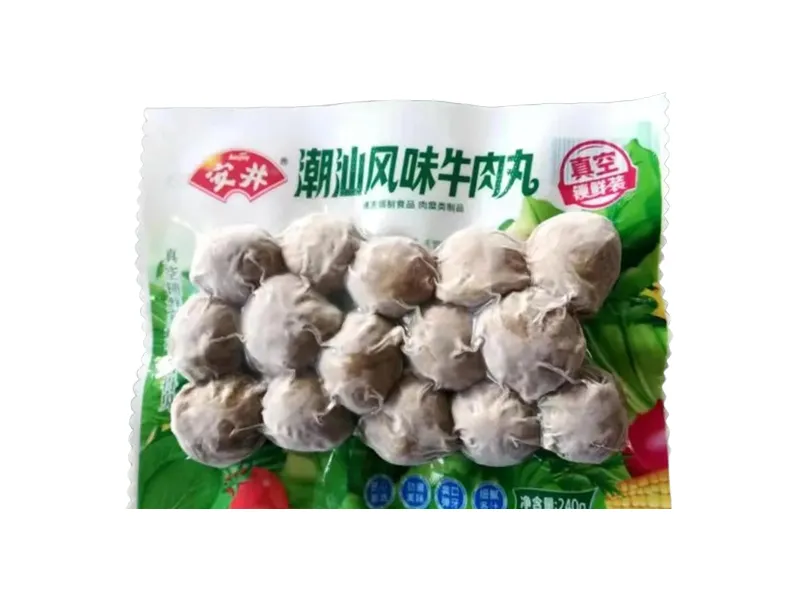
Foods requiring preservation and sterilization: high-temperature steaming bags, frozen foods.
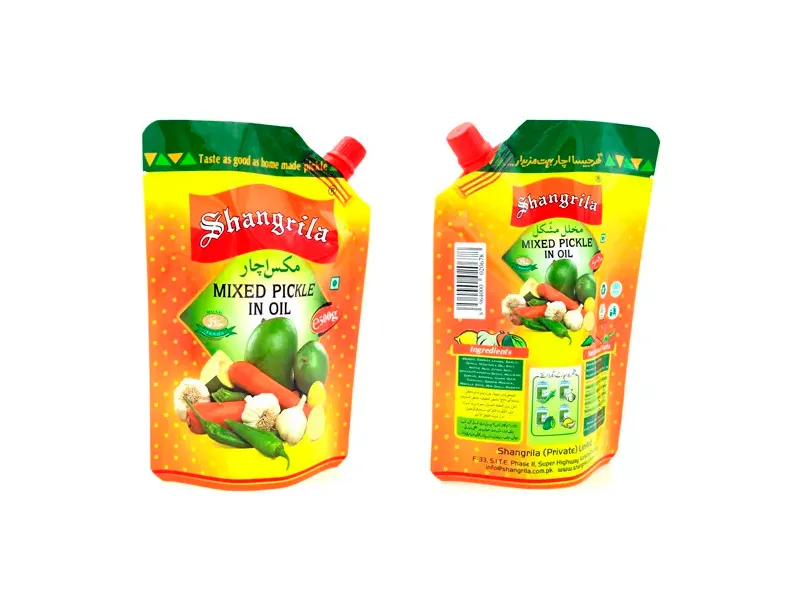
Seasonings: soup mixes, powdered seasonings.
2. Medicine and Health Care:
3. Industry and Electronics:
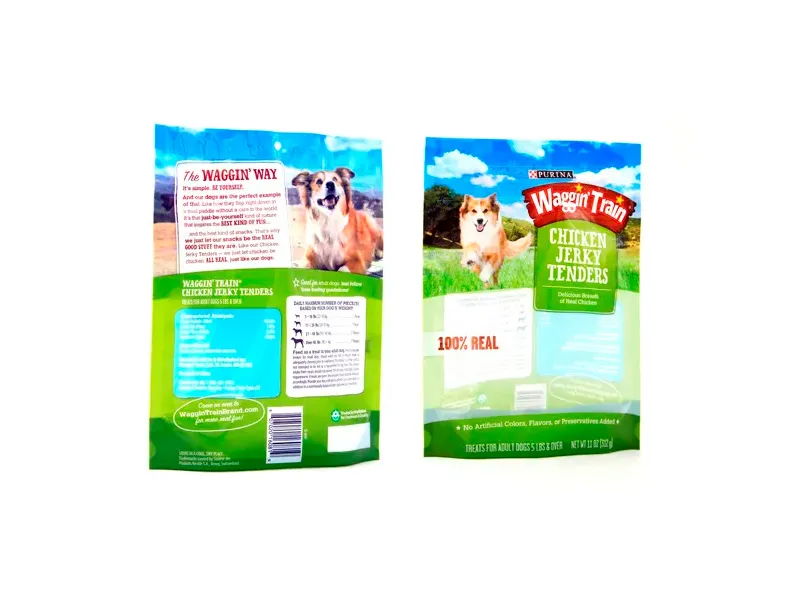
4. Pet Food:
What Ate the Advantages and Challenges of Aluminum Foil Pouches?
Advantages:
1. Comprehensive top-level protection: Aluminum foil pouch is one of the best-performing materials among soft packaging materials in terms of light-blocking, oxygen-blocking and moisture-proofing.
2. Extended shelf life: The aluminum foil pouch can significantly extend the shelf life of sensitive products.
3. Enhance brand trust: The thick texture and the "clicking" sound are often associated by consumers with "high quality", "freshness" and "safety".
4. Diverse functions: The aluminum foil pouch can adapt to various processing and storage conditions such as steaming, freezing, etc.
Challenge:
1. Higher cost: The use of aluminum foil material and complex composite processes results in higher costs compared to ordinary plastic packaging.
2. Limited flexibility, prone to damage: Aluminum foil is prone to developing pinholes or even breaking after repeated bending, which will damage its barrier properties. Therefore, sharp shapes and repeated twisting should be avoided during design.
3. Invisibility: The aluminum foil pouch cannot display the contents and must rely on external packaging printing to attract consumers.
4. Environmental and recycling issues: Multi-layer composite materials are difficult to separate and recycling and reuse are very challenging. Currently, they are mainly disposed of through landfill or energy conversion, resulting in significant environmental pressure.
 English
  中文
中文