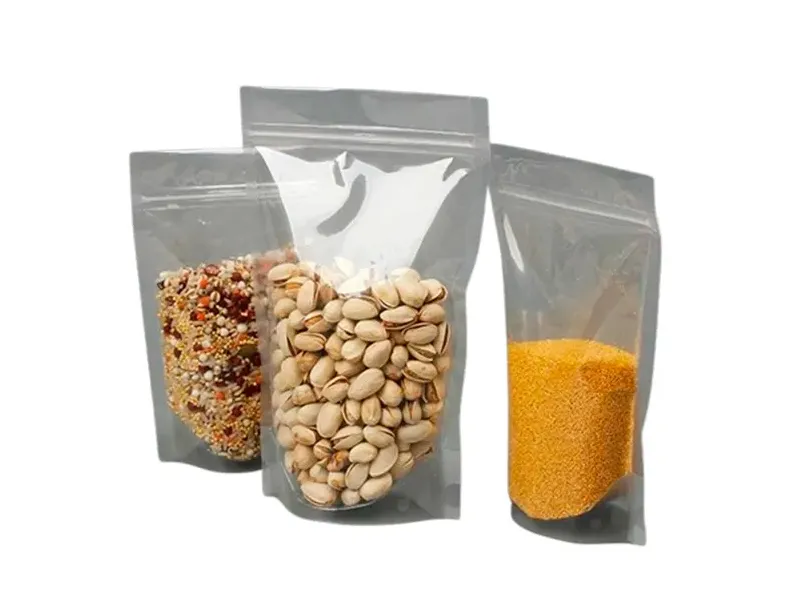
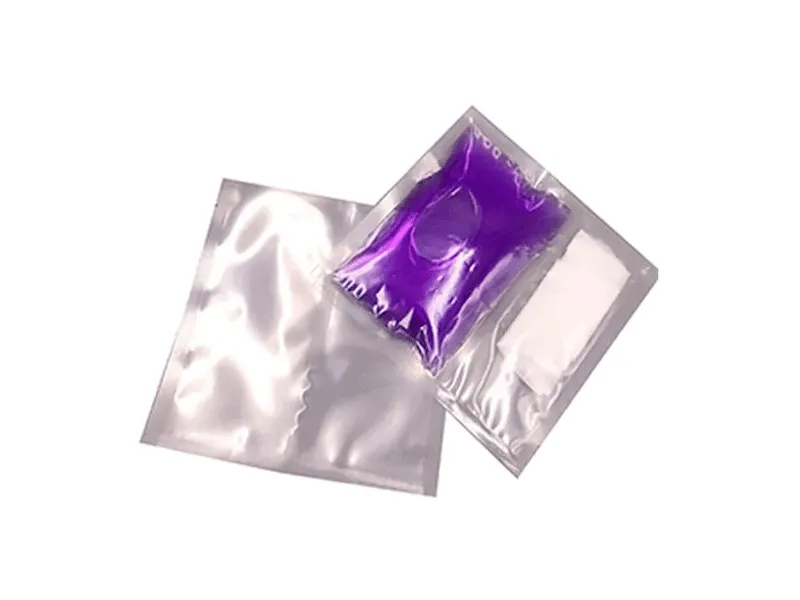
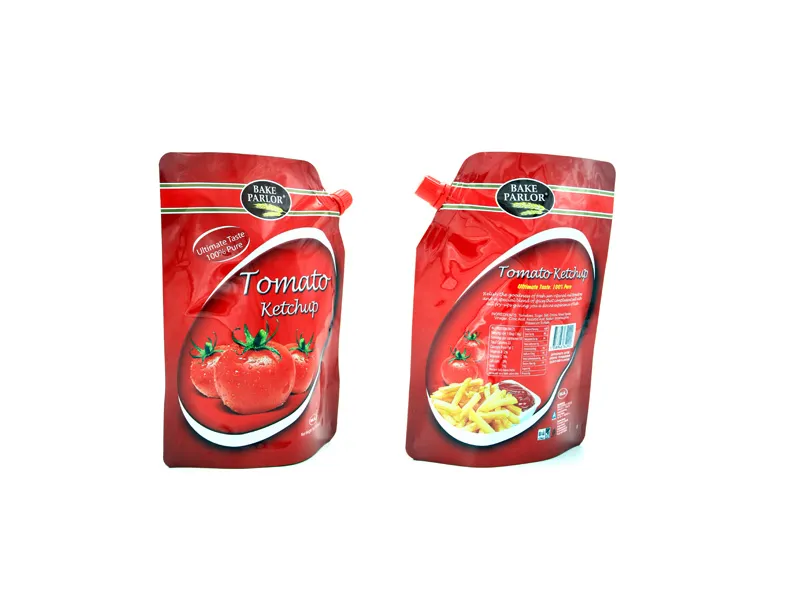
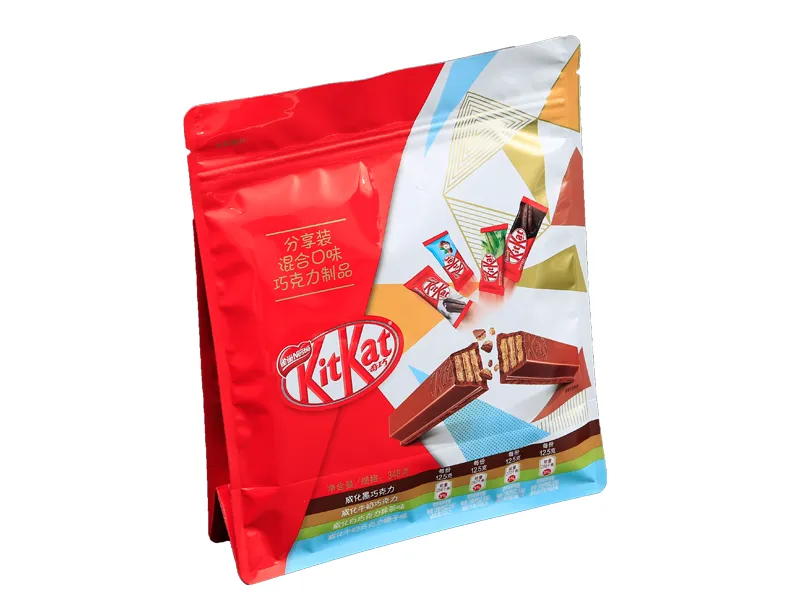
The Main Features and Advantages of High-Barrier Stand-Up Pouches
1. Excellent quality preservation performance:
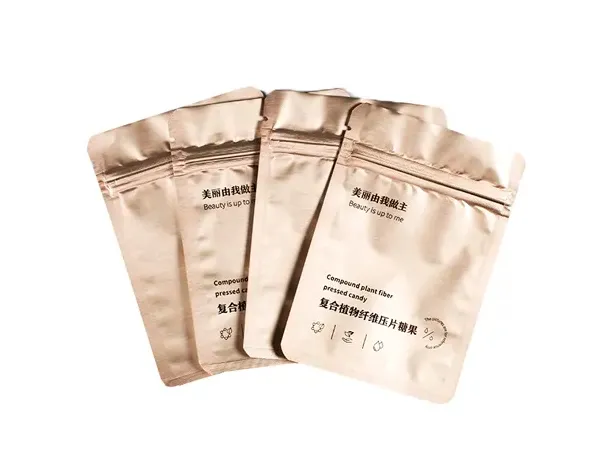
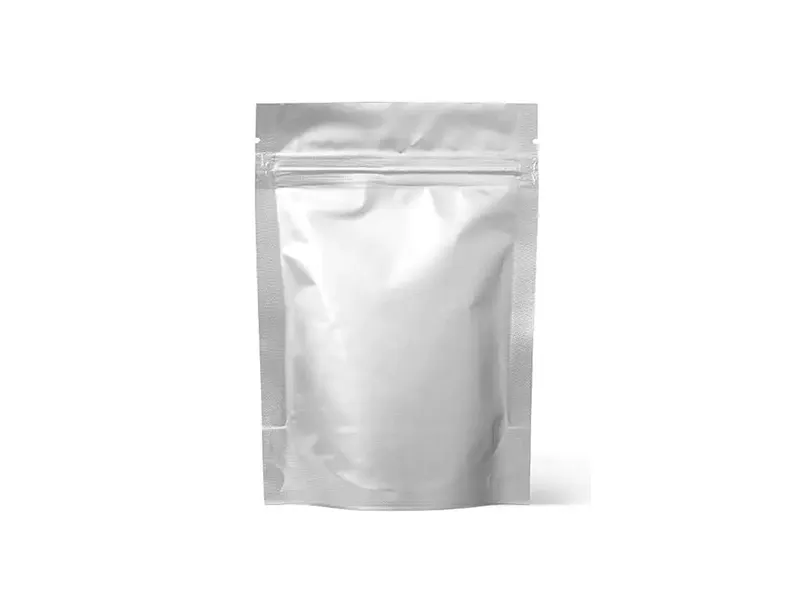
Extremely high barrier properties: These barrier stand-up pouches can effectively prevent product oxidation, moisture absorption, caking, and flavor loss.
Light-blocking: These barrier stand-up pouches can protect light-sensitive contents (such as oils and certain medicines).
2. Superior shelf display and convenience:
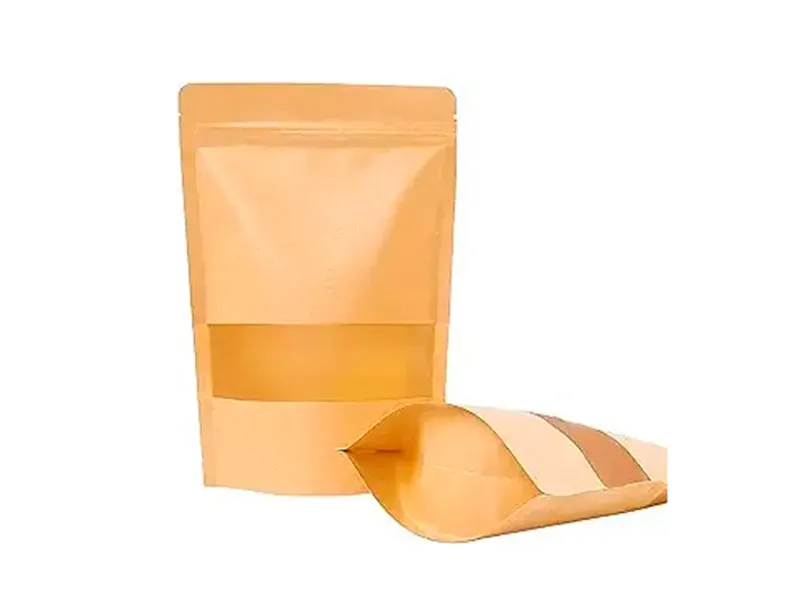
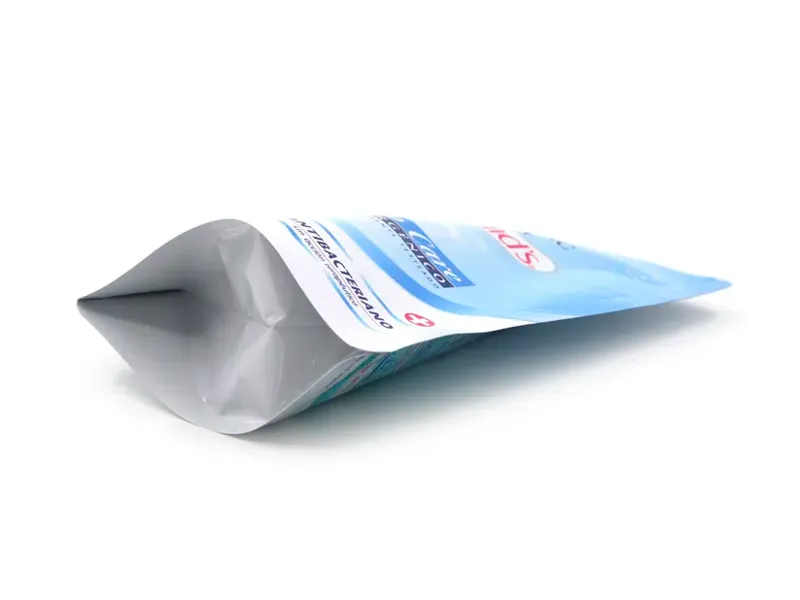
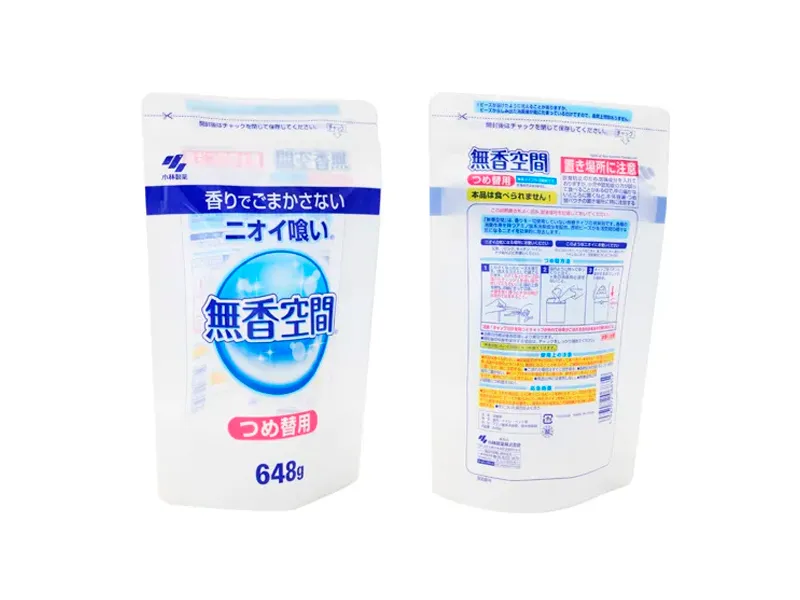
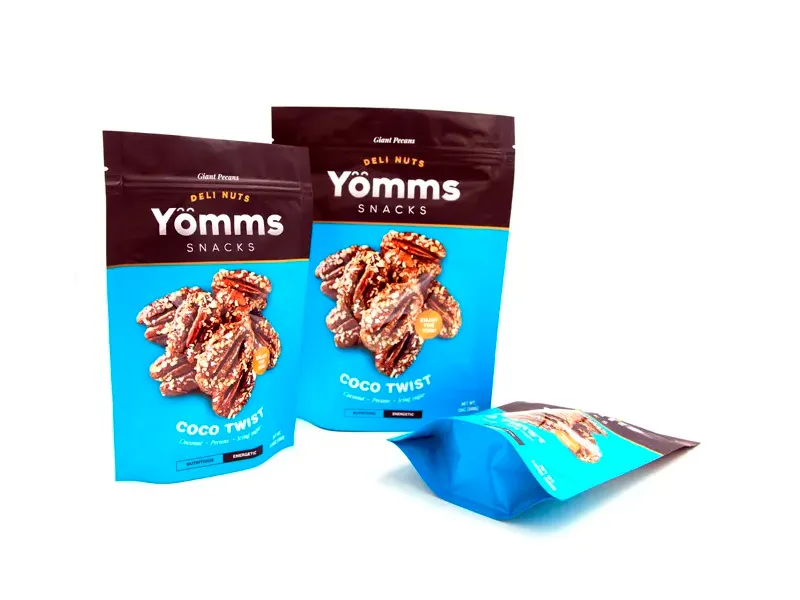
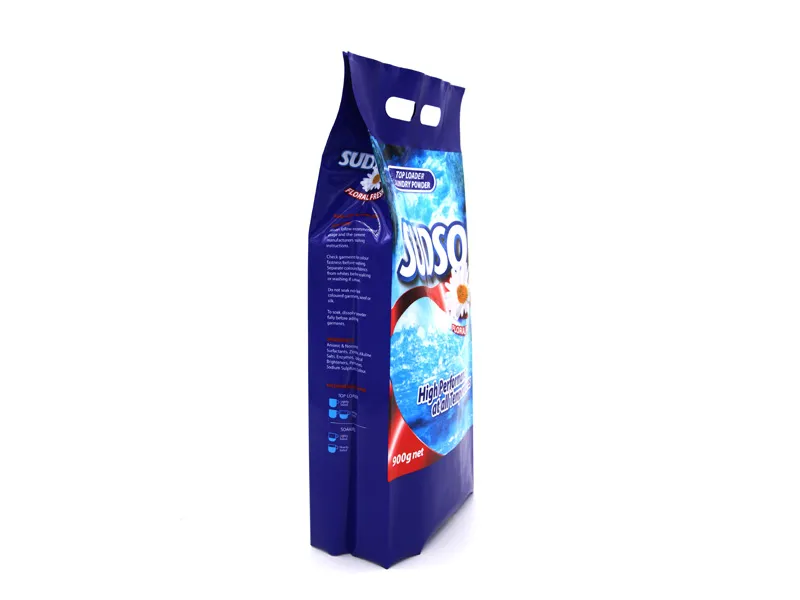
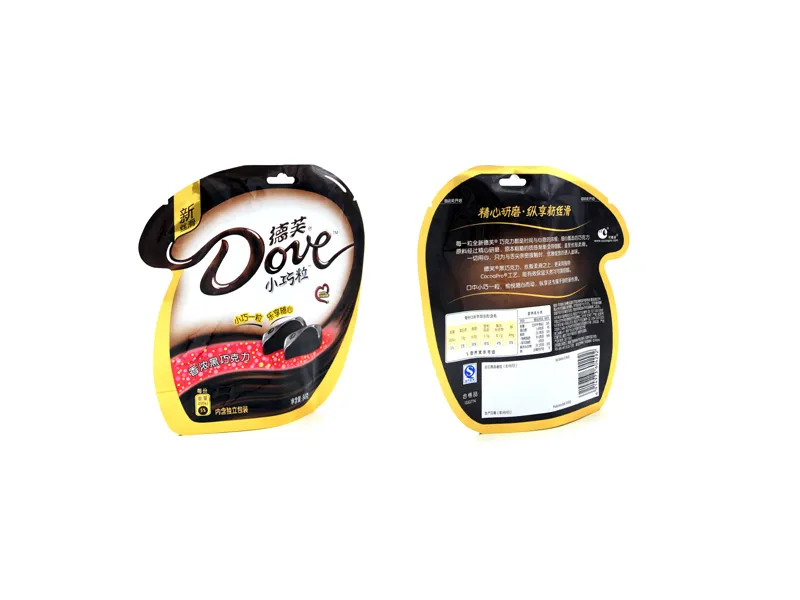
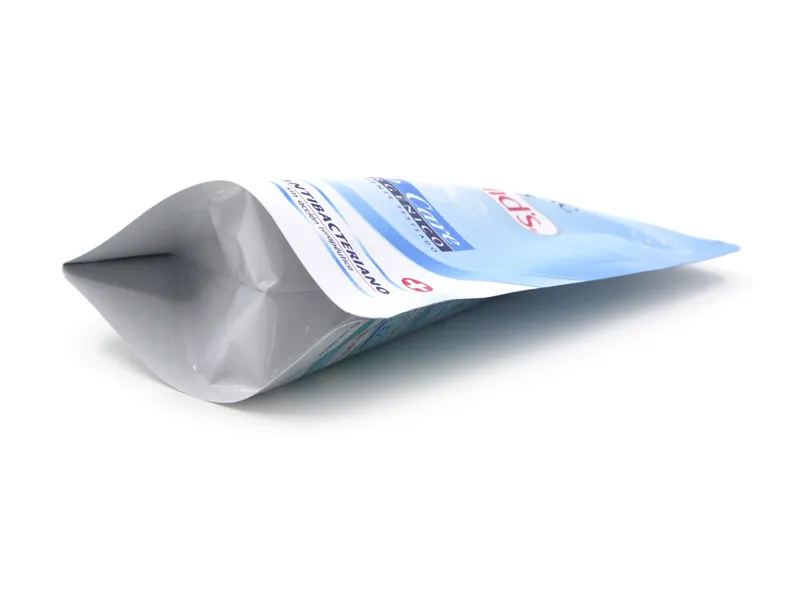
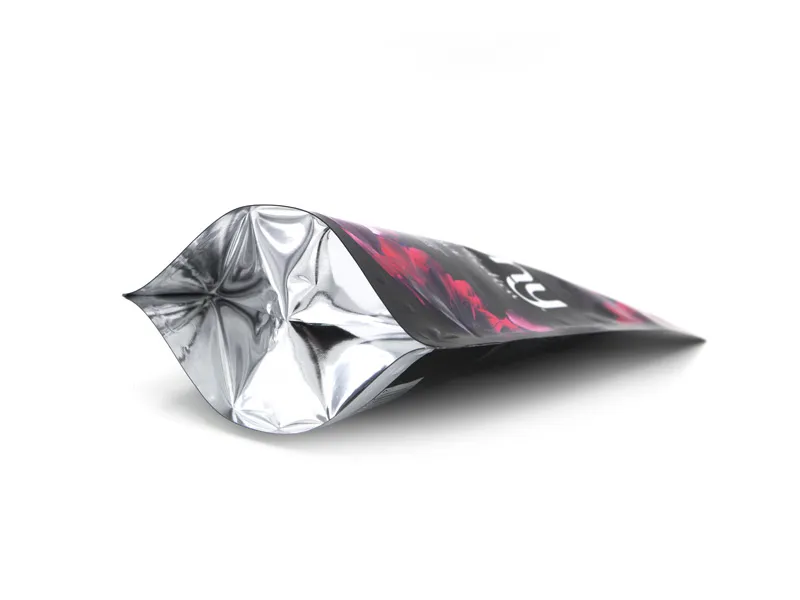
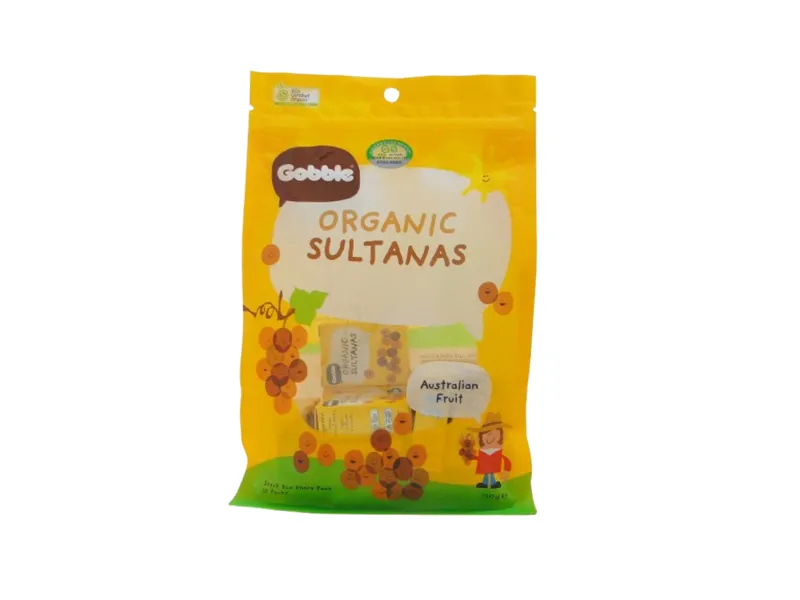
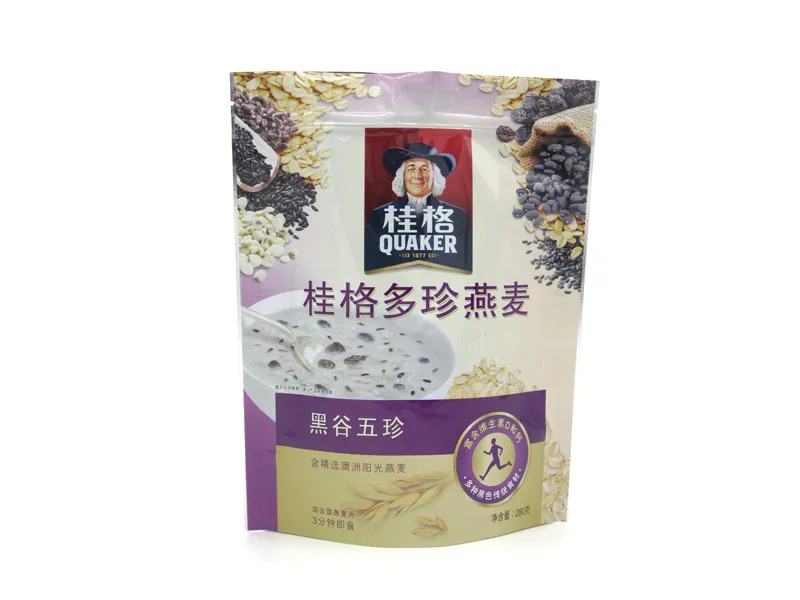
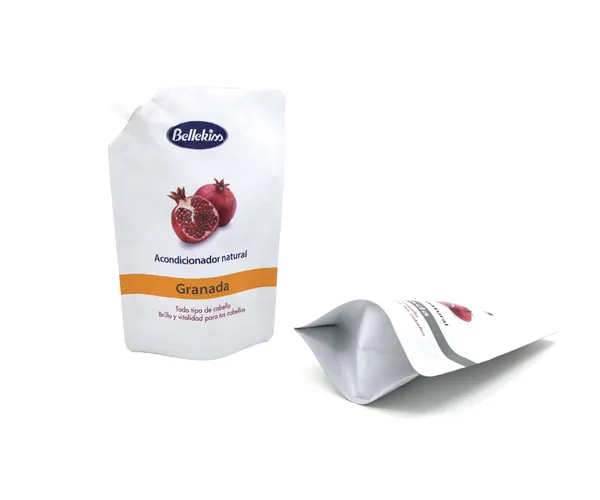
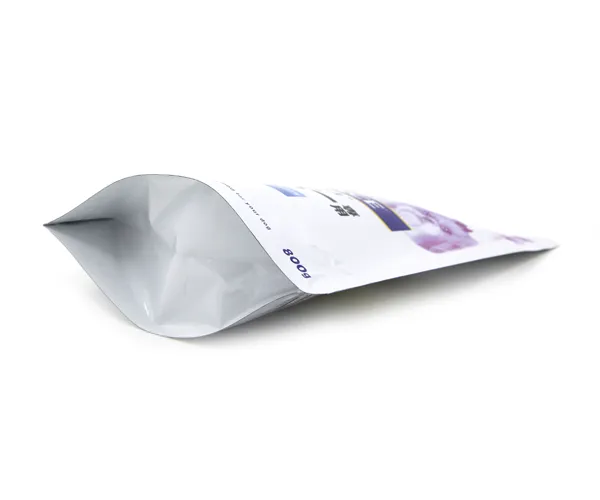
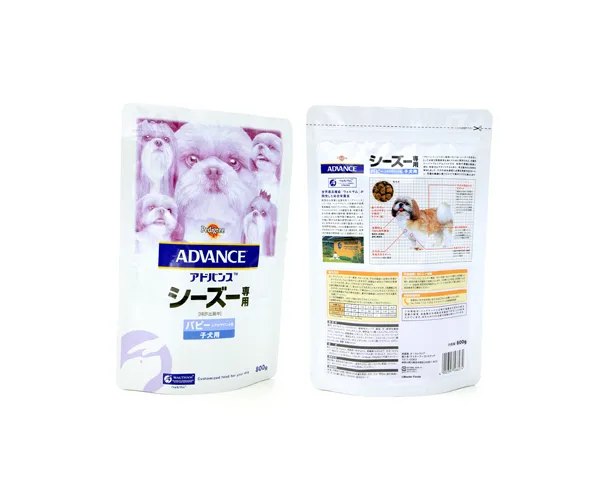
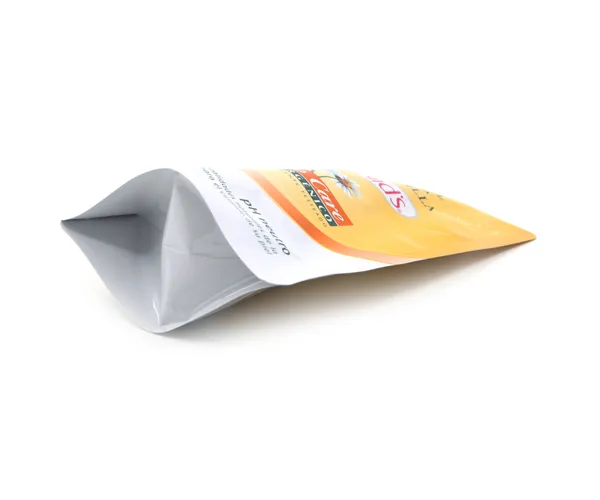
Self-standing: Outstanding display effect, more upscale, and easy for consumers to take.
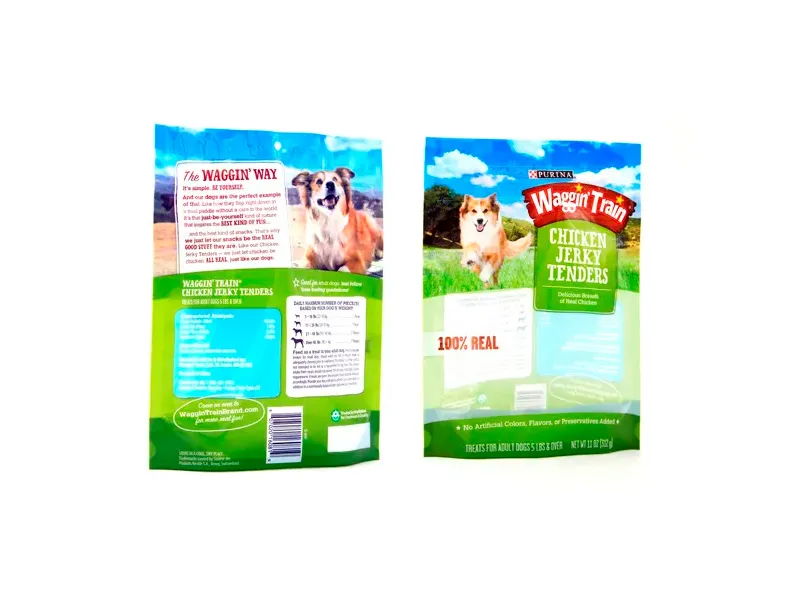
Large printing area: These barrier stand-up pouches provide strong brand promotion and visual impact.
Convenient sealing design: These barrier stand-up pouches are usually equipped with zippers, allowing for multiple uses and resealing to keep contents fresh.
3. Enhanced user experience and functionality:
Easy-tear opening: These barrier stand-up pouches facilitate consumers to open easily.
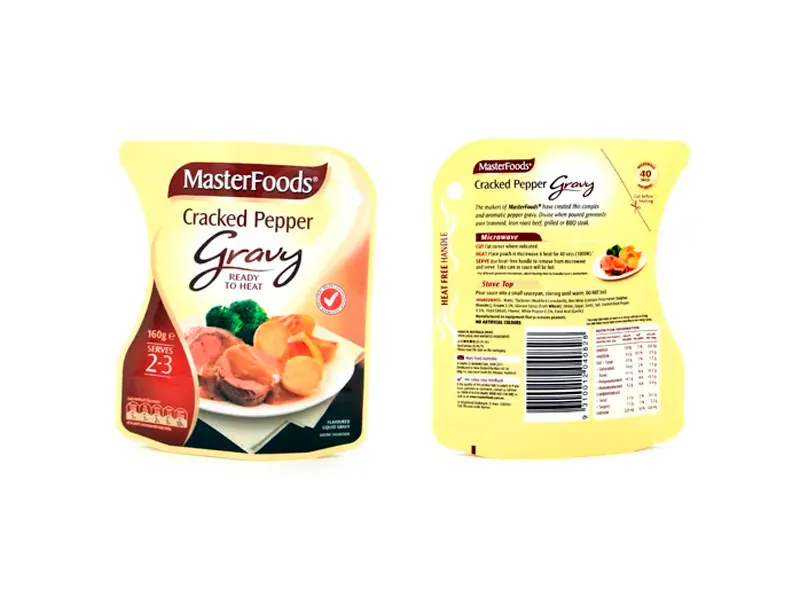
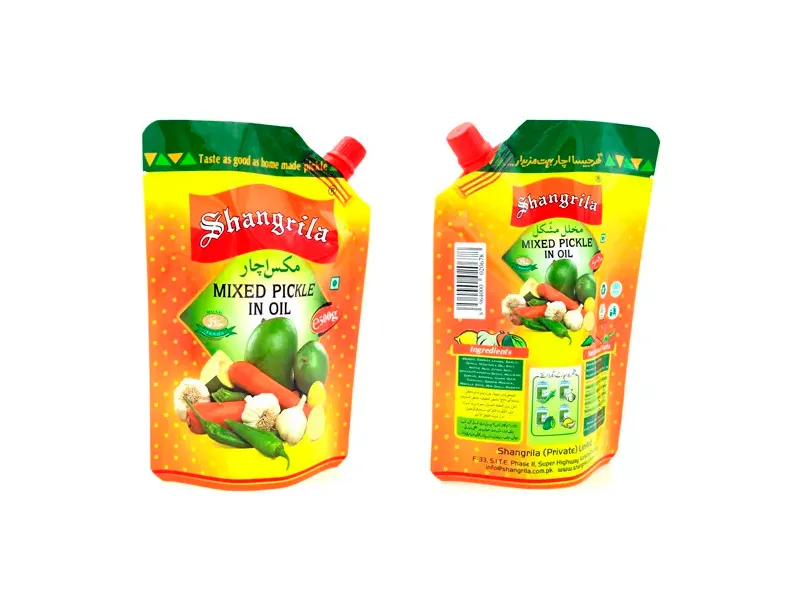
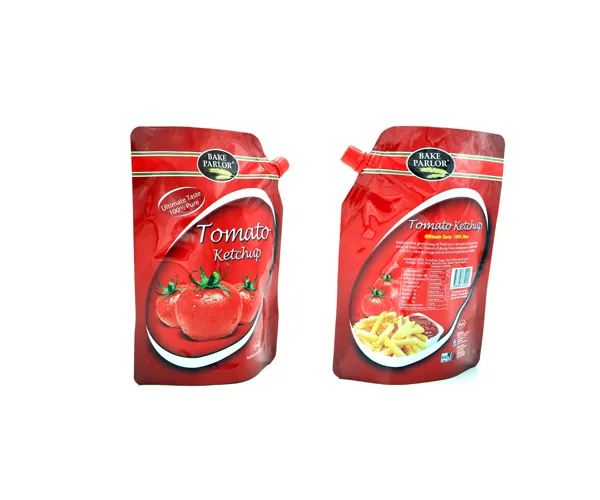
Stand-up pouch with spout: These barrier stand-up pouches are equipped with screw caps or spouts, convenient for pouring liquids, powders, or pastes, widely used in beverages, detergents, etc.
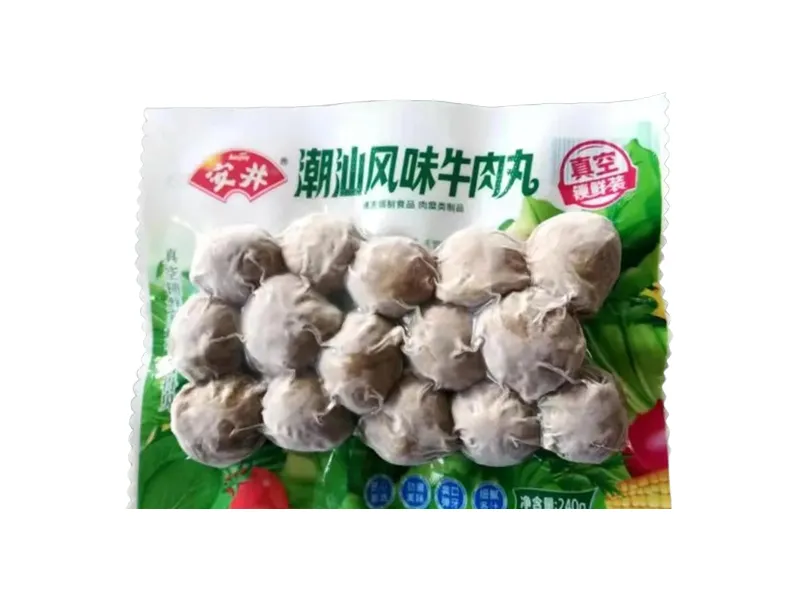
Microwaveable/boilable: Some high-barrier stand-up pouches are heat-resistant, allowing consumers to heat directly.
4. Lightweight and cost-effective:
The barrier stand-up pouch is lighter than rigid packaging such as glass jars and metal cans, significantly reducing logistics and transportation costs.
High packaging efficiency, saving storage space.
How Does a High-Barrier Stand-Up Pouch Achieve "High Barrier"?
The performance of a barrier stand-up pouch comes from its multi-layer composite structure. Each layer has a specific function:
A typical high-barrier structure might look like this:
1. Outer layer (Substrate/Print Layer)
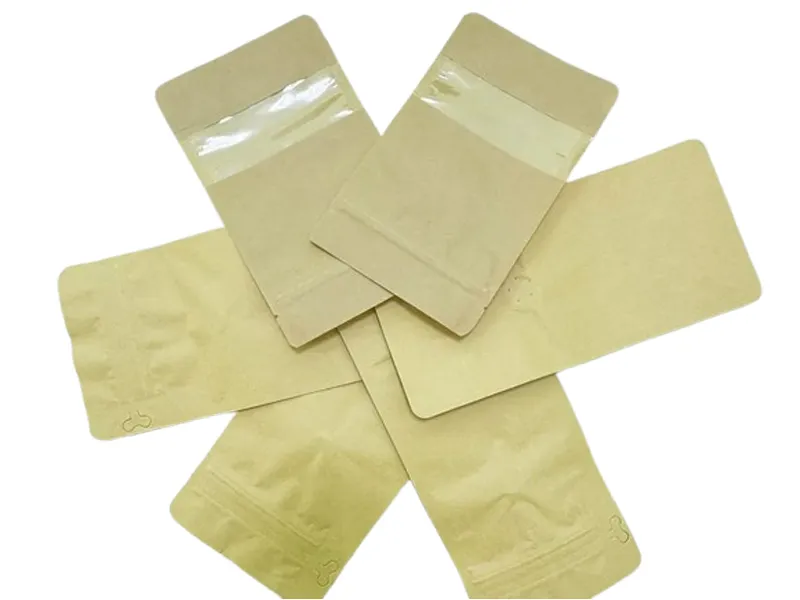
Materials: BOPET (Polyester), BOPP (Polypropylene), Nylon (PA), or Paper.
Function: Provides mechanical strength, puncture resistance, and a high-quality surface for vibrant printing and graphics.
2. Intermediate barrier layer (core functional layer)
Materials:
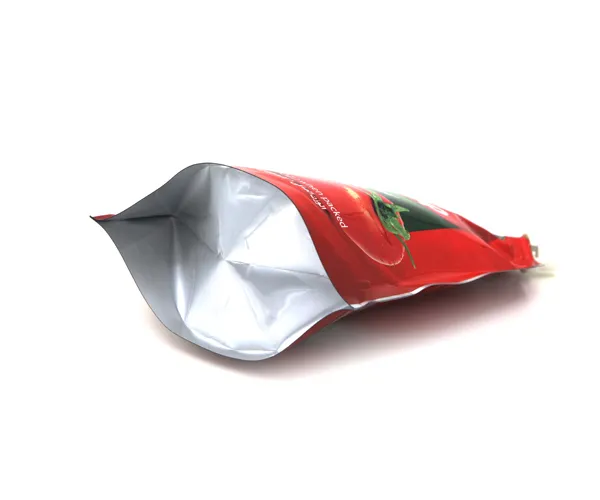
Aluminum Foil (Al): Provides an absolute barrier against light, oxygen, and moisture. Common for coffee, pharmaceuticals, and sensitive supplements.
Transparent Barrier Films: SiOx or AlOx coated films (e.g., KPET or KOPP) offer excellent, see-through oxygen and moisture barriers. EVOH is a high oxygen barrier, often used as a middle layer in retort applications.
Function: This is the critical layer that determines the pouch's shelf-life extension capabilities.
3. Inner layer (heat seal layer)
Materials: Polyethylene (PE) or Cast Polypropylene (CPP).
Function: Provides a safe, food-grade inner surface that can be heat-sealed to form the pouch's seams and create a strong, airtight closure.
These layers are bonded together using lamination processes like dry laminating or extrusion laminating.
 English
  中文
中文