What Structure and Types of Kraft Pouch Can Be?
According to their structure and function, kraft pouches can be mainly classified into the following categories:
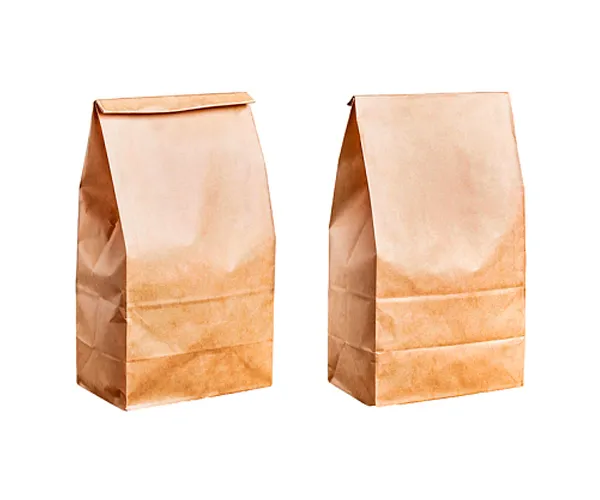
Pure kraft pouches:
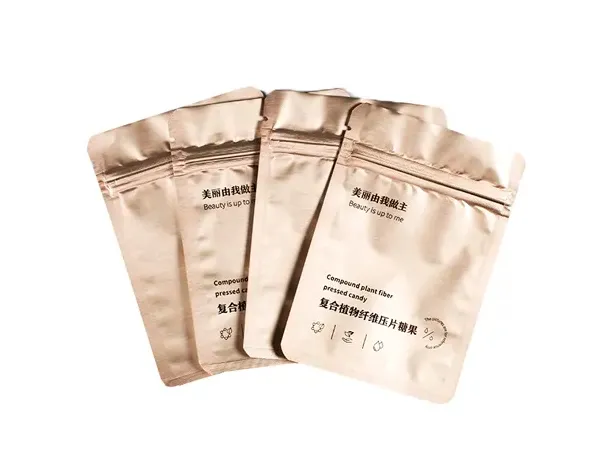
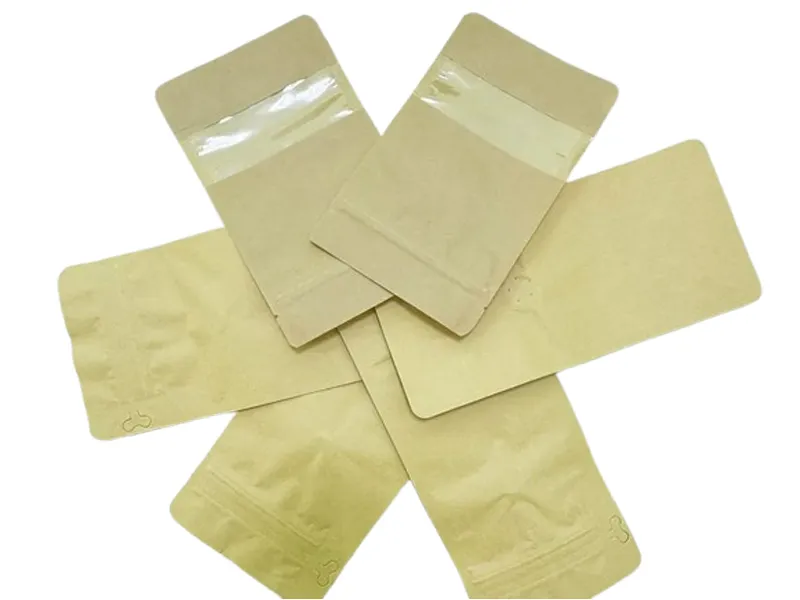
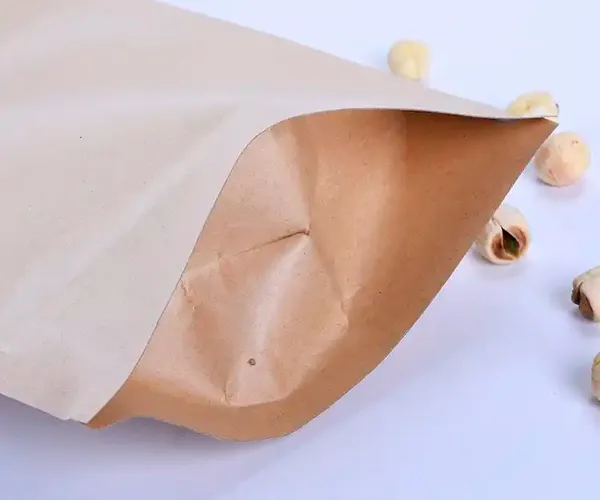
Made of single or multiple layers of kraft paper, sealed by sewing or gluing. These kraft pouches have high strength but are not moisture-proof or leak-proof. These kraft pouches are commonly used for packaging flour, sugar, coffee beans (for short-term use), hardware parts, etc.
Kraft paper composite bags:
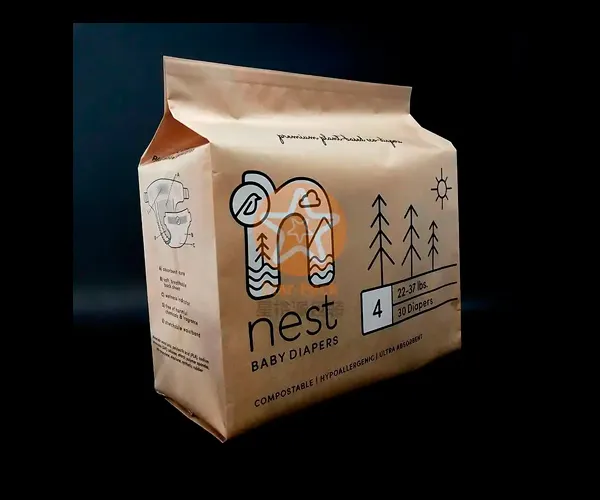
This is the mainstream form of functional kraft pouches. By laminating a plastic film on the inner layer of kraft paper, it gives these kraft pouches new properties.
Common structures: Kraft Paper/PE or Kraft Paper/AL/PE.
This structure enables these kraft pouches to be moisture-proof, oil-proof, and heat-sealable, and can be used for packaging food with shelf life requirements, pet food, etc.
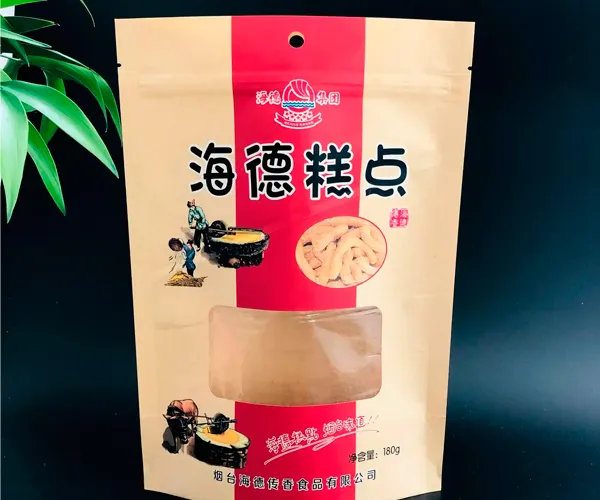
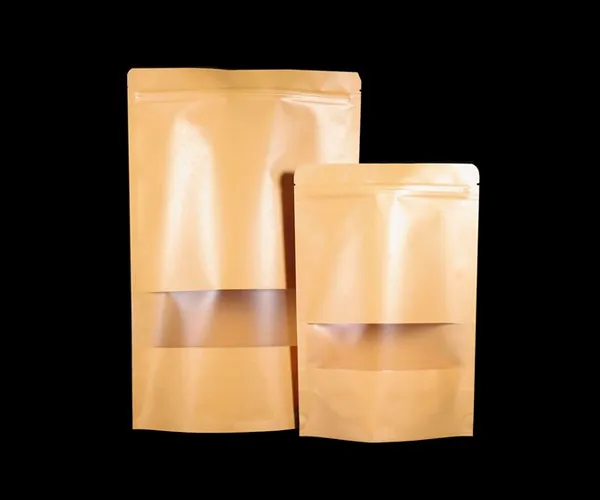
Self-standing kraft pouches:
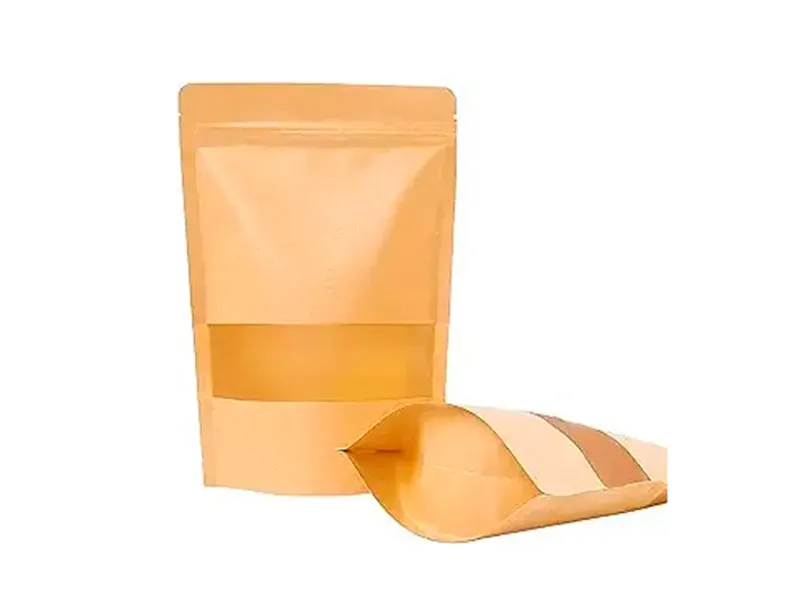
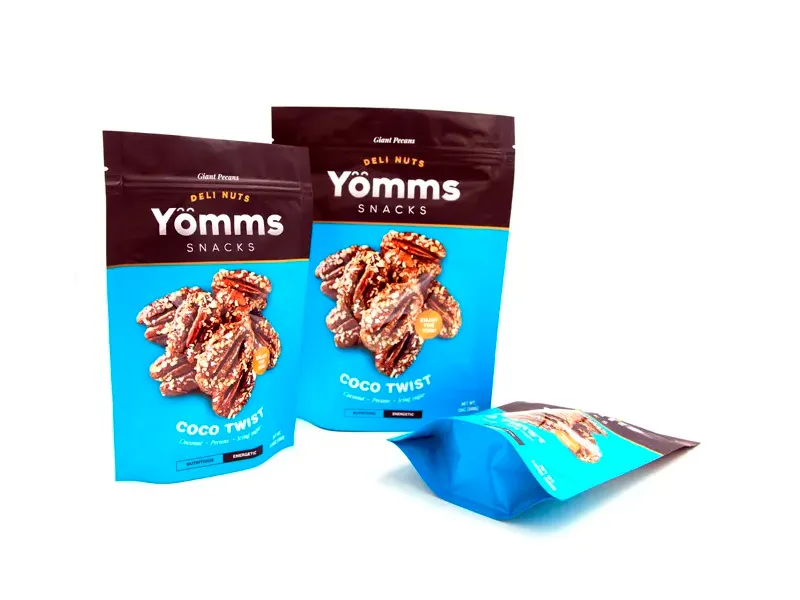
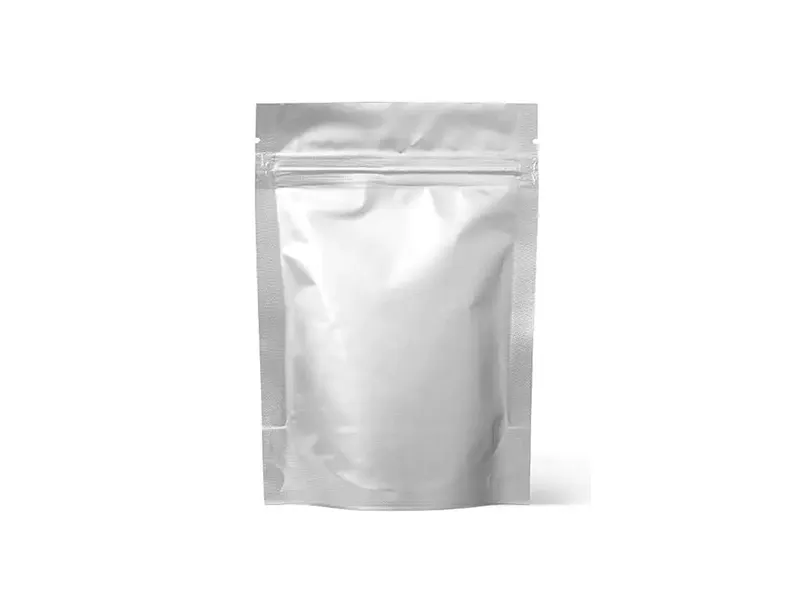
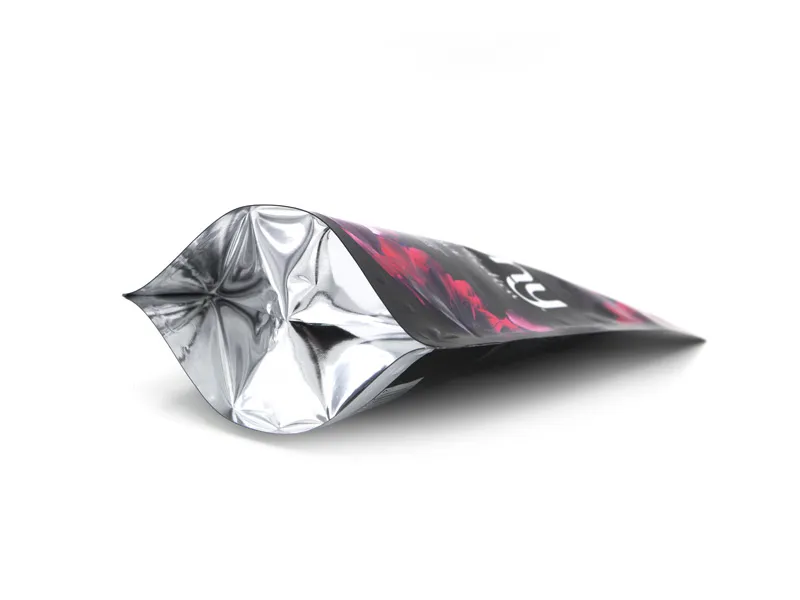
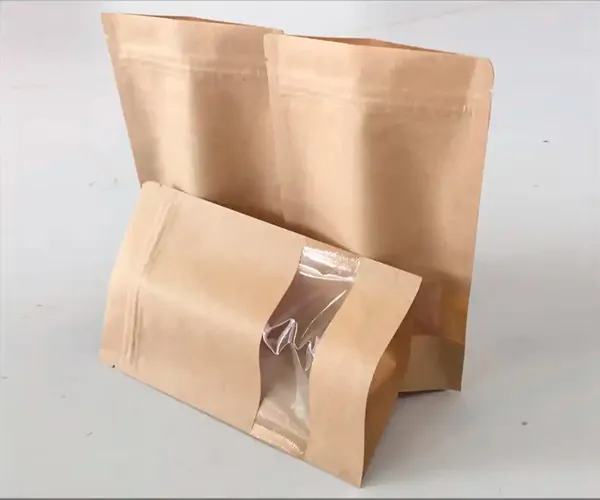
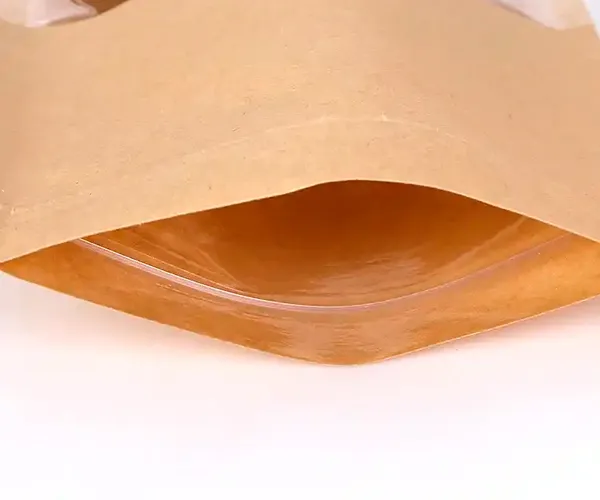
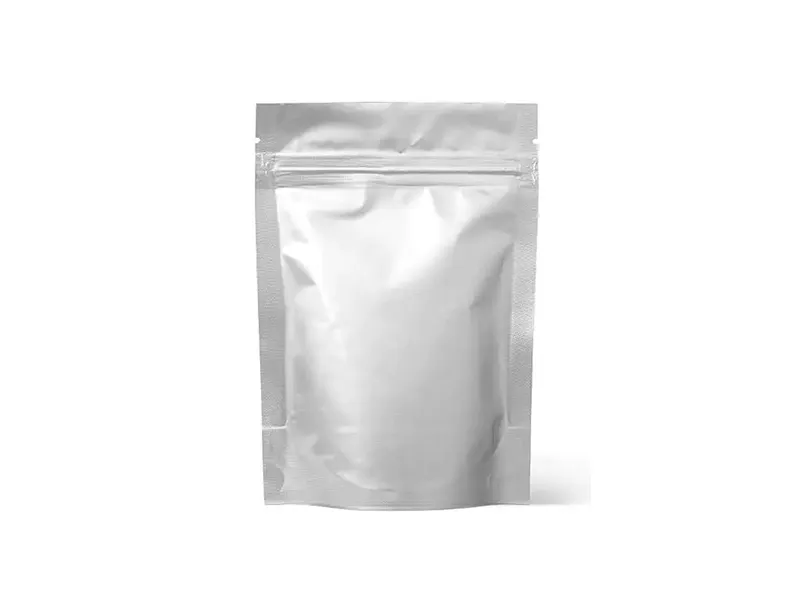
By combining kraft paper with a moisture-proof heat-seal layer, a bag with a self-standing structure at the bottom is formed. These kraft pouches combine the appearance of kraft paper with the convenience of modern flexible packaging, and is a popular choice for high-end snacks, coffee, and tea.
Zipper kraft pouches:
What Are the Application Areas of Kraft Pouch?
Kraft pouches have a wide range of applications, especially suitable for products that need to convey an environmentally friendly, natural, handmade or high-end brand image:
1. Food and Beverages:
Coffee beans/powder: Standard packaging for the coffee industry, often featuring a one-way exhaust valve.
Baked goods: Bread, flour, powdered sugar.
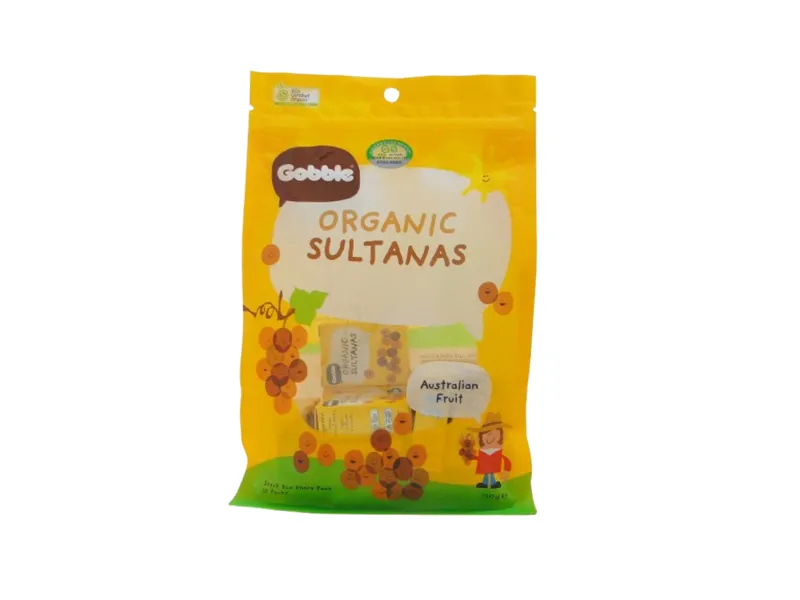
Snacks: Potato chips, nuts, candies (especially organic or natural foods).
Tea industry: Kraft pouches convey a sense of nature and origin.
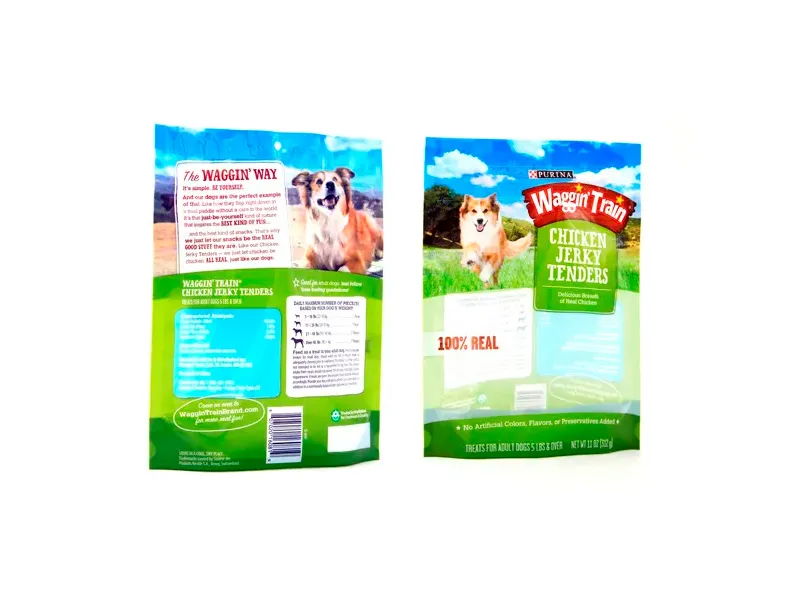
Pet food: High-end natural feed.
2. Retail and Shopping:
3. Cosmetics and Personal Care:
Kraft pouches are used for packaging soap, bath salts, handmade skin care products, emphasizing their natural ingredients.
4. Industry and Hardware:
Kraft pouches are used for packaging hardware parts, automotive parts, etc., taking advantage of their high strength and wear resistance.
What Are the Advantages and Challenges of Kraft Pouches?
Advantages:
1. Powerful brand narrative: The natural appearance directly links to concepts such as "sustainability", "health", and "handmade".
2. Deeply rooted environmental image: Kraft pouch is a powerful tool for the brand to showcase its environmental responsibility.
3. High strength and durability: Kraft pouch provides excellent physical protection.
4. High consumer appeal: Many consumers believe that kraft pouch is more advanced and responsible than plastic packaging.
Challenge:
1. Poor inherent barrier properties: Pure kraft paper is not moisture-proof, oil-proof, and has poor gas barrier. It needs to be solved through coating or compounding, but this will reduce its environmental friendliness.
2. Printing limitations: Kraft pouch is not suitable for complex patterns that require high precision and full color. The design style is limited by kraft pouch's own color and texture.
3. Cost considerations: The cost of high-quality kraft paper and compounding processes may be higher than that of ordinary plastic packaging.
4. Weighing the environmental impact: Once coated, kraft pouch's recyclability and degradability will be greatly reduced.
 English
  中文
中文