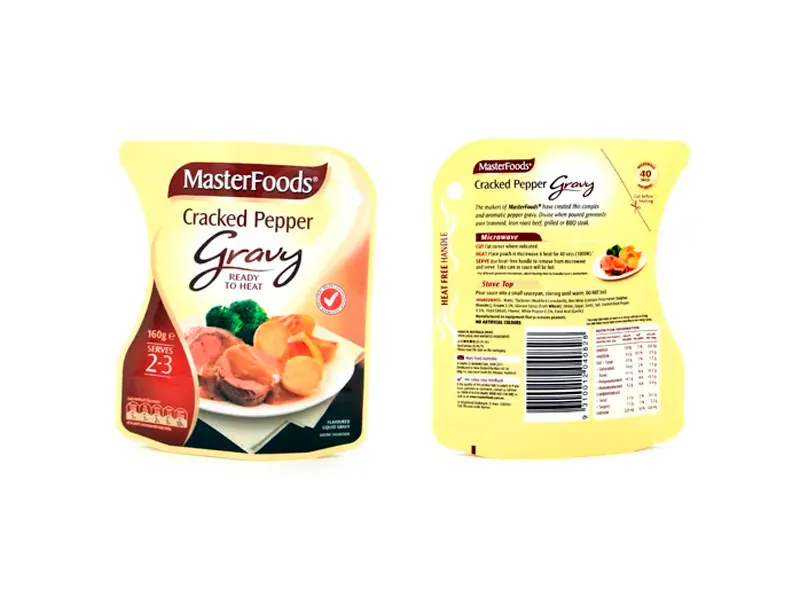
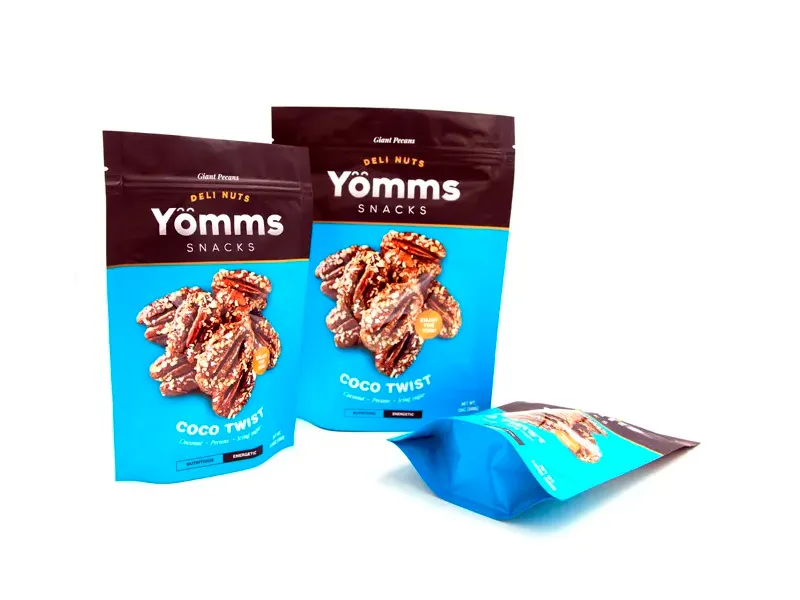
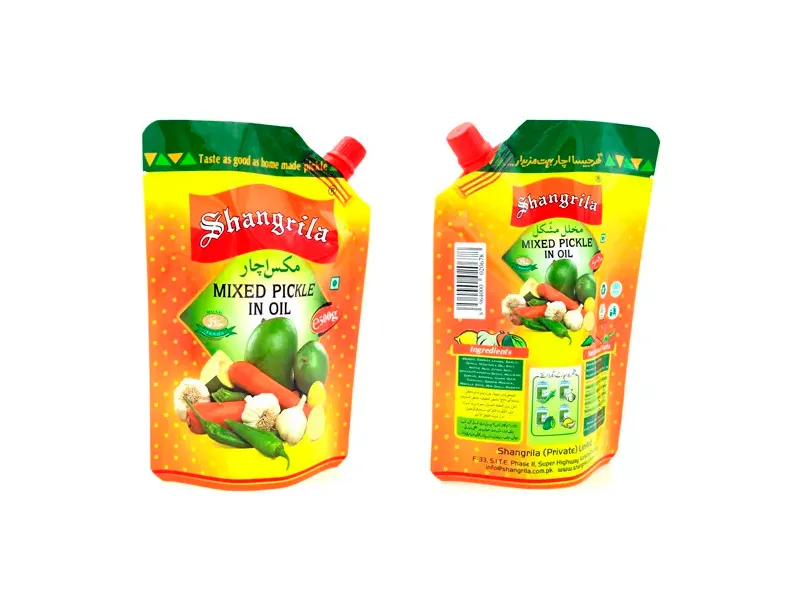
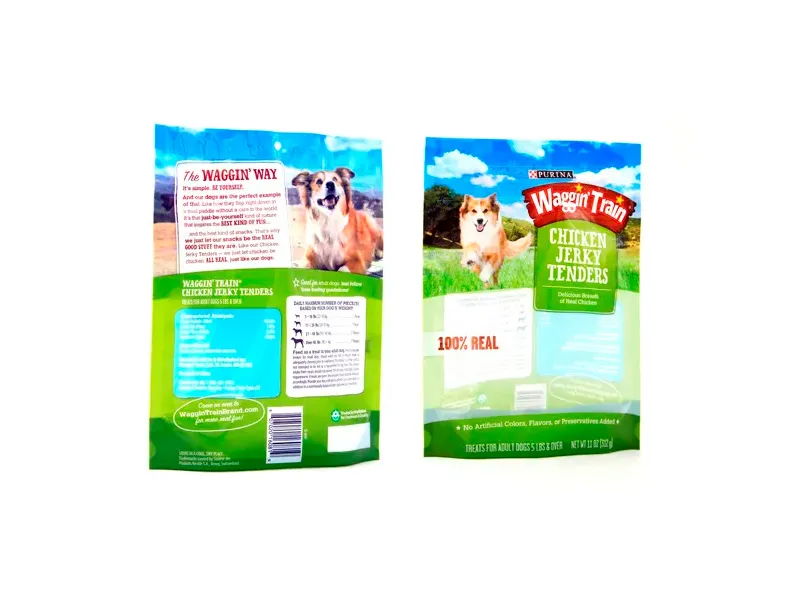
This is a key indicator, including oxygen permeability and water vapor permeability.
Dry laminating: The most traditional and widely used process. It uses solvent-based glue to coat a layer of film, dry it, and then bond it with another layer of film. The advantages are wide applicability of materials and high strength; the disadvantages are the presence of solvent residues and environmental pollution risks.
Solvent-free laminating: The current mainstream and trend. It uses 100% solid content glue and directly bonds at room temperature. The advantages are environmental friendliness, no solvent residues, fast speed, low cost, and higher safety.
Co-extrusion laminating: Through multiple extruders, different types of molten plastics are simultaneously extruded from one die to form a multi-layer integrated structure. The advantages are strong interlayer bonding, no use of glue, high cost-effectiveness; the disadvantages are that when the number of layers is too many, the technical difficulty increases, and usually it cannot contain aluminum foil or paper.
The structure of the composite membrane can be flexibly designed according to the requirements. Common examples include:
Structure Example | Main Functions and Features | Typical Applications |
BOPP/PE | Economical and practical, moisture-proof, heat-sealable | Cookies, candies, lightweight packaging |
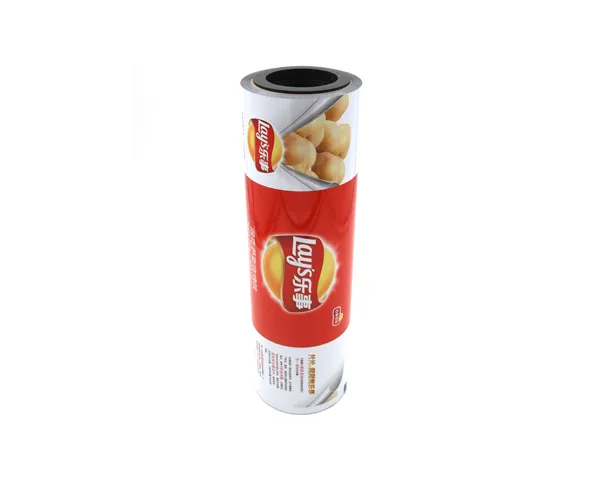
PET/VMPET/PE | High barrier, metallic luster, storage-resistant | Potato chips, coffee, milk powder |
PET/AL/CPP | Ultra-high barrier, light-shielding, high-temperature resistant | Pharmaceuticals, seasonings, high-end snacks |
PET/AL/PA /CPP | Extremely strong toughness, puncture-resistant, steaming-resistant | Pet food, heavy-duty packaging, military rations |
This is a key indicator, including oxygen permeability and water vapor permeability.
These include tensile strength, elongation at break, tear strength, and puncture resistance.
This includes heat sealing strength and the temperature range for heat sealing, which directly affect packaging efficiency and sealing reliability.
It must comply with national regulations for food-contact materials to ensure no toxic substances are leached.