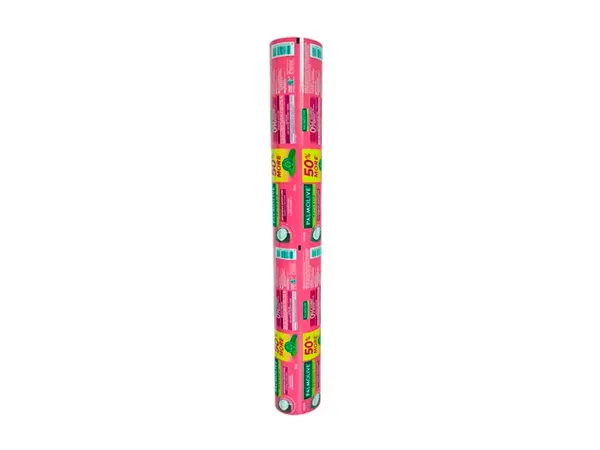
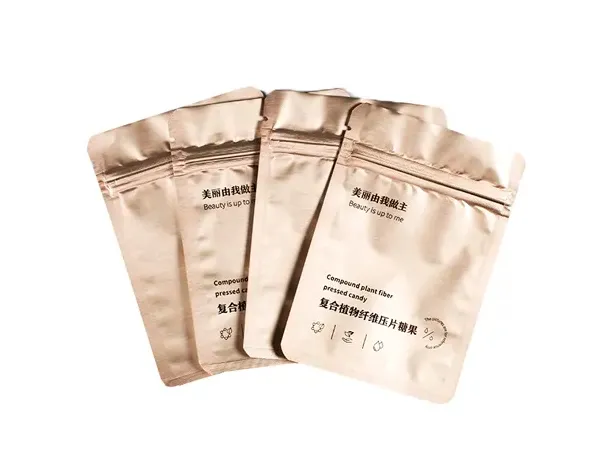
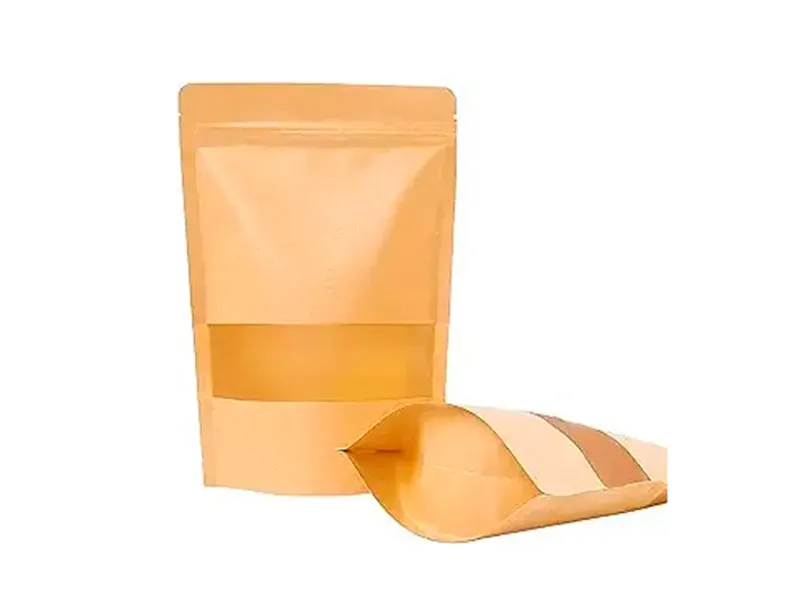
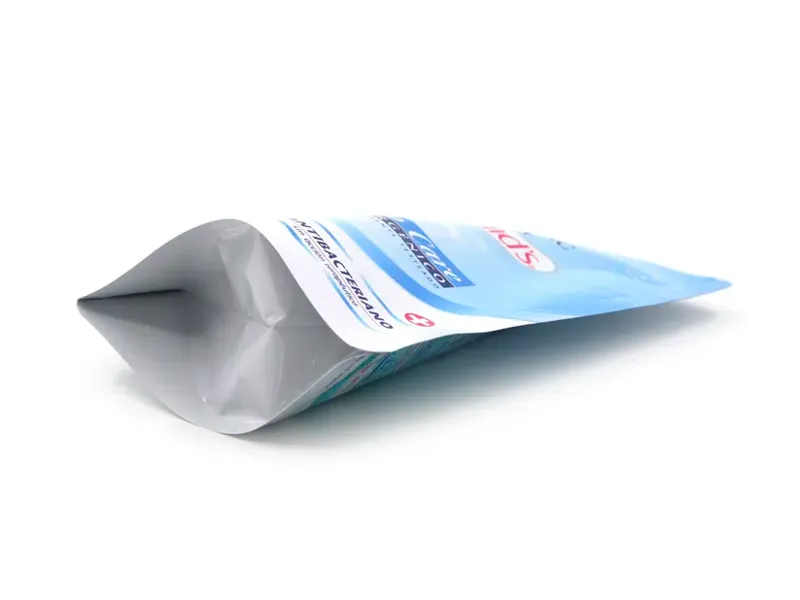
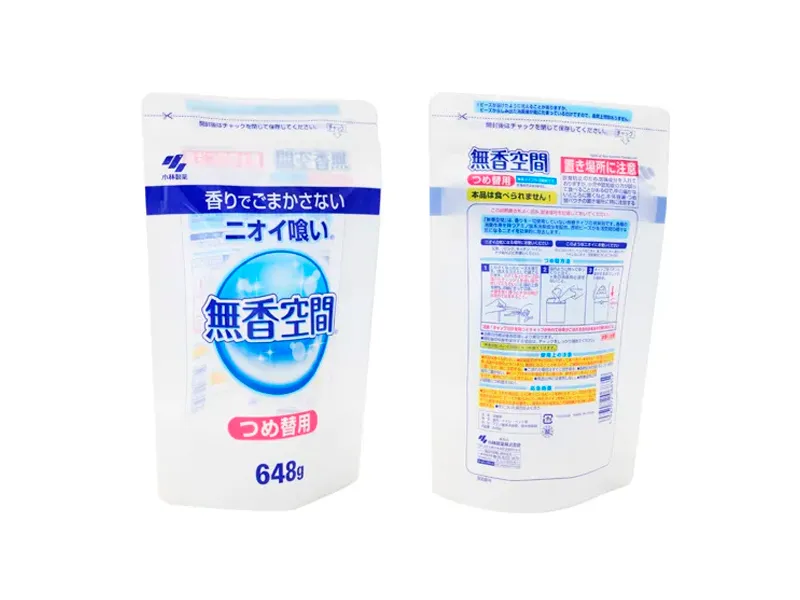
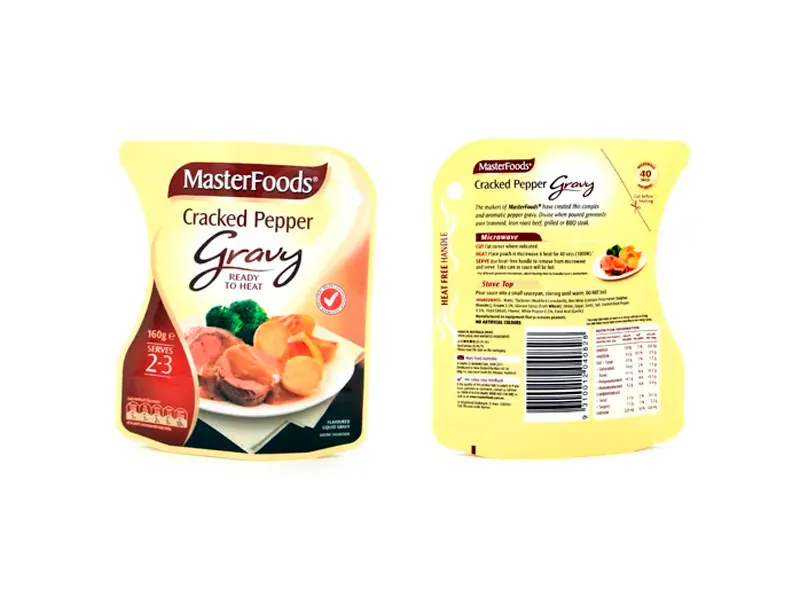
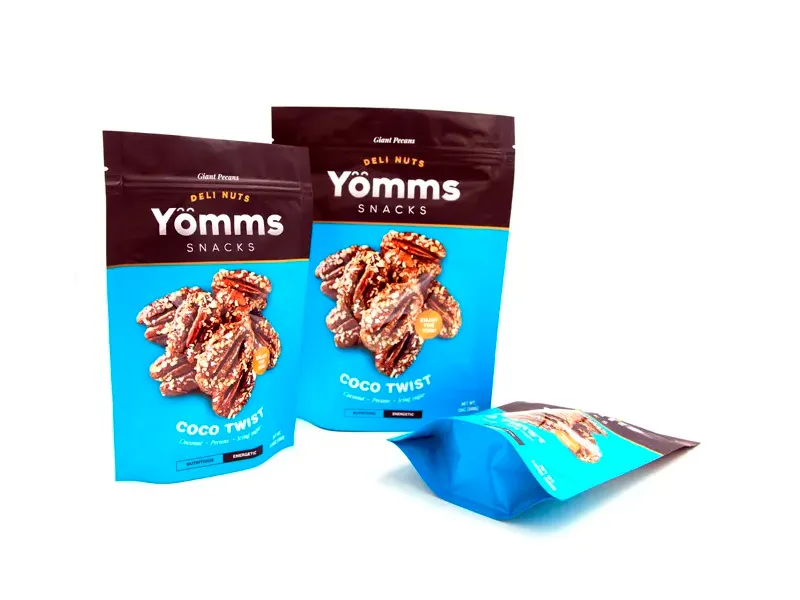
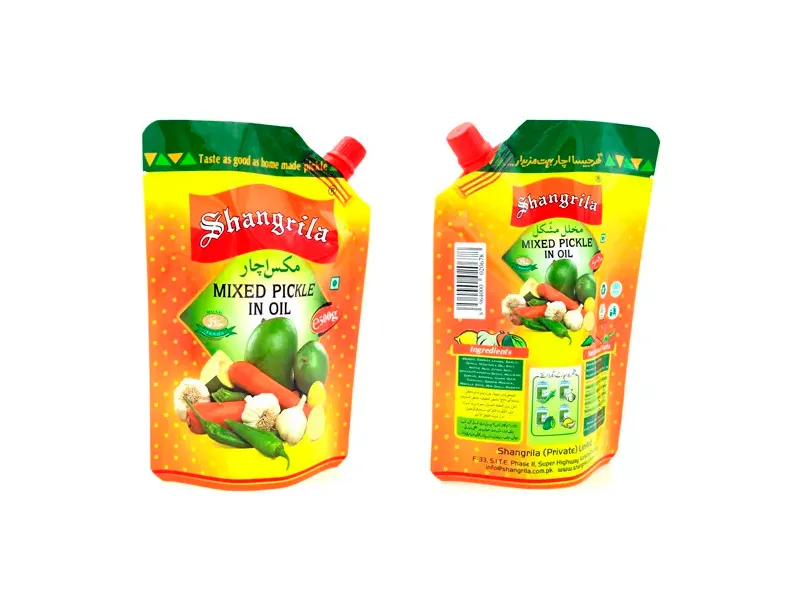
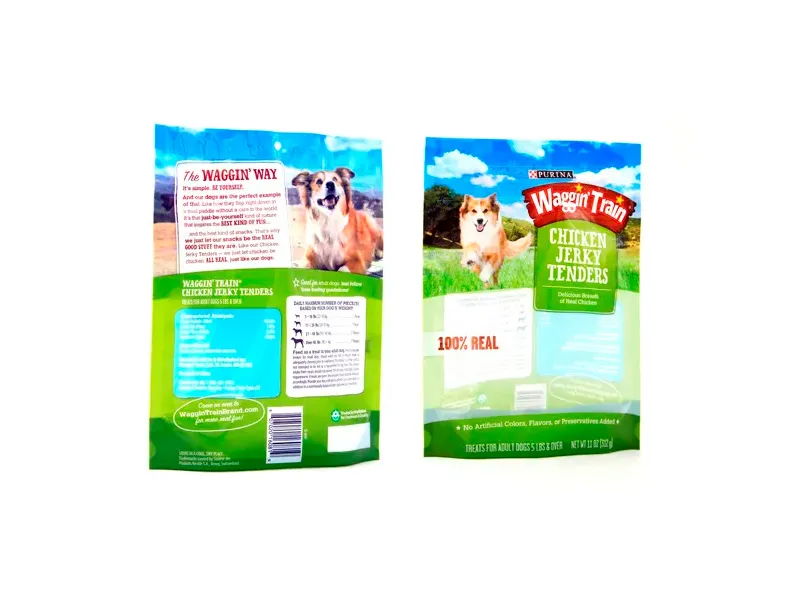
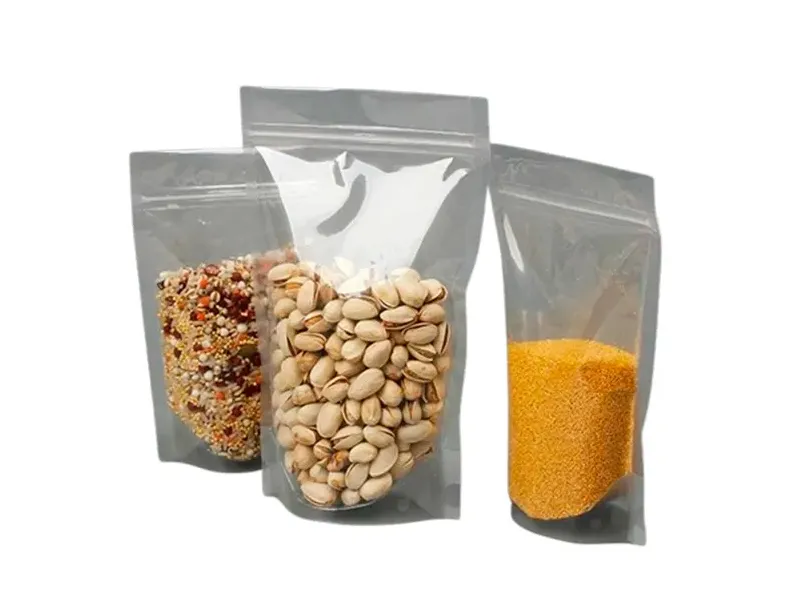
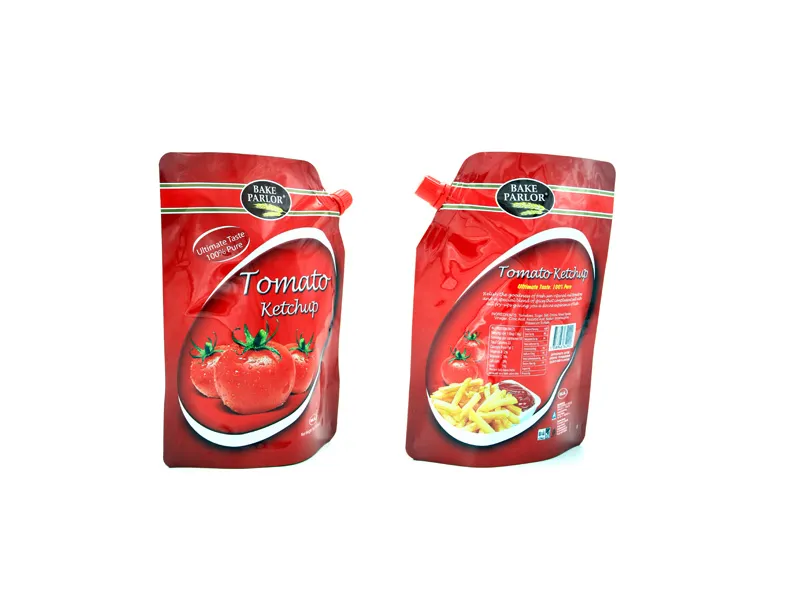
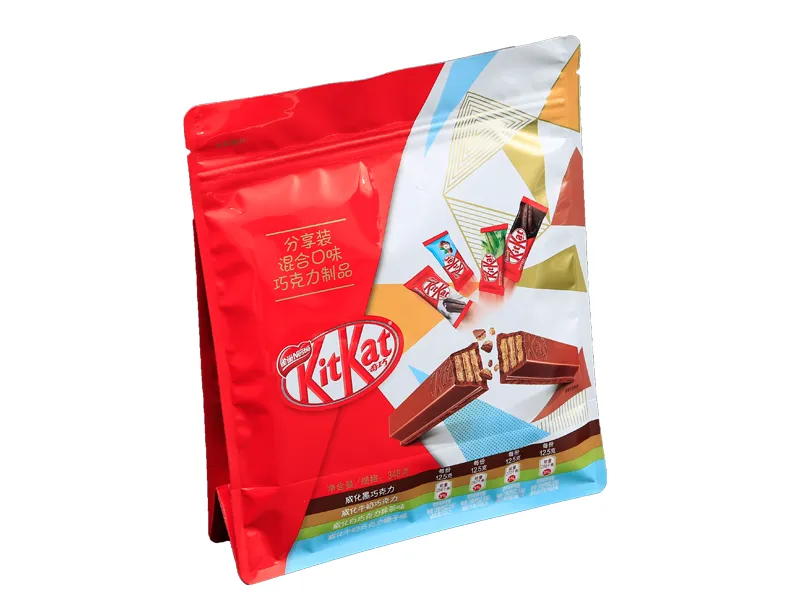
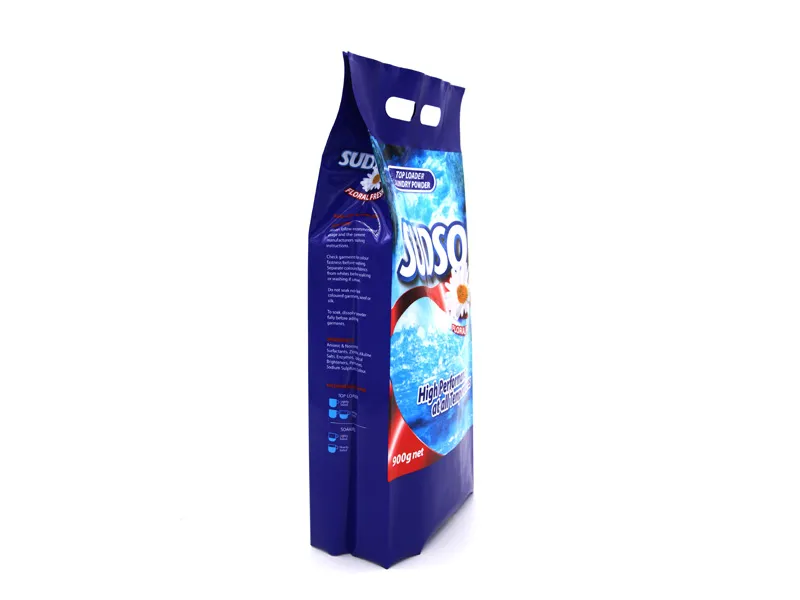
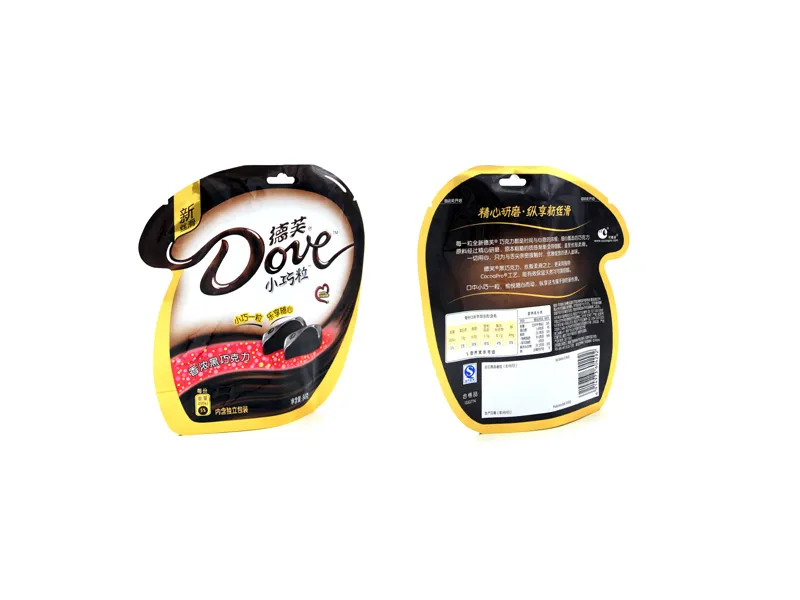
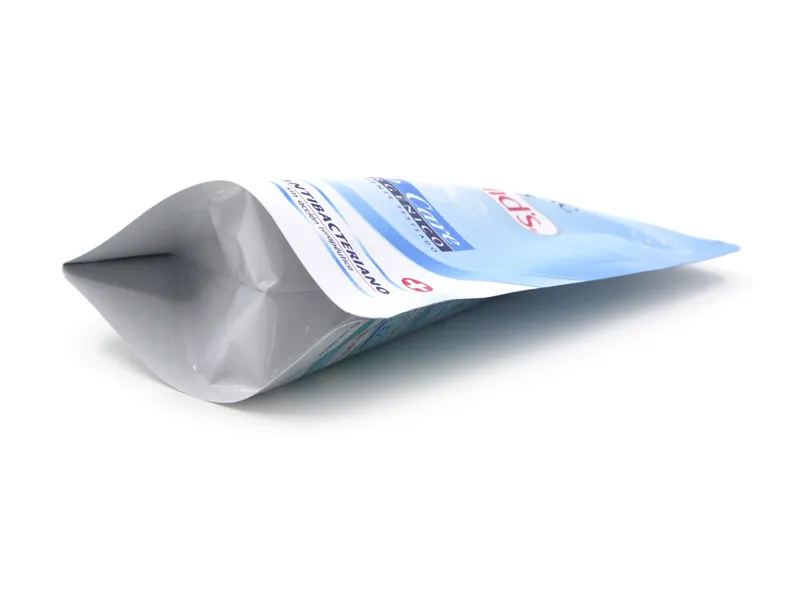
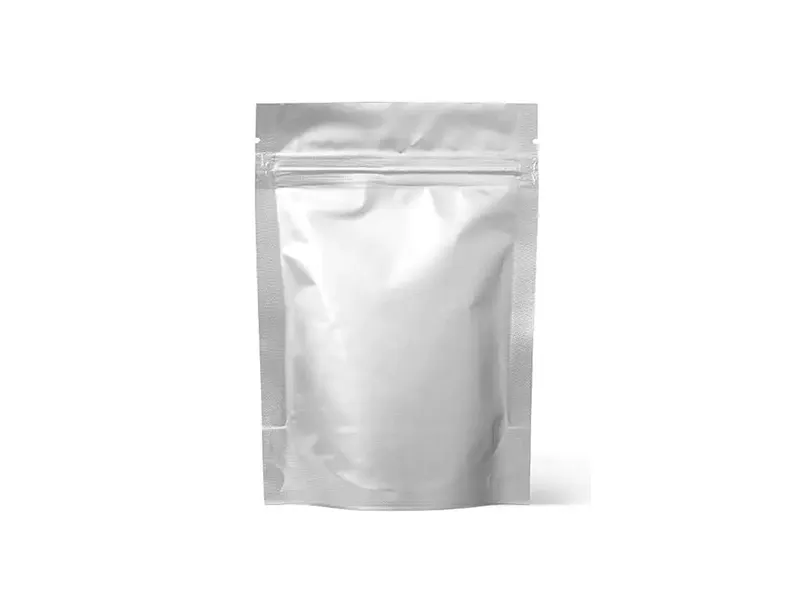
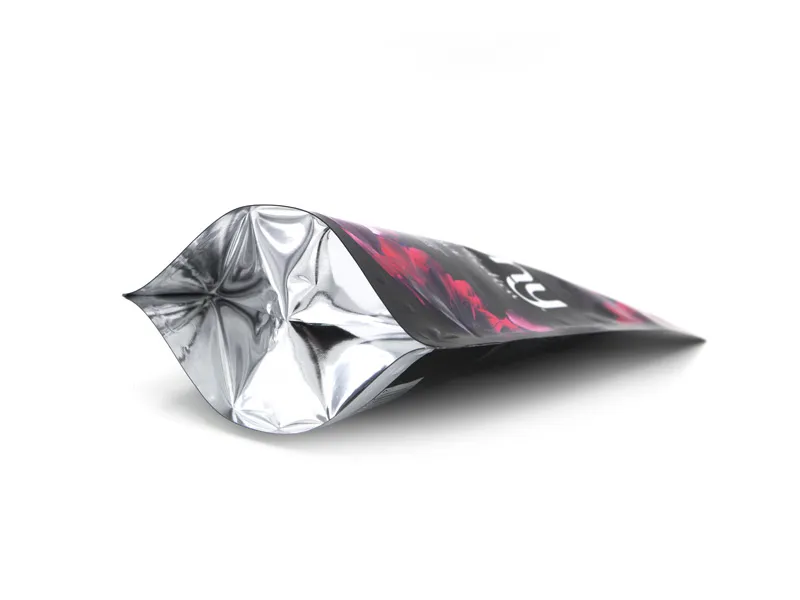
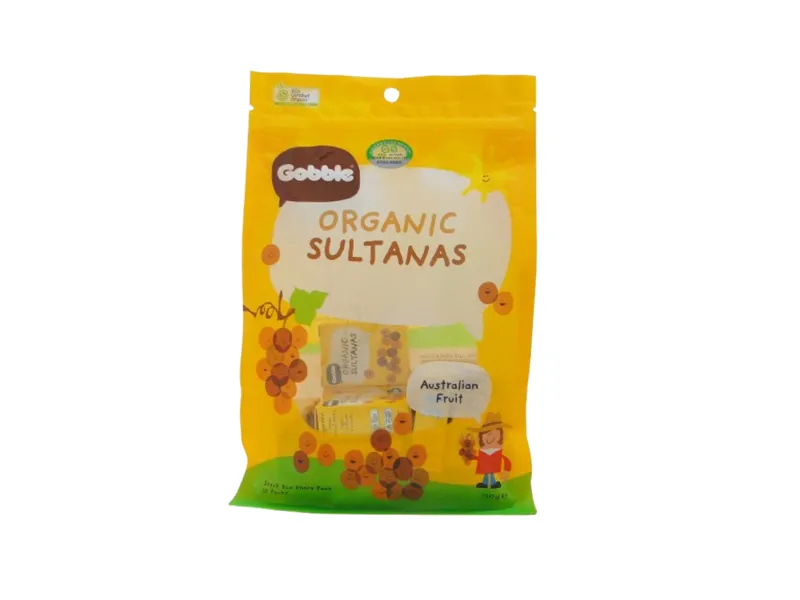
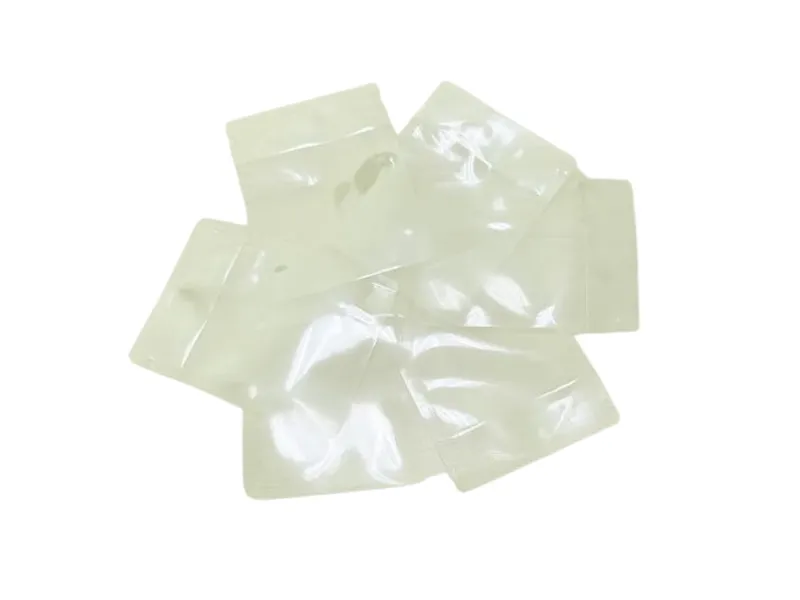
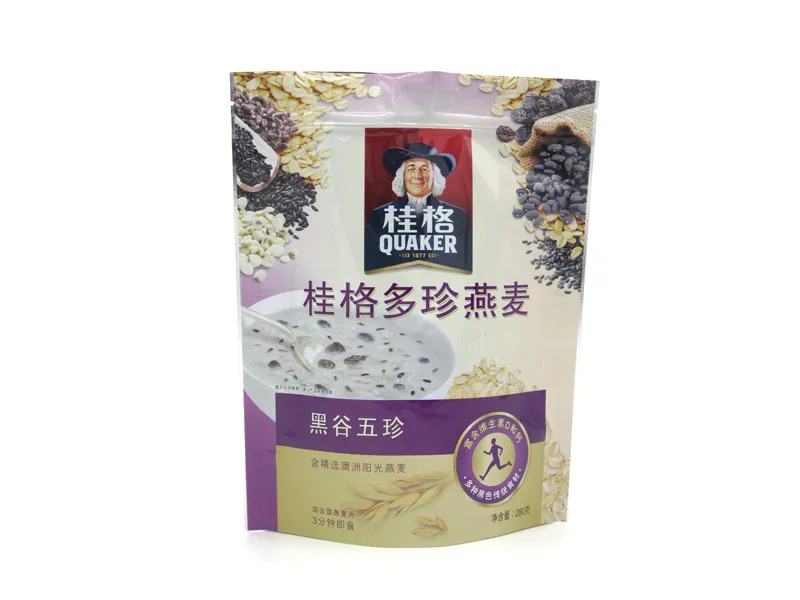
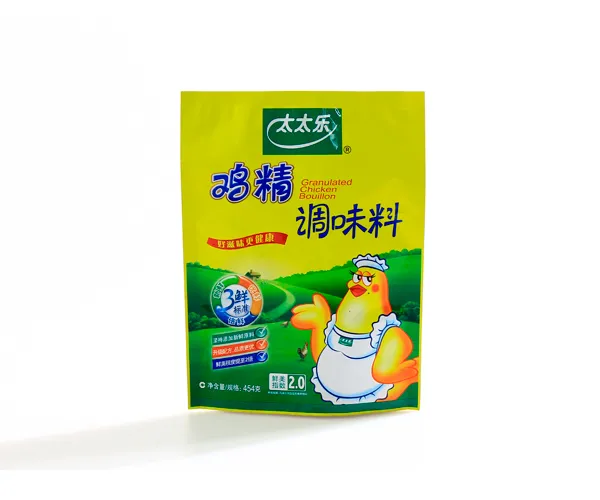
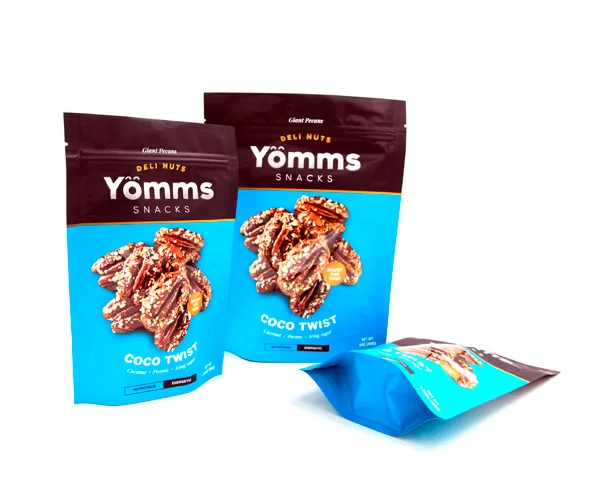
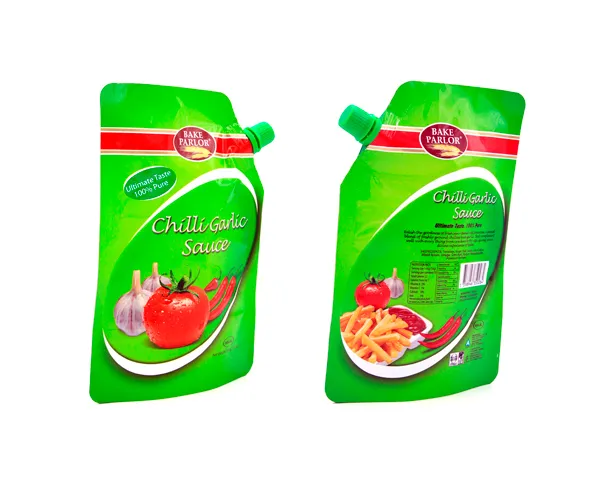
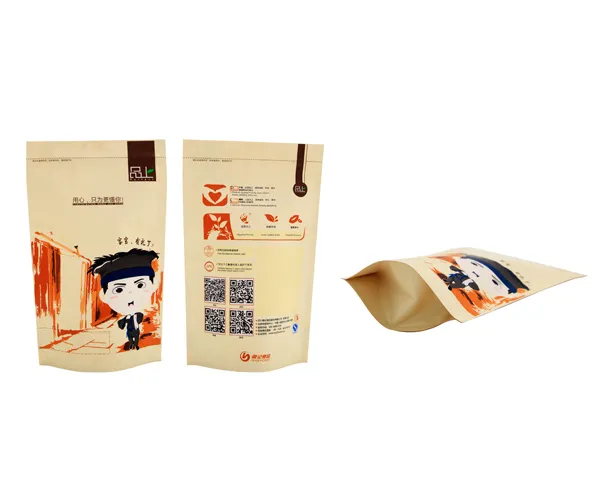
The unique bottom design enables it to stand firmly, facilitating its display on shelves and attracting consumers' attention.
Printed stand up pouch have been widely applied, covering almost all areas of fast-moving consumer goods.
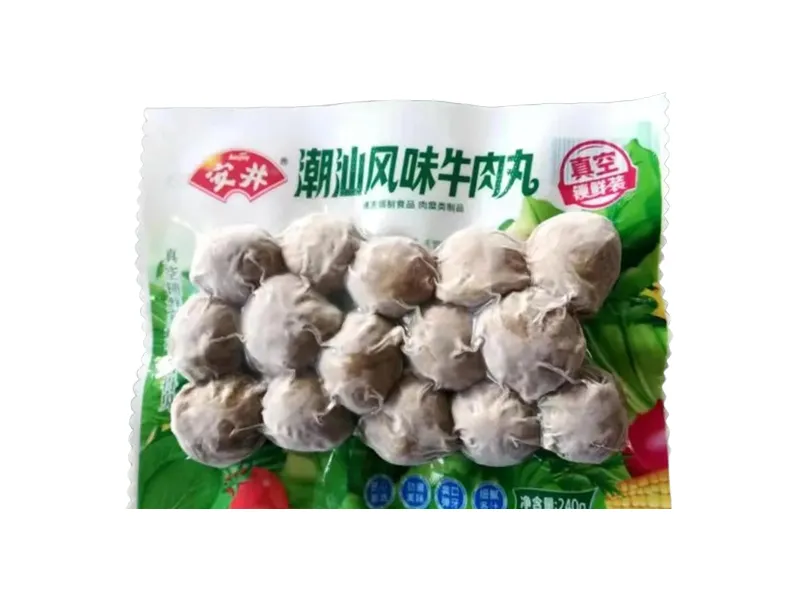
Food and beverages: Snacks (potato chips, nuts), coffee, tea, jelly, sauces, liquid beverages, pet food, etc.
Daily care products: Laundry detergent, shampoo, body wash, hand sanitizer, skin care products, etc.
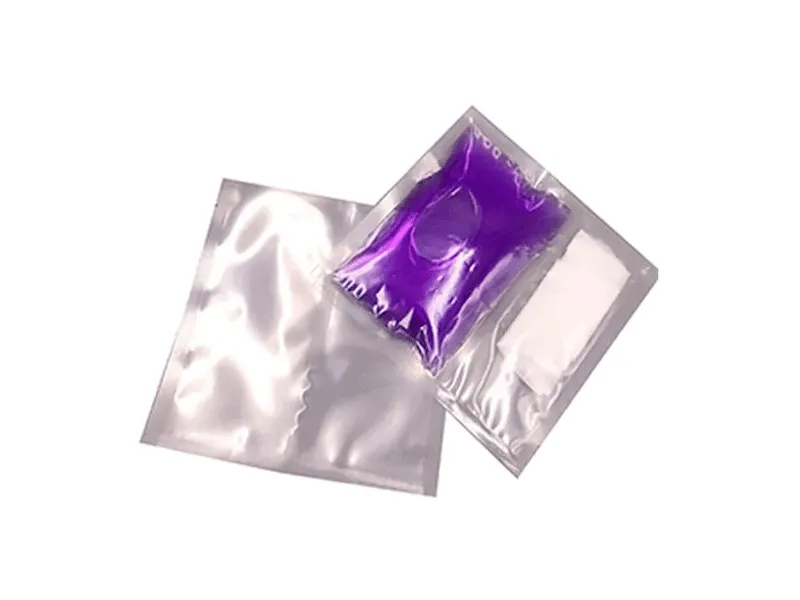
Medicines and health supplements: Medicine packages, nutritional supplements, disinfectant wipes, etc.
Industrial products: Lubricants, chemical raw materials, seeds, fertilizers, etc.
1. Advantages:
Strong shelf appeal: Its unique design and exquisite printing make it stand out among numerous packages.
Enhances brand image: High-quality packaging is an important part of the brand image.
Diverse functions: The sealing and functional structure can be flexibly designed according to product requirements.
High cost-effectiveness: The total cost of packaging, transportation and storage is usually lower than that of hard packaging of the same capacity.
2. Challenge:
Design complexity: The design of self-standing structures requires consideration of load-bearing, balance, and material strength, which demands high design capabilities.
Production efficiency: Compared to ordinary flat bags, the production process is more complex and the speed may be slightly slower.
Content limitation: It is not suitable for packaging very sharp or overly heavy products, and there may be a risk of package breakage.
Environmental pressure: The separation of multi-layer composite materials for recycling is difficult, and it faces challenges such as sustainability, including recyclability and degradability. Currently, the industry is actively developing recyclable stand-up pouches made of a single material (such as PP/PP/PP).
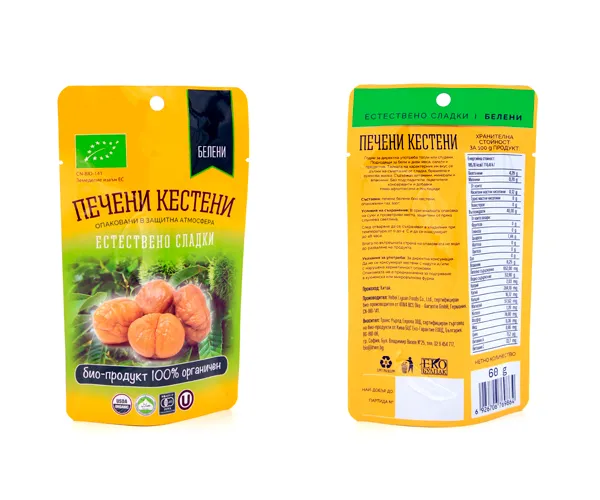
The unique bottom design enables it to stand firmly, facilitating its display on shelves and attracting consumers' attention.
The large printing surface provides an excellent promotional space for the brand, enhancing the product's value through exquisite patterns and designs.
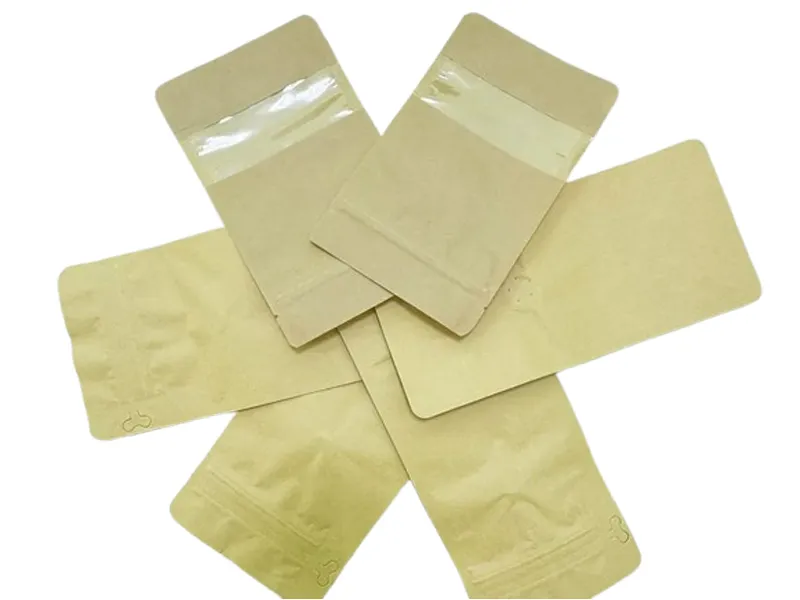
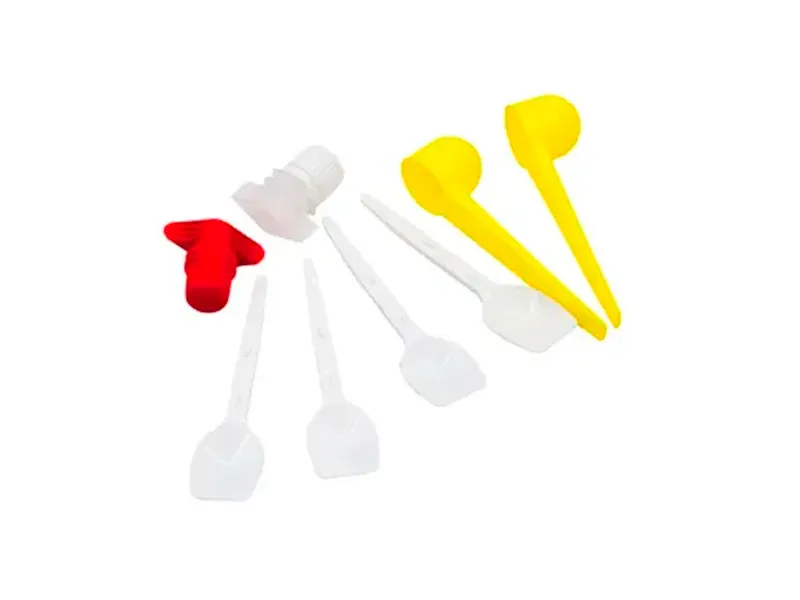
Usually equipped with tearable openings, zipper resealable closures, suction tips, etc., it is convenient for consumers to access and store the contents.
Compared to hard packaging (such as glass bottles, plastic bottles), it is lighter, saves more storage and transportation space, and uses less materials.
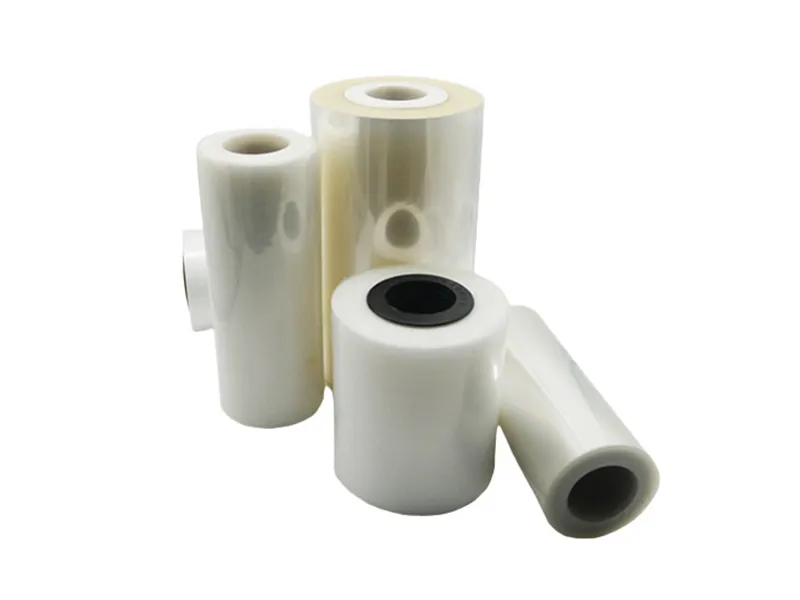
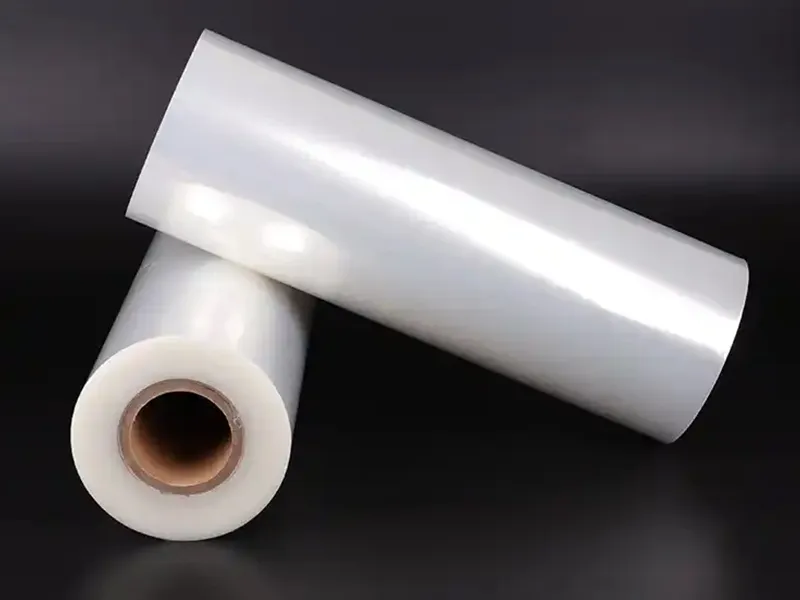
Using composite film materials, it can effectively block moisture, oxygen and light, prolonging the shelf life of food and other products.
The most commonly used printing method. It features bright colors, high saturation, and strong printability of the plate, making it highly suitable for large-scale production. It is the mainstream choice for printed stand up pouches.
It has developed rapidly in recent years, especially in the application of water-based inks and UV inks, which is more environmentally friendly. The ink layer is thinner and is often used in markets with higher environmental protection requirements.
It is suitable for small batches, customized orders, and proofing orders. No plate making is required, the minimum order quantity is low, and variable data printing can be achieved, but the single cost is relatively high.
The unique bottom design enables it to stand firmly, facilitating its display on shelves and attracting consumers' attention.
The large printing surface provides an excellent promotional space for the brand, enhancing the product's value through exquisite patterns and designs.
Usually equipped with tearable openings, zipper resealable closures, suction tips, etc., it is convenient for consumers to access and store the contents.
Compared to hard packaging (such as glass bottles, plastic bottles), it is lighter, saves more storage and transportation space, and uses less materials.
Using composite film materials, it can effectively block moisture, oxygen and light, prolonging the shelf life of food and other products.
The most commonly used printing method. It features bright colors, high saturation, and strong printability of the plate, making it highly suitable for large-scale production. It is the mainstream choice for printed stand up pouches.
It has developed rapidly in recent years, especially in the application of water-based inks and UV inks, which is more environmentally friendly. The ink layer is thinner and is often used in markets with higher environmental protection requirements.
It is suitable for small batches, customized orders, and proofing orders. No plate making is required, the minimum order quantity is low, and variable data printing can be achieved, but the single cost is relatively high.