What Are the Common Types and Design Inspirations Can Be Chosen for a Special-Shaped Pouch?
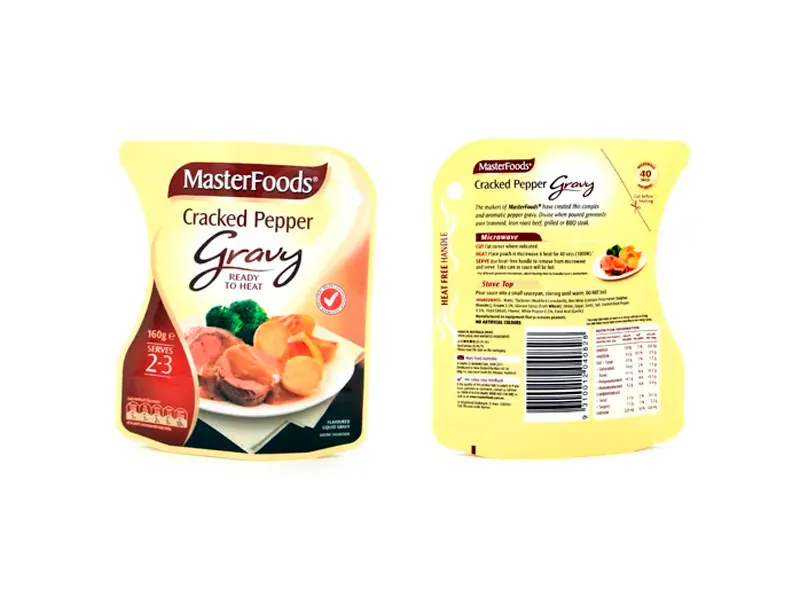
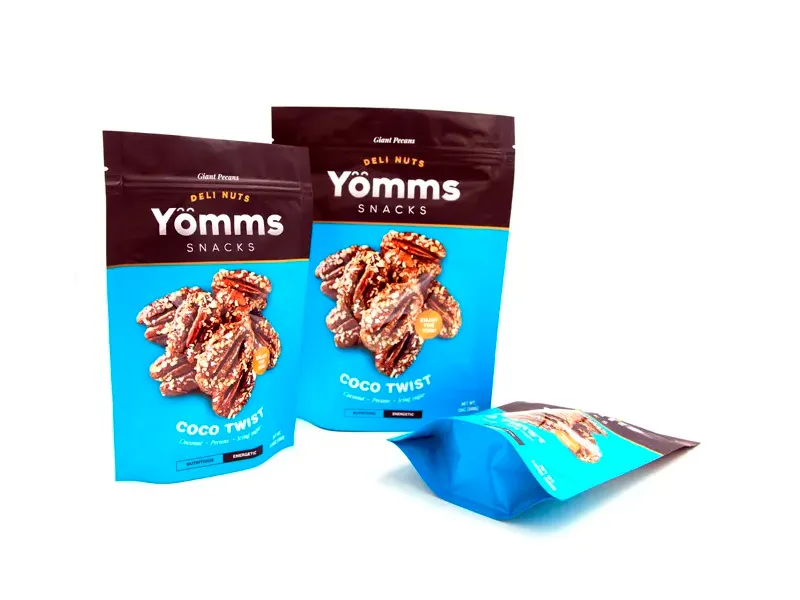
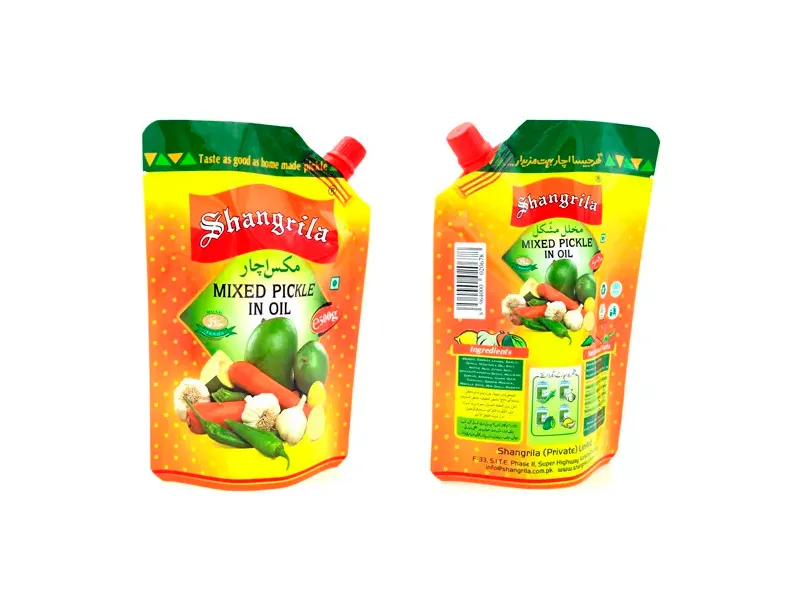
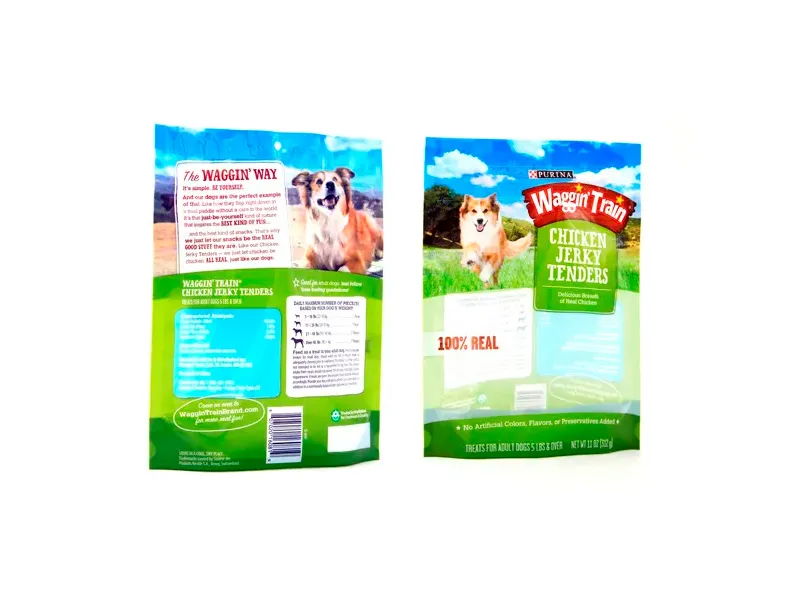
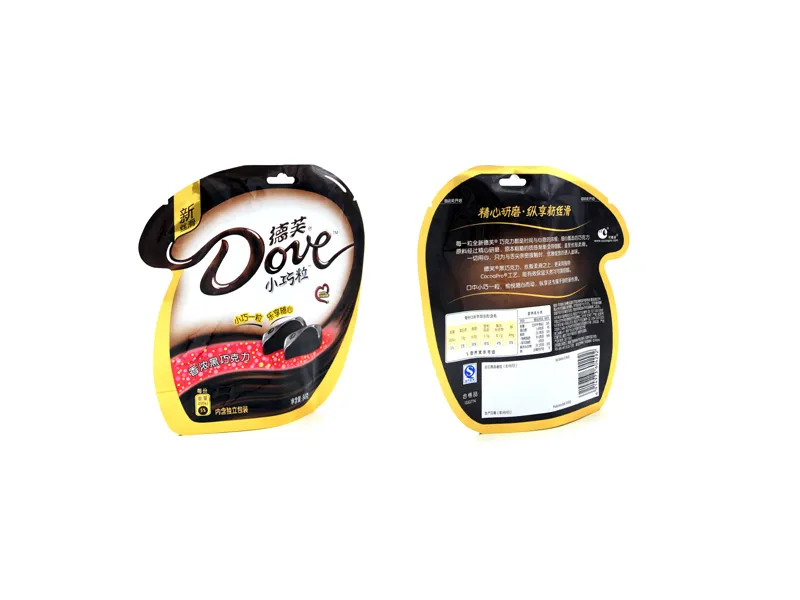
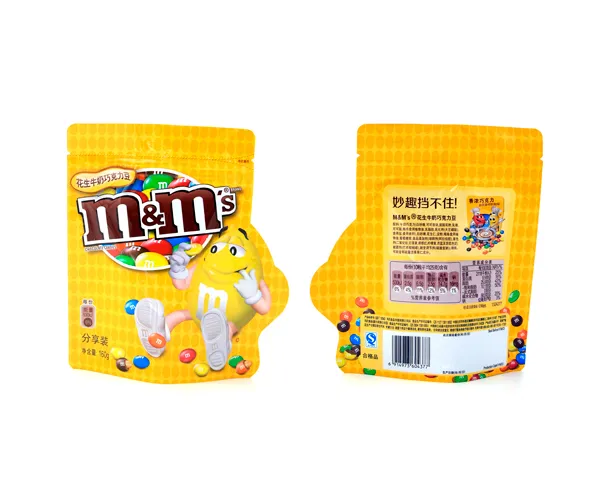
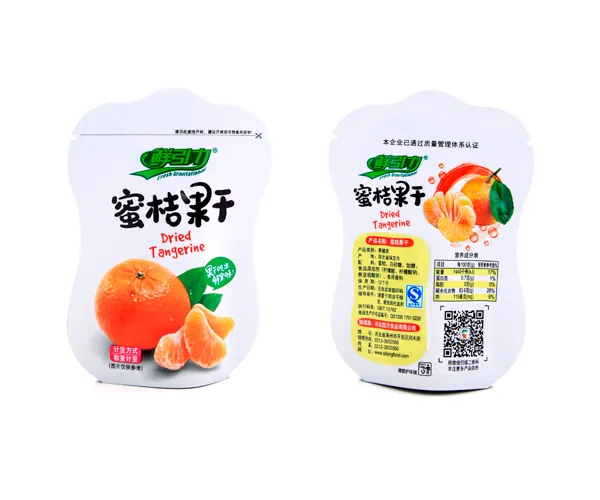
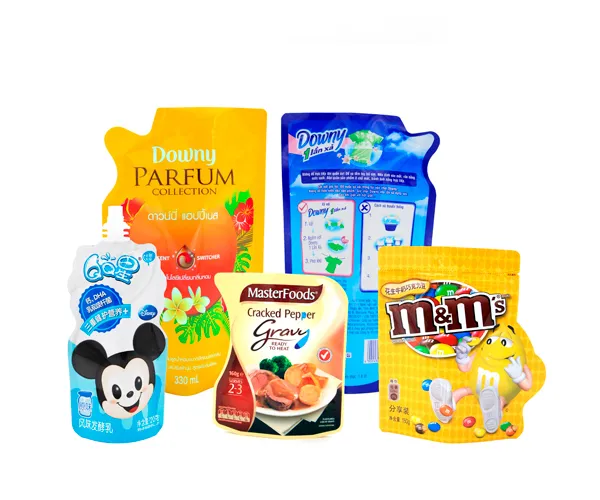
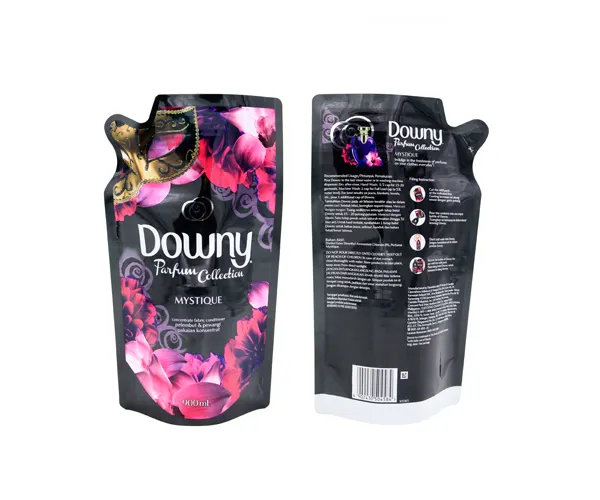
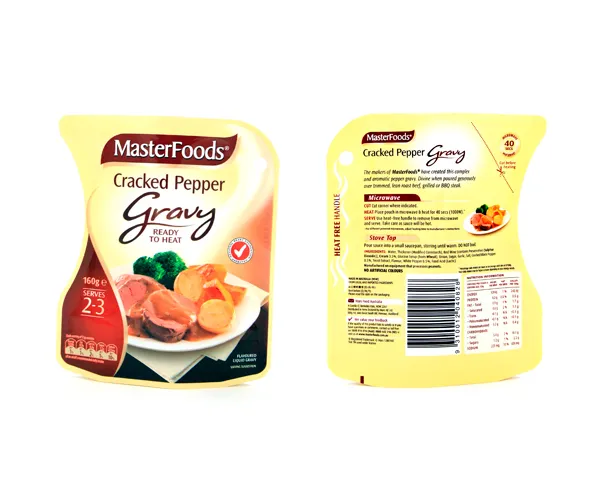
There are almost no restrictions on the types of special-shaped pouches, but they can be roughly classified into the following categories:
1. Product imitation type:
The special-shaped pouch is directly designed to match the shape of the product. For example:
Animal shapes: Pet food bags are made in the shapes of cats, dogs, and fish.
Fruit shapes: Juice or jam packaging bags are made in the shapes of apples, oranges, or strawberries.
Product body shapes: Toy packaging bags are made in the shapes of cars or dolls.
2. Brand symbol type:
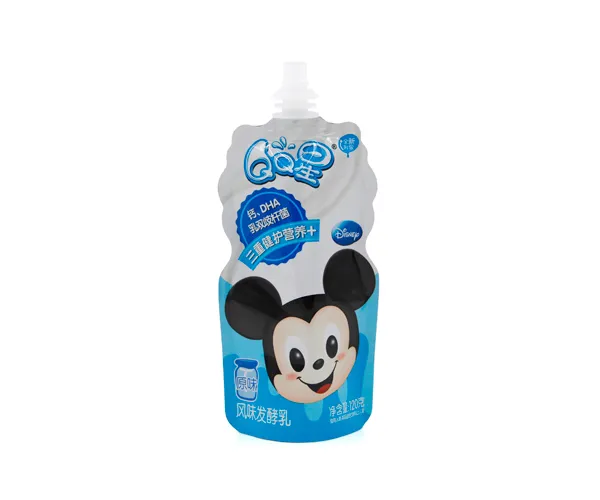
Use the brand's logo, mascot, or iconic elements as the packaging shape. For example, a beverage brand uses its famous bear image as the packaging outline.
3. Function-oriented type:
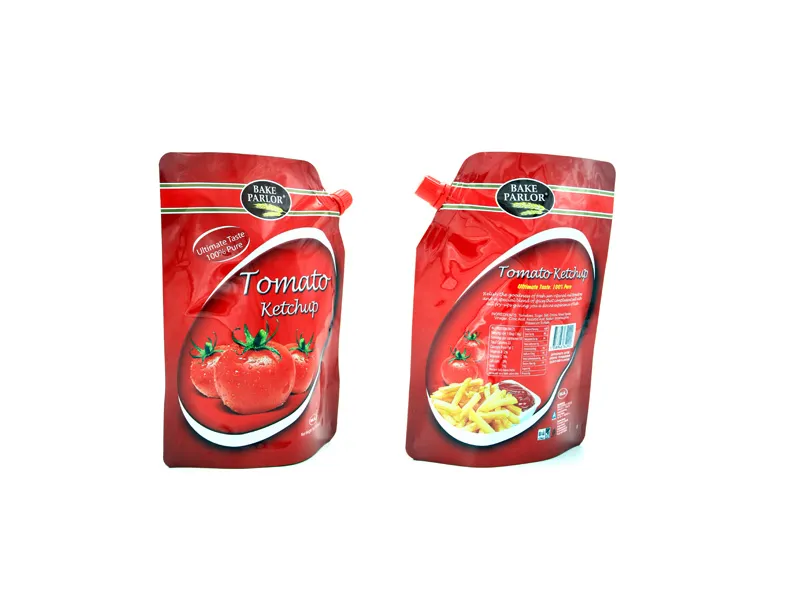
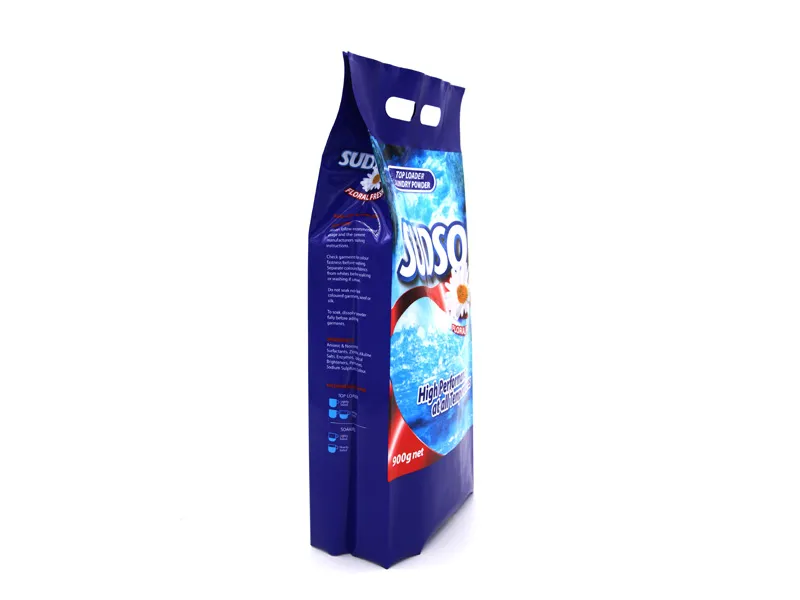
The shape change is mainly to enhance the user experience. For instance, special-shaped pouches with curved handles are convenient for carrying, or bags with special angled spouts are convenient for pouring.
4. Geometric creativity type:
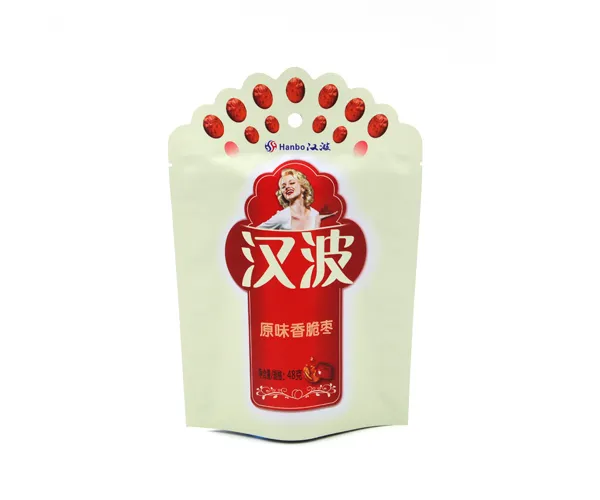
Utilizing irregular, polygonal, and curved modern geometric shapes to create a sense of high-end, fashionable, and artistic appeal, special-shaped pouches are often used in cosmetics, trendy snacks, etc.
What Materials Are Used and What Processing Techniques Are Employed for a Special Shaped Pouch?
Common materials: Similar to ordinary flexible packaging bags, such as PET, BOPP, PE, CPP and other composite films. The selection of materials should take into account the stiffness and flexibility after molding to ensure that the shape can stand firm and is not prone to damage.
Core processing techniques:
Specialized bag forming: Using specially designed steel molds, the designed shape is formed by die-cutting during the bag-making process. This is the most crucial step.
Printing: Usually using intaglio printing to ensure the saturation and consistency of colors on complex curved surfaces.
Combing and curing: Combining multiple layers of materials to provide necessary barrier and protective properties.
Technical challenges: The production of special-shaped pouches demands extremely high standards for equipment and process precision. In particular, it is necessary to ensure the precise alignment of the pattern with the die-cut outline, as well as the sealing performance of complex cuts.·
How About the Application Field of Special Shaped Pouches?
Special-shaped pouches are widely used in product categories where the requirements for product appearance and marketing effect are extremely high:
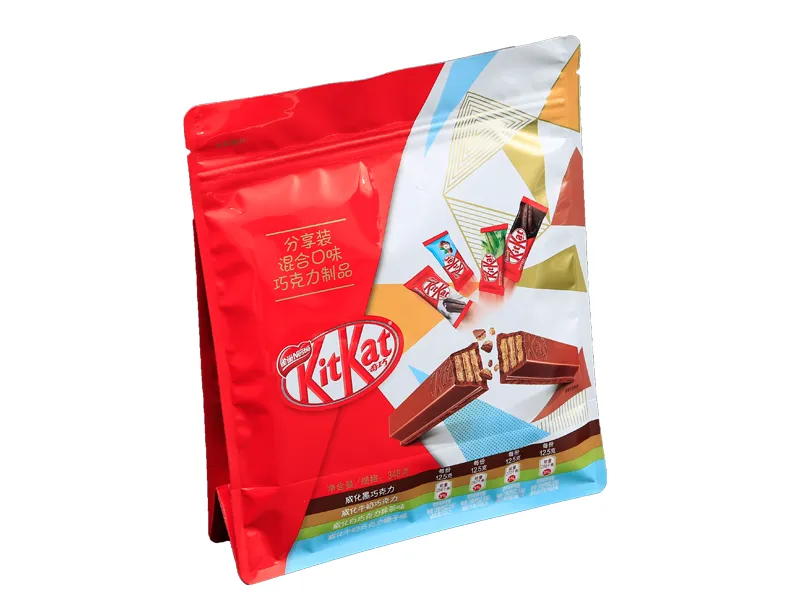
Candy and chocolate: Special-shaped pouches utilize interesting shapes to attract children, or create a festive or gift atmosphere (such as Christmas, Halloween-themed shapes).
Premium snacks: Such as cookies, chips, enhance product value through unique shapes.
Tea and coffee: Special-shaped pouches use elegant shapes that align with the brand's style (such as teapots, coffee bean shapes).
Pet food and toys: The special-shaped pouch is designed in the shape of pets (cats, dogs), highly appealing.
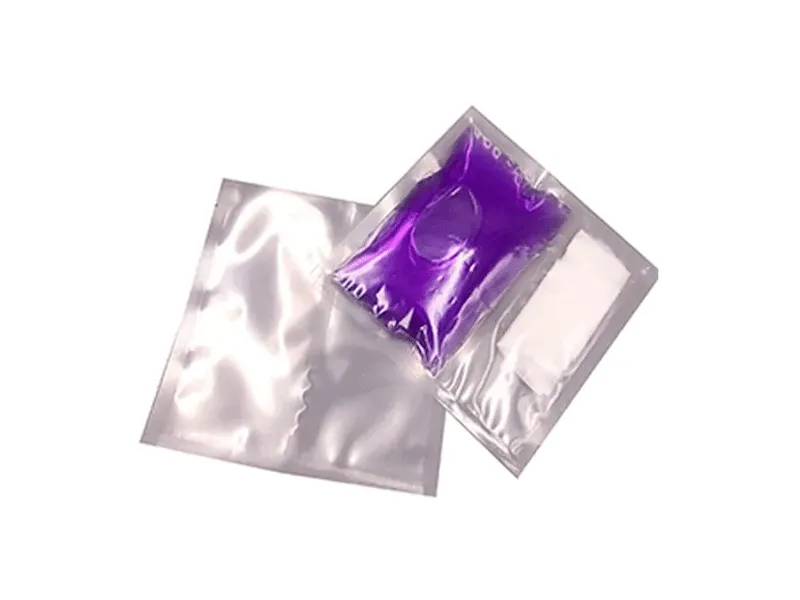
Cosmetics and personal care: Masks, hair masks, trial samples, through unique shapes to showcase brand personality.
Gifts and promotional items: As holiday gift boxes or for promotional activities, special-shaped pouches can greatly enhance appeal.
What Are the Advantages and Challenges of Special Shaped Pouches?
Advantages:
Shelf Impact: In a highly competitive market, the special-shaped pouch is one of the most effective ways to break through homogeneity and attract attention.
Brand Storyteller: The unique packaging shape itself is a brand story that doesn't require words.
Social Media Value: High appearance level and interesting design can easily prompt consumers to spontaneously share on social media, leading to secondary dissemination.
Enhancing Product Value Perception: Consumers usually are willing to pay a higher price for packaging that is more creative and has a design sense.
Challenge:
High costs: Specialized molds, more complex production processes and lower production efficiency result in special-shaped pouch's costs being much higher than those of conventional packaging bags.
Production efficiency limitations: Die-cutting and layout may lead to a decrease in material utilization and a slower production speed.
Supply chain considerations: Irregular shapes may not be conducive to automated filling and secondary packaging, requiring customized solutions.
Design complexity: The design needs to take into account aesthetics, structural stability and producibility, which poses high requirements for the design team.
 English
  中文
中文