What Types of Window Design Can Be Chosen for the Stand up Pouch with Window?
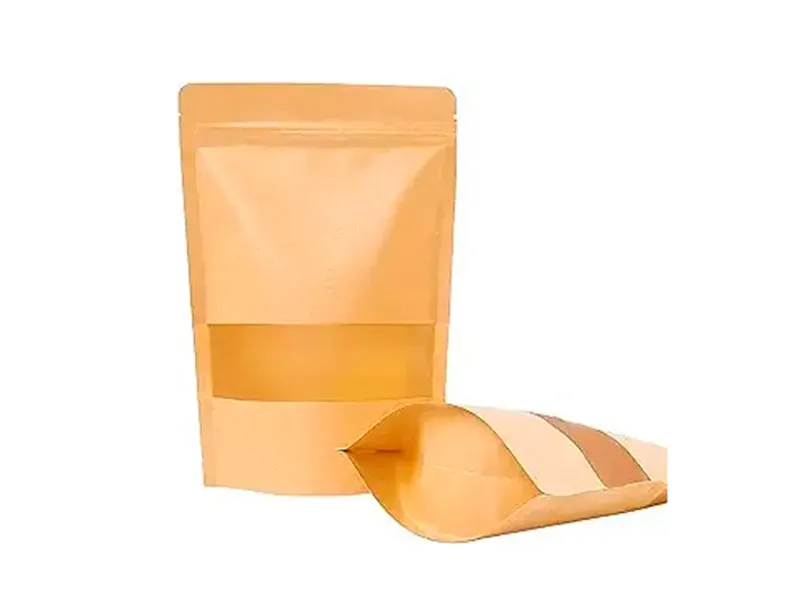
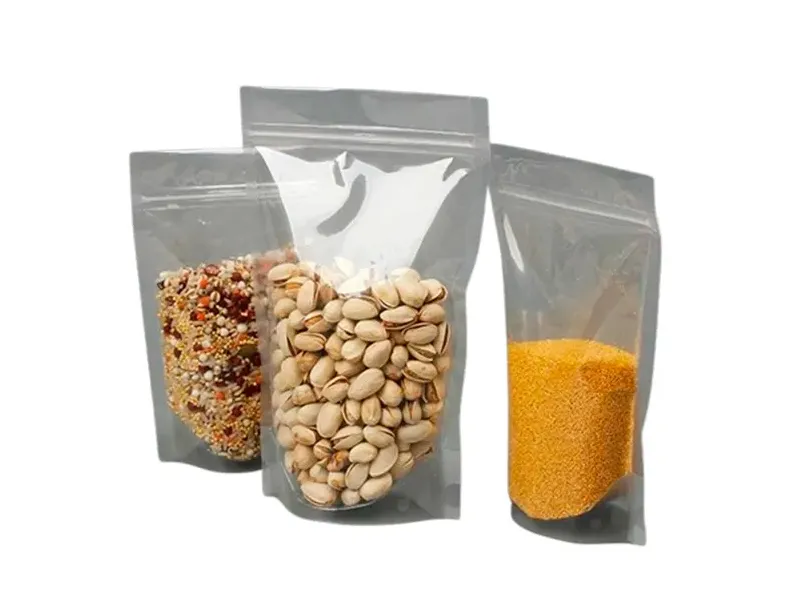
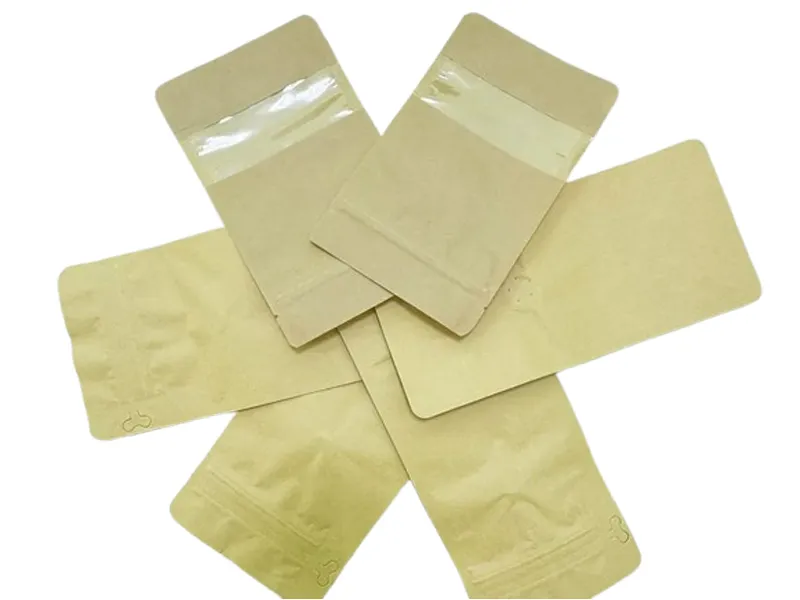
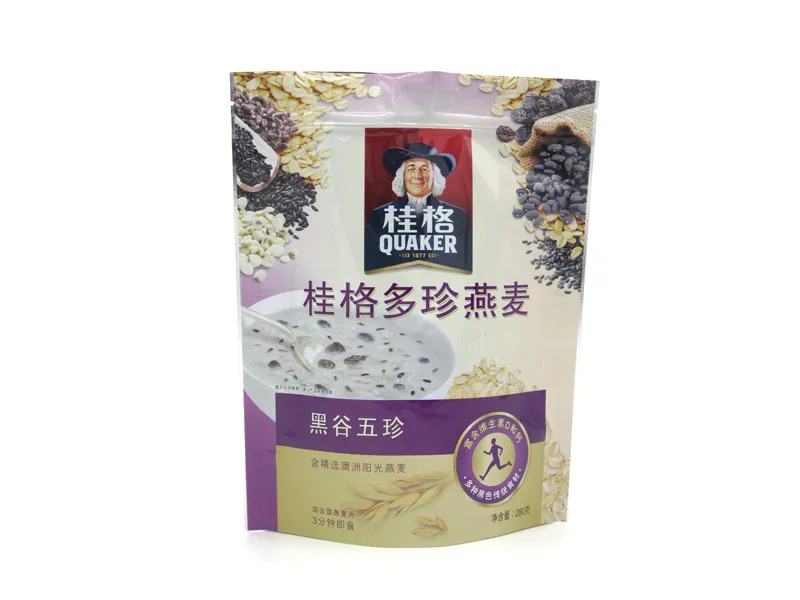
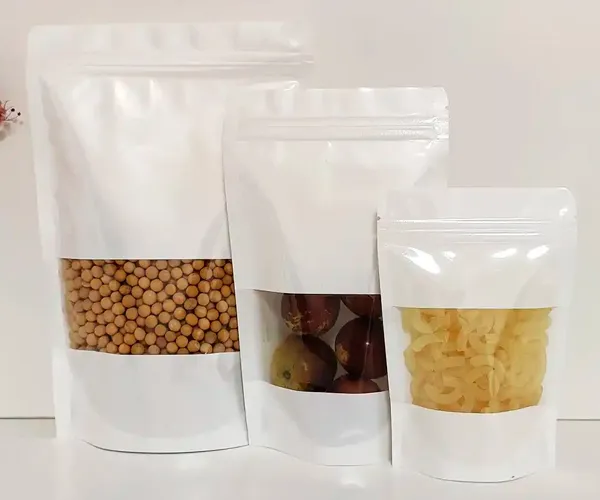
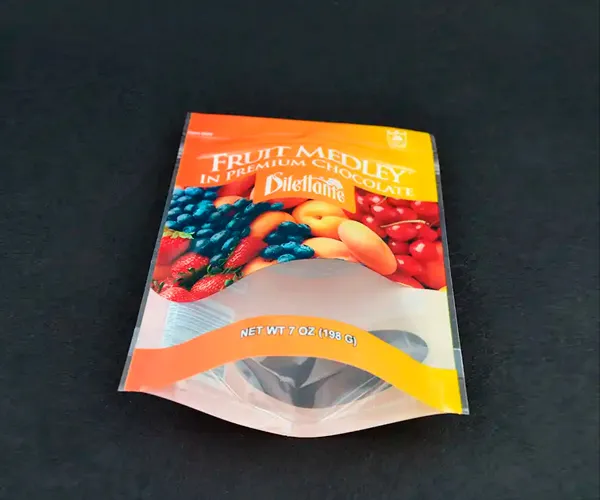
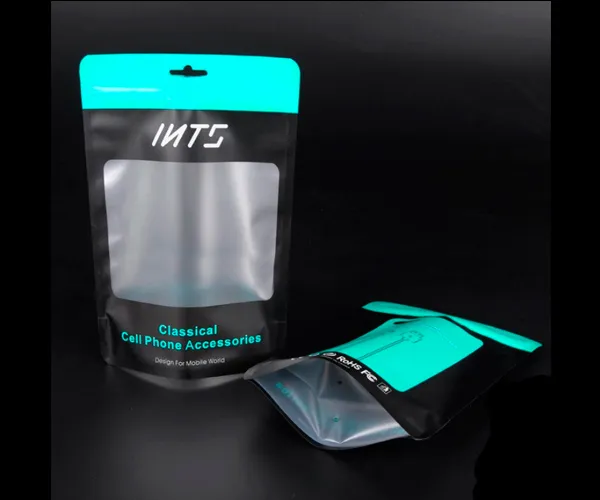
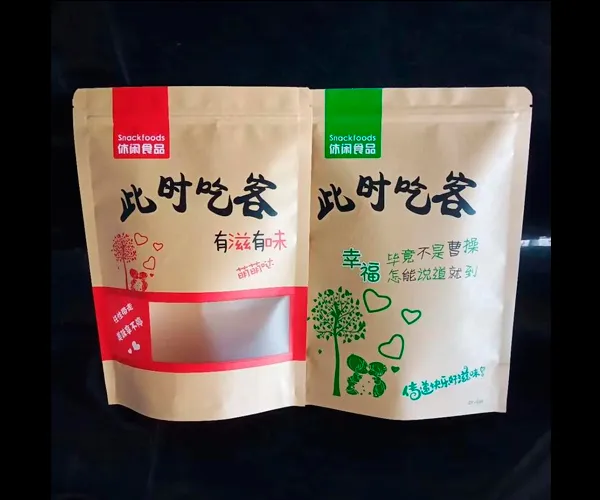
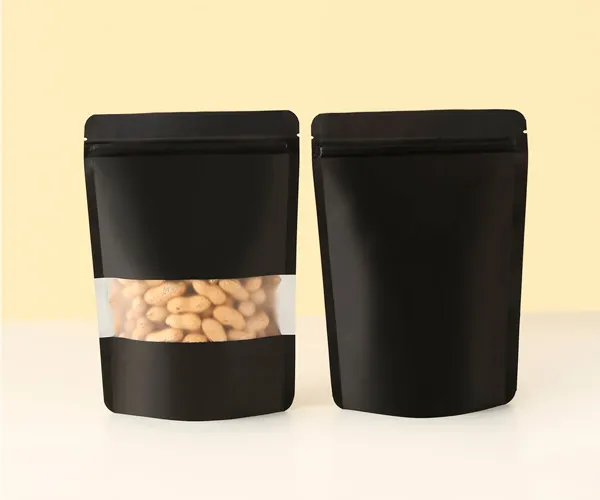
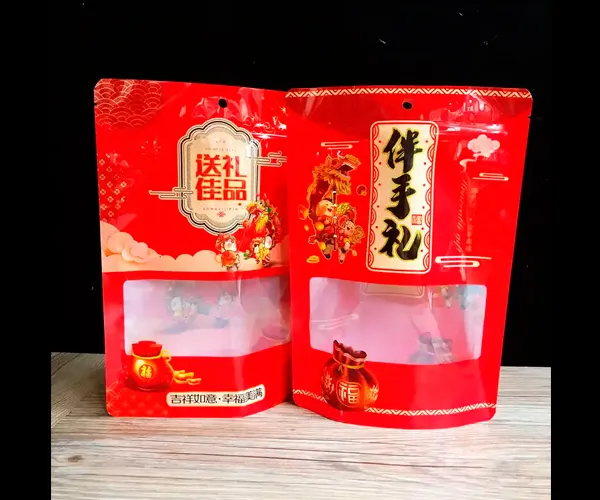
Shape and size: The window can be of any shape, such as circular, square, heart-shaped, or irregular. The size can range from a small hole to covering the entire bag surface.
Position: Usually located on the front of the bag, but it can also be designed on the side or back based on the best viewing angle for product display.
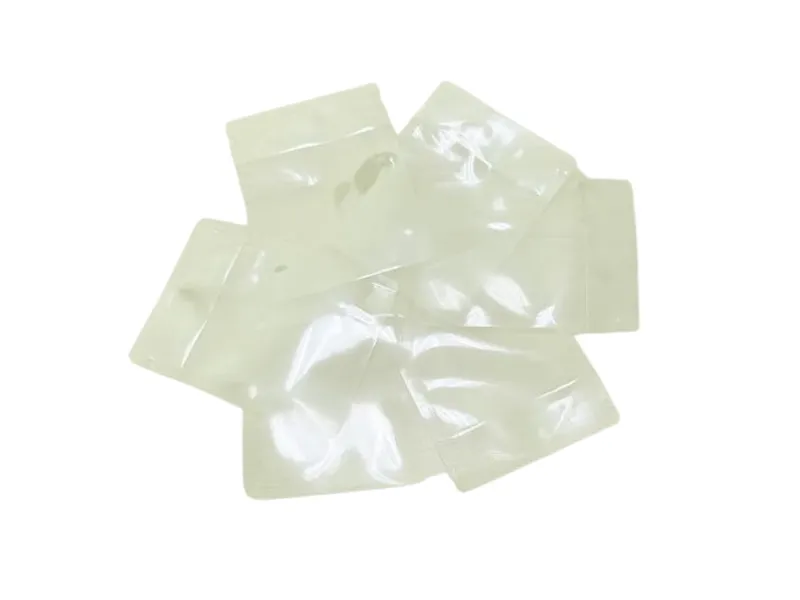
Fully transparent bag: This is an extreme form where the entire stand-up pouch with window is made of high-transparency film, providing a 360-degree full view.
Design key points: The shape, size, and position of the window need to be carefully designed to display the product at the optimal angle while ensuring the structural integrity of the stand-up pouch with window is not compromised.
Application Fields of Stand up Pouch with Window
The stand-up pouches with windows are particularly suitable for products where appearance is a key selling point:
1. Food products:
Coffee beans/powder: Illustrate the degree of roasting and completeness of the coffee beans.
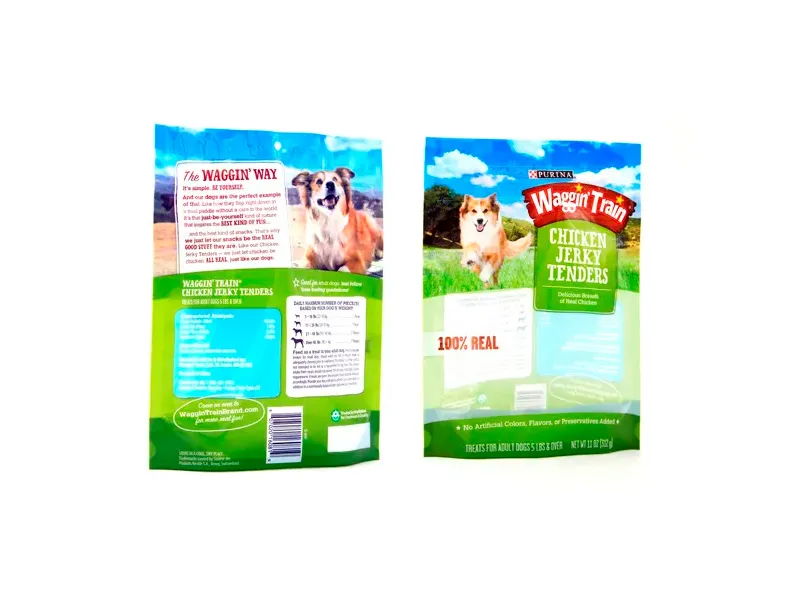
Pet food: Show the shape and ingredients of dry food or snacks.
Snacks: Cookies, candies, and puffed food, display their shapes and colors.
Grains, rice, beans: Illustrate the purity and quality of the products.
Tea: Show the complete form of the tea leaves.
2. Toys and gifts: Display the parts of toys or the styles of gifts, reducing the need to unpack.
3. Hardware parts: Facilitate users to quickly confirm the types and quantities of internal parts.
What Are the Advantages and Challenges of Stand up Pouch with Window?
Advantages:
1. Enhance sales conversion rate: Visual impact can effectively lower the decision-making threshold of consumers and promote purchases.
2. Build brand trust: The transparent display method of "what you see is what you get" enhances the honesty and reliability of the brand.
3. Combine functionality and aesthetics: The stand-up pouches with windows not only achieve product display but also maintain the overall design and brand tone of the packaging.
4. Differentiate in competition: Among similar products, the stand-up pouches with windows can immediately attract attention.
Challenge:
1. Higher cost: Additional punching and composite processes increase the production cost.
2. Limited barrier properties: The barrier properties of transparent films (especially oxygen barrier and light protection) are usually lower than those of materials like aluminum foil, which may affect the shelf life of products sensitive to light and oxygen. The design needs to balance the requirements of display and protection.
3. Complex design: The stand-up pouches with windows requires careful design to ensure that the window does not weaken the structural strength of the bag and can perfectly display the product after filling.
4. Environmental considerations: The combination of multiple different materials (such as PET, AL, and PP films) poses challenges for recycling.
 English
  中文
中文