What Materials and Structures Are Typically Used for Transparent Stand up Pouches?
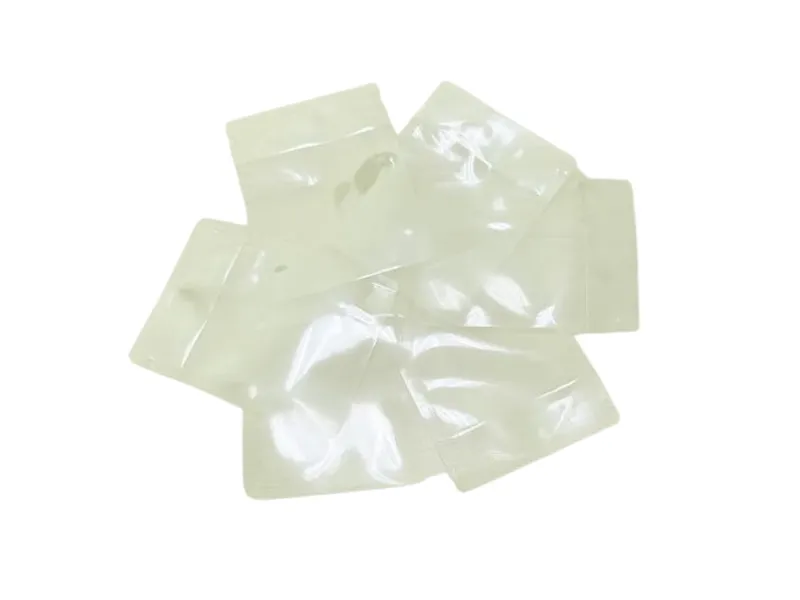
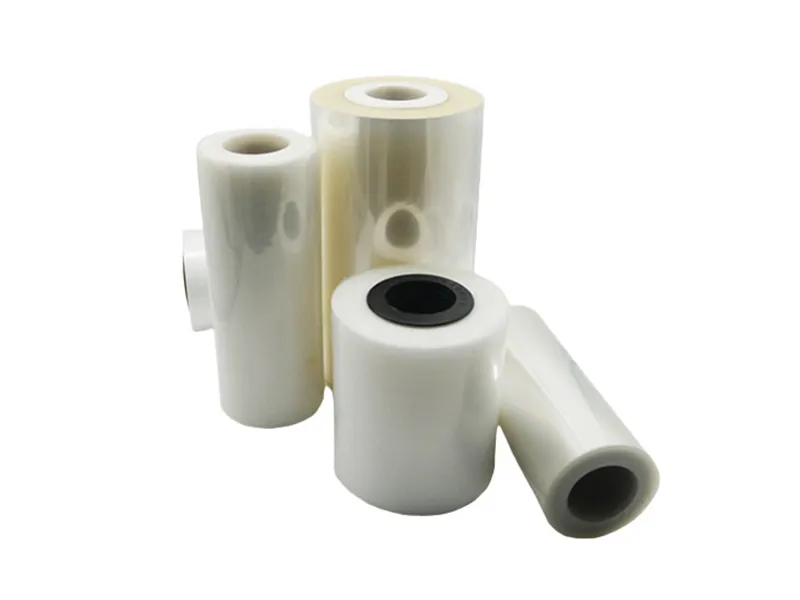
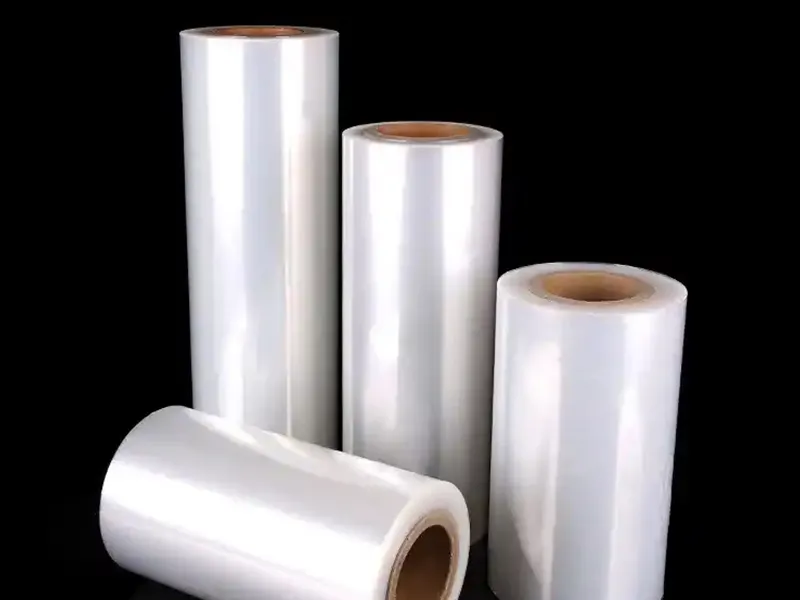
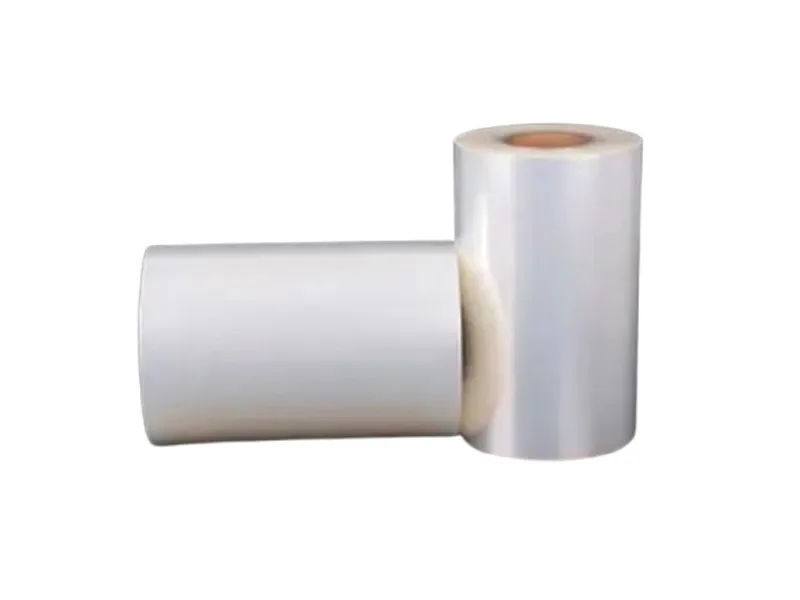
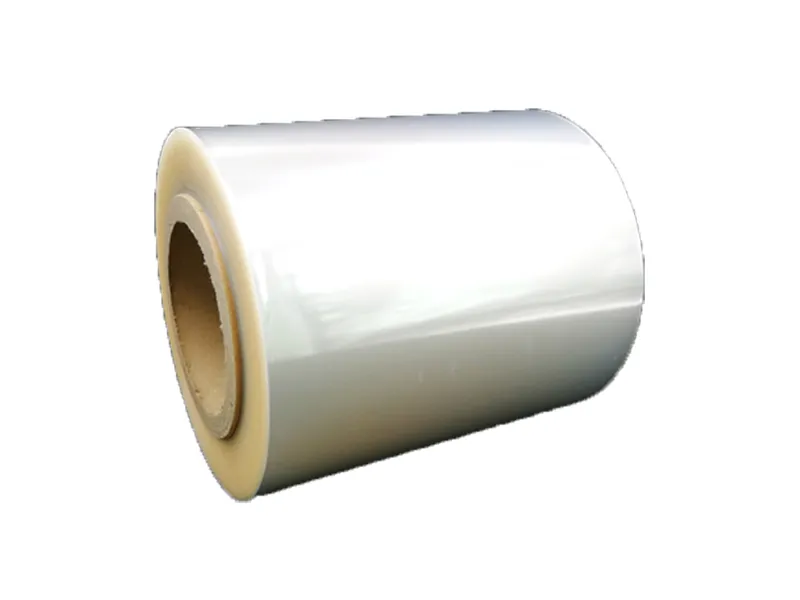
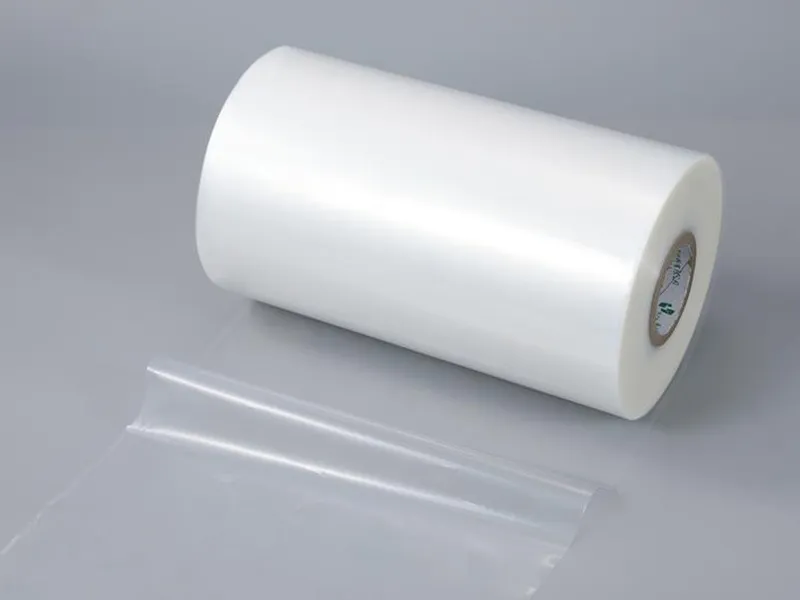
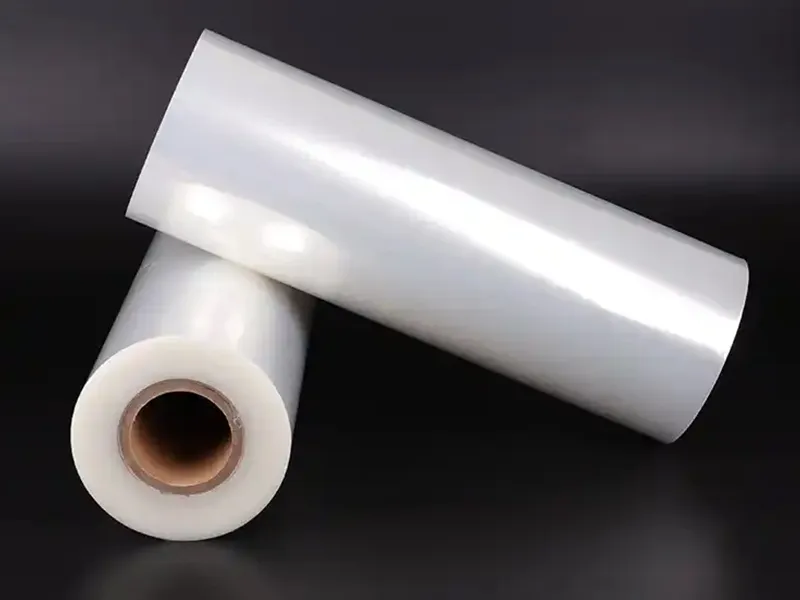
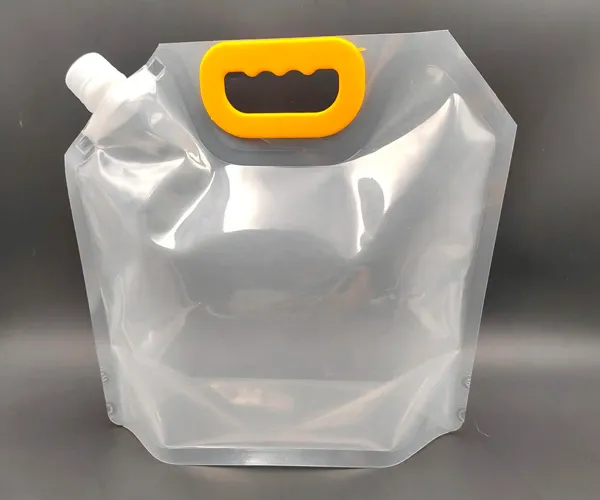
The realization of a fully transparent stand-up pouch relies on high transparency plastic films, which usually adopt the following single or composite structures:
PET (Polyester): The most commonly used option. It has excellent transparency, rigidity and strength, good printing adaptability, a crisp feel, and can create a high-end texture.
BOPP (Biaxially Oriented Polypropylene): High transparency, good rigidity, high cost-effectiveness, and excellent moisture-proof performance. However, the heat sealing performance is slightly worse, and it is usually used as the outer layer material.
PP (Polypropylene): Often used as the inner layer heat sealing material for composite structures.
PE (Polyethylene): Often used as the inner layer heat sealing material, soft and with good toughness, but transparency and rigidity are slightly inferior to PET and BOPP.
Common composite structure examples:
BOPP/PP: High transparency, high rigidity, excellent moisture-proof performance, suitable for products sensitive to moisture.
PET/PE: High transparency, good strength, excellent toughness, excellent sealing performance.
Single material structure: Such as all-PP or all-PE structures, although the transparency may be slightly lower than the composite structures, they are easier to recycle and in line with the environmental protection trend.
What Are the Application Areas of Transparent Stand up Pouches?
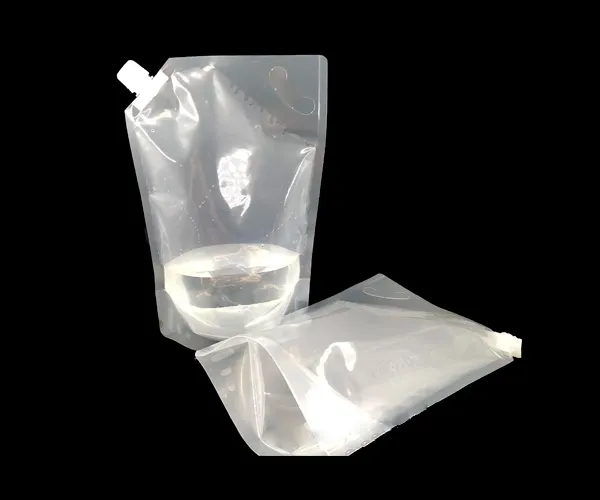
Fully transparent stand-up pouches are particularly suitable for products whose appearance is the main selling point:
1. Food products:
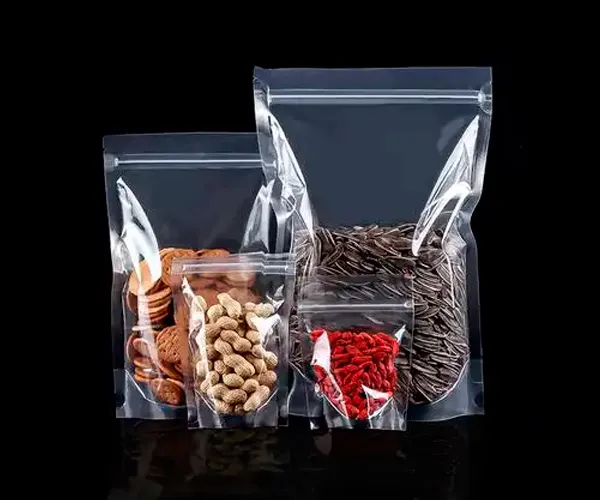
Snacks: Colored candies, uniquely shaped cookies, french fries, shrimp crackers.
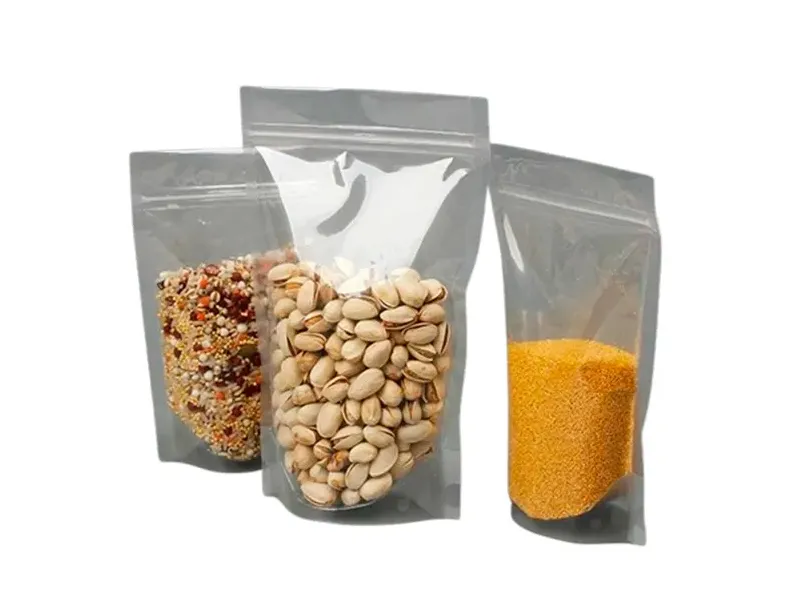
Baking ingredients: Chocolate beans, sugar granules, flour (to show purity).
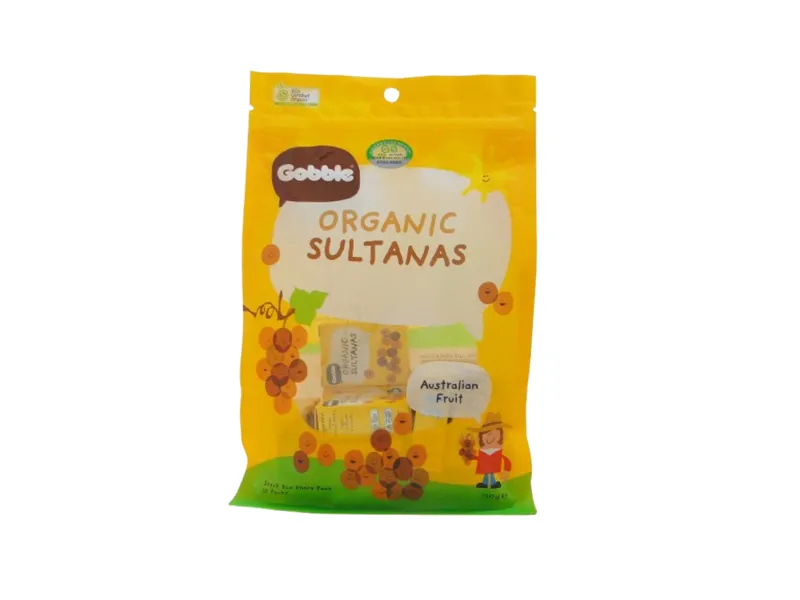
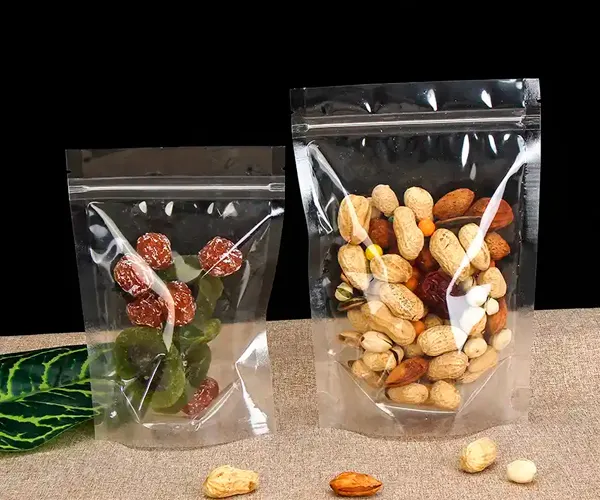
Dried fruits and nuts: The transparent stand-up pouches show the fullness and color of the fruit flesh.
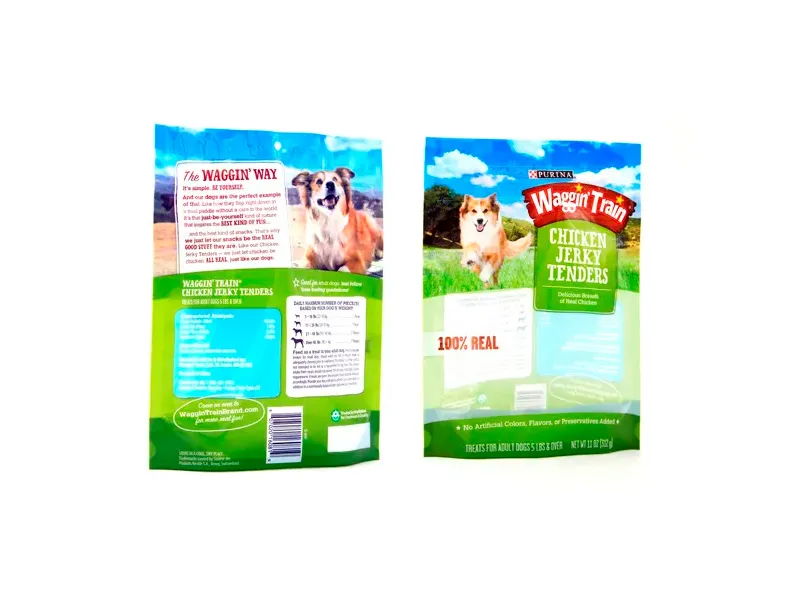
Pet food: The transparent stand-up pouches show different shapes and ingredients of pet dry food or snacks.
2. Cosmetics and personal care:
3. Stationery and toys: Colored stationery, Lego bricks, small toy parts.
4. Industrial and hardware:
The Advantages and Challenges of Transparent Stand up Pouches
Advantages:
1. Unparalleled display effect: The transparent stand-up pouches maximize the marketing potential of the product itself, with strong visual impact.
2. Build trust and security: The transparent performance of "what you see is what you get" can effectively dispel consumers' doubts about the product's quality.
3. Enhance product perceived value: The clean and clear appearance helps to shape a high-end and high-quality product image.
4. Environmentally friendly trend-friendly: Increasingly adopting a single material (such as fully PP) structure makes the transparent stand-up pouch easier to recycle, meeting the demands of sustainable development.
Challenge:
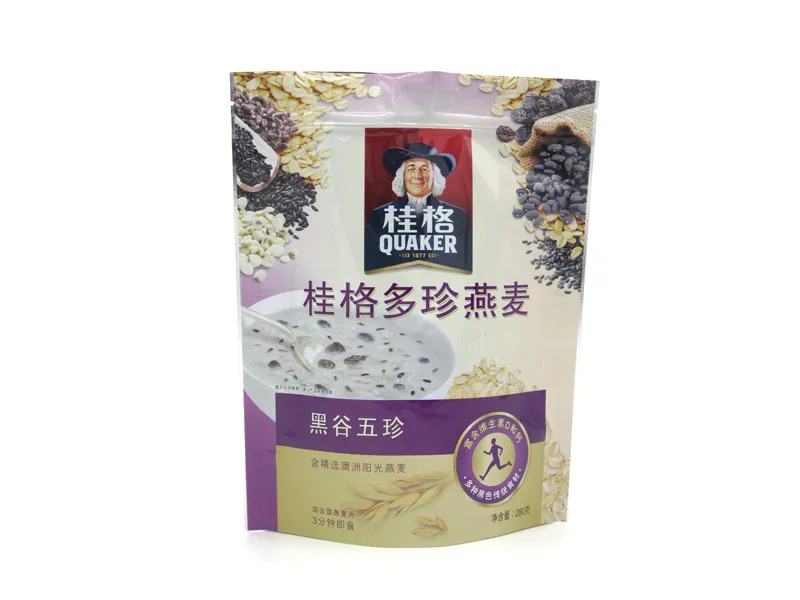
1. Limited barrier properties: Transparent materials usually cannot offer the same high barrier properties as aluminum foil (especially for oxygen and light protection). Therefore, the transparent stand-up pouches is not suitable for packaging products that are highly sensitive to light and oxygen (such as certain oils, coffee beans, and juices), otherwise it is likely to cause oxidation and deterioration.
2. Balance between protection and display: Any flaws in the product (such as breakage, uneven color) will be fully exposed, which requires extremely high product quality control.
3. Limited printing area: A large area of transparency means that the area for brand printing and product information is relatively small, and more delicate designs are required.
4. Higher costs may be involved: High-grade transparent films (such as food-grade PET) and specific composite processes used to achieve high transparency may increase costs.
 English
  中文
中文