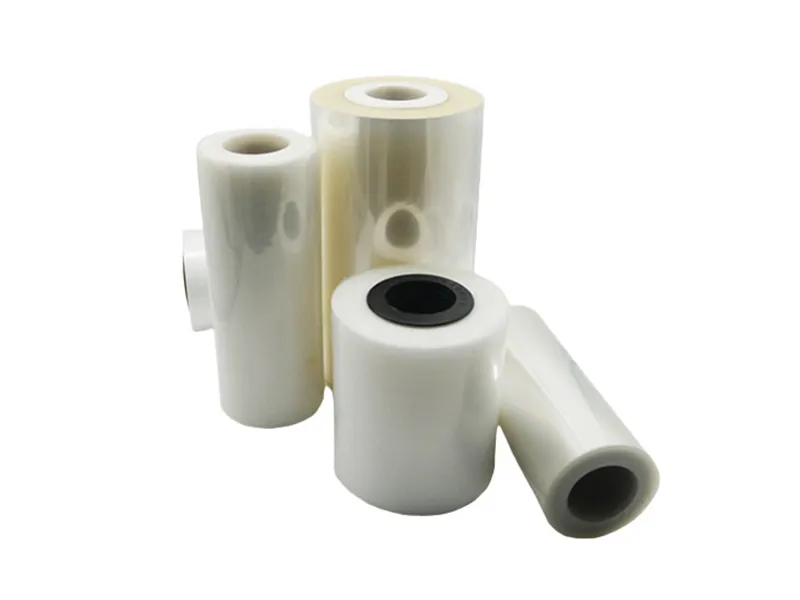
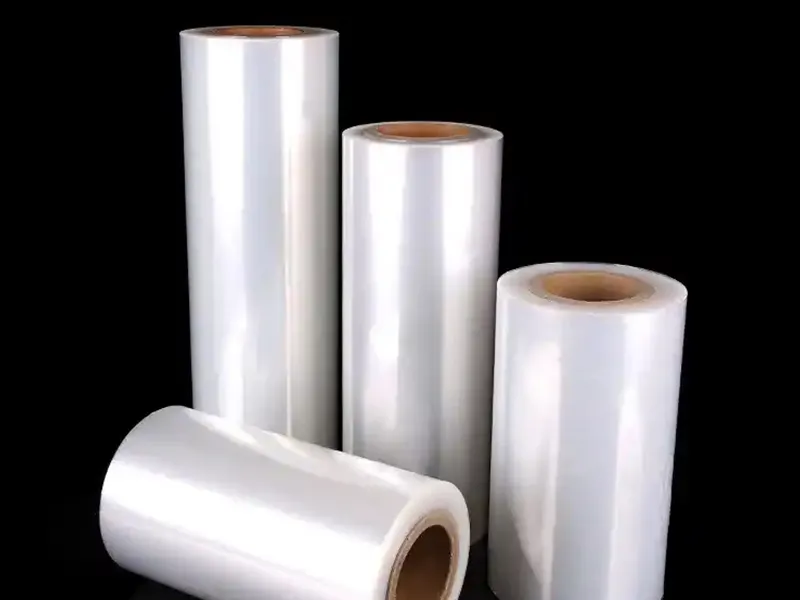
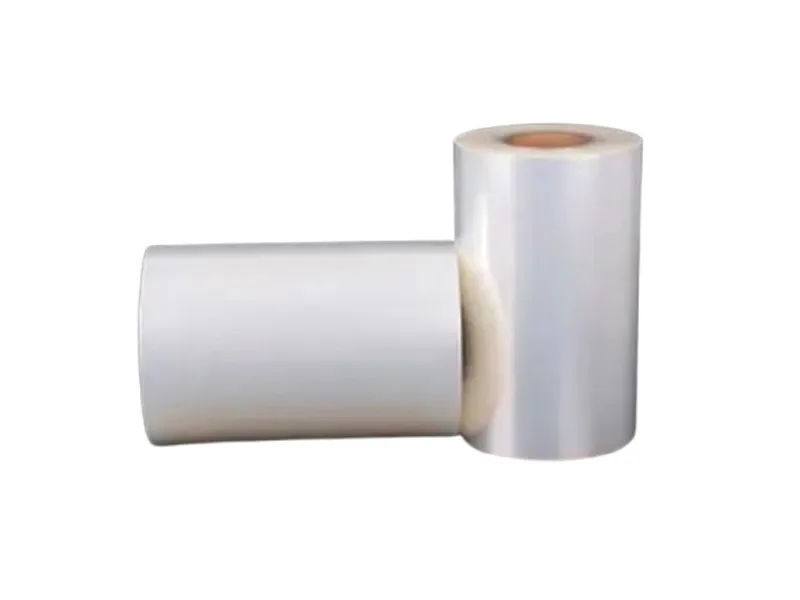
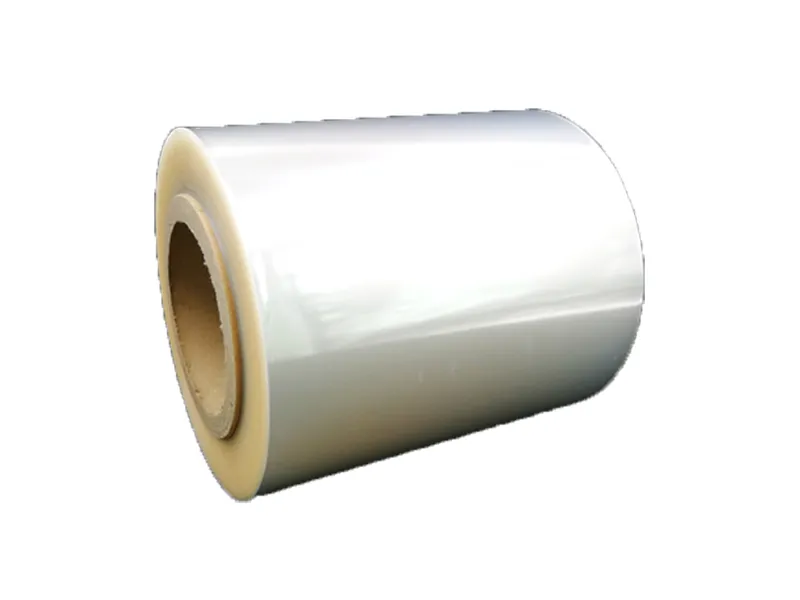
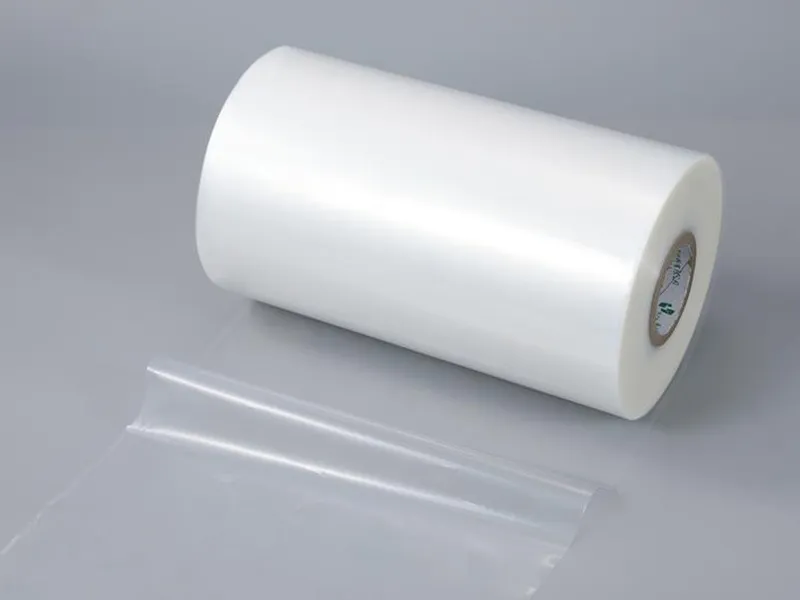
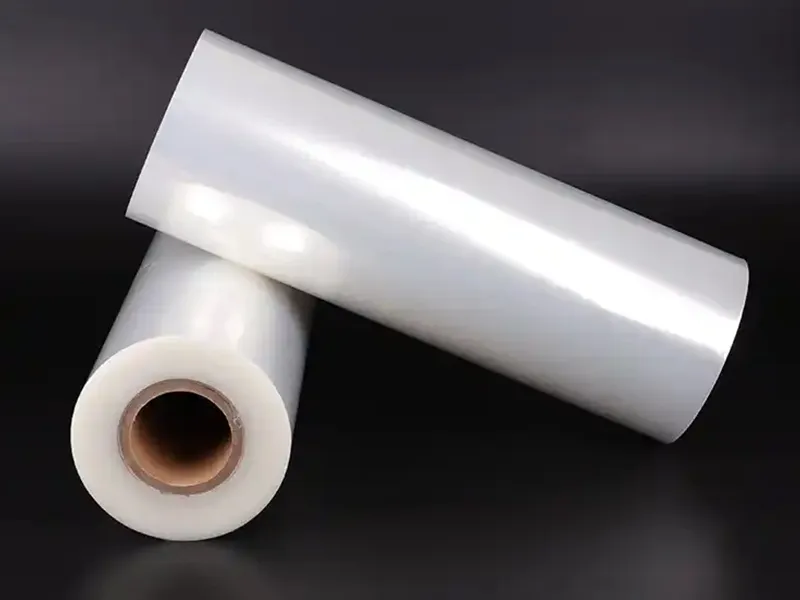
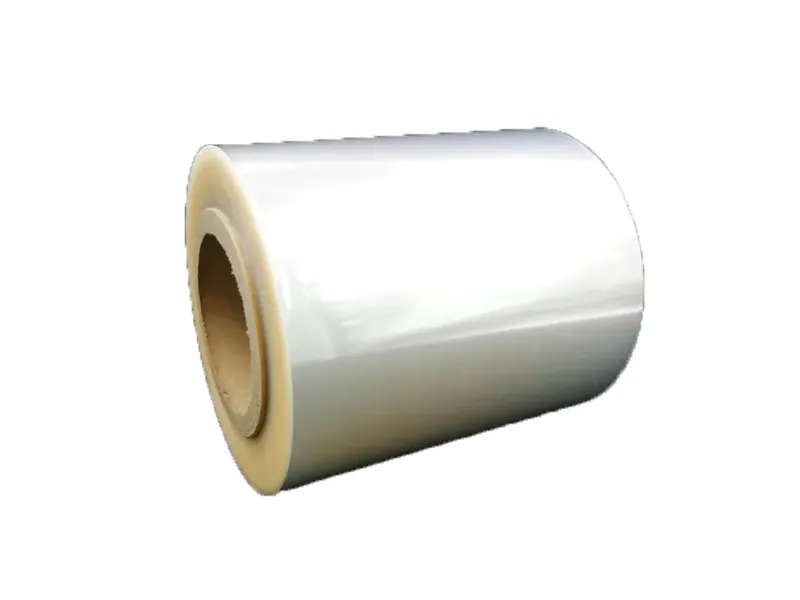
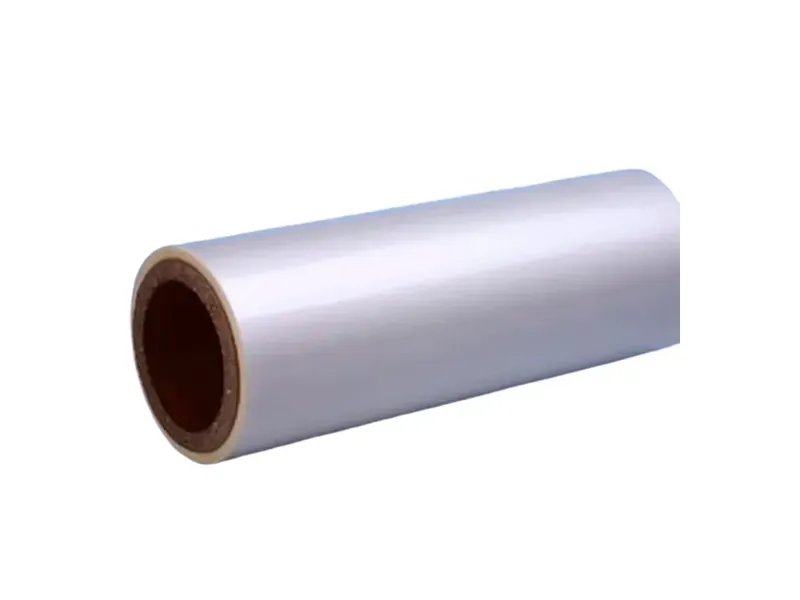
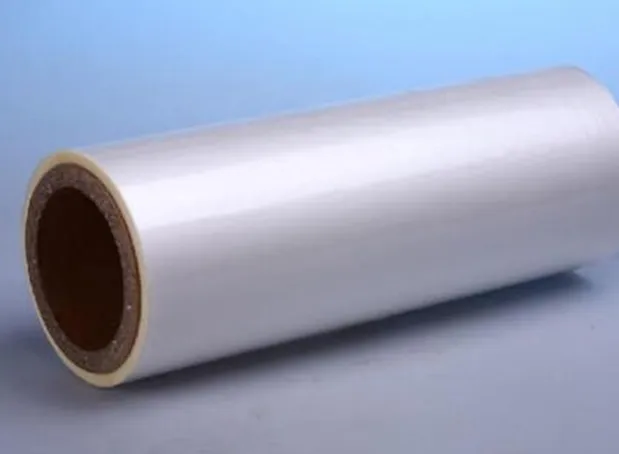
Although traditional PE films (such as LDPE and LLDPE) are flexible, moisture-proof, and easy to heat-seal, their shortcomings of poor rigidity, low strength, and average transparency and gloss limit their application in the high-end packaging field.
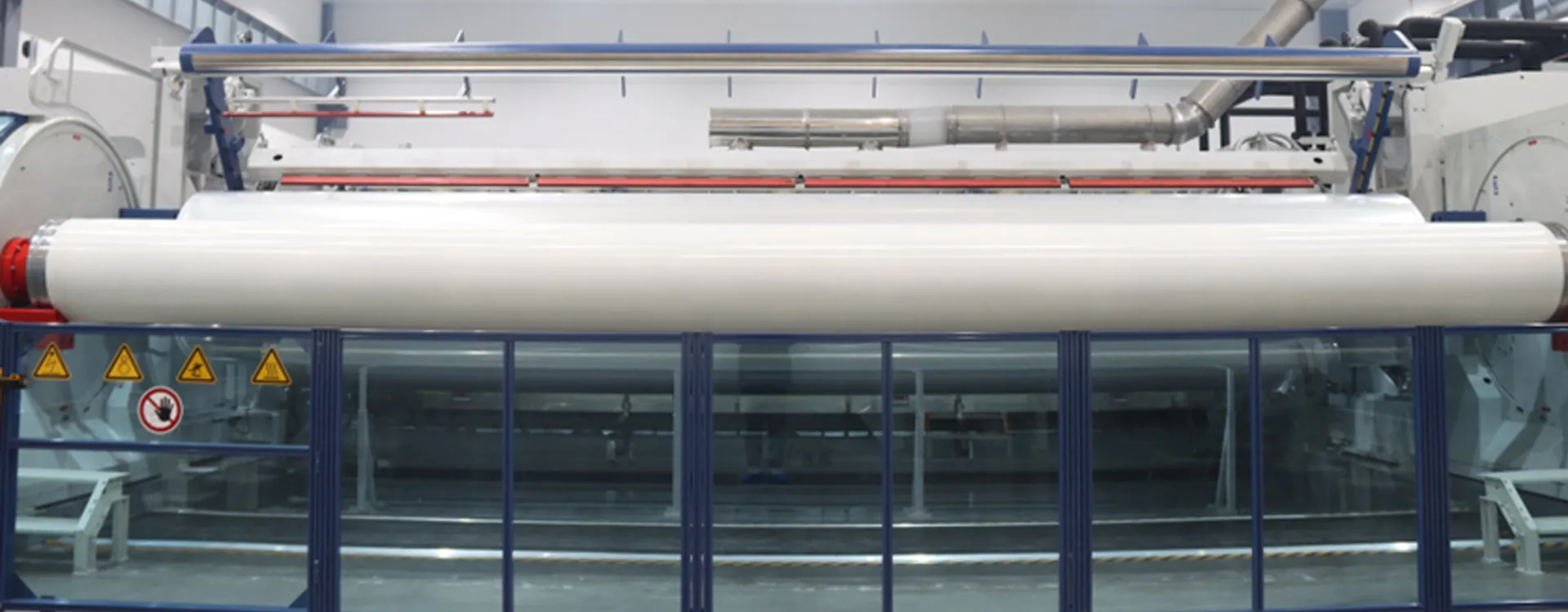
The BOPE process "restructures" the molecular structure of PE, aiming to significantly surpass the performance of traditional PE films and challenge the dominance of traditional rigid films such as BOPP and BOPET. At the same time, it perfectly aligns with the global trend of "recyclability" in packaging.
At the same time, it perfectly aligns with the global trend of "recyclability" in packaging. This shift towards sustainable practices is not only beneficial for the environment but also resonates with the growing consumer demand for eco-friendly products.
Compared with traditional blown/extruded PE and unidirectional stretched PE, BOPE represents a qualitative leap:
1. Extremely high rigidity, tensile strength and strength:
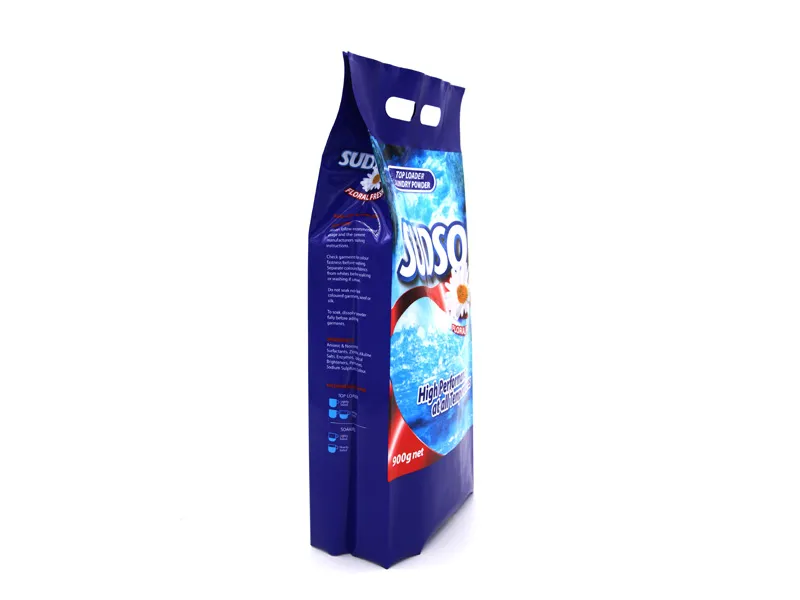
Its tensile strength is 3-5 times that of traditional blown PE films. This makes the packaging bags feel firm, have an elegant appearance, and be easy to operate stably on high-speed filling lines.
2. Excellent impact resistance and puncture resistance:
Even at low temperatures (such as in a refrigerated environment), it maintains extremely high toughness and is not prone to breaking the package.
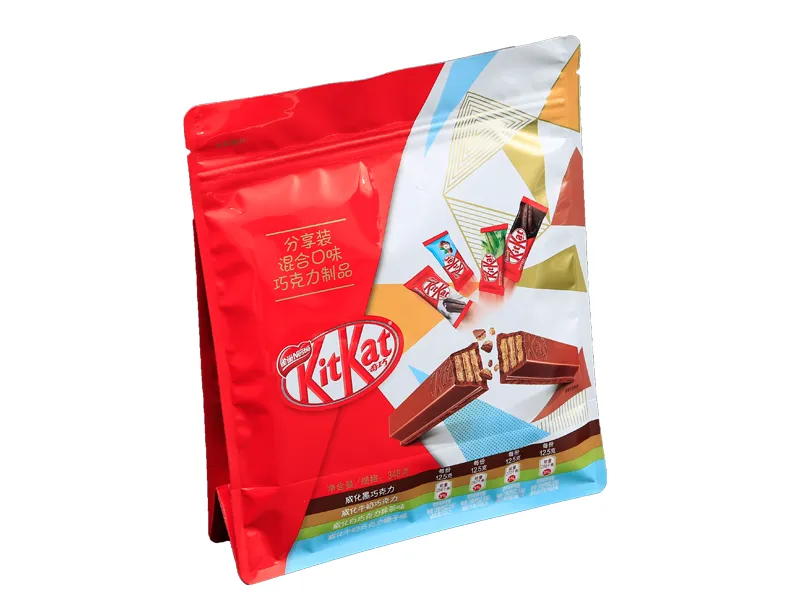
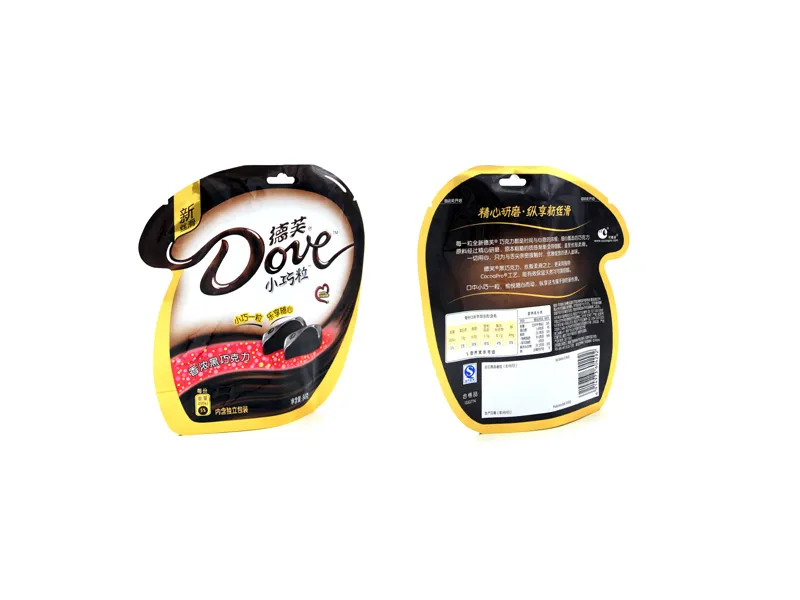
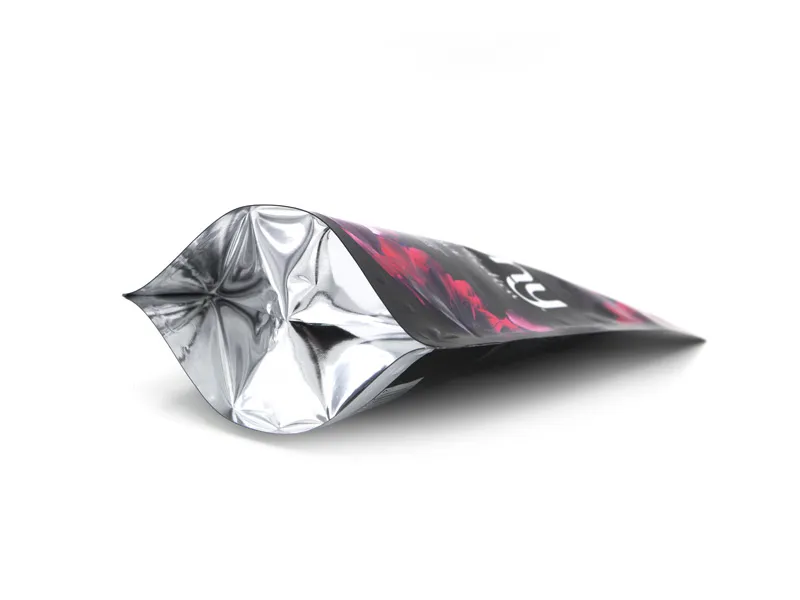
3. Outstanding transparency and gloss:
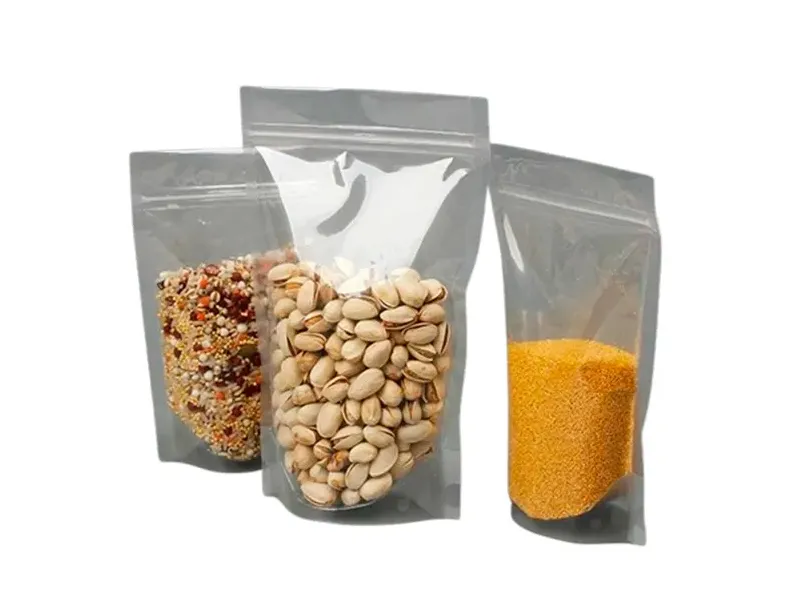
The appearance can rival BOPP, allowing the contents to be clearly and brightly displayed.
4. Extremely high water vapor barrier:
It is about 2-3 times better than traditional PE films, with excellent moisture-proof effect.
5. Great potential for thinning:
Due to significant performance enhancement, thinner BOPE films can be used to replace thicker traditional PE films, achieving lightweighting, reducing plastic usage, and conforming to the environmental trend.
As the outer layer: It replaces traditional PET, BOPP or BOPA. Because it provides the required high strength, high rigidity, high transparency and excellent printing adaptability.
As the intermediate layer: Utilize its high strength and barrier properties.
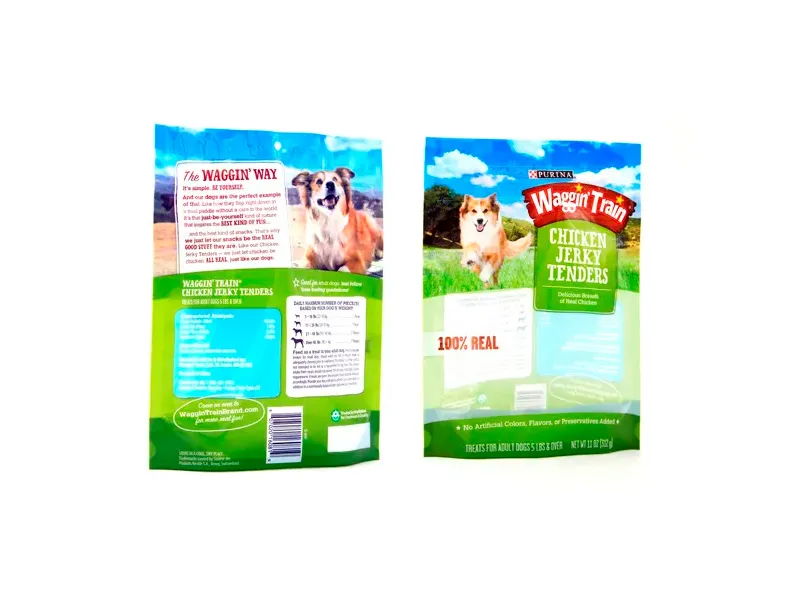
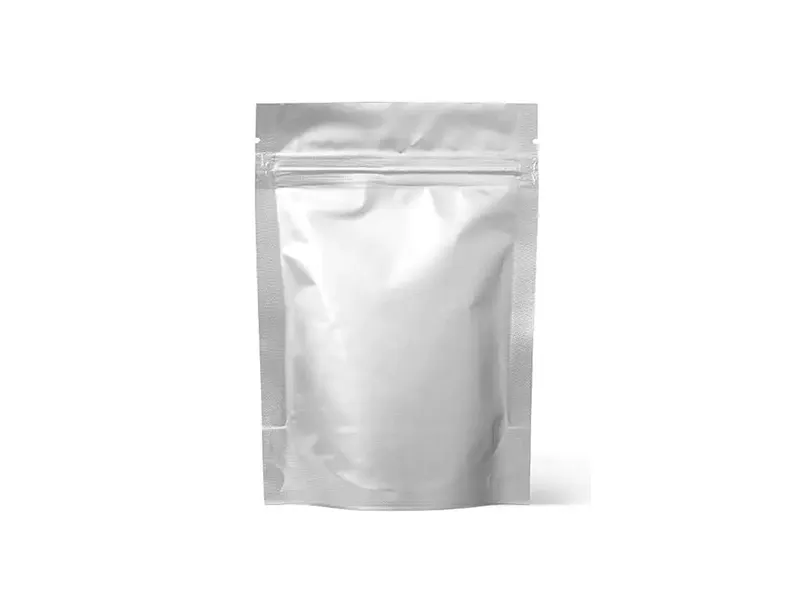
Heavy-duty packaging: Pet food bags, cat litter bags, fertilizer bags, building materials packaging.
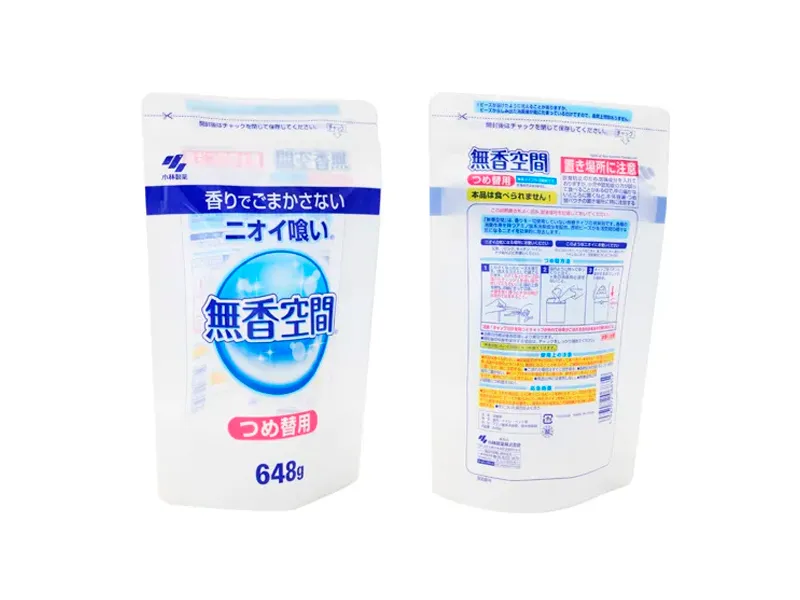
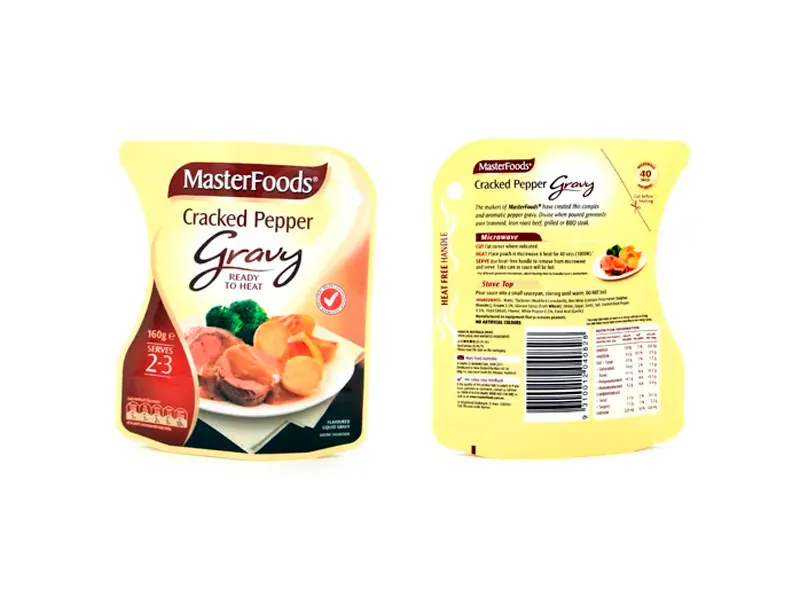
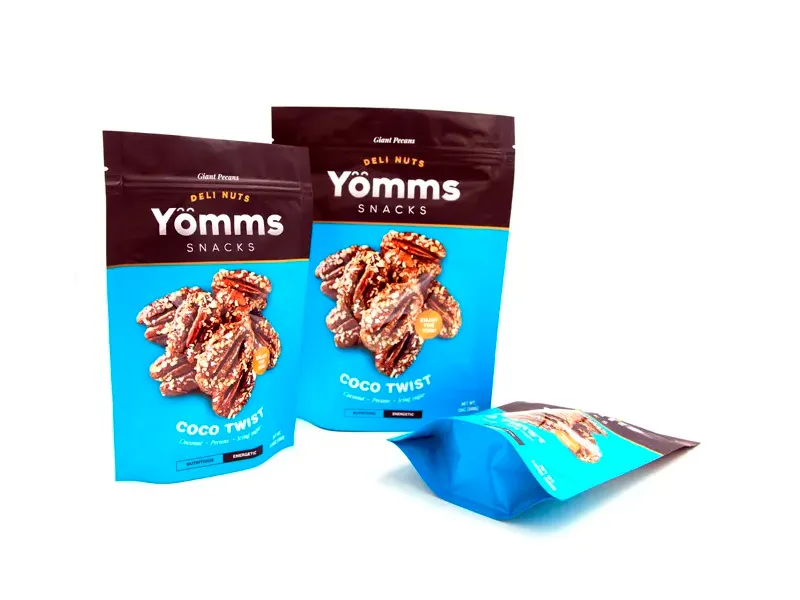
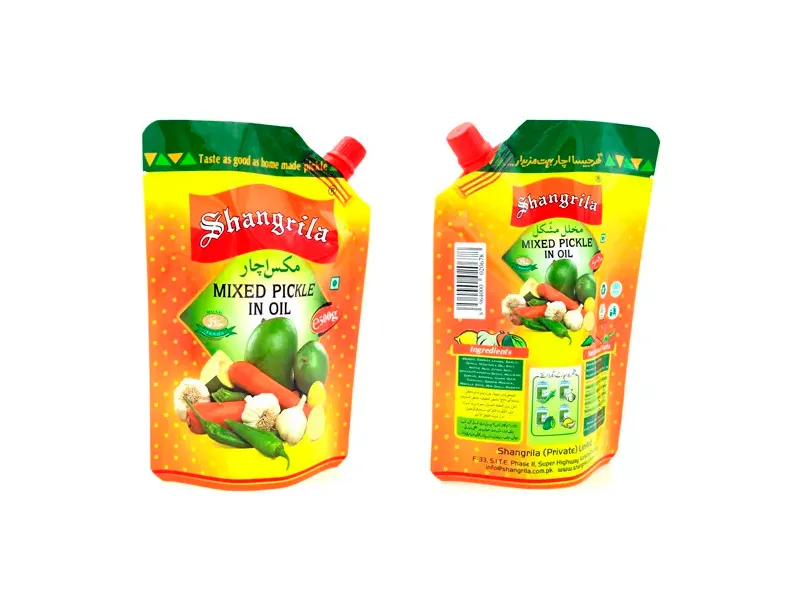
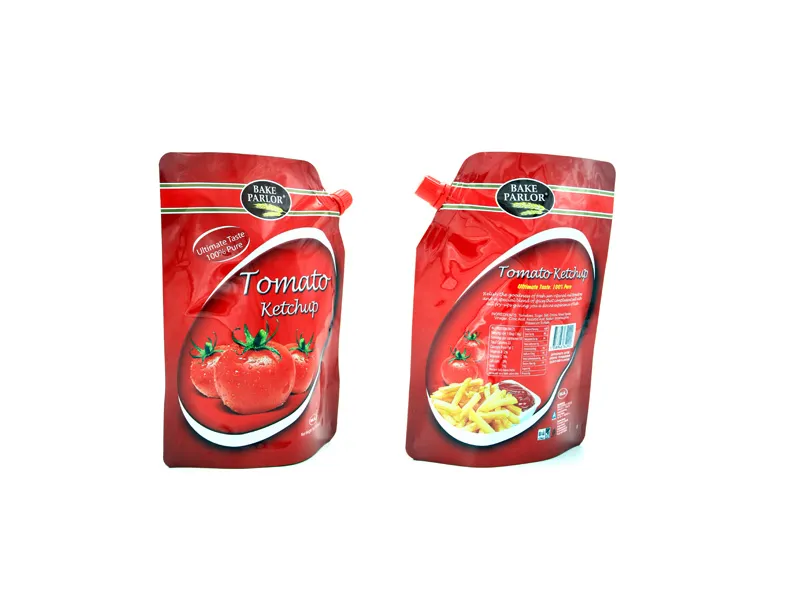
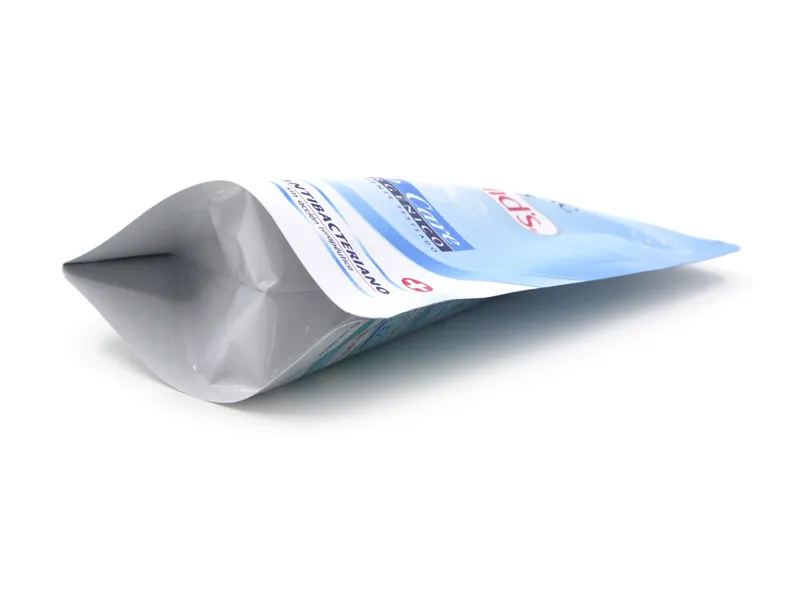
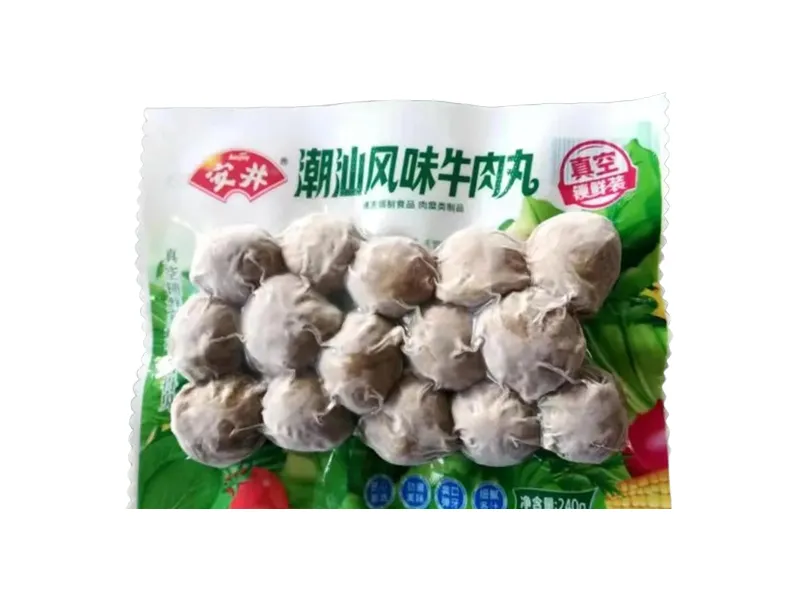
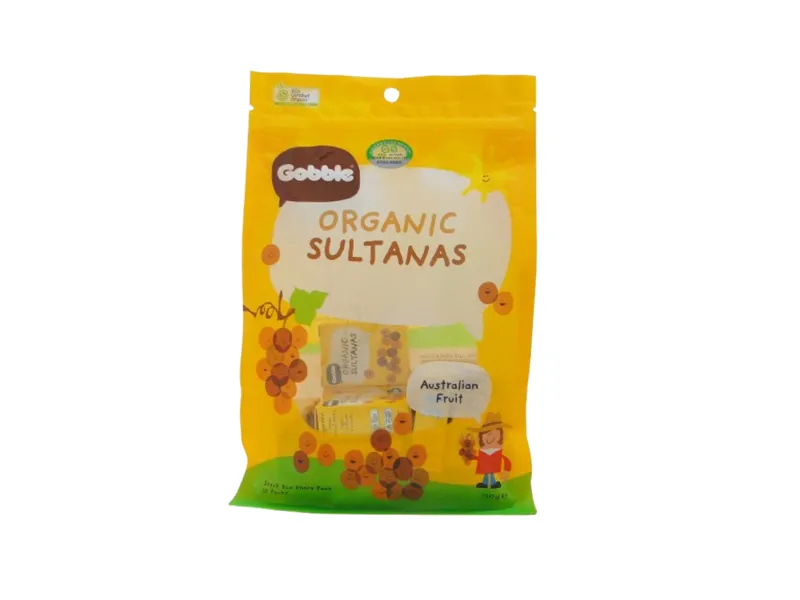
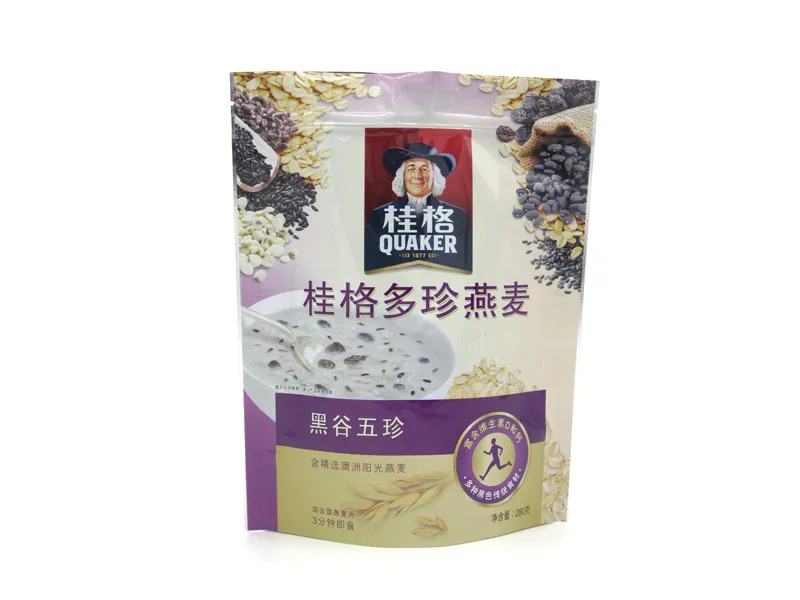
Food packaging: Frozen food bags, upright bags for liquid seasonings, dry snacks packaging.
E-commerce logistics: High-performance express bags, thinner and more durable.