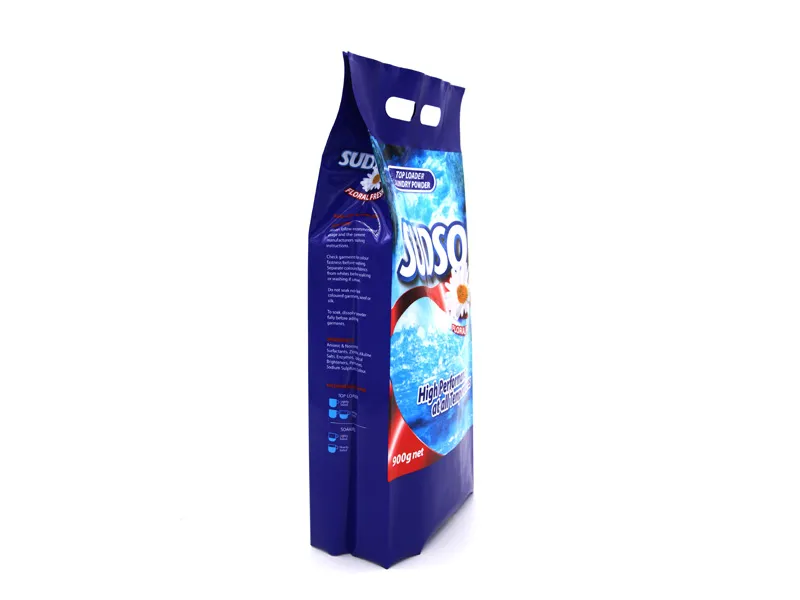
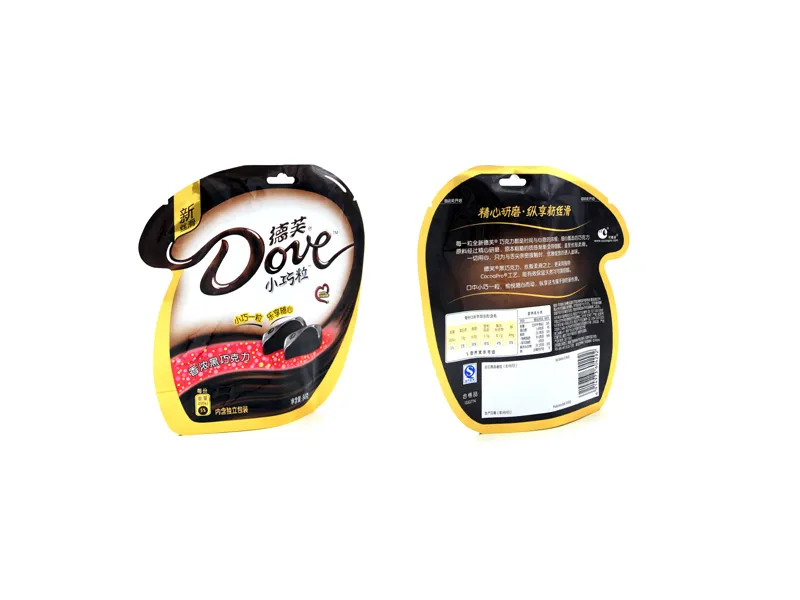
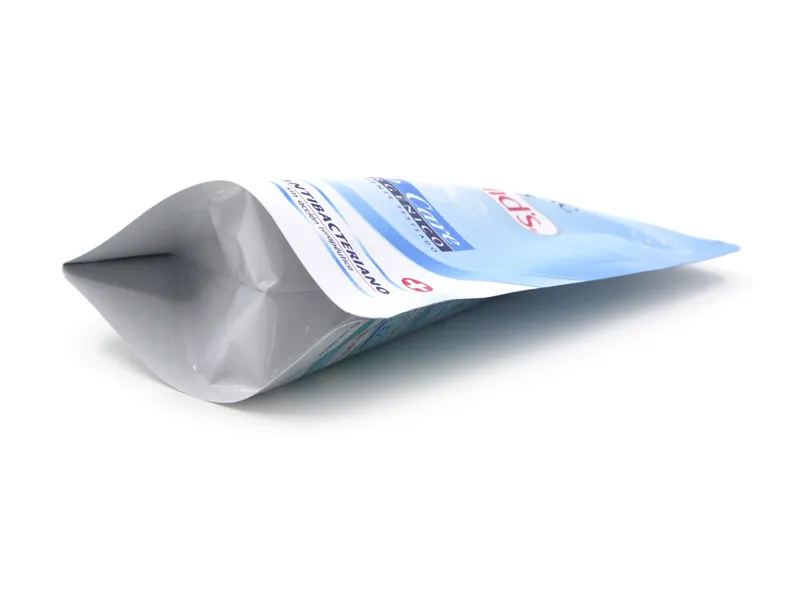
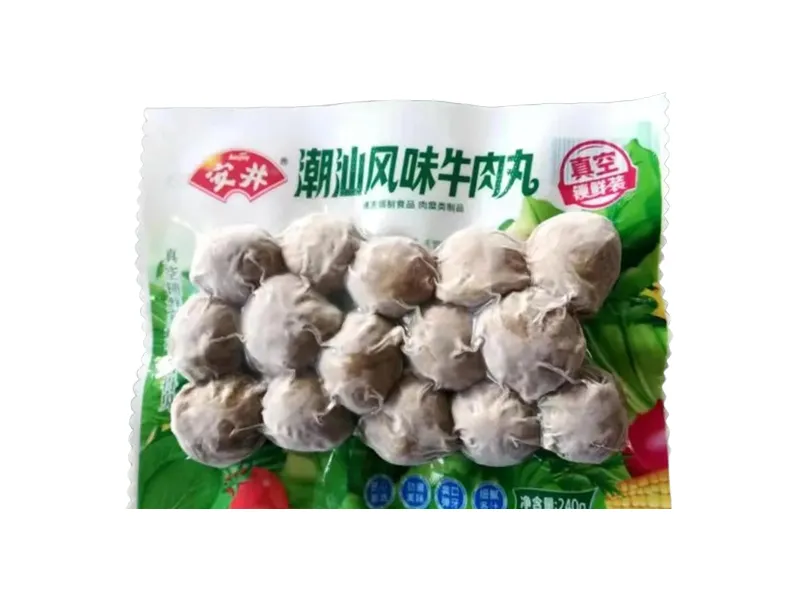
Before delving into the recyclable solutions, it is essential to understand the recycling predicament of traditional flexible packaging:
1. Multi-layer composite materials: Most high-performance flexible packaging is composed of different types of plastic films (such as PET/PE, BOPP/CPP) or a combination of plastic and aluminum foil (such as PET/AL/PE). These different polymers are difficult to separate during recycling, resulting in low purity and poor quality of the recycled materials.
2. Contamination issues: Labels, inks, adhesives, and residual contents (food, chemicals) on the packaging can contaminate the recycling stream, increasing processing costs and difficulties.
3. Physical properties: The lightweight and tendency to tangle around recycling equipment of flexible packaging pose significant challenges for the operation of recycling sorting centers.
At present, the industry mainly addresses the recycling challenge through the following three mainstream approaches:
1. Mono-material Structure
This is currently the most mainstream and widely recognized solution. Its core concept is to use materials from the same plastic family to manufacture packaging, thereby avoiding the problem of separation.
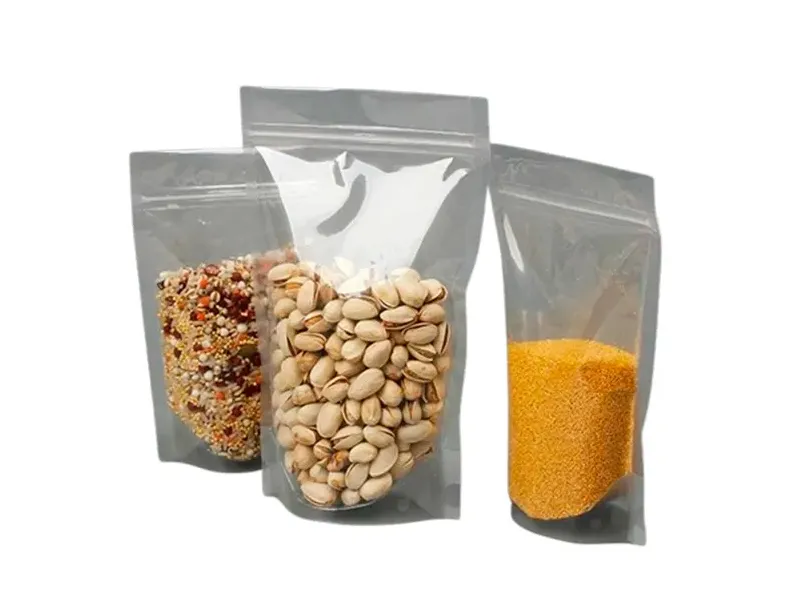
Mono-polyolefin: The most common ones are self-standing bags and packaging films with an all-PE (All-Polyethylene) or all-PP (All-Polypropylene) structure. By using special grades of PE and PP and advanced coating and composite processes (such as water-based coating and co-extrusion), they possess the performance of traditional multi-layer composite packaging (such as barrier properties and stiffness) while maintaining the singularity of the material, allowing them to smoothly enter the existing PE or PP recycling streams.
Mono-polyester: Such as all-PET structure, usually used in situations requiring higher stiffness and barrier properties.
2. Recyclable Design Guidelines
Adhere to internationally recognized design guidelines to ensure that packaging is compatible with existing recycling systems. Among them, the "How2Recycle" label system and the guidance documents of CEFLEX (Circular Economy Flexible Packaging Alliance) are the most influential. The principles include:
Prioritize the use of mono materials.
If multiple materials must be used, ensure they are easily separable and that the main component (typically >90% by mass) is a single, identifiable polymer.
Avoid using components that are detrimental to the recycling process, such as PVC, PVDC, carbon black pigments (which interfere with automatic sorting), and overly large labels.
Use water-washable inks and adhesives to facilitate their removal during the recycling washing process.
3. Mono Material High-Performance Barrier Solutions
To achieve high barrier properties on a single-material structure, the industry has developed a variety of technologies:
Evaporated silicon oxide (SiOx) or aluminum oxide (AlOx): Depositing an extremely thin transparent barrier layer on PE or PP films to provide barrier performance similar to that of aluminum foil while not affecting recyclability.
High-barrier polyethylene (HB-PE): Enhancing the inherent barrier properties of PE through special modification processes.
Water-soluble coatings and co-extrusion technology: Applying a water-washable high-barrier coating on the material surface or achieving barrier functionality through multi-layer co-extrusion.
The recycling process of recyclable flexible packaging usually involves:
1. Collection and sorting: Collect through "store recycling points" or roadside recycling systems. Utilize near-infrared (NIR) optical sorting technology to separate PE, PP and other materials from other waste.
2. Crushing and cleaning: Crush the packaging into fragments and remove impurities, ink, adhesives and content residues through hot water and cleaning agents.
3. Flotation separation: Utilize the density differences of different plastics to further purify the target plastic fragments.
4. Melted granulation: Melt the pure plastic fragments, filter them, extrude them and cut them into recycled plastic pellets.
5. Reprocessing: Mix the recycled pellets with new materials to manufacture new non-food-grade products, such as composite wood, trash cans, or recycled and downcycled into new packaging films.
 English
  中文
中文