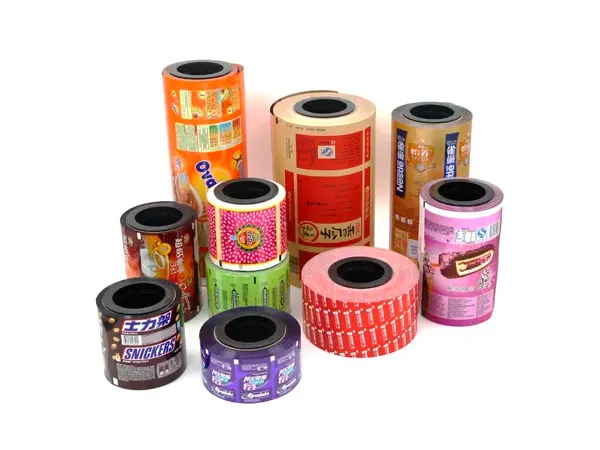
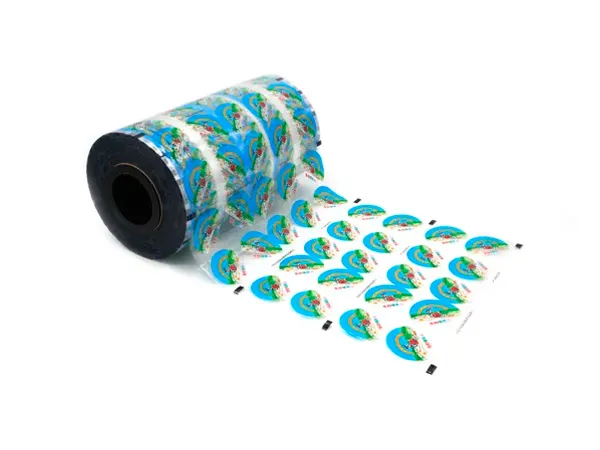
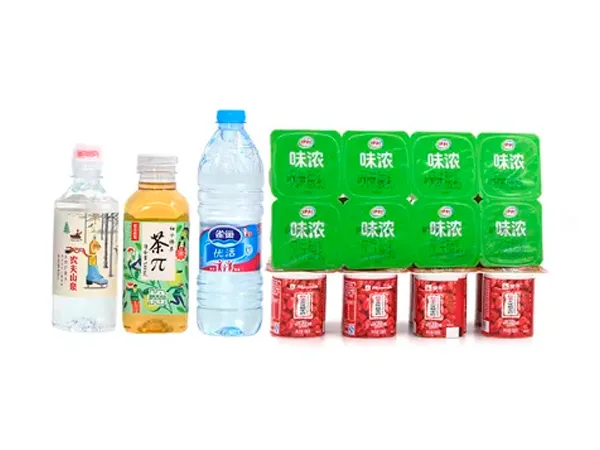
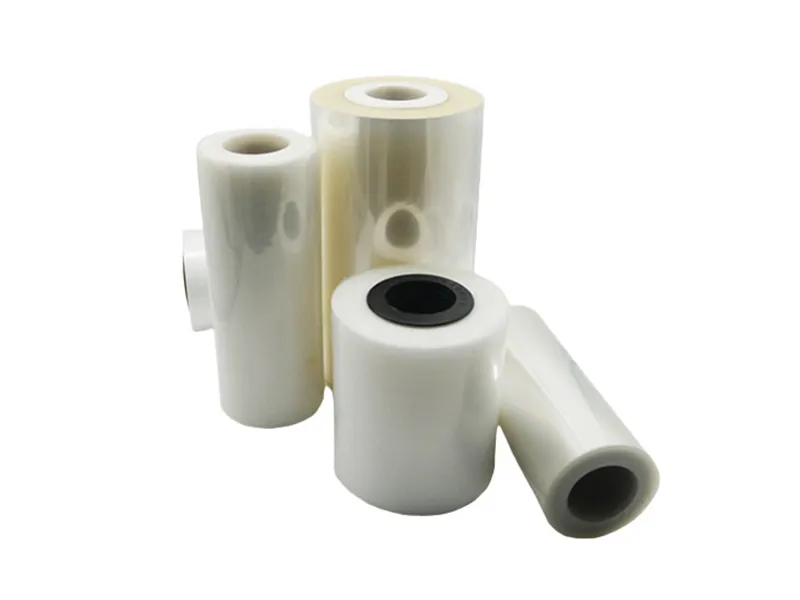
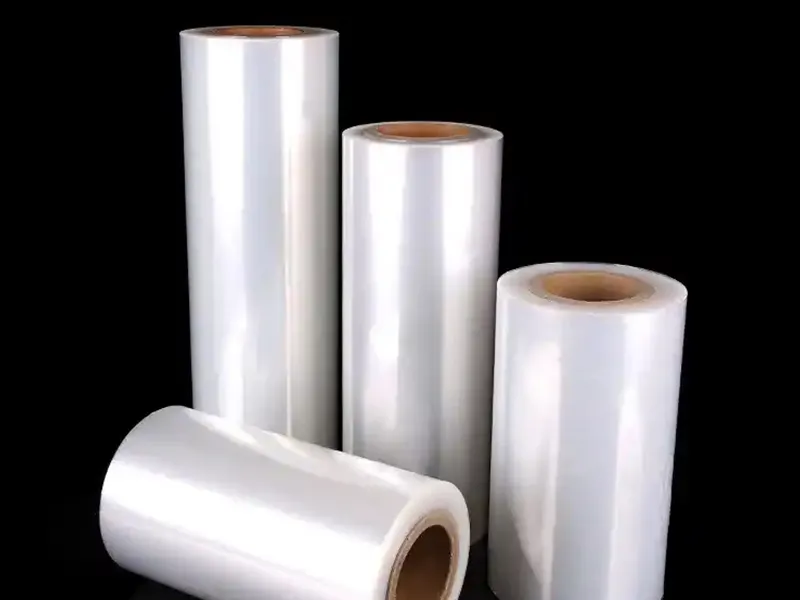
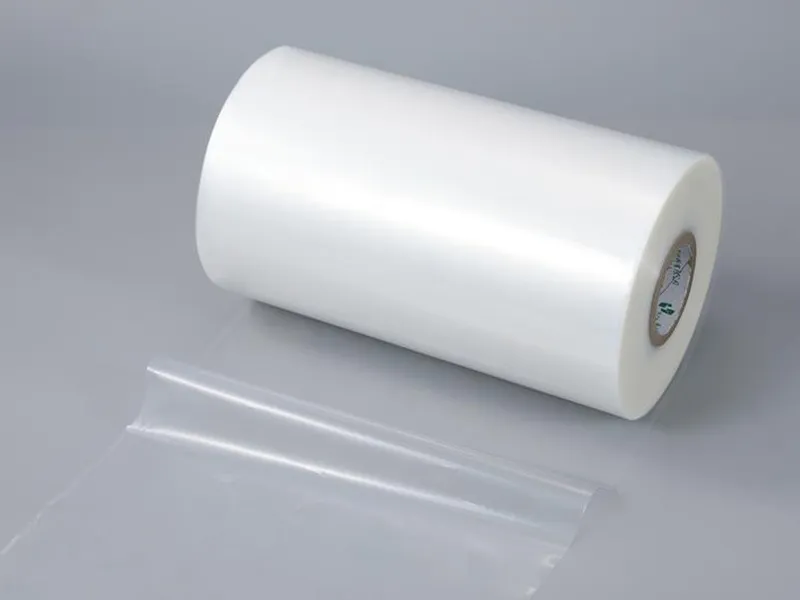
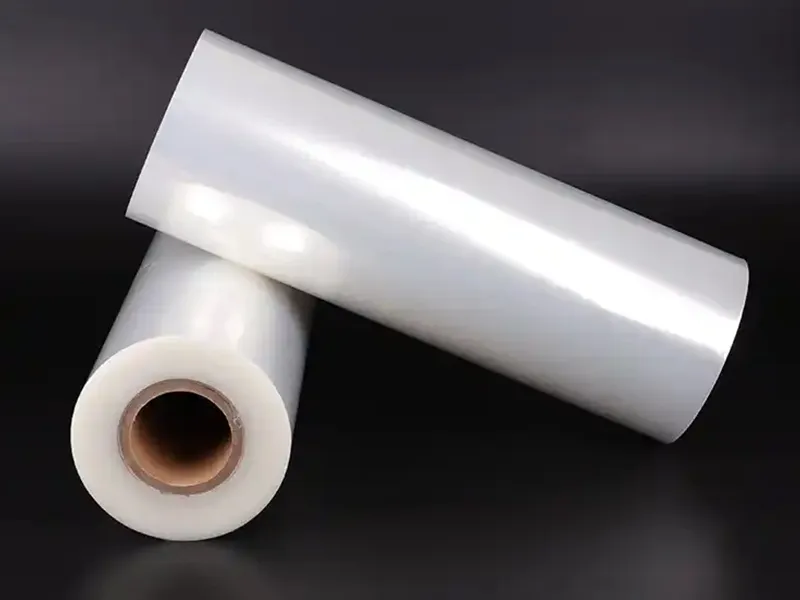
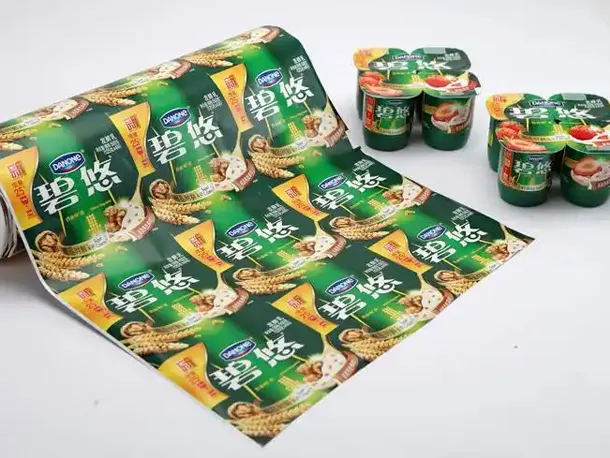
Yogurt lidding film, also known as the sealing film of yogurt cups or the aluminum-plastic composite film, is a thin film covering the opening of plastic or paper yogurt cups. Although it may seem insignificant, it is a crucial component in modern yogurt packaging and performs multiple key functions. It is mainly used to seal yogurt in cups, bottles, or boxes, ensuring the safety, freshness, and convenience of the product during transportation, storage, and sales. With the development of technology, more barrier-resistant, easier-to-open, and more environmentally friendly lidding film materials are constantly emerging, further enhancing the packaging level of the yogurt industry.
Yogurt film is usually made of multiple layers of composite materials through special processes (such as dry composite, extrusion composite). Common layer structures include:
Outer layer/ printing layer: Usually made of polyester film, polypropylene film, etc. It provides good printing adaptability and is used for printing brand logos, product information, expiration dates, flavor indicators, etc.
Barrier layer: This is the most crucial layer. Commonly used materials are aluminum foil or aluminum-coated layers, and sometimes high barrier plastics (such as EVOH polyethylene-ethylene oxide copolymer) are used. Its main function is to block oxygen and light, preventing yogurt from oxidizing and deteriorating, flavor loss, and vitamin damage and fading caused by light exposure. The aluminum foil layer also provides good moisture-proof properties.
Heat-sealing layer: Usually made of polyethylene, polypropylene, etc. This layer directly contacts the edge of the cup and is firmly bonded with the cup material (usually polystyrene or polypropylene) through heat sealing technology after filling, forming an airtight seal to prevent leakage and contamination from outside (bacteria, dust, etc.) from entering.
(Optional) Easy-tear layer: Sometimes, special coatings or designs are added between the heat-sealing layer and the barrier layer, allowing consumers to easily tear the film.
By the time you select materials for yogurt films, you’d better to pay attention to following points:
Barrier properties: Different barrier levels of film covers (aluminum foil thickness, aluminum coating quality, high barrier plastic types) are selected based on the different sensitivity to oxygen of different types of yogurt (such as regular yogurt, high-protein yogurt, probiotic yogurt).
Sealing performance: It must be compatible with the cup mouth material to ensure that a strong and stable high-seal can be formed quickly and stably on the high-speed filling line.
Food safety: All materials must comply with the safety standards for food contact materials, be non-toxic and odorless, and not transfer harmful substances to the yogurt.
Cost: Aluminum foil is more expensive, while plastic film covers are cheaper. A balance needs to be struck between performance and cost.
Printability: The outer material must be suitable for high-quality printing.
Environmental friendliness: Recyclability or degradability is increasingly being concerned about (the plastic structure may have an advantage over the aluminum-plastic structure in recycling).