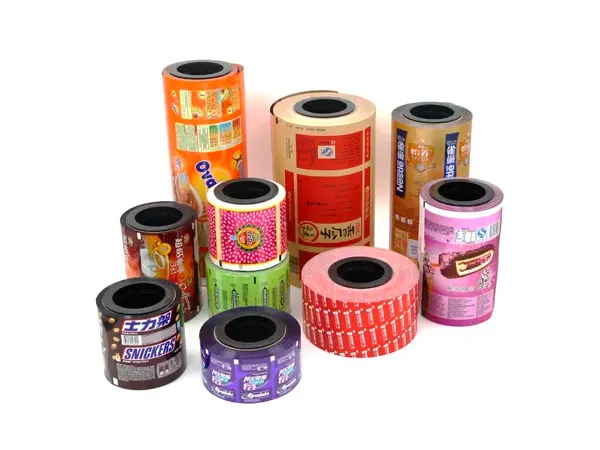
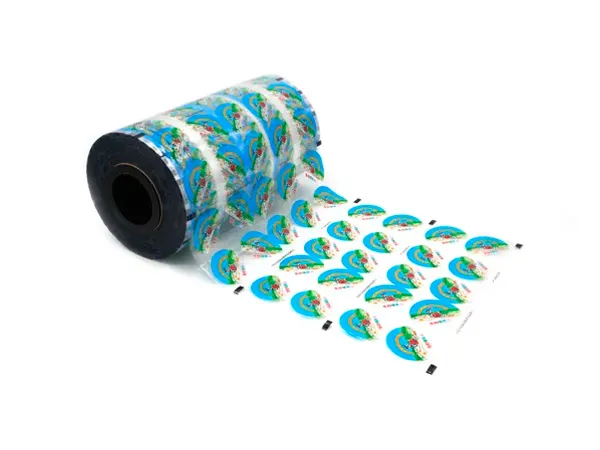
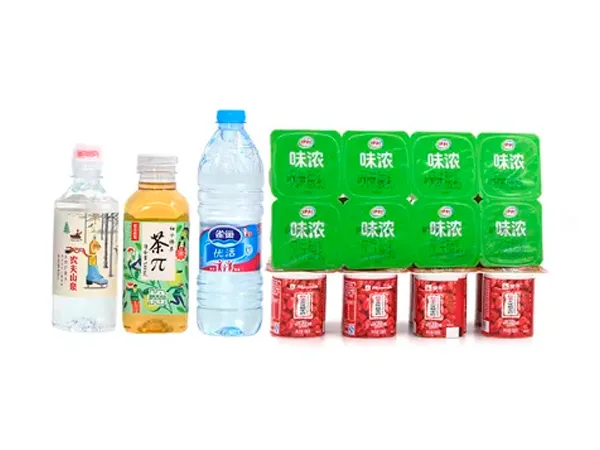
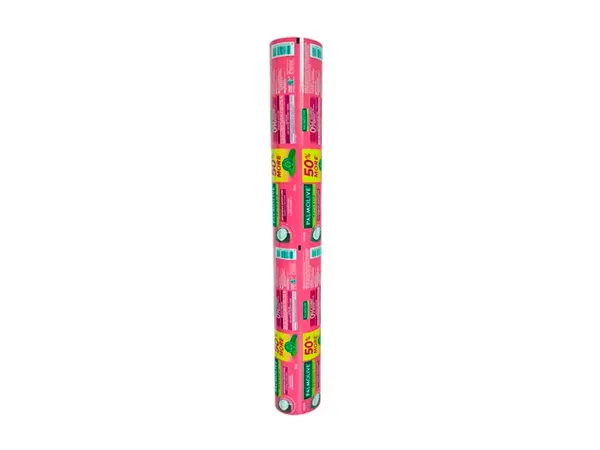
1. Main packaging structures
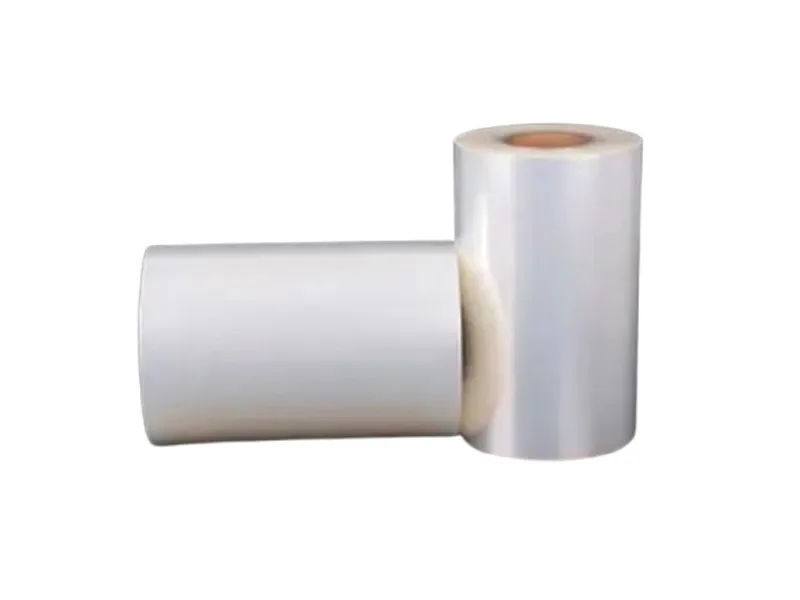
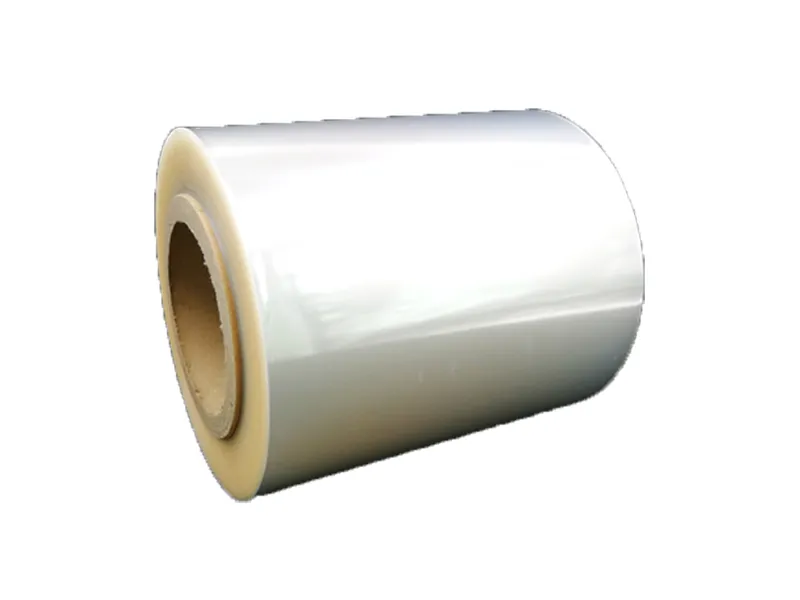
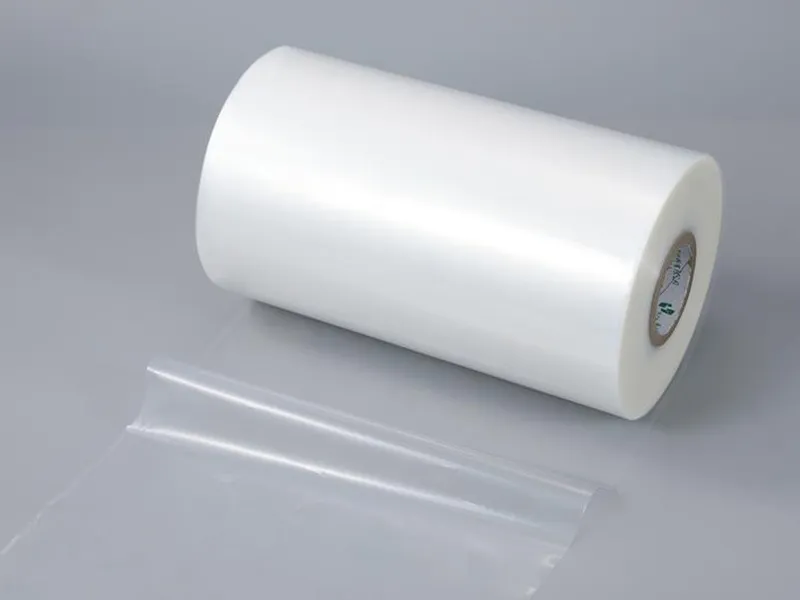
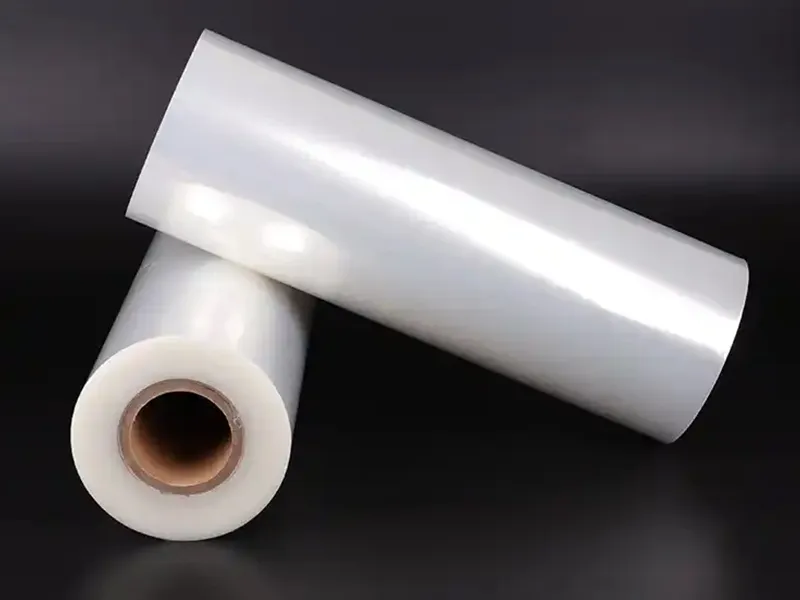
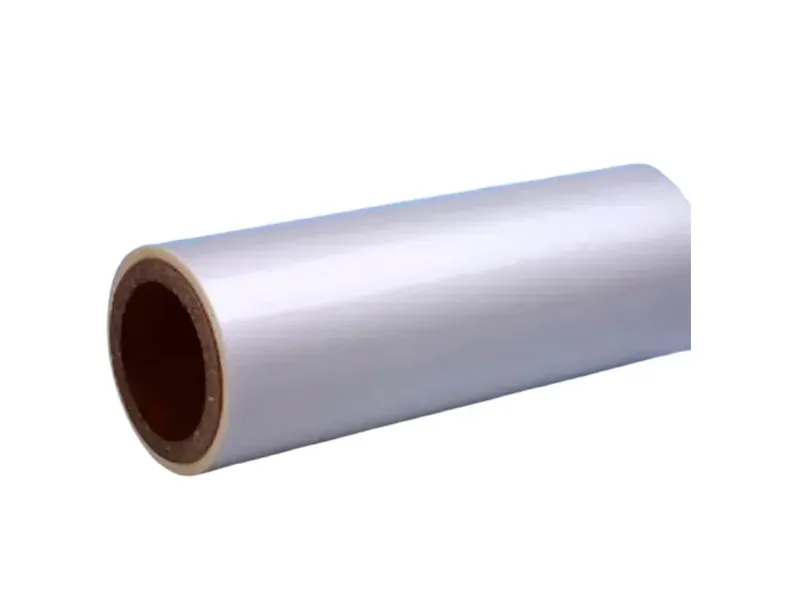
The plastic packaging for cheese sticks usually adopts a composite film structure, composed of multiple layers of materials to meet different functional requirements:
(1) Outer layer (printing layer)
Material: BOPP (biaxially oriented polypropylene), PET (polyester film)
Function: Provides a printing surface to display brand, product information and attract consumers' patterns.
(2) Middle layer (barrier layer)
Material: Aluminum foil (Al), EVOH (ethylene-vinyl alcohol copolymer), coated aluminum film
Function: Blocks oxygen, moisture and light, prolongs shelf life and prevents cheese from oxidizing and deteriorating.
(3) Inner layer (heat sealing layer)
Material: PE (polyethylene), CPP (extruded polypropylene)
Function: Directly contacts the food, needs to comply with food safety standards, and has good heat sealing performance to ensure sealing.
Typical structure examples:
2. Packaging forms
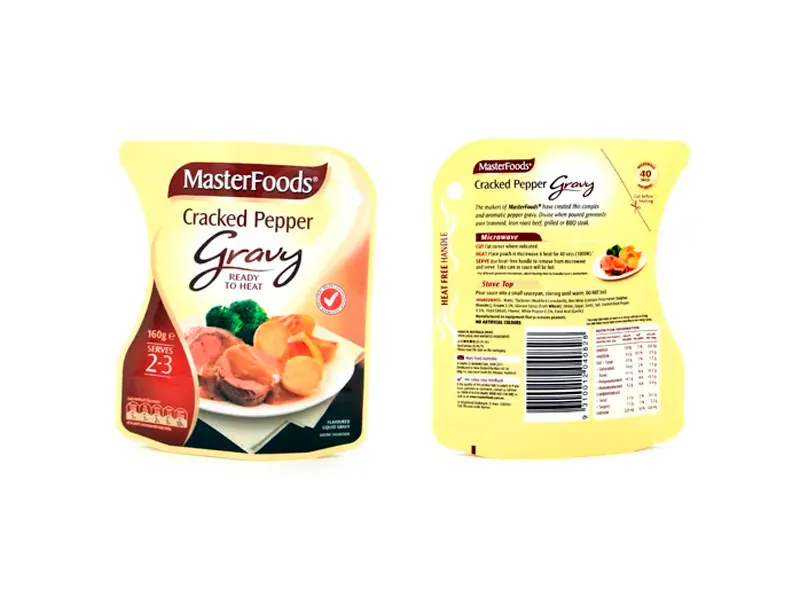
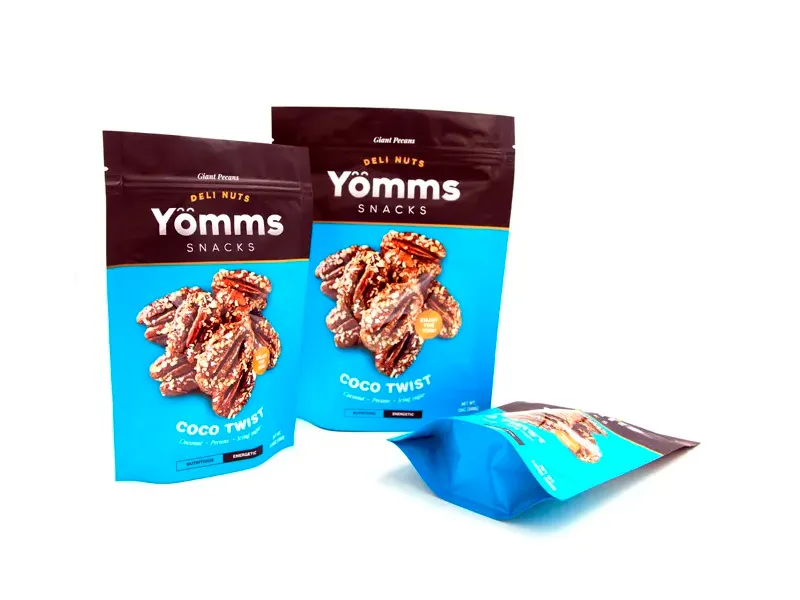
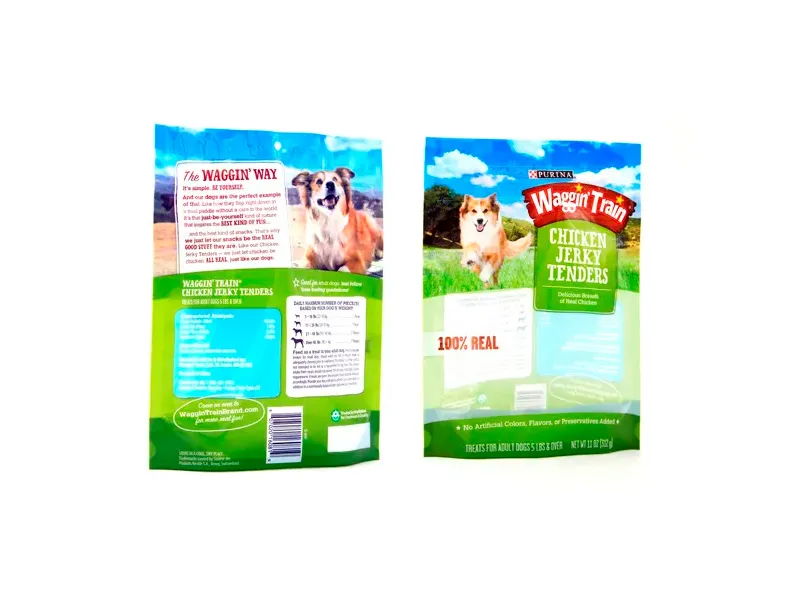
The plastic packaging for cheese sticks mainly has the following forms:
(1) Single individual packaging
Characteristics: Each cheese stick is separately sealed, convenient for carrying and consumption.
Applicable products: Children's cheese sticks, small portion snacks.
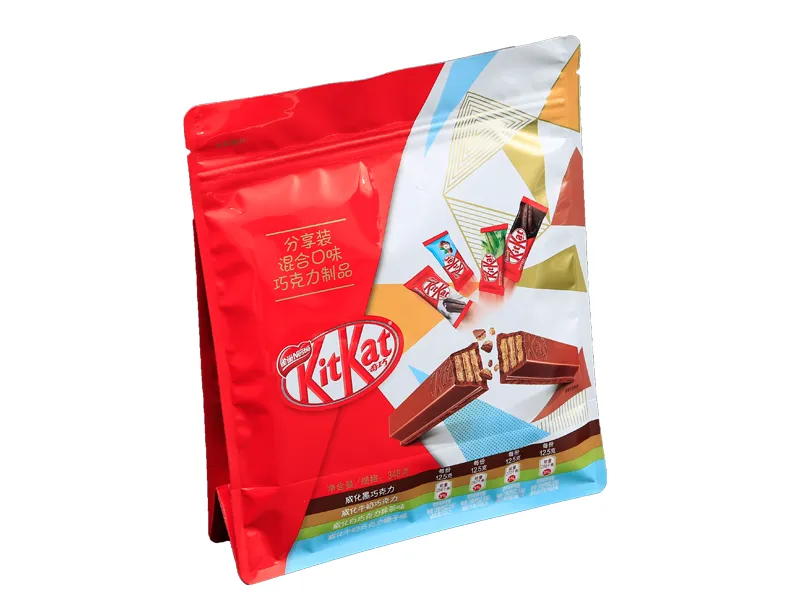
(2) Multi-stick combination (strip or box packaging)
Characteristics: Multiple cheese sticks are packaged in a large package, economical.
Applicable products: Family packs, promotional cheese sticks.
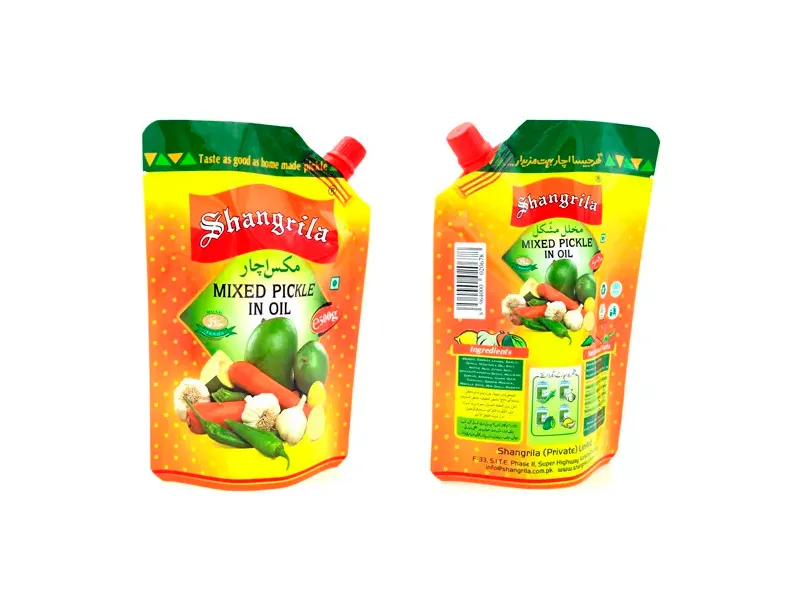
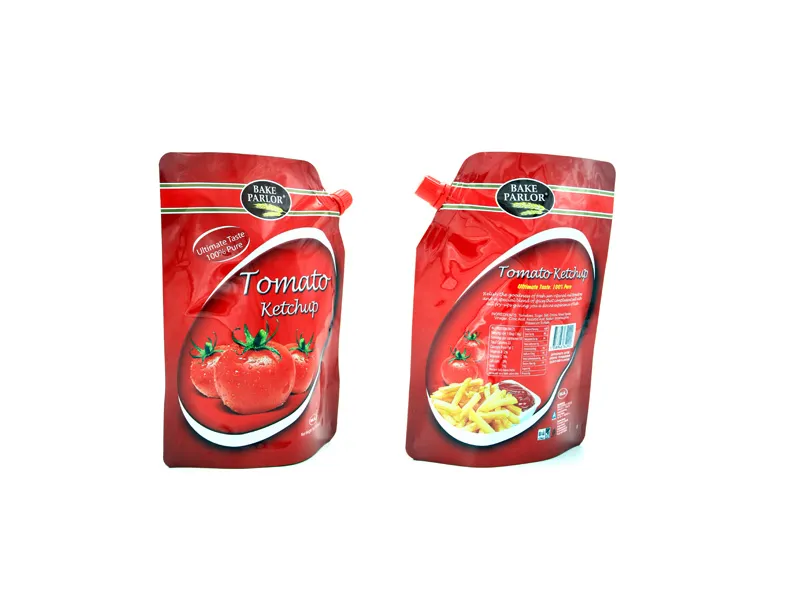
(3) Spout bag packaging
Characteristics: With a suction cup design, suitable for liquid or semi-solid cheese products.
Applicable products: Cheese sauce, suctionable cheese snacks.
The blister packaging for cheese sticks is quite common in the market. This packaging form plays a significant role in maintaining product quality, attracting consumers (especially children), and facilitating consumption.
Common Structure: This type of packaging material may appear ordinary at first glance, but it actually consists of a multi-layer composite structure.
Material Selection: The outer layer is usually a heat-resistant printing material. The middle layer is a thermoforming material, such as special PS (polystyrene) material. The inner layer (the heat-sealed layer in contact with the cheese) requires to be food-grade and easy to peel, and often uses modified PE (polyethylene) or CPP (extruded polypropylene), which should have good heat-sealing performance and easy peelability to ensure that the packaging is easy to open and does not leave residues.
High Barrier Properties: To prevent the cheese from deteriorating (oxidation, moisture absorption, mold growth), the packaging material needs to have high barrier properties. Some high-quality thermoformed composite sheets are coated with high-barrier materials such as PVA (polyvinyl alcohol) or PVDC (polyvinylidene chloride), so that their oxygen permeability can be controlled at ≤ 1ml/(㎡·24h·0.1MPa), and water vapor permeability ≤ 1g/(㎡·24h), thereby effectively extending the shelf life.
 English
  中文
中文