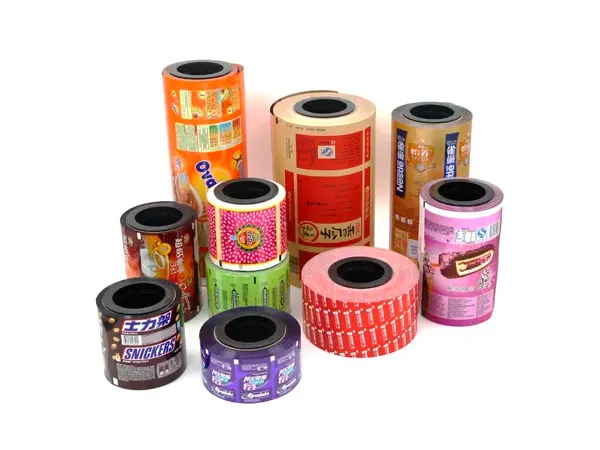
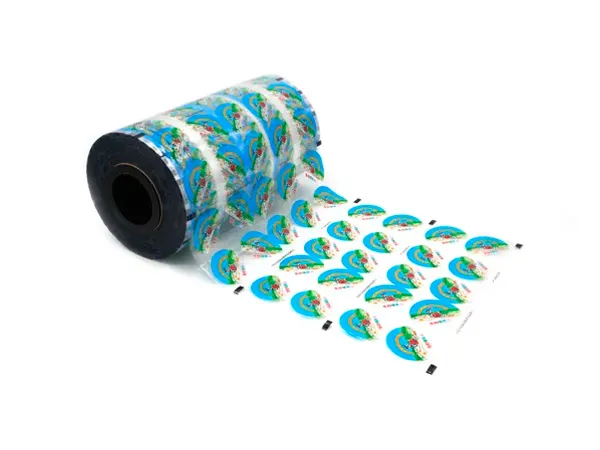
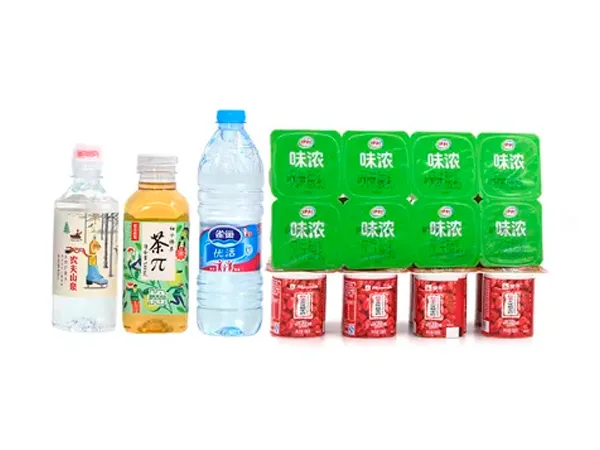
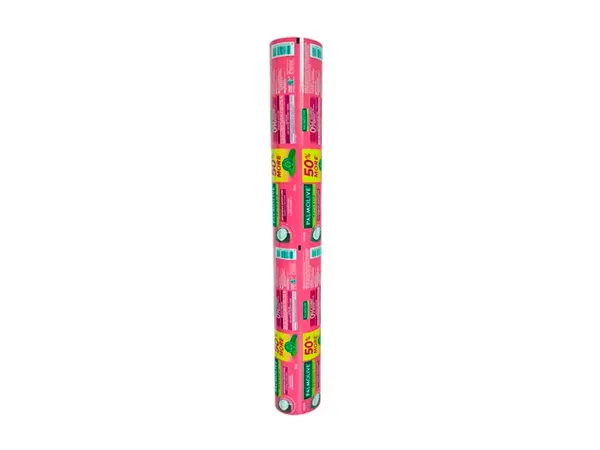
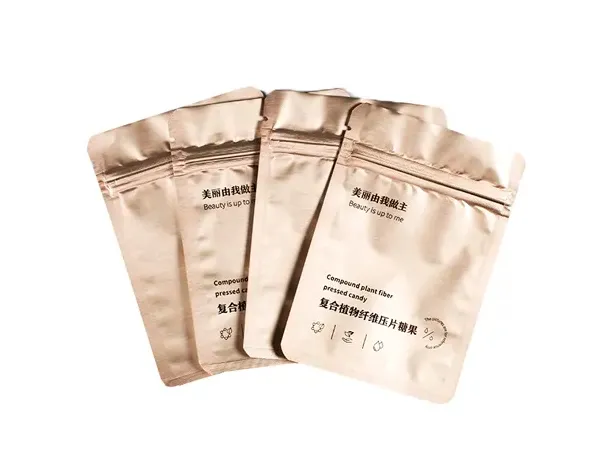
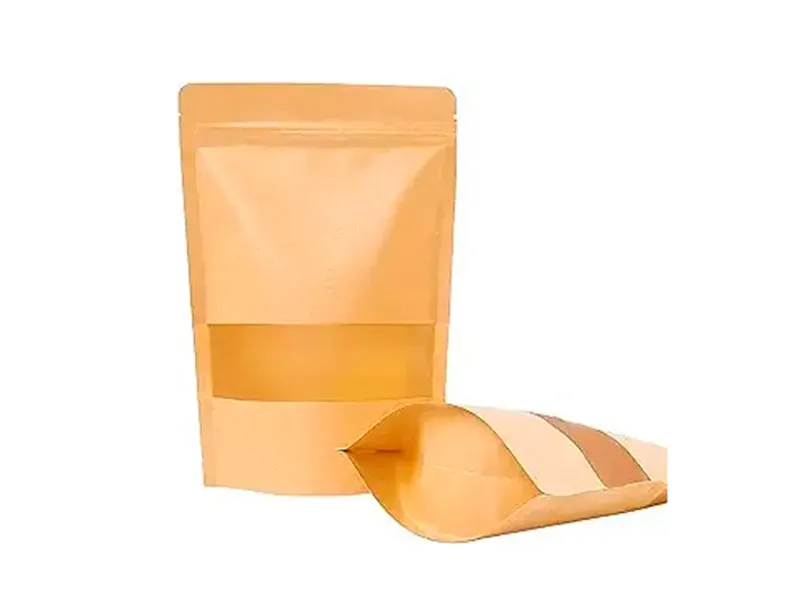
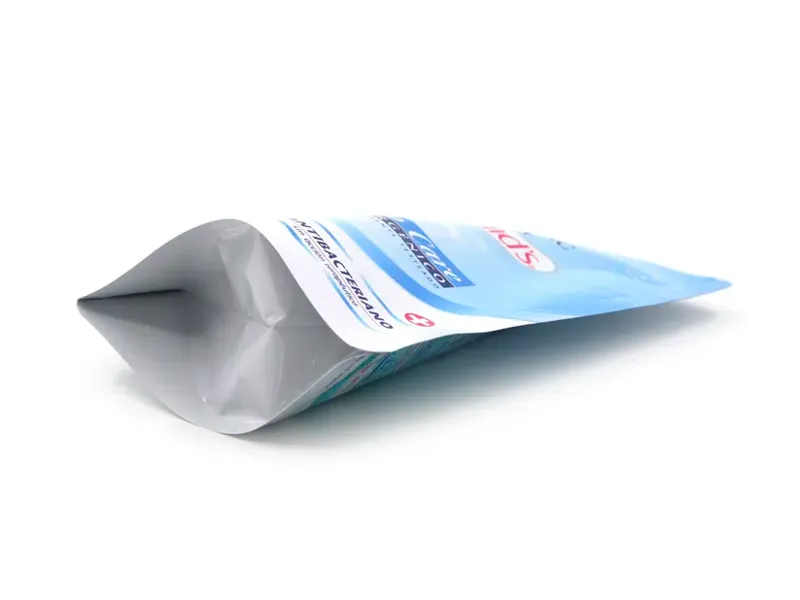
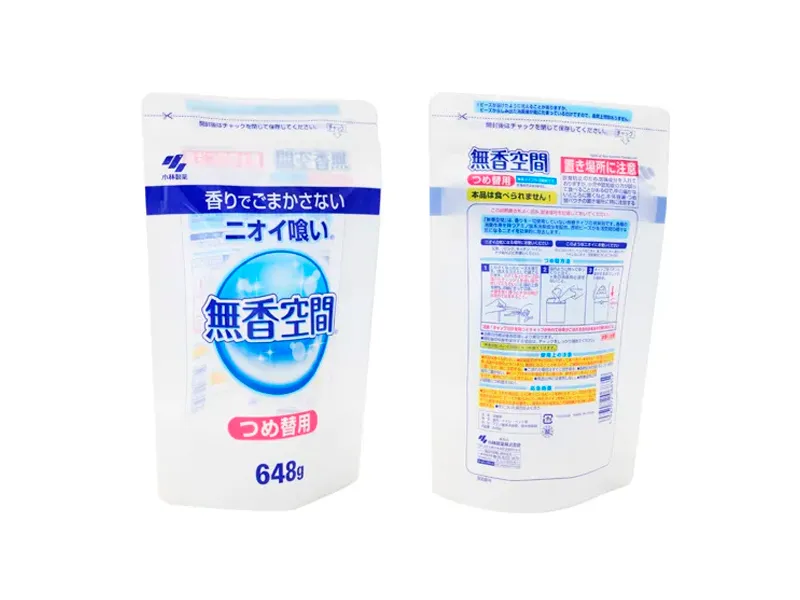
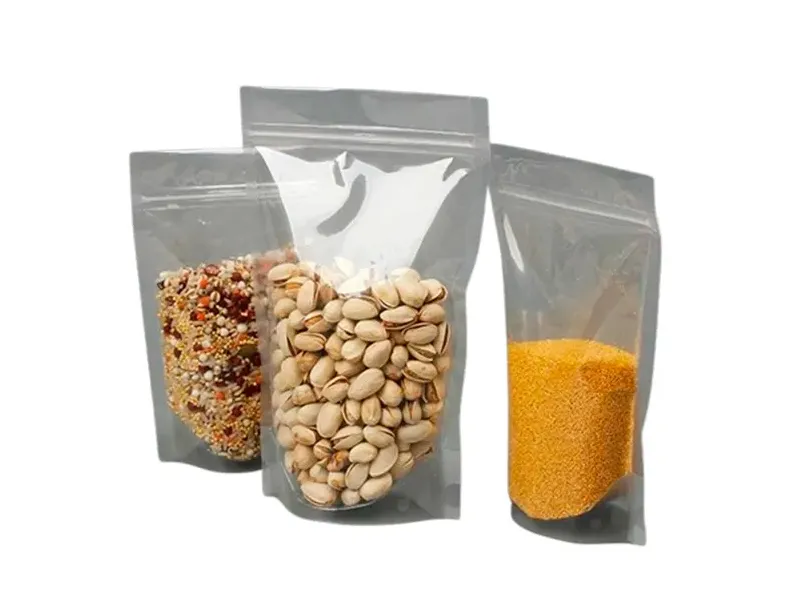
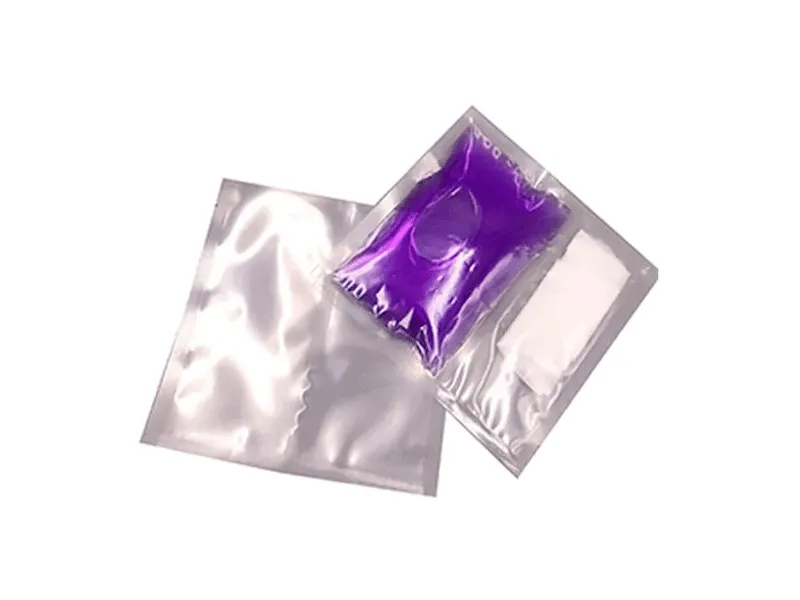
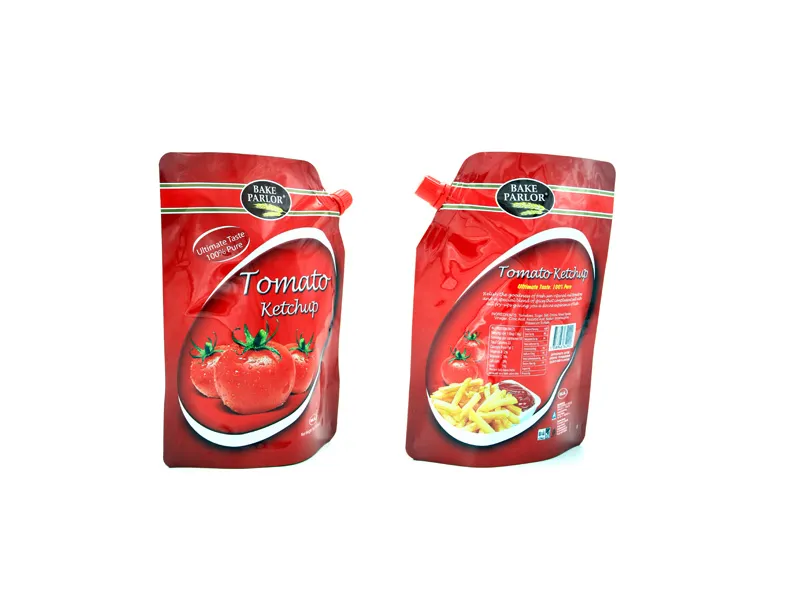
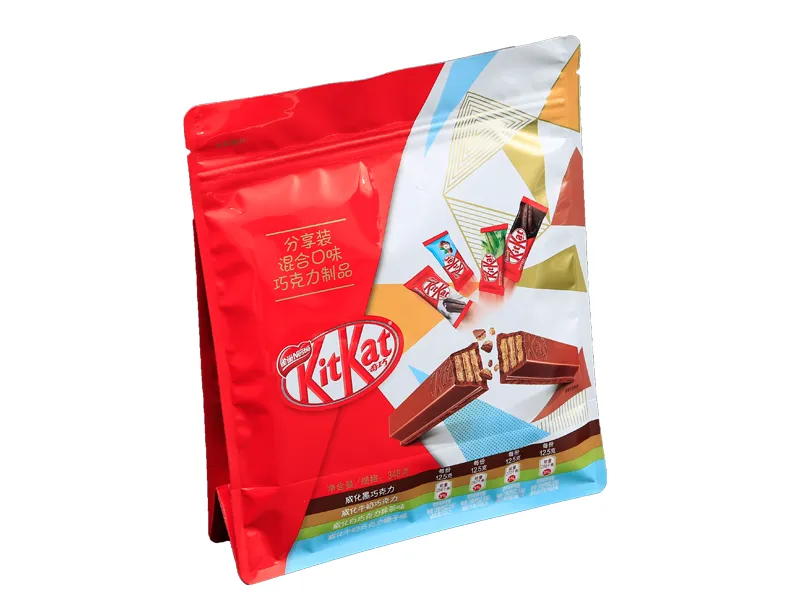
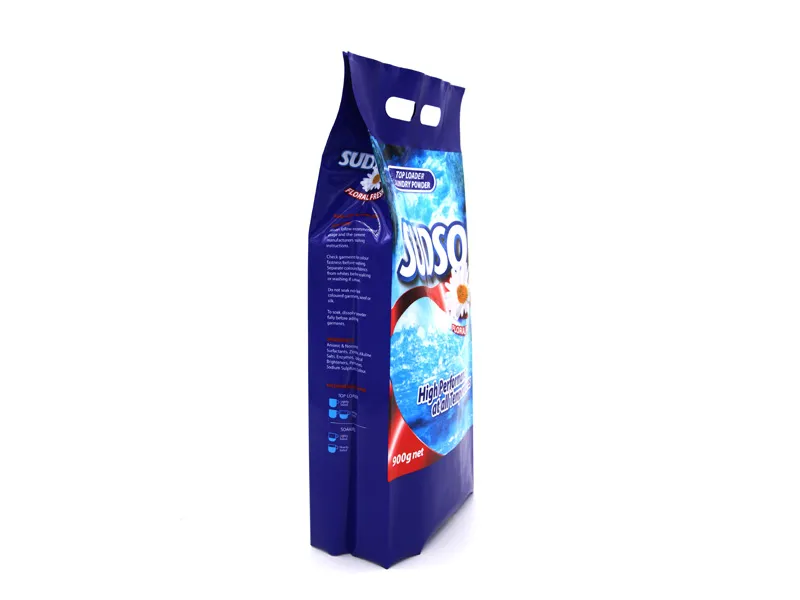
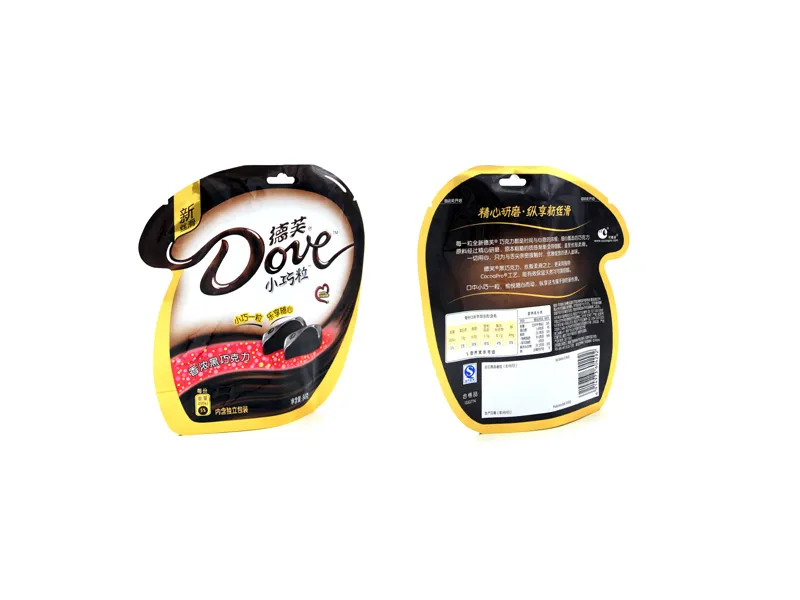
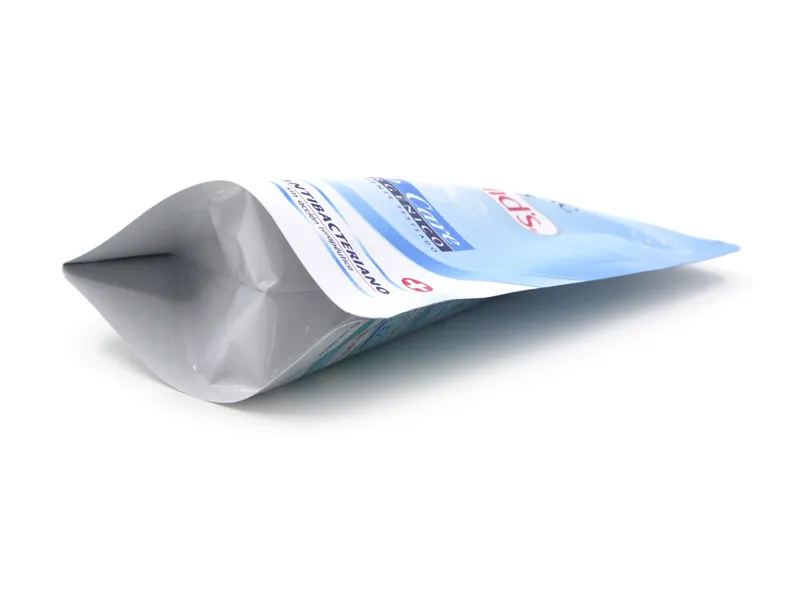
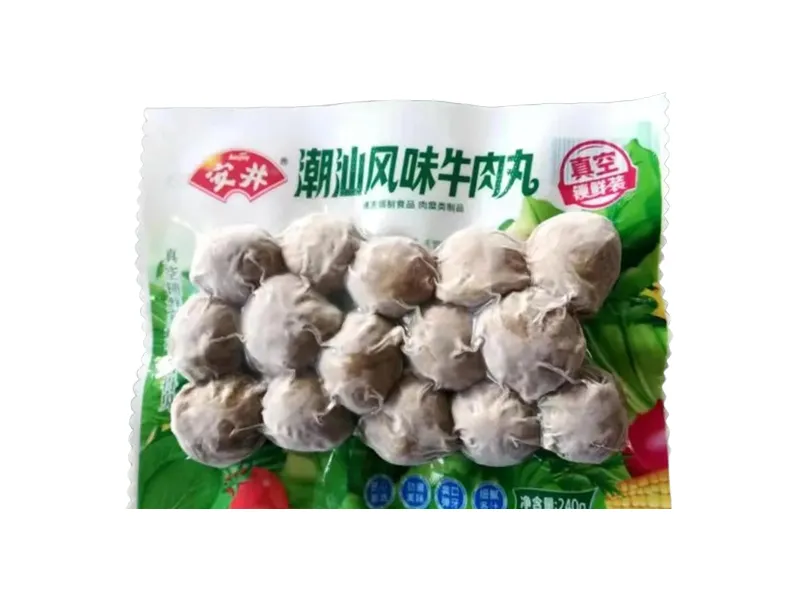
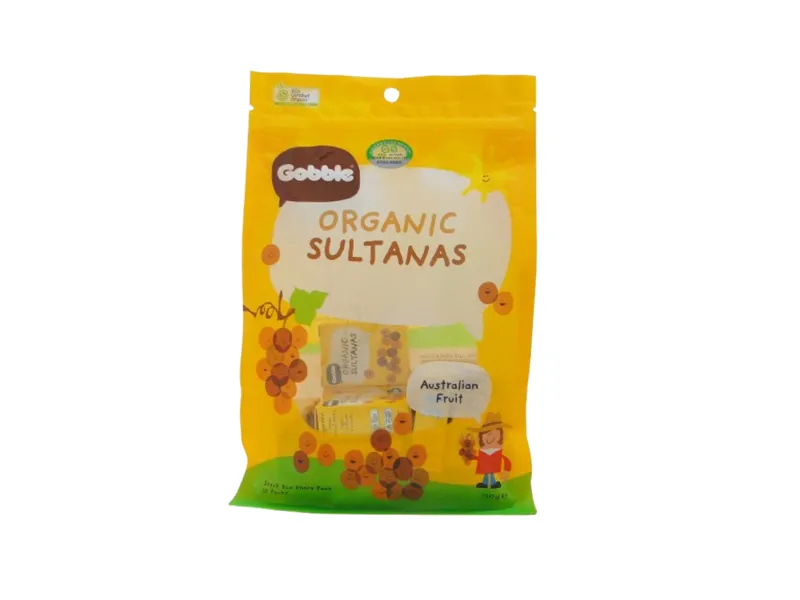
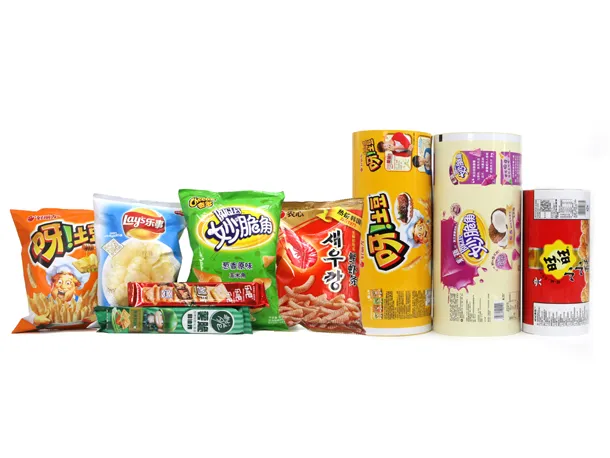
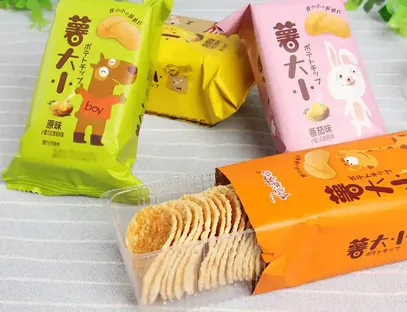
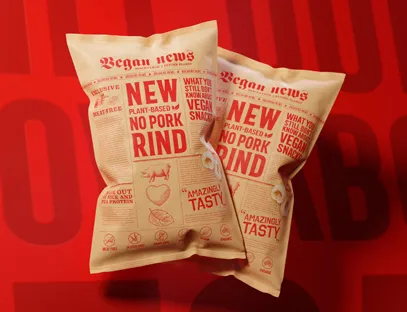
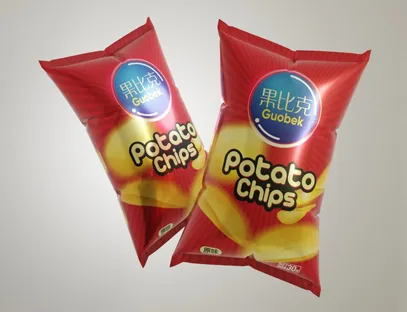
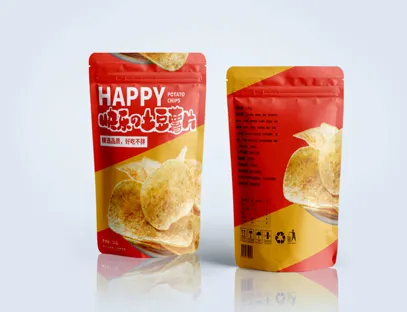
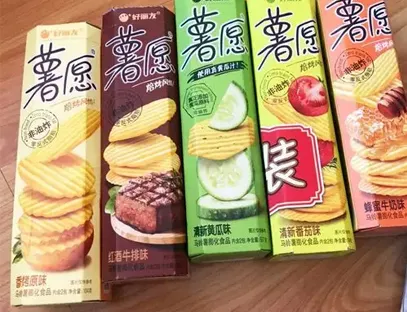
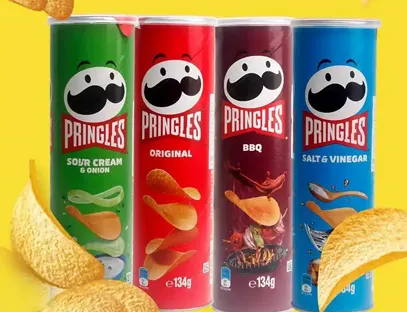
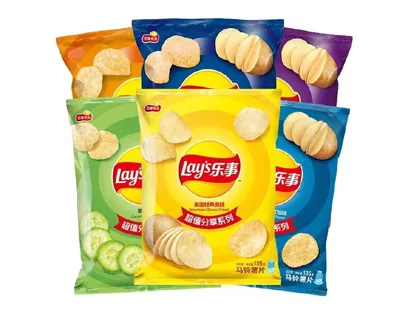
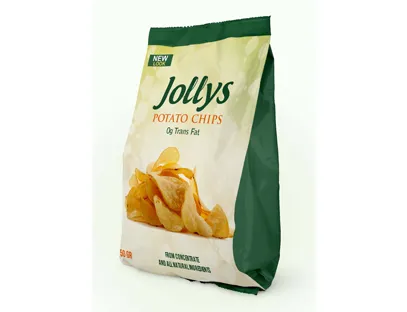
The packaging bag of potato chips is not merely a simple outer wrapper; it is the key to safeguarding the "soul" of the chips. It has evolved from an early simple protective function to an important tool for brand building, market competition and consumer communication.
In the future, the development of potato chip packaging bags will focus more on the research and application of environmentally friendly materials, the improvement of the recycling system, the enhancement of usability, and the balance between design and function, in order to adapt to the continuous changes in environmental protection and consumer demands.
The primary task of the potato chip packaging bag is to protect the product and ensure that the chips maintain their crispy texture and flavor throughout the entire process from the production line to the hands of consumers. This is mainly achieved through the following aspects:
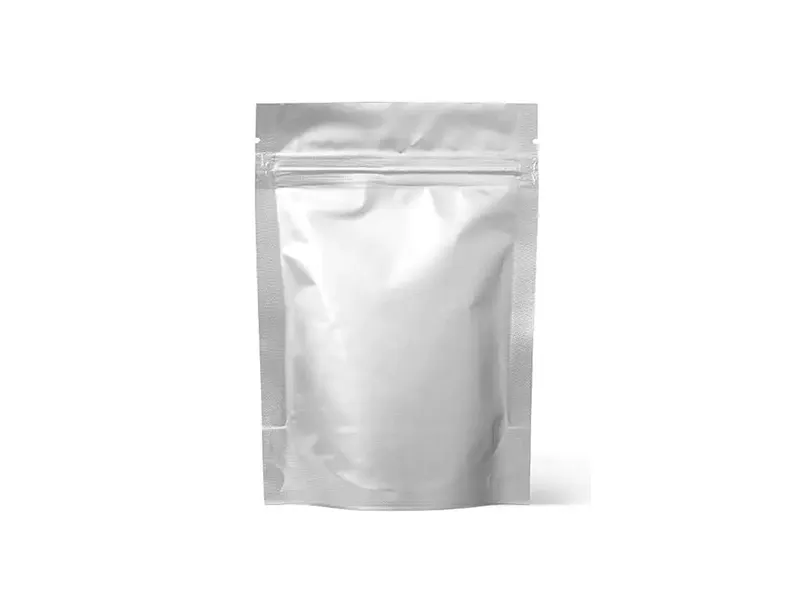
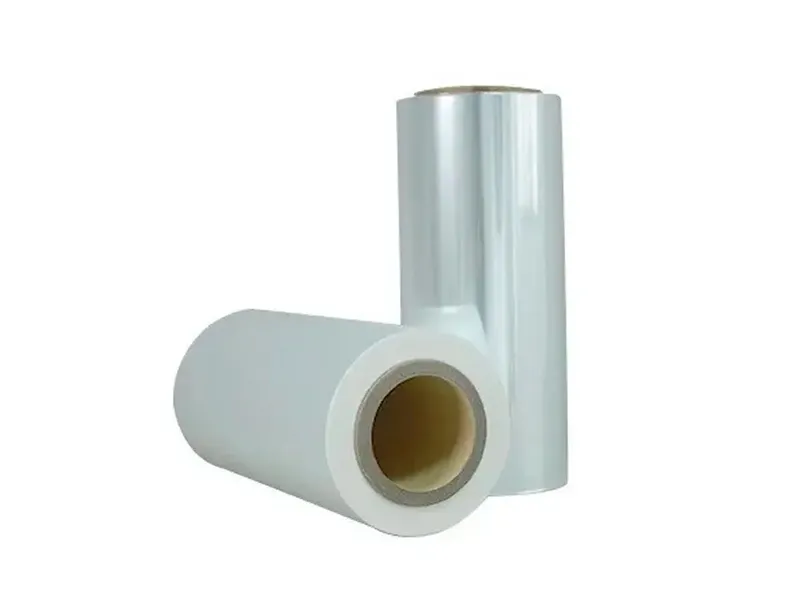
Multi-layer composite structure, precise protection: Most common potato chip packaging bags on the market are made of multi-layer composite materials. Each layer has its own specific function:
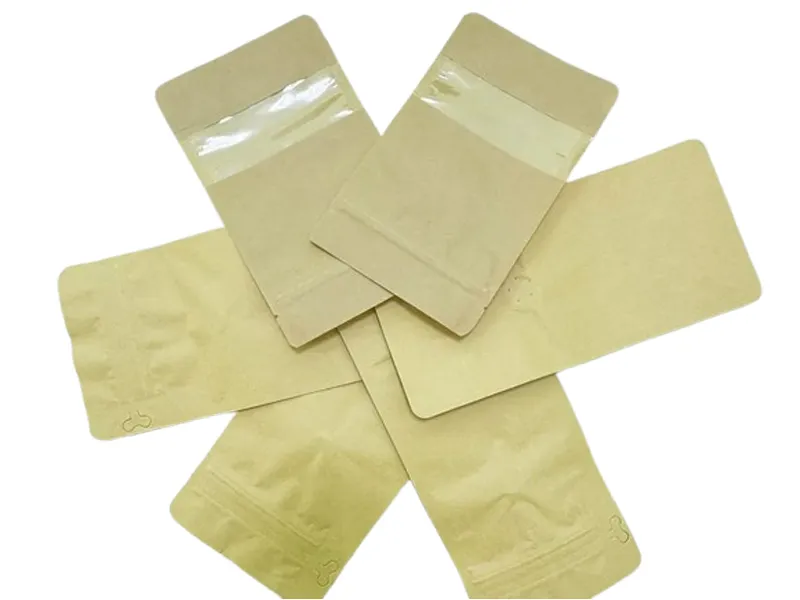
Outer layer (such as BOPP/PET): Provides mechanical strength, is resistant to wear and scratches, and has good printing adaptability, allowing the packaging patterns to be bright and eye-catching.
Intermediate barrier layer (such as aluminum foil, aluminum-coated film, EVOH): This is the "guardian shield" of the packaging. Aluminum foil can completely block light and oxygen, effectively preventing the chips from oxidizing and deteriorating (producing rancid smell) and getting damp and soft; some high barrier materials (such as EVOH, PVDC) can also significantly delay the oxidation reaction.
Inner heat-sealing layer (such as PE, CPP): In direct contact with food, it requires safety and hygiene, and has good heat-sealing performance, ensuring the sealing of the packaging bag.
Inflation technology, buffering and conforming:
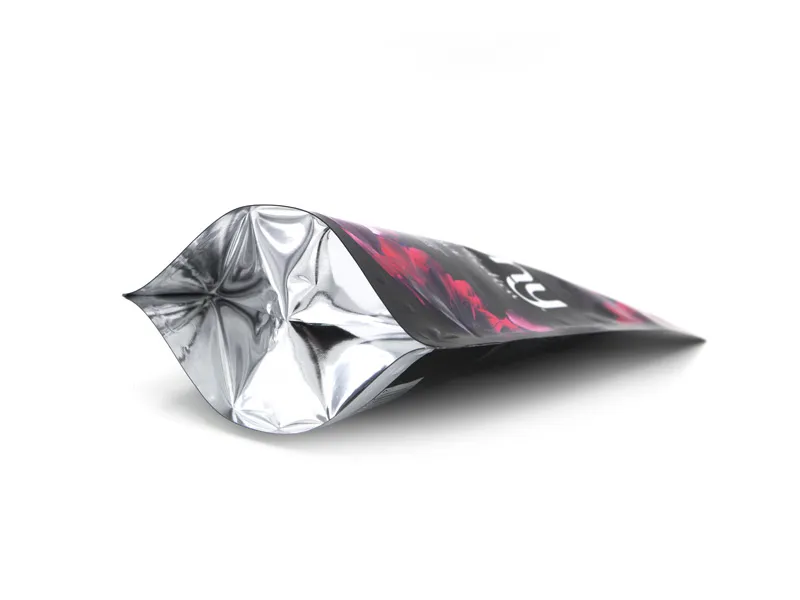
The packaging bag is filled with inert gases such as nitrogen. This not only effectively inhibits the oxidation of oils, but also has a buffering effect, preventing the chips from breaking due to squeezing during transportation and handling.
Convenience and environmental design are increasingly important:
More and more packaging adopts designs such as easy-tear openings and zipper seals, improving the convenience for consumers. At the same time, the industry is also exploring environmentally friendly materials and lightweight designs to reduce the impact on the environment.