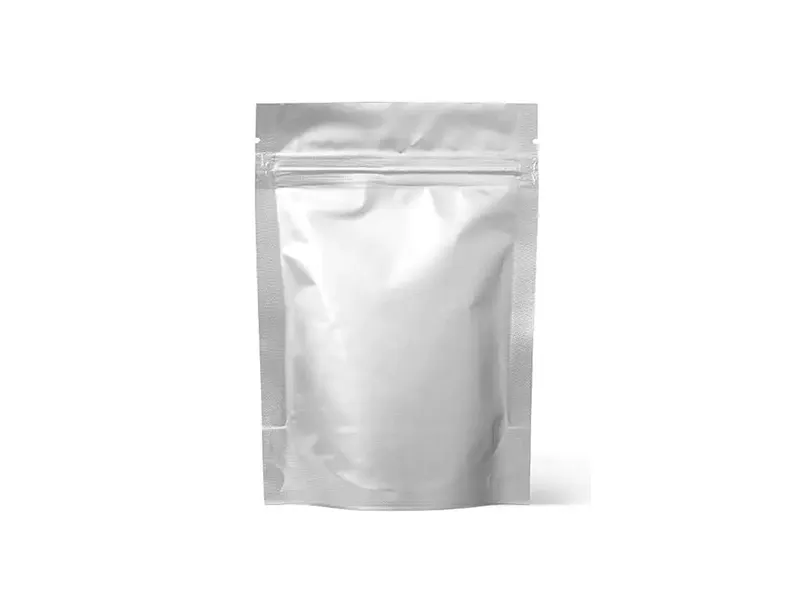
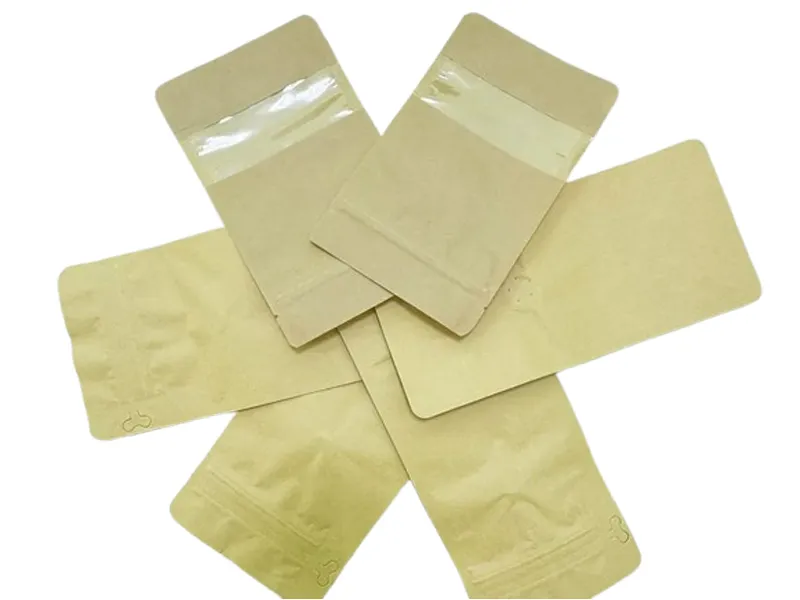
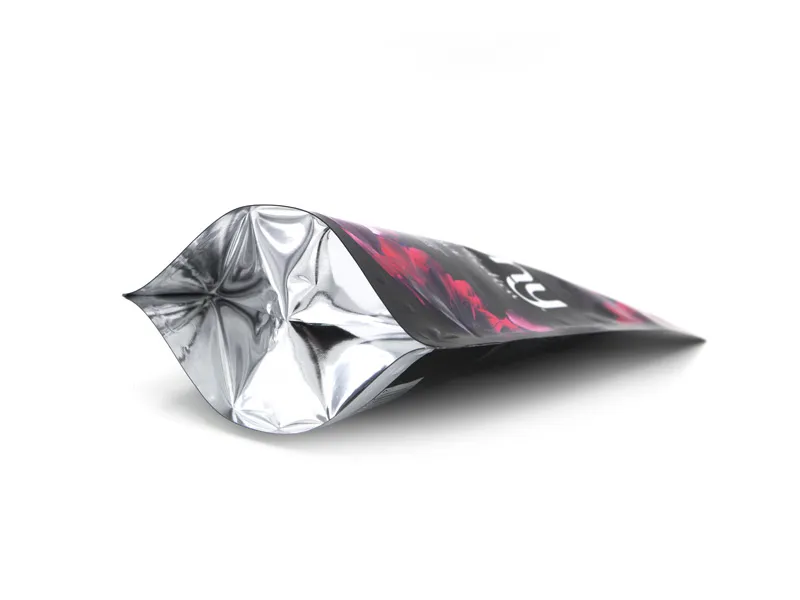
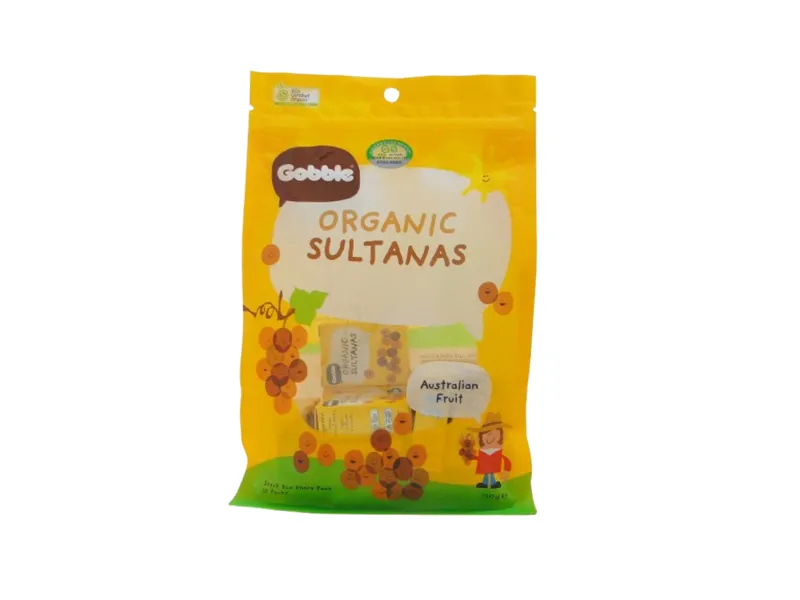
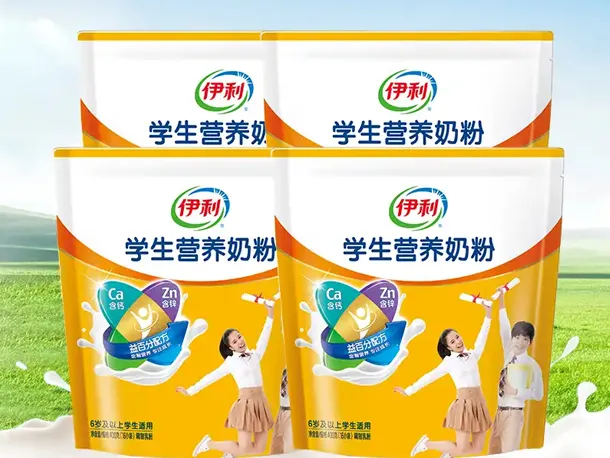
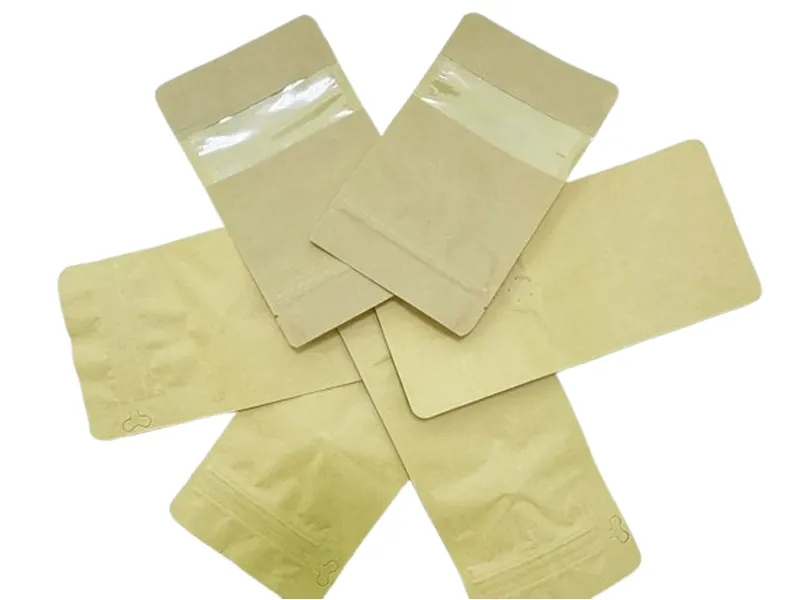
The milk powder packaging bag is a soft packaging form specifically designed for holding, protecting, storing and selling milk powder products. Since milk powder is a powdered nutritional food that is extremely sensitive to moisture, oxygen, light and external pollution, it differs from the primary goals of laundry detergent packaging bags, which are "lightweighting" and "environmental protection". The primary and non-negotiable goal of milk powder packaging bags is "ultimate protection" to ensure the safety and nutritional value of the product within the shelf life. With the advancement of material technology and the increasing demand for environmental protection, milk powder packaging bags are constantly evolving in the direction of greater transparency, greater environmental friendliness and greater intelligence.
Moisture-proof: Completely prevent water vapor from penetrating and avoid milk powder from clumping or deteriorating.
Oxygen-proof: Effectively isolate oxygen to prevent fat oxidation (goitration) and nutrient loss.
Light-proof: Protect vitamins (such as vitamin A, B complex) and other nutrients that are sensitive to light.
Aroma preservation: Prevent external odors from entering and internal milk aroma from escaping.
Packaging materials must comply with food-grade safety standards, being non-toxic and odorless.
Sealing must be extremely good to prevent any microorganisms and contaminants from entering.
Can withstand the impact during filling in the production process, the bumps and friction during transportation, and the stacking pressure to avoid package breakage.
Design is convenient for opening and repeated sealing, facilitating consumers' multiple uses.
Easy to pour without dust flying.
The packaging bags of milk powder usually adopt a composite structure of three or more layers, and each layer has its specific function:
Material: Usually BOPP (biaxially oriented polypropylene) or PET (polyester).
Function: Provides excellent printing performance, enabling exquisite pattern and text printing; resistant to wear and scratch; offers certain rigidity.
Material: This is the most crucial layer. Commonly used materials are aluminum foil (AL) or aluminum-coated film (VMPET) and EVOH (ethylene-vinyl alcohol copolymer).
Function: Aluminum foil provides nearly perfect barrier properties (light-blocking, oxygen-blocking, moisture-proof). EVOH has excellent oxygen-blocking effect and is often used for high transparency packaging.
Material: Usually PE (polyethylene) or CPP (extruded polypropylene).
Function: Has good heat sealing performance, ensuring the sealing strength of the packaging bag; must be food-grade, safe and non-toxic, and in direct contact with milk powder.
Common composite structure examples: BOPP/VMPET/PE or PET/AL/PE.