When packaging oatmeal, designers usually take into account the specific needs and preferences of the target consumers:
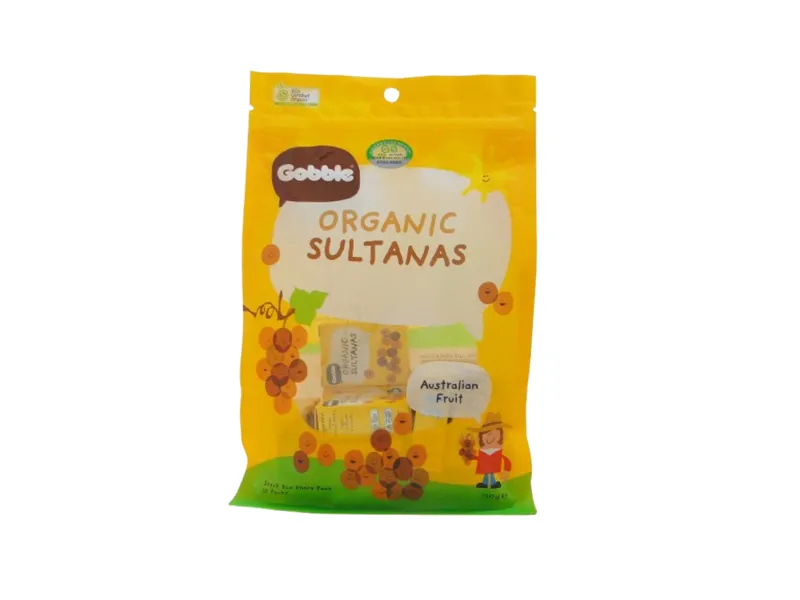
Children's market (3-12 years old): The packaging design is often colorful, featuring cute brand mascots and interactive elements (such as puzzles, QR code games), to attract children's attention and build brand loyalty.
Teenagers' market (13-25 years old): They prefer minimalist design, cool colors, and like to combine trendy culture (such as bold typography, artistic illustrations). The environmental concept (such as biodegradable packaging) is particularly attractive to Generation Z consumers.
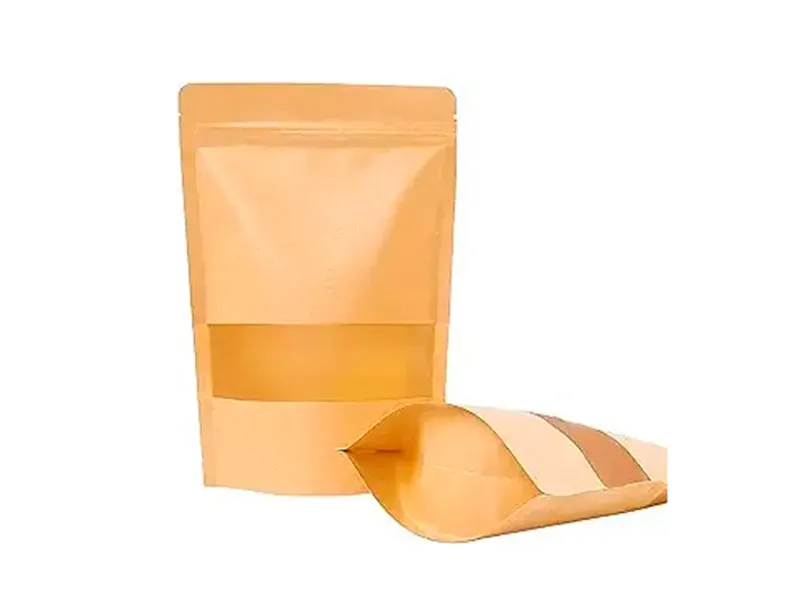
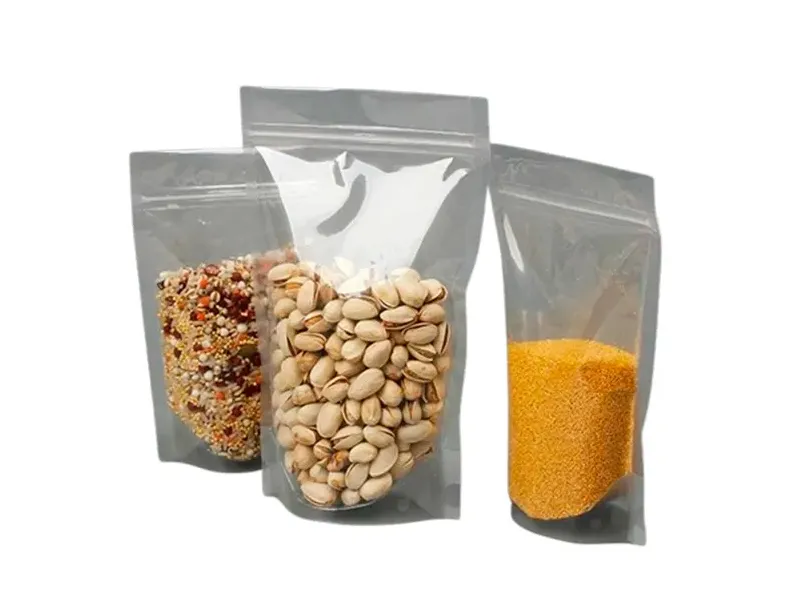
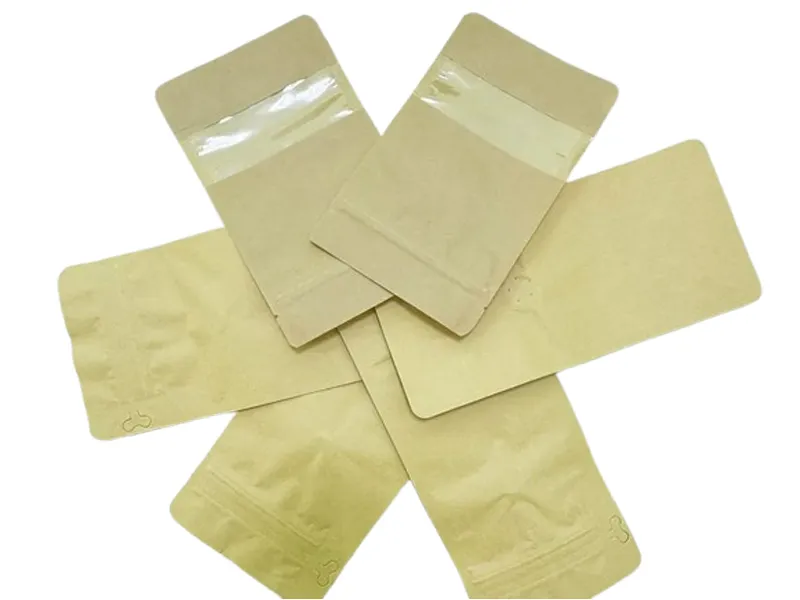
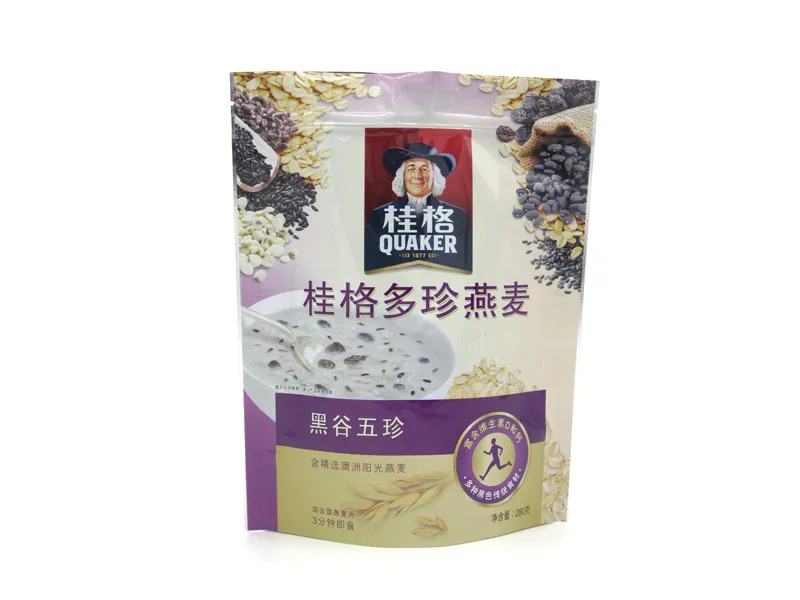
Adult market (25-50 years old): They pay more attention to the health attributes of the cereal. The packaging will clearly display nutritional information (such as high protein, high fiber, low sugar), and focus on functionality (such as sealed bags, easy pouring spouts, transparent windows). The design mostly adopts natural color schemes (such as earth tones, green) to enhance the sense of health.
Elderly market (over 50 years old): They focus on readability and trust. The packaging will use large fonts, clear and intuitive information, and adopt classic brand images to enhance trust. Easy-opening and sealable packaging are also important.
Which type of packaging to choose is usually based on the following considerations:
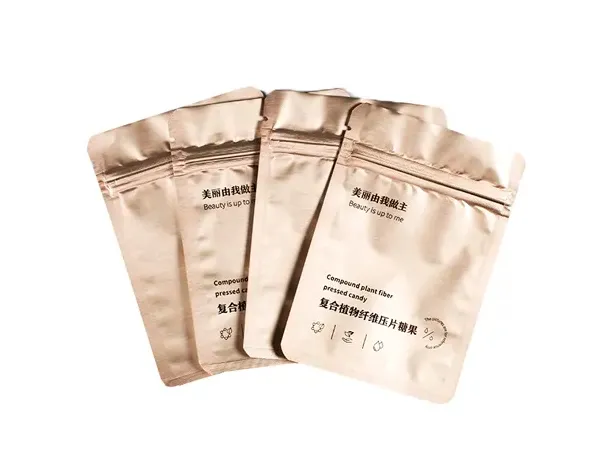
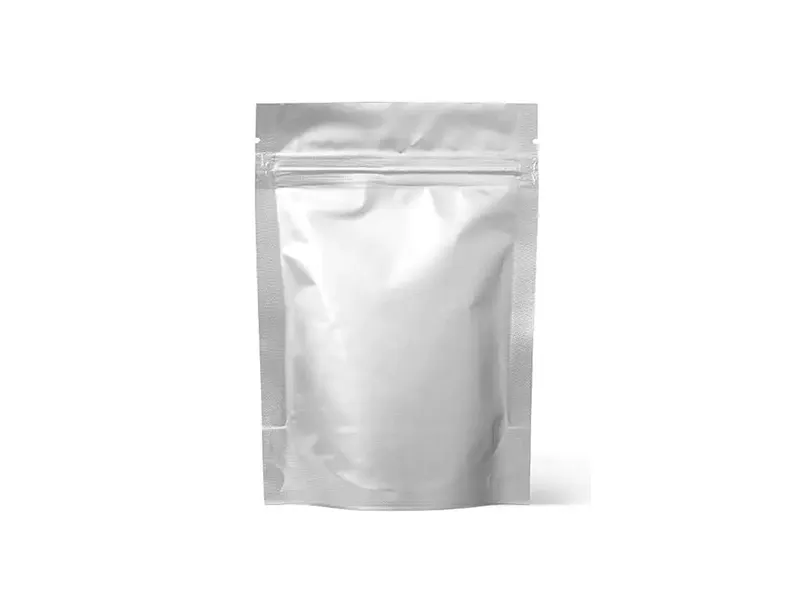
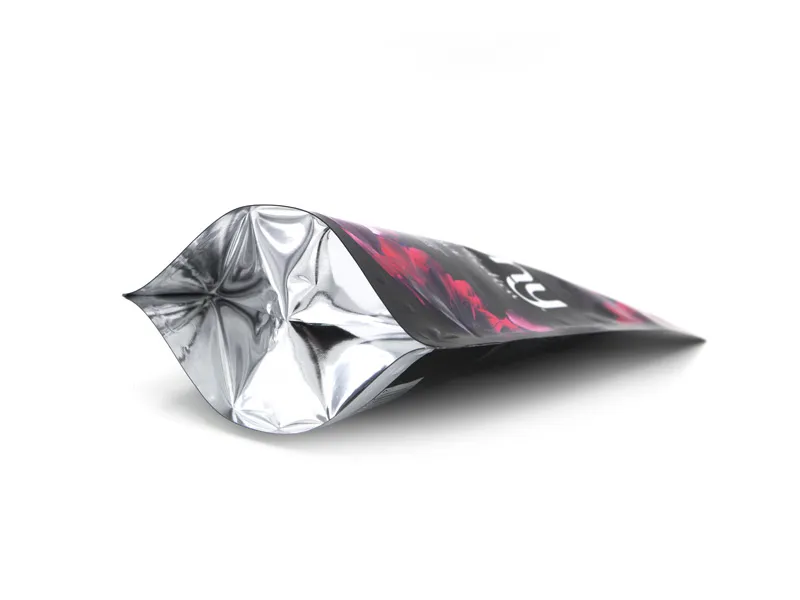
Product features: Pure oatmeal requires high moisture-proof and oxidation-proof properties, and is usually packed in coated aluminum composite bags with good barrier properties; fruit and nut mixed oatmeal not only needs barrier properties but may also need to be resistant to pressure and visually appealing.
Target customer group: Family consumers may prefer large packages that are cost-effective; young office workers, fitness enthusiasts prefer convenient individual small packages or cup-shaped products; environmentally-conscious consumers tend to choose packaging made of degradable materials.
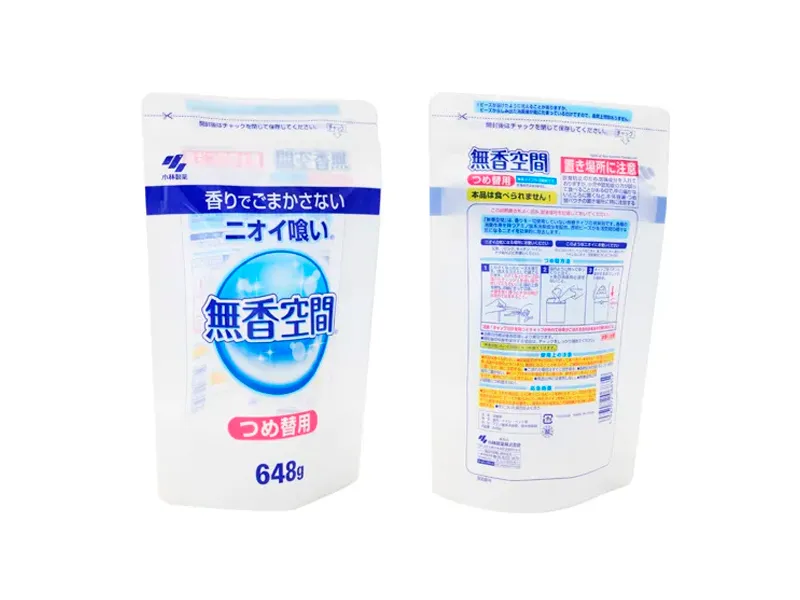
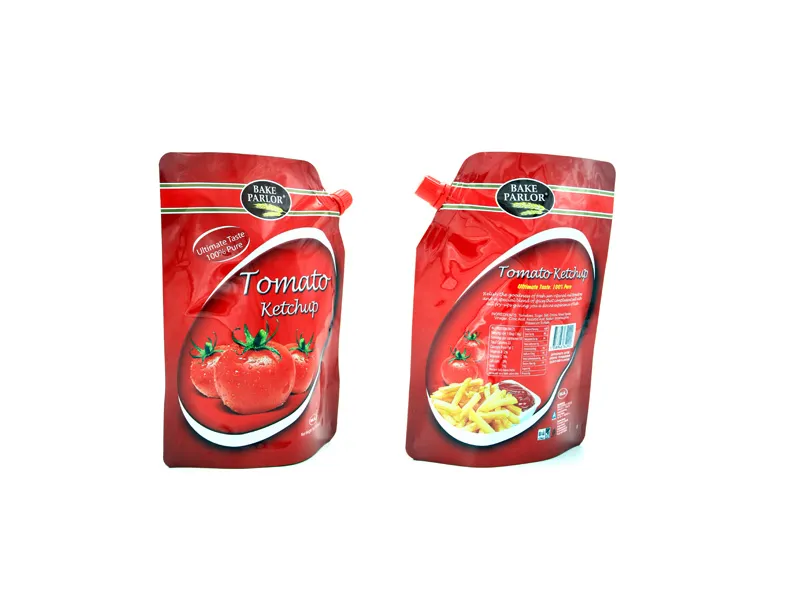
Consumption scenarios: Large bags are suitable for home storage; in outdoor, office, and travel scenarios, individual small packages and ready-to-eat cups are more convenient.
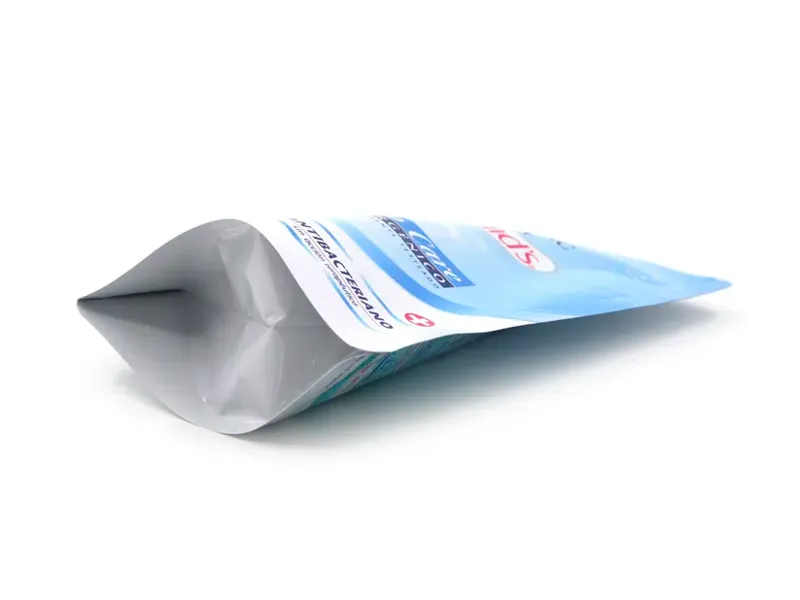
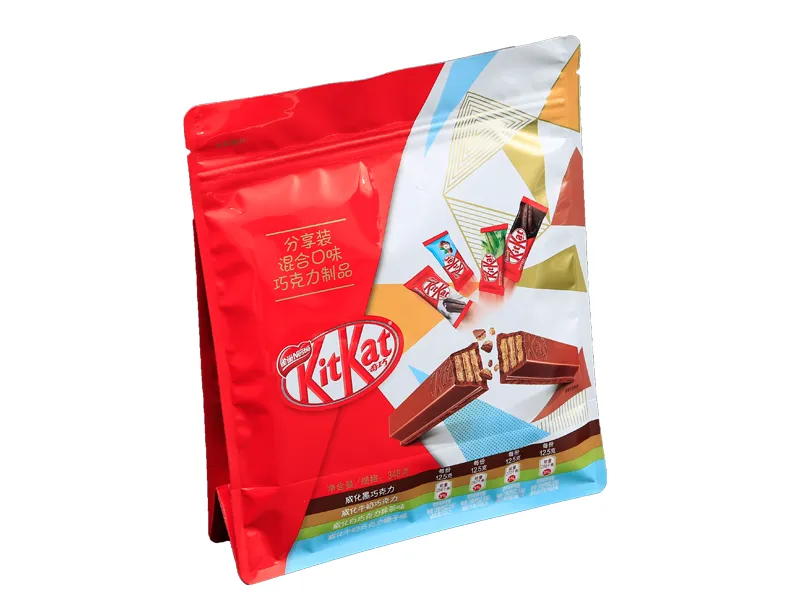
Cost and brand positioning: Using environmentally friendly materials and special designs (such as octagonal sealed stand-up bags) will increase costs and are suitable for mid-to-high-end brands; traditional bag packaging helps control costs and meets the needs of price-sensitive consumers.