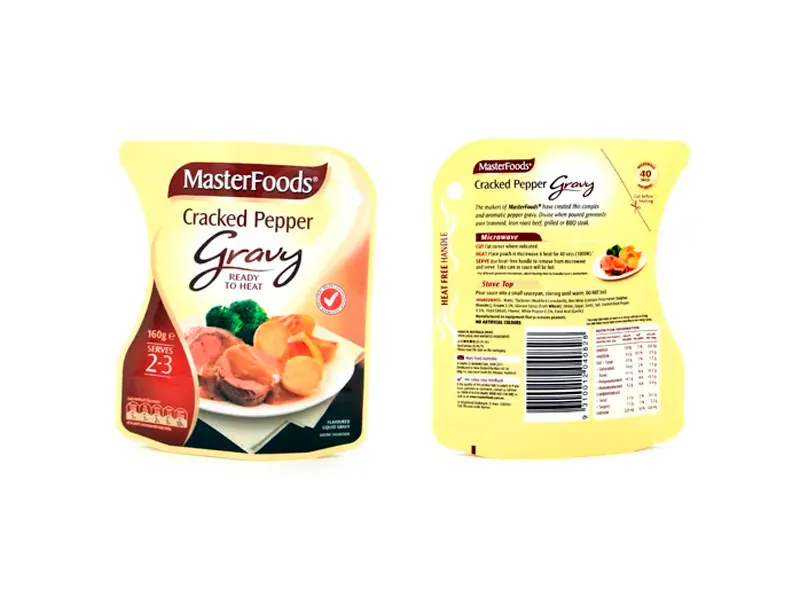
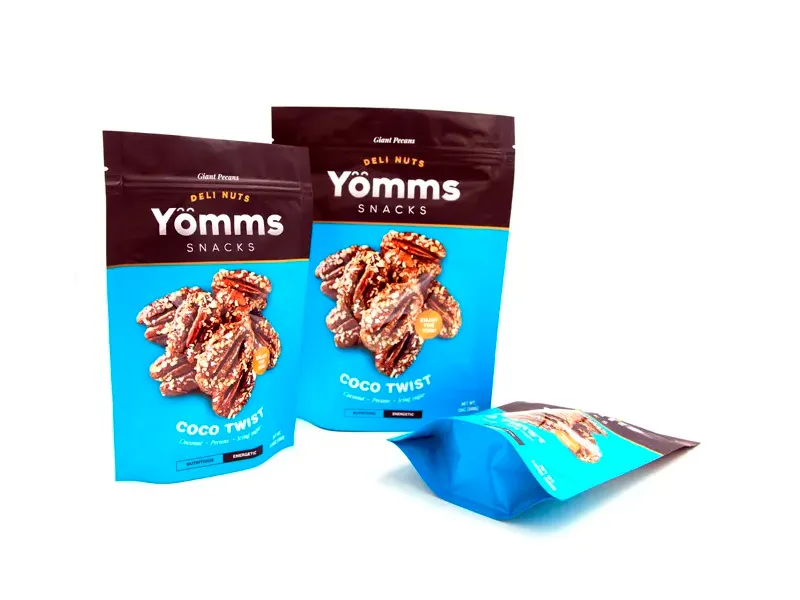
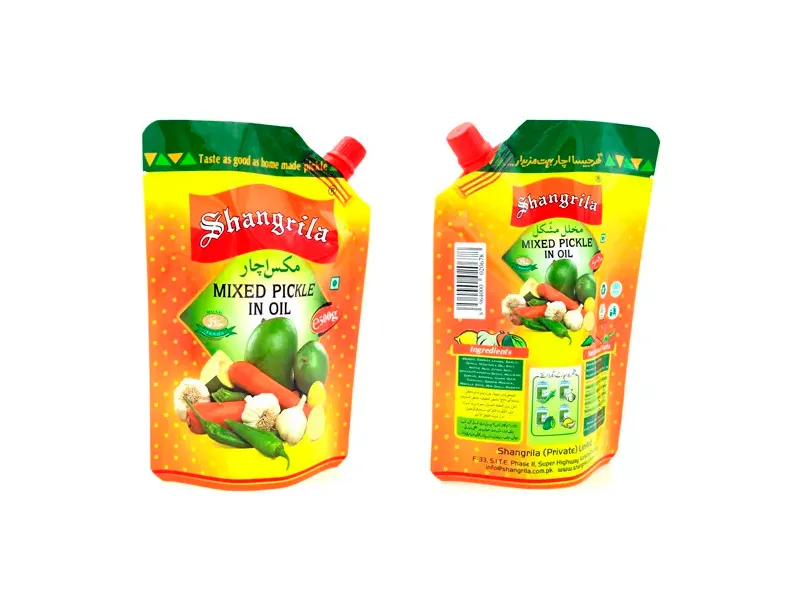
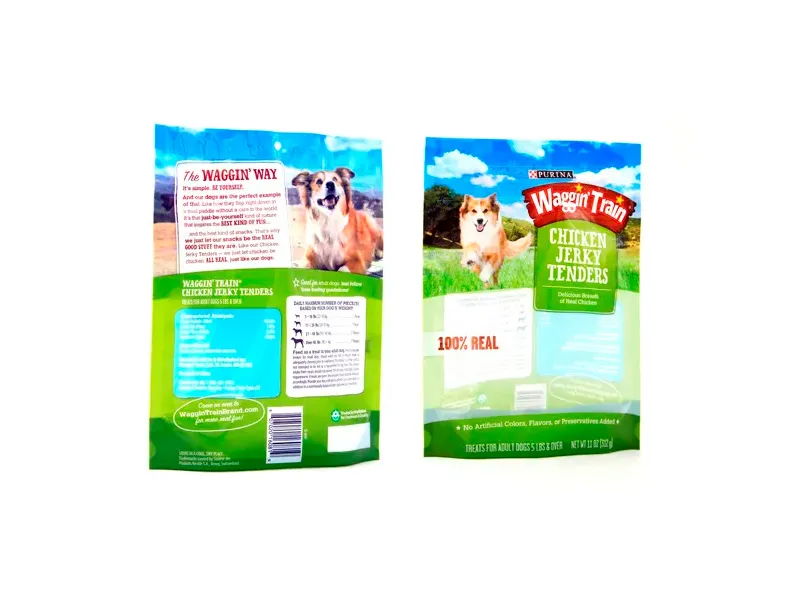
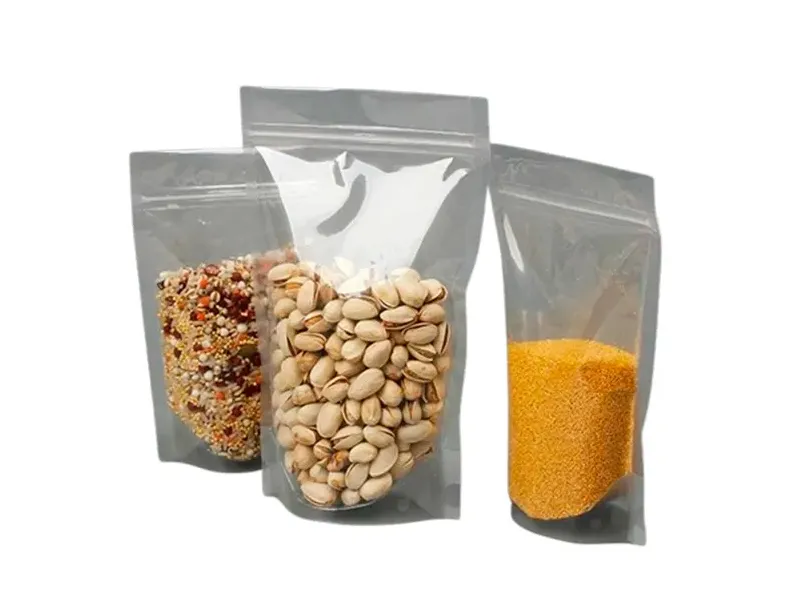
This is the core value brought by the PVA coating. It can effectively prevent the oxidation and deterioration of the contents, greatly extending the shelf life of oxygen-sensitive products such as nuts, potato chips, fried foods, and milk powder.
Product Name | 19mic ABOPP | |||
Testing Item | Unit | Testing Data | Testing Method | |
Thickness | μm | 19 | GB6672-2001 | |
Tensile Strength | MD | Mpa | 160 | GB/T1040.3-2006 |
TD | Mpa | 261 | ||
Elongation at break | MD | % | 155 | |
TD | % | 52 | ||
C.O.F | μs | / | 0.36 | GB10006-1998 |
μk | / | 0.35 | ||
Wetting Tension | mN/cm | 40 | GB/T 14216-2008 | |
O2TR | cm3/m2.d.0.1Mpa | 2.3 | GB/T 19789-2005 | |
WVTR | g/m2.d | 6.5 | GB/T 26253-2010 | |
This is the core value brought by the PVA coating. It can effectively prevent the oxidation and deterioration of the contents, greatly extending the shelf life of oxygen-sensitive products such as nuts, potato chips, fried foods, and milk powder.
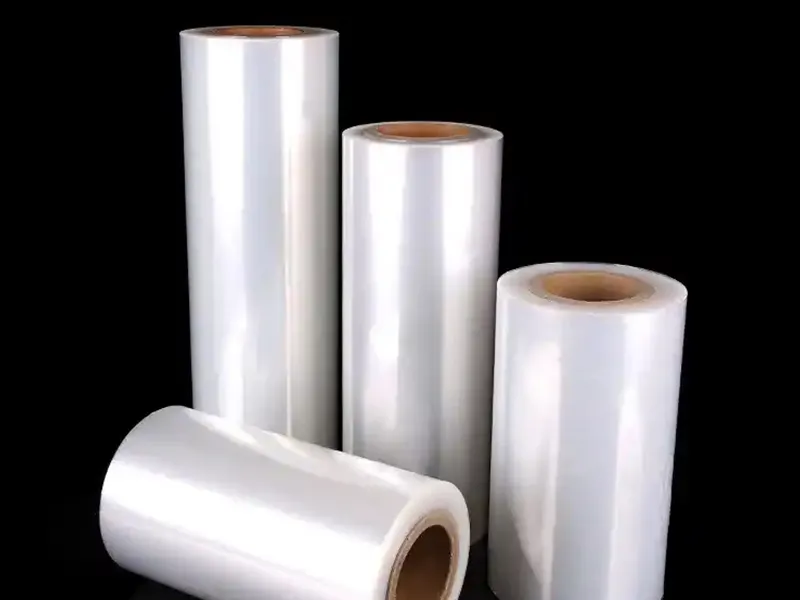
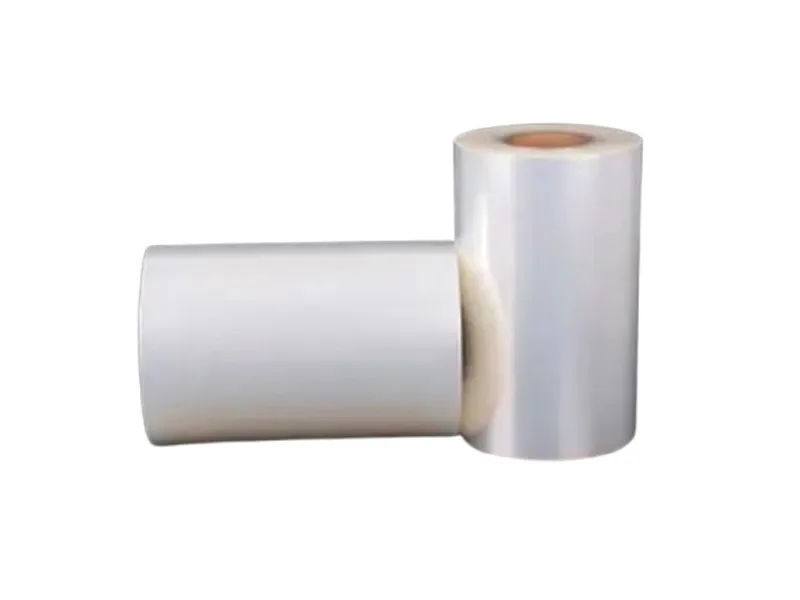
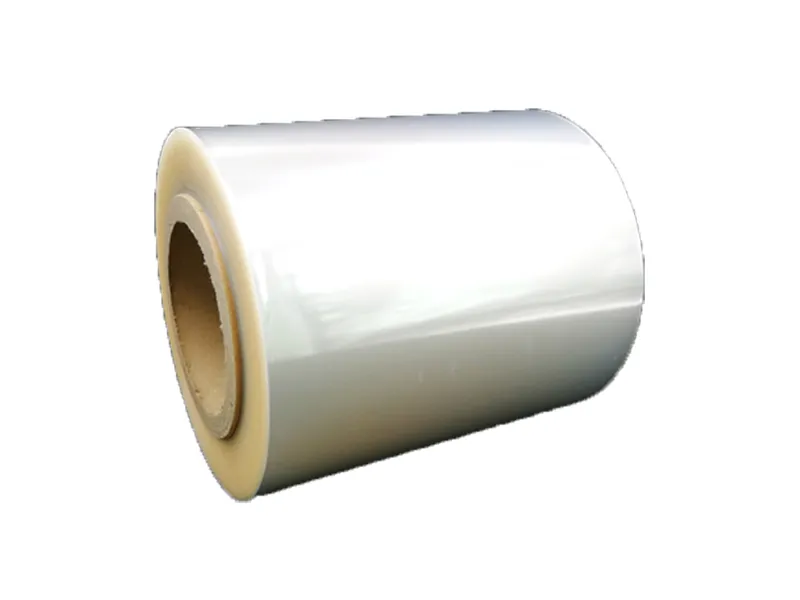
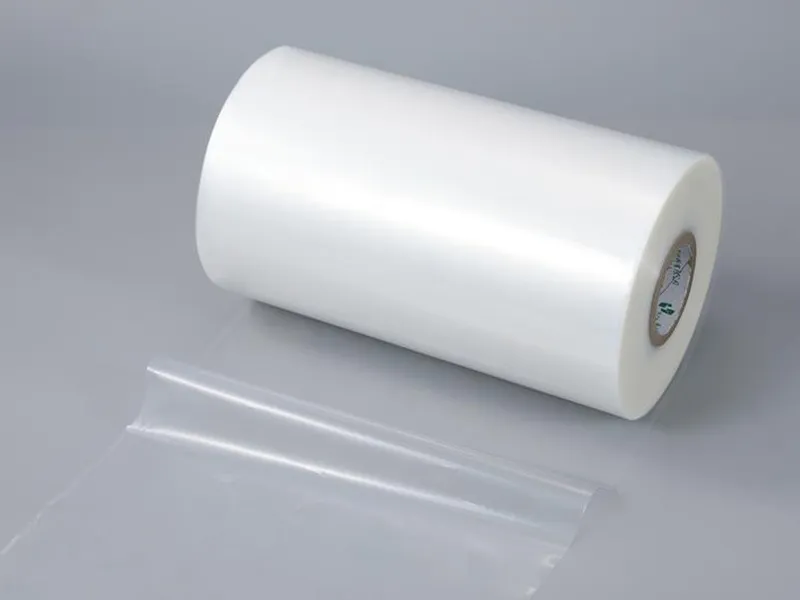
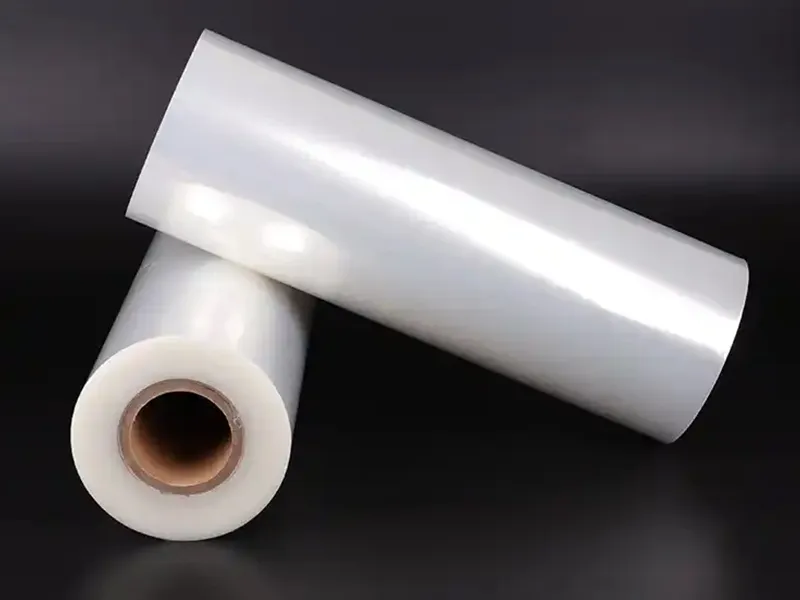
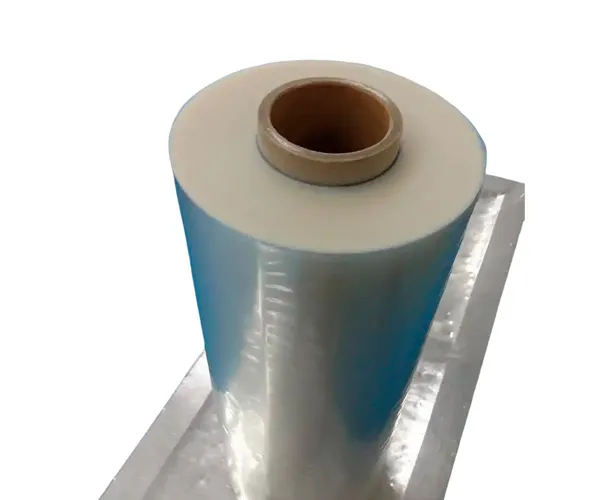
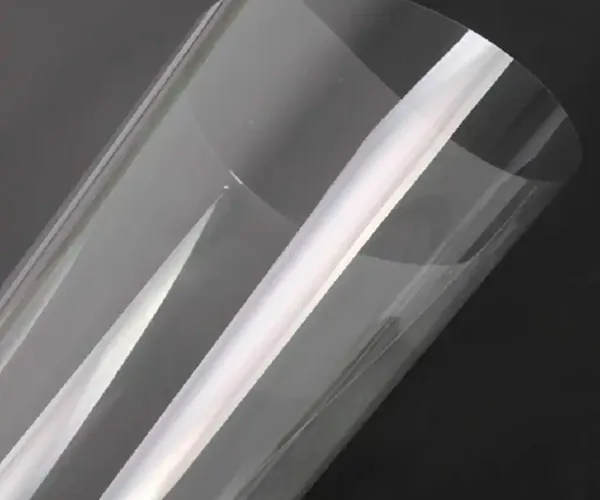
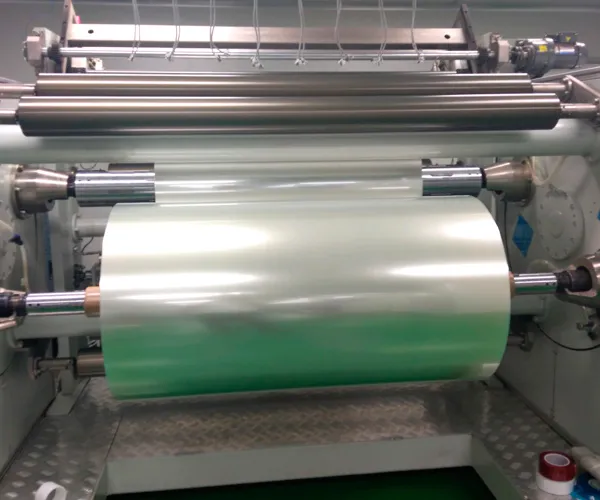
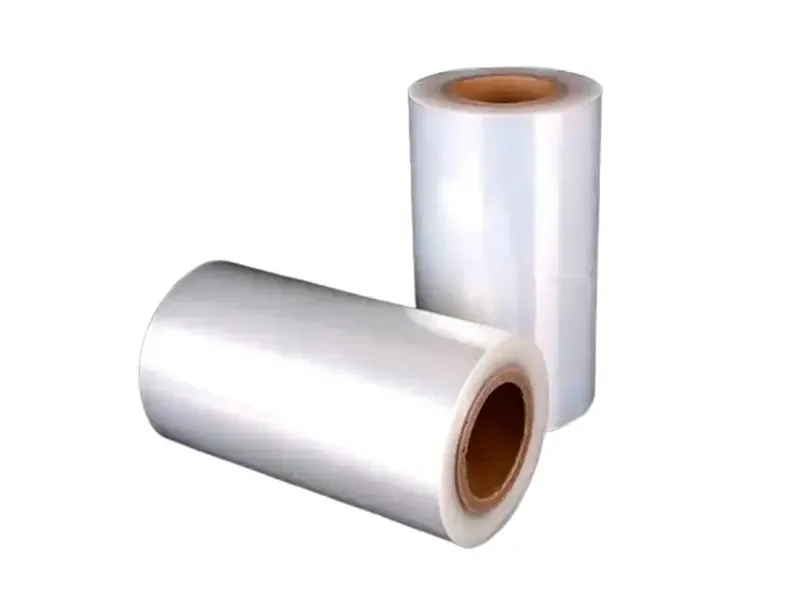
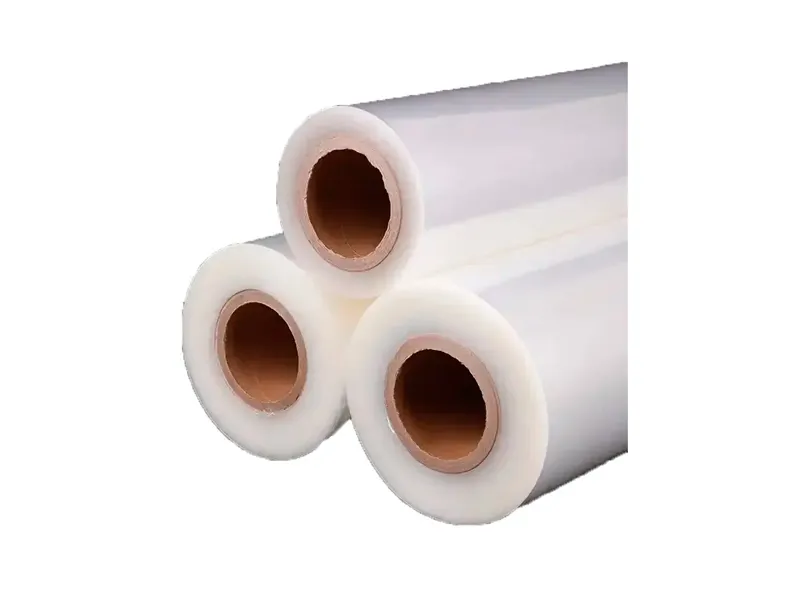
The film retains the inherent high transparency and glossiness of BOPP, perfectly showcasing the contents. Meanwhile, the PVA coating itself is transparent and does not affect the visual effect of the packaging.
BOPP base film is recognized as an excellent printing substrate. After corona treatment, it has good adhesion with ink. Even after PVA coating, it can still be laminated with other films (such as CPP, PE) to produce packaging bags with more comprehensive performance.
Compared with traditional PVDC coated films, PVA does not contain chlorine and has less environmental controversy.
In the trend of pursuing single-material recyclable packaging, a structure like "BOPP / PVA coating", which is almost all PP, can be designed. Due to the extremely thin and water-soluble PVA coating, it may be removed or treated as a compatible impurity during recycling, making the remaining BOPP substrate easier to enter the polypropylene recycling stream. This is more environmentally friendly than composite structures containing nylon or EVOH.