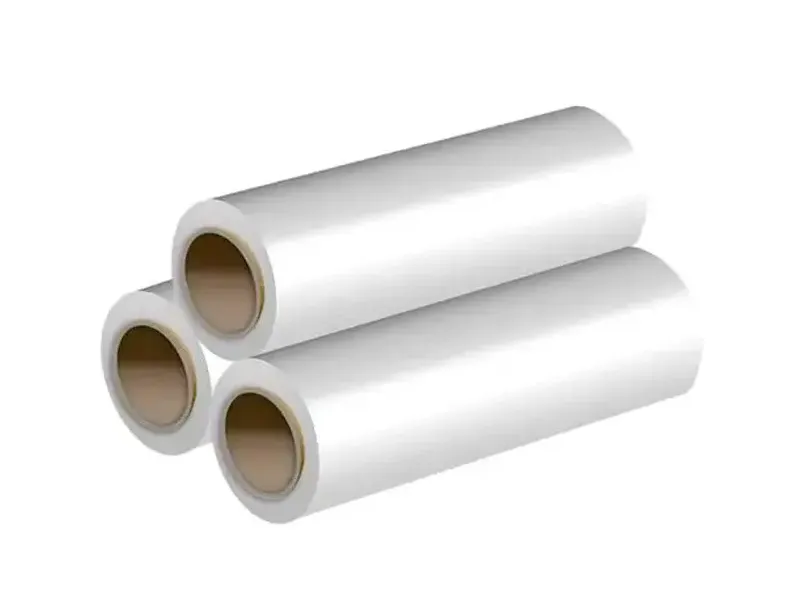
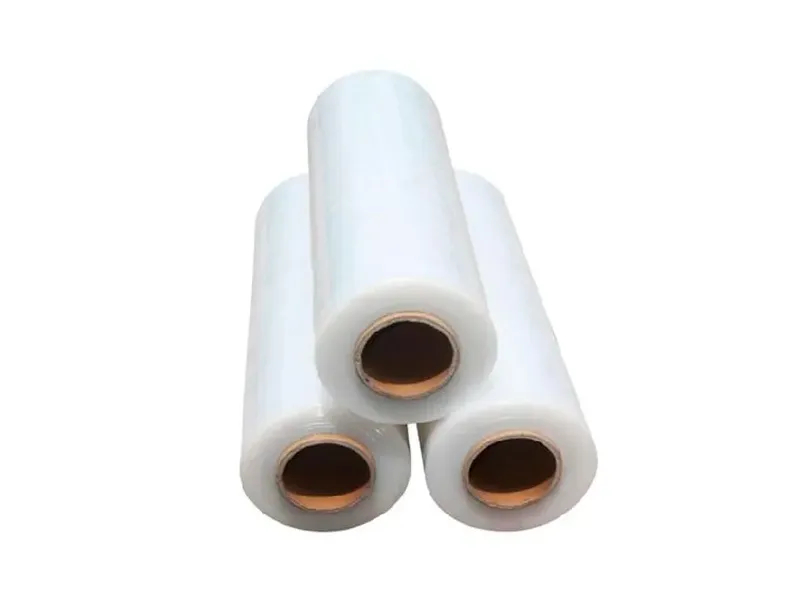
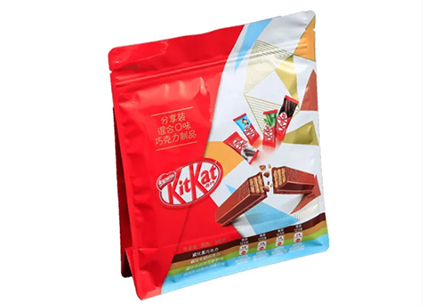
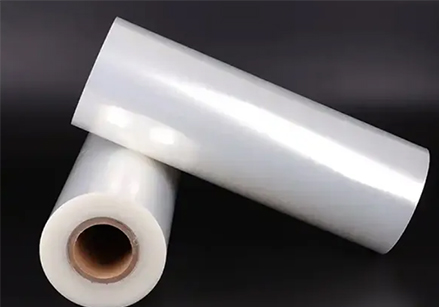
As a specialized functional layer, it has very specific and stringent requirements for its performance:
Low unsealing temperature:
Can seal quickly at a lower temperature, improving packaging efficiency and saving energy.
High heat sealing strength:
The seal is firm and can withstand the impact and pressure from subsequent processing, transportation, and stacking.
Wide heat sealing window:
The heat sealing temperature range is wide, and it is insensitive to the temperature fluctuations of the packaging machine, ensuring high production stability.
Excellent heat adhesiveness:
Refers to the ability of the seal to resist being opened by the contents before it cools down. This is crucial for high-speed filling vertical packaging machines.
When packaging products such as powders, oils, and juices, the sealing area is prone to contamination. High-quality heat sealing layer PE can still form a reliable seal even if the sealing area is slightly contaminated.
Must be non-toxic and odorless, in compliance with food and drug safety regulations.
Chemical resistance, not reacting or being dissolved with the contents (such as acids, oils, alcohols).
Excellent moisture-proof property: PE itself is an excellent moisture-proof material.
Good flexibility: Ensuring that the packaging bag can adapt to different shapes and withstand squeezing and dropping.
To evaluate the quality of a heat-sealed PE film, several key indicators are mainly considered:
Heat sealing strength:
The force required to separate the seal, measured in N per 15mm. The higher the strength, the more secure the packaging.
Unsealing temperature:
The lowest temperature at which an effective seal can be formed.
Heat sealing range:
The range from the unsealing temperature to the destruction temperature (the temperature at which the seal strength begins to decline). A wider range indicates better processability.
Heat bonding strength:
The force that the seal resists being opened before it has completely cooled down.
Depending on the packaging requirements, different types of polyethylene will be selected for the heat-sealing layer PE:
LLDPE: This is currently the most popular choice. It achieves the best balance in terms of heat sealing strength, toughness, heat sealing window, and puncture resistance, and has a high cost-effectiveness.
MPE: Produced using metallocene catalysts, it is a high-end option. It has an extremely low unsealing temperature, extremely high heat sealing strength, and excellent anti-pollution performance, which can significantly enhance packaging speed and quality.
LDPE: It has good transparency and heat sealing properties, but its strength and toughness are not as good as LLDPE. It still has applications in certain specific fields.
Blended modified PE: To obtain special functions (such as easy tearing), PE is blended with other polyolefins like PP to form a controllable peel layer.