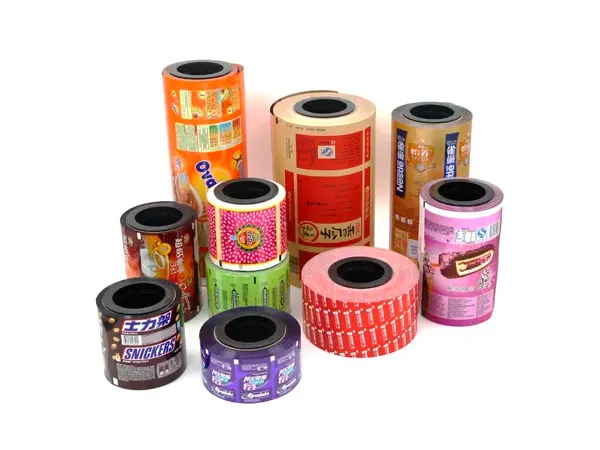
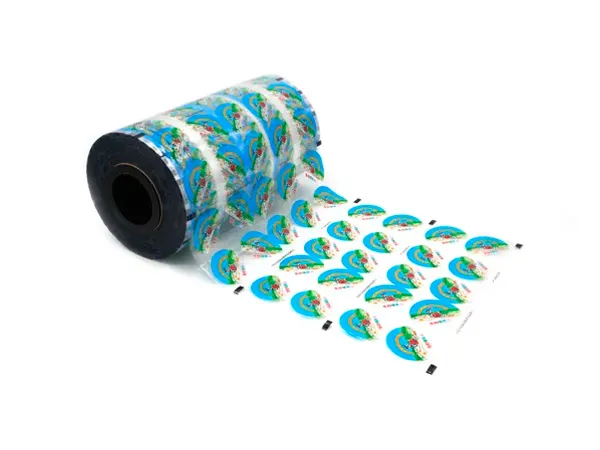
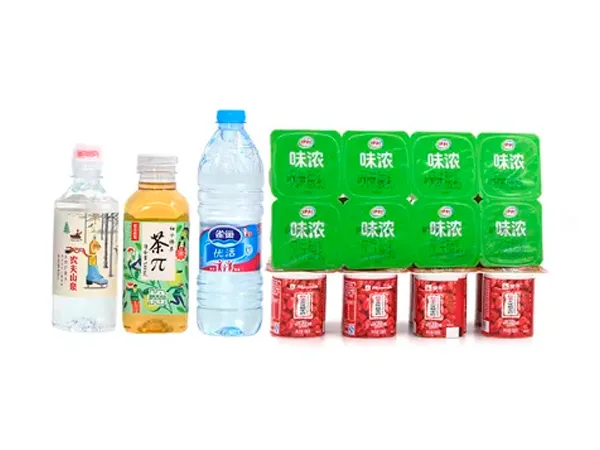
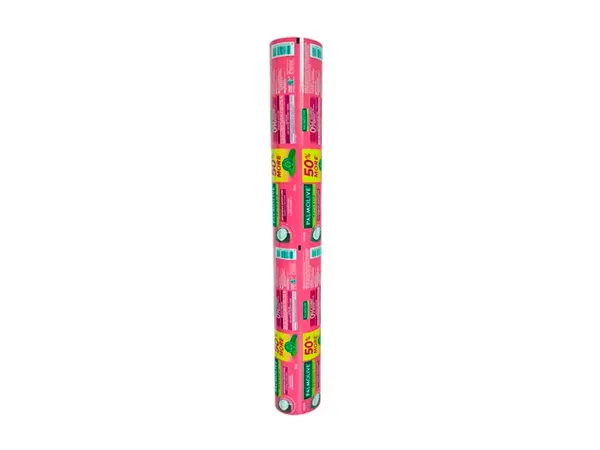
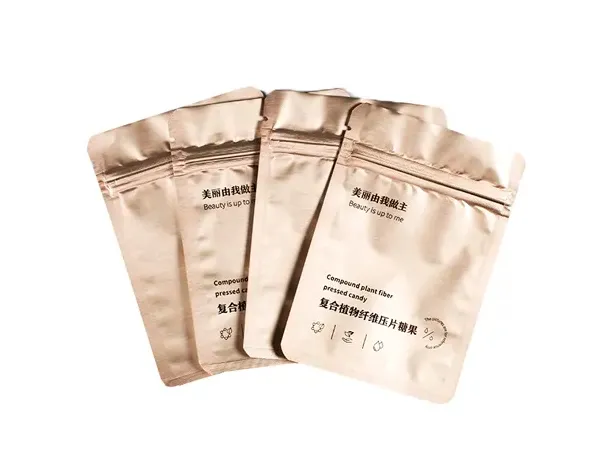
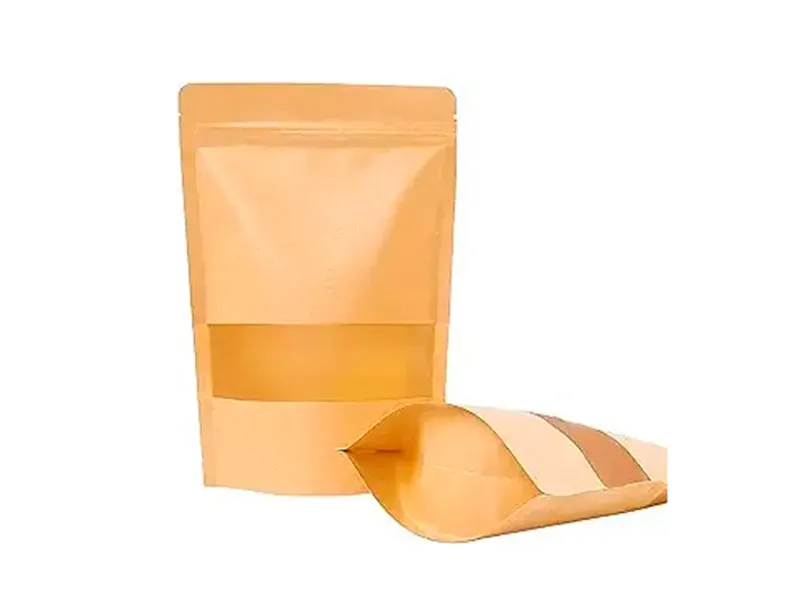
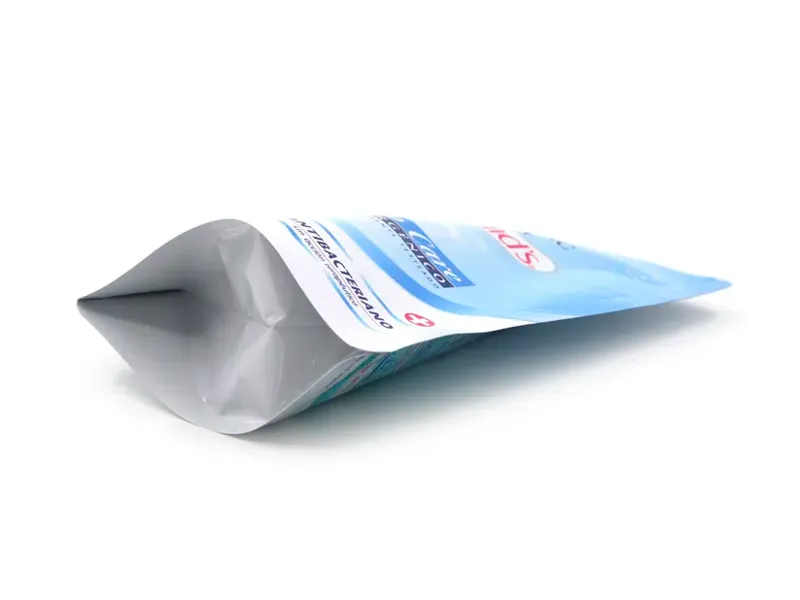
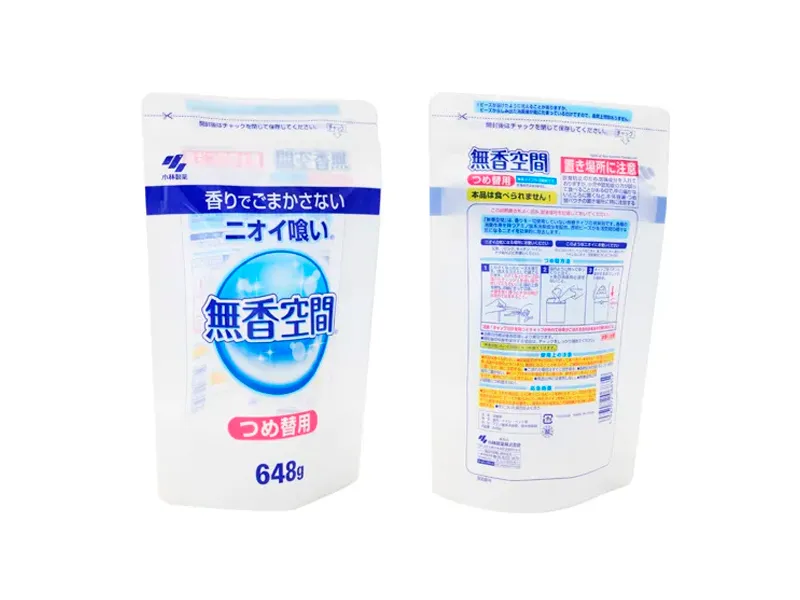
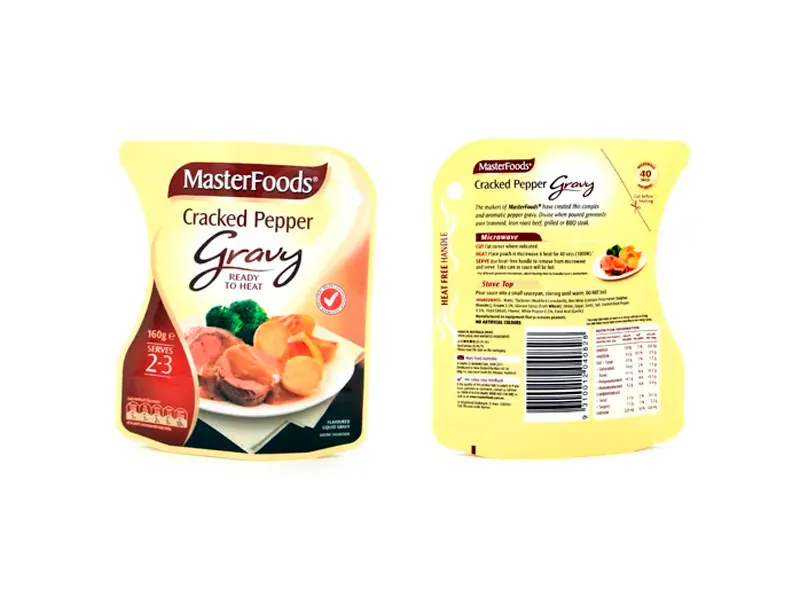
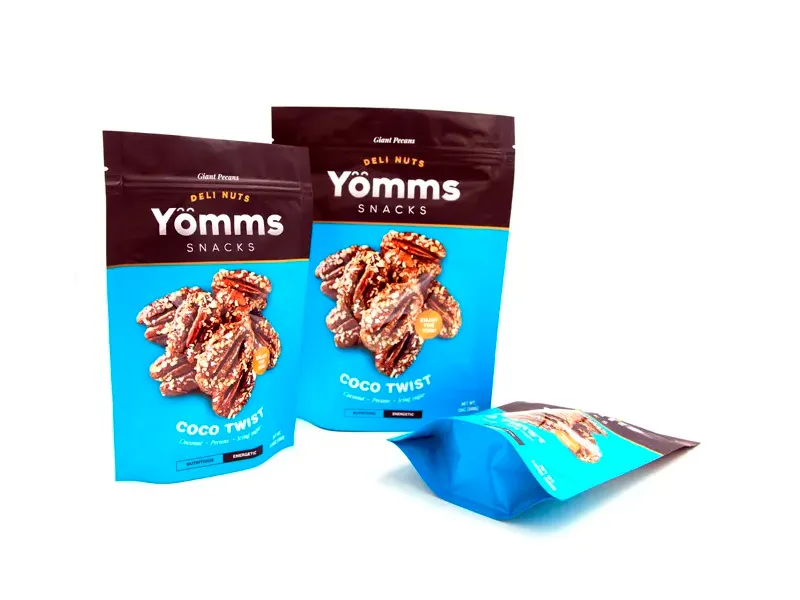
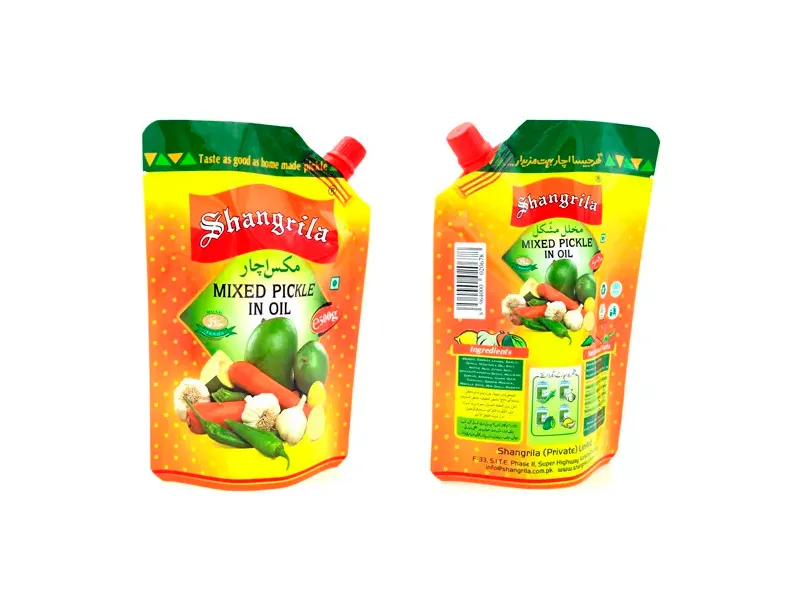
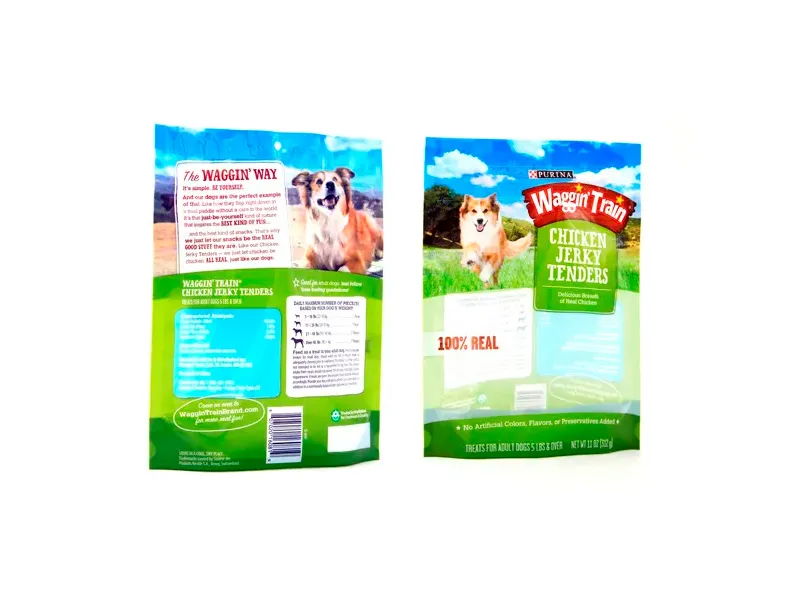
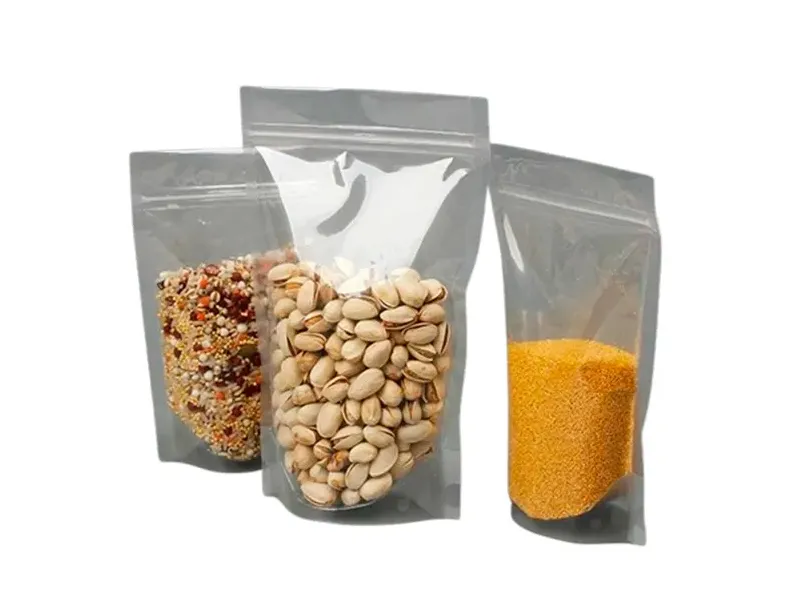
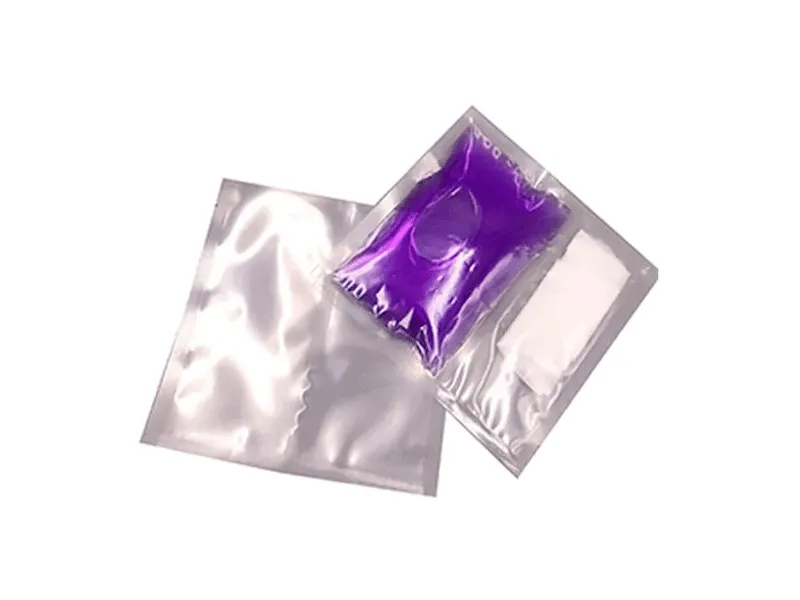
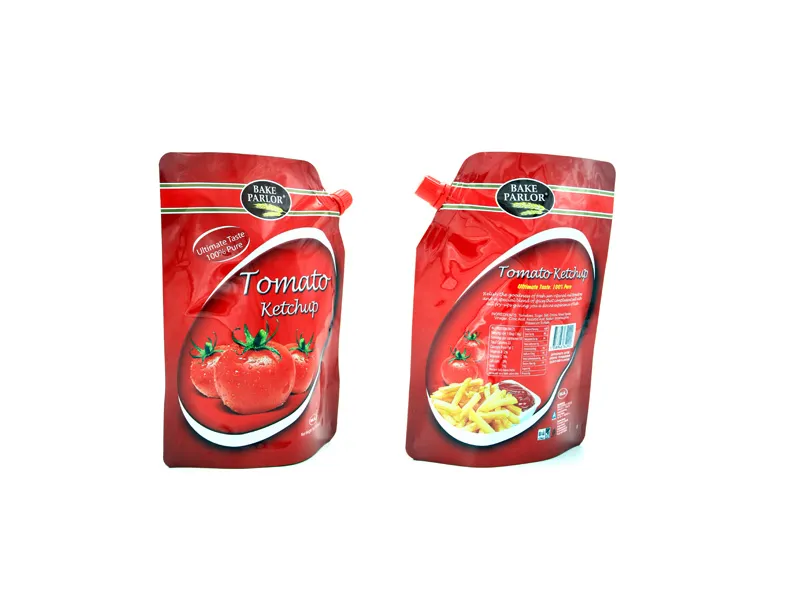
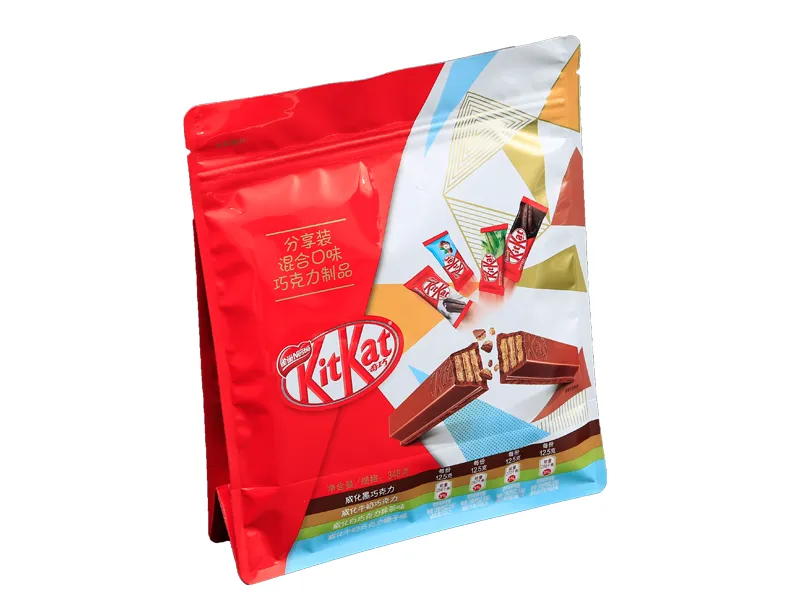
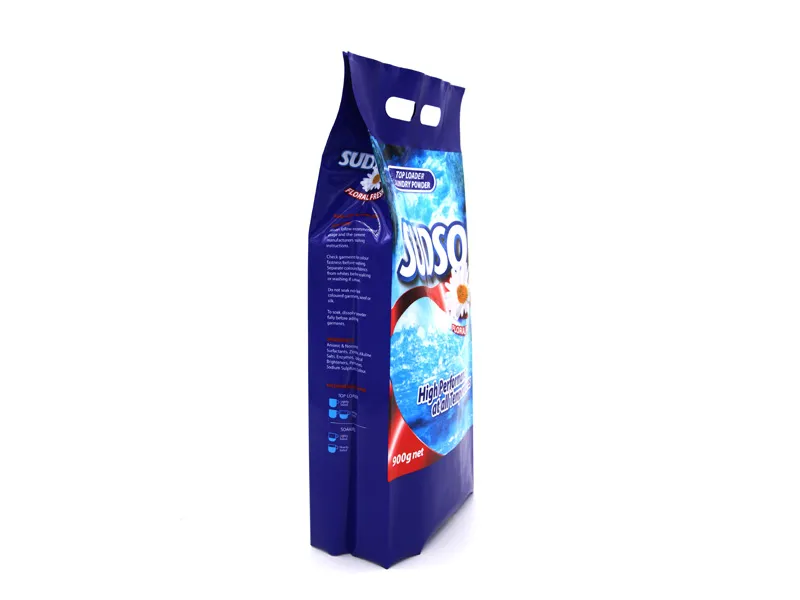
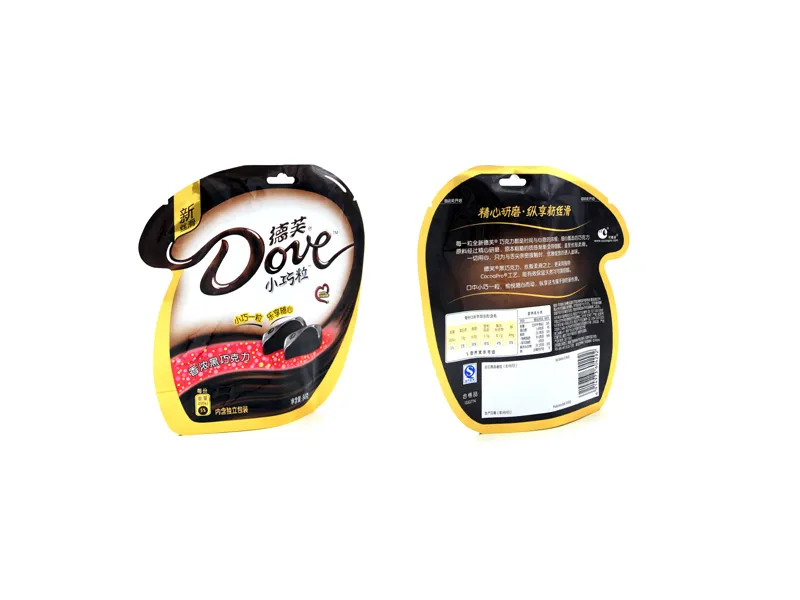
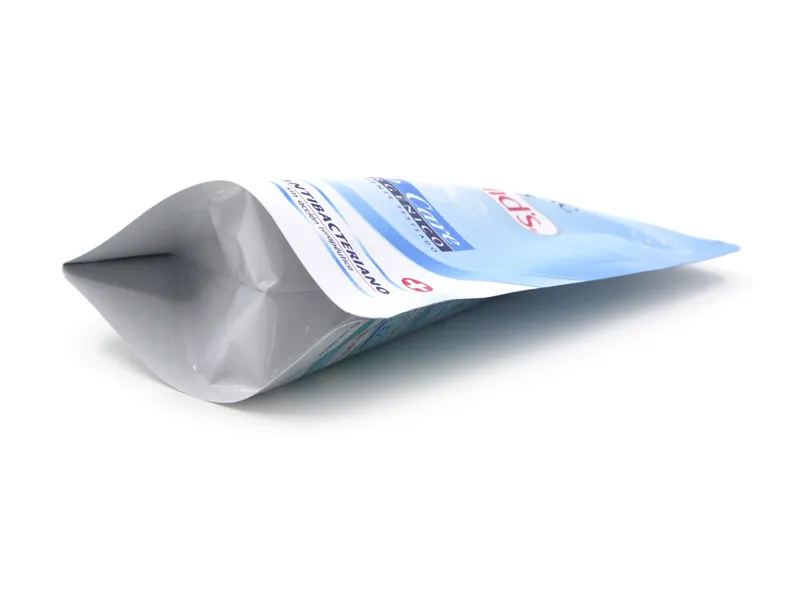
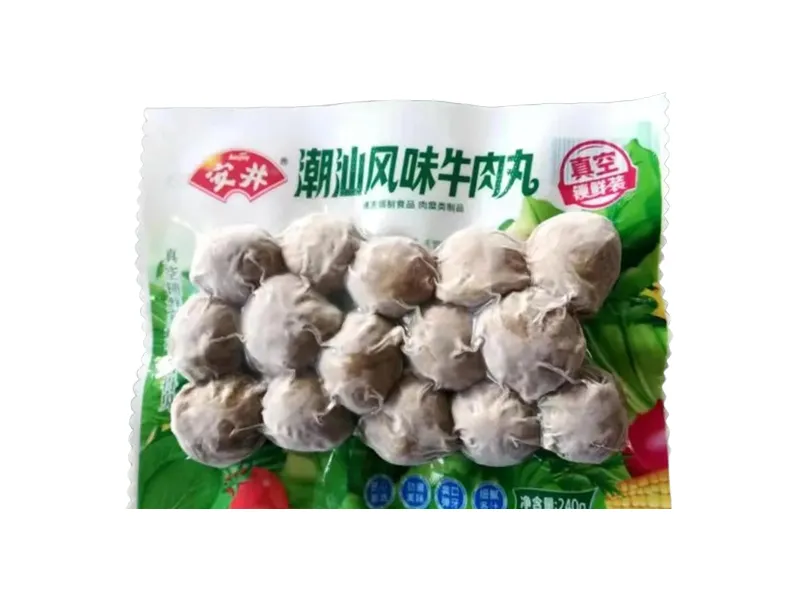
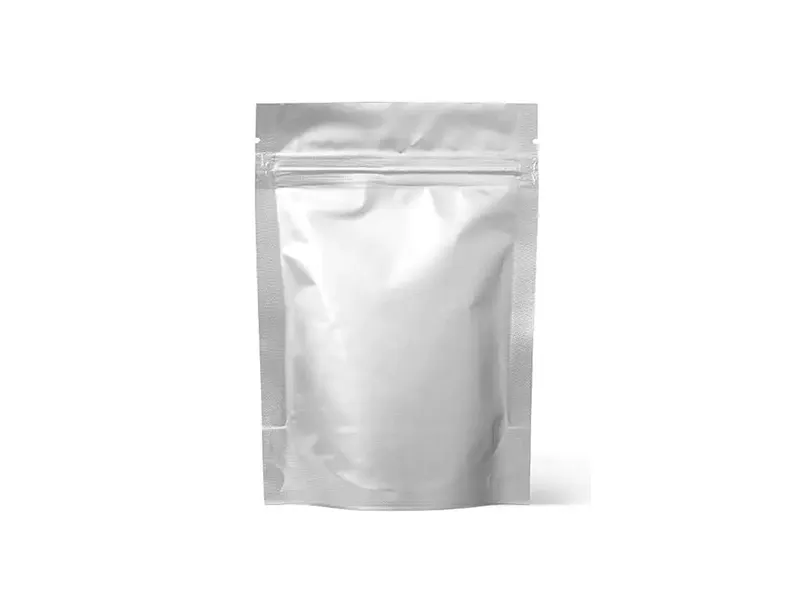
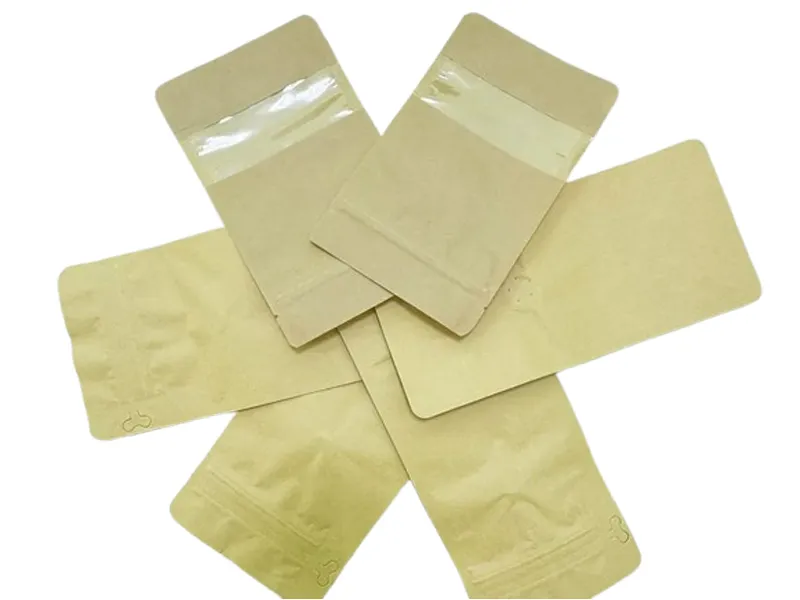
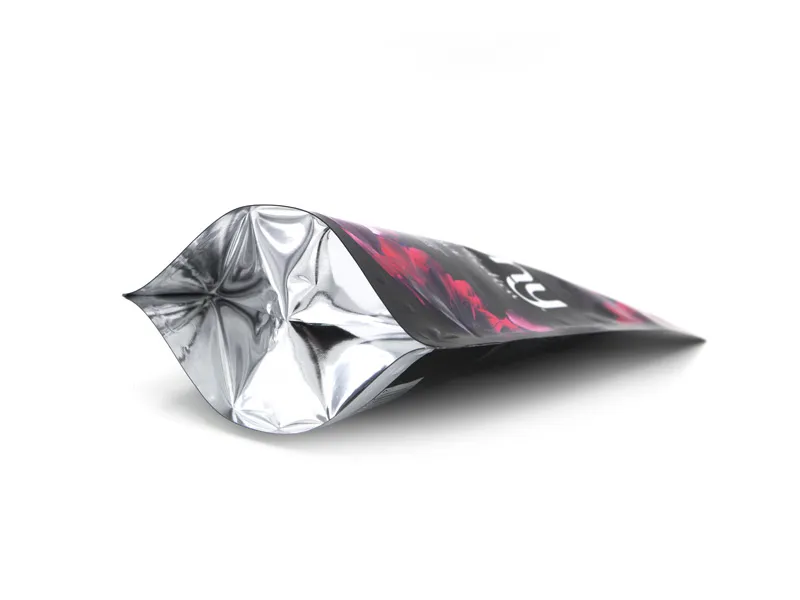
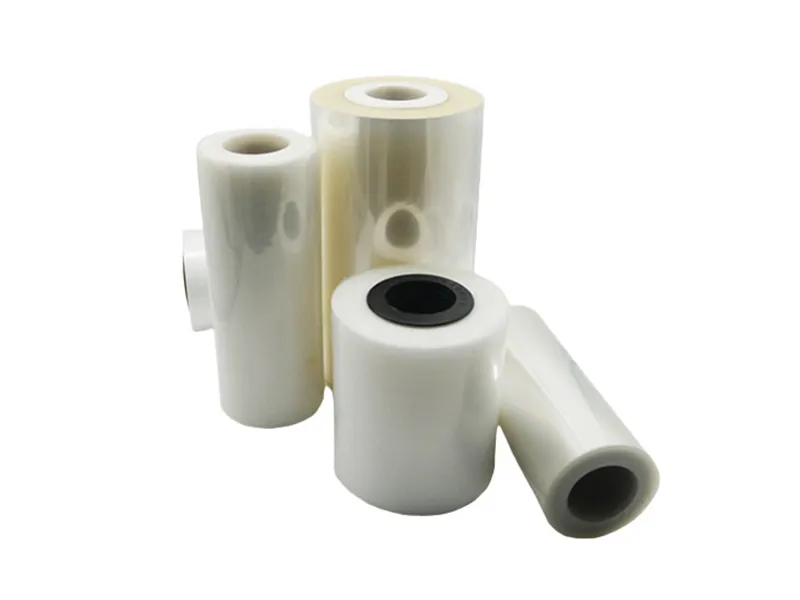
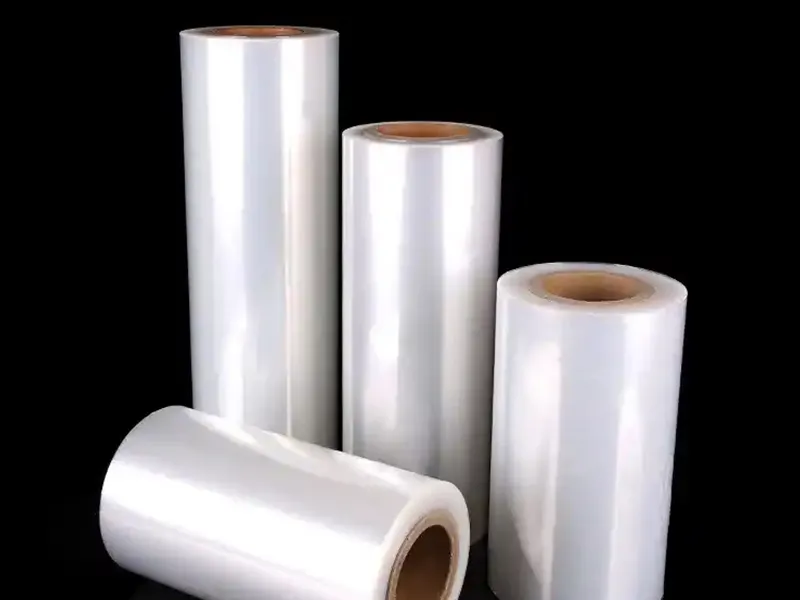
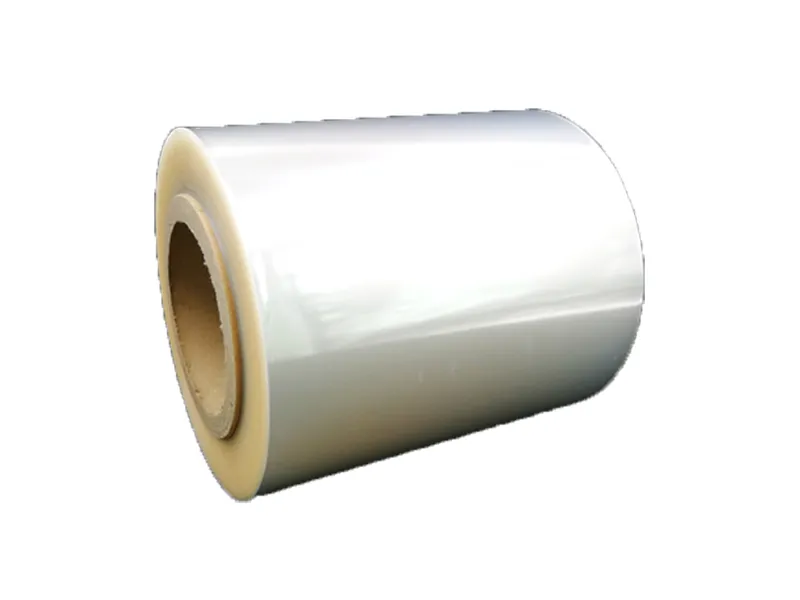
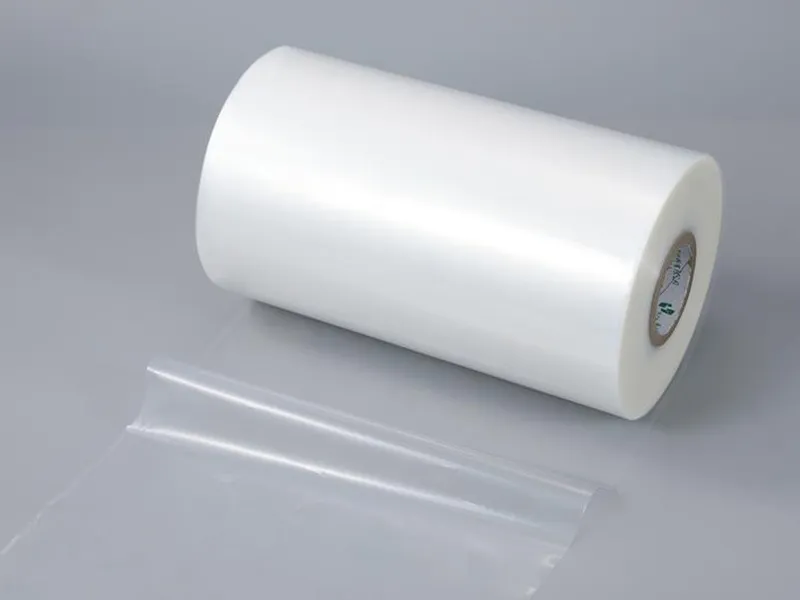
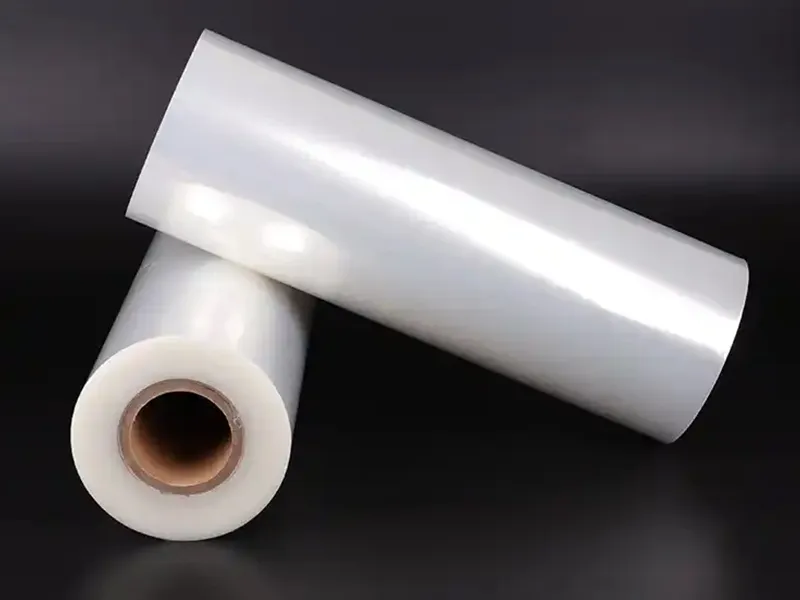
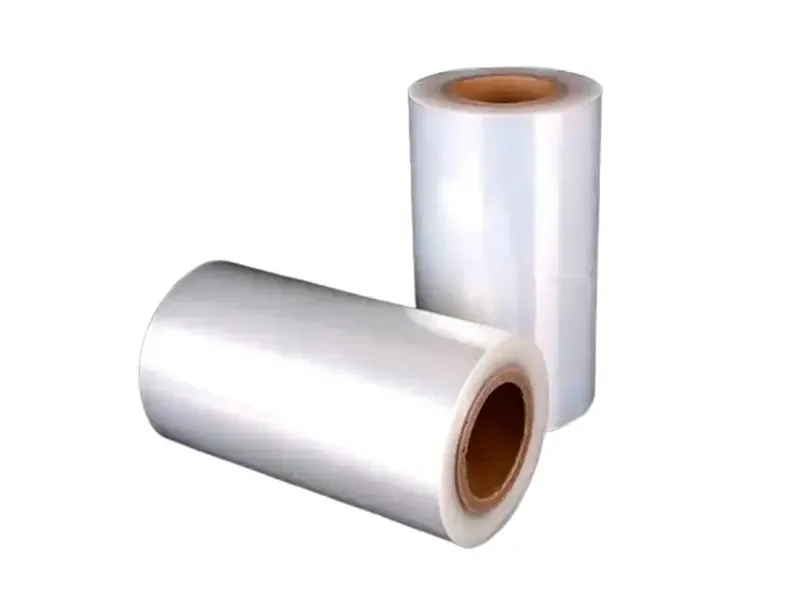
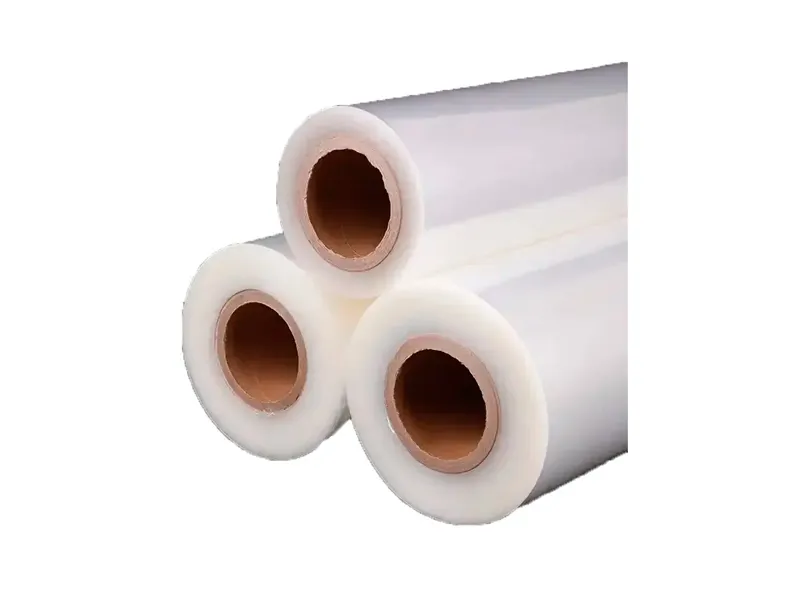
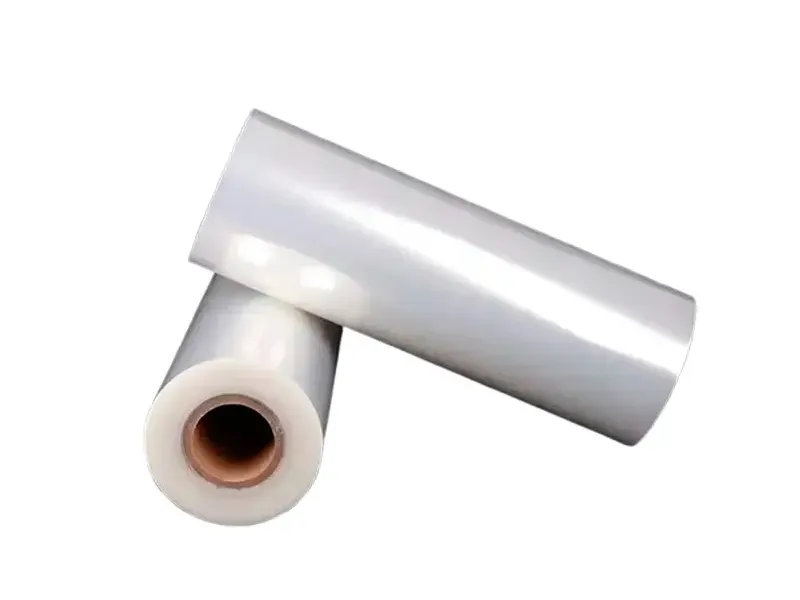
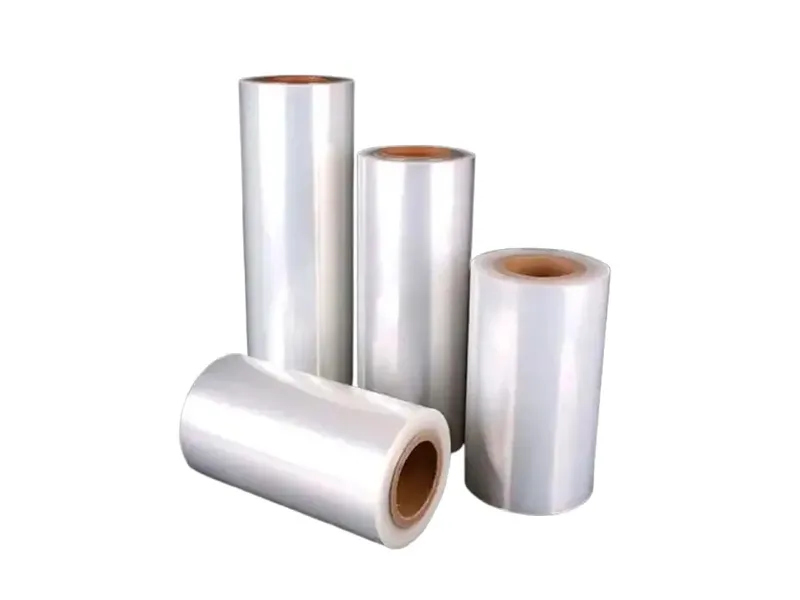
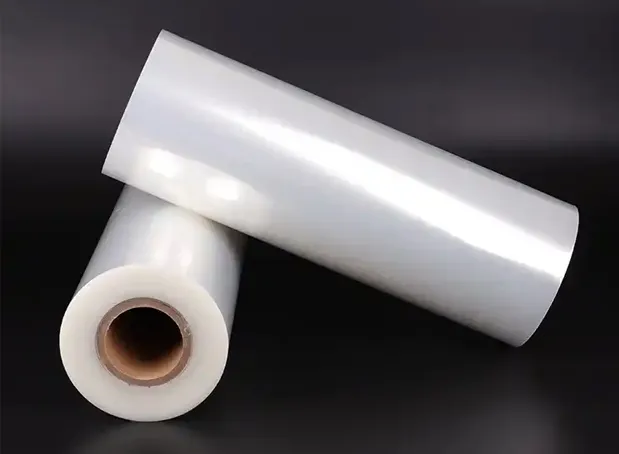
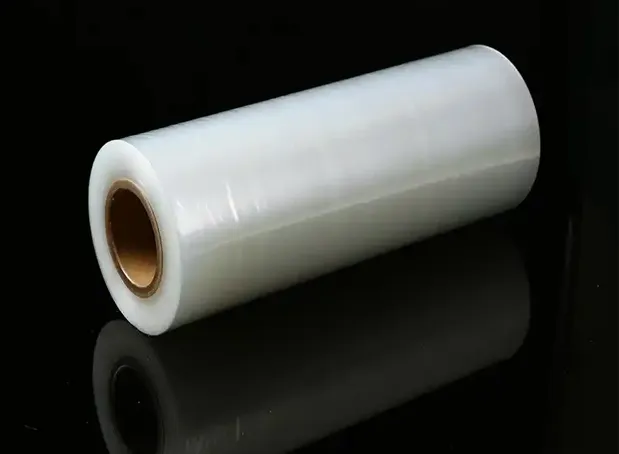
High barrier films refer to a type of functional plastic films that have extremely strong resistance to environmental penetration factors such as oxygen, water vapor, aroma, and oil. They are not a single material but are achieved through special materials or composite/coating technologies, with the core objective of maximizing the shelf life of products while maintaining their original flavor, quality, and nutritional value.
Oxygen transmission rate: The volume of oxygen that passes through the film per unit area within 24 hours under specific temperature and humidity conditions. The unit is typically cm³/m²·24h·atm. High barrier typically refers to OTR < 1, and ultra-high barrier can be as low as OTR < 0.1 or even lower.
Water vapor transmission rate: The mass of water vapor that passes through the film per unit area within 24 hours under specific temperature and humidity conditions. The unit is typically g/m²·24h. High barrier typically refers to WVTR < 1.
Use high barrier materials
EVOH (ethylene-vinyl alcohol copolymer): This is currently recognized as the polymer with the best oxygen barrier properties. However, its barrier performance is greatly affected by humidity. When the humidity is high, the oxygen barrier property will decrease. Therefore, it is always placed in the middle layer of the composite structure and protected by a moisture-proof layer (such as PE).
PVDC (polyvinylidene chloride): An excellent material for both oxygen and moisture barrier, and its barrier performance is less affected by humidity. It usually appears as a coating or co-extrusion layer. Due to its chlorine content, there are significant environmental concerns.
Aluminum foil: The "gold standard" for barrier performance, capable of almost completely blocking oxygen, water vapor, and light. However, it has poor flexibility, is prone to breaking and forming pinholes, and is opaque.
Transparent high barrier oxide coating: Such as SiOₓ (silicon oxide) and AlOₓ (aluminum oxide), a very thin transparent coating is formed on the surface of the film through vacuum coating technology, providing barrier properties similar to aluminum foil while maintaining transparency. It is often used in high-end packaging where "seeing the contents" is required.
Through composite and coating techniques
Single materials often cannot meet all requirements, so they are often made into composite films through the following processes:
Dry/solvent-free composite: Combine the above high barrier materials with other functional films (such as PET for strength and PE for heat sealing).
Co-extrusion: Extrude EVOH, PVDC, etc. barrier resins and other resins simultaneously through one die to form a multi-layer integrated structure.
Coating: Including vacuum aluminum coating and the aforementioned transparent oxide coating.
Oxidation deterioration: Oxygen causes spoilage of oils, nuts, snacks (producing rancid smell), color fading, and vitamin loss.
Moisture absorption or dehydration: Water vapor causes biscuits, milk powder to become damp and clumpy, or makes fruits and vegetables lose moisture and become shriveled.
Loss of aroma or cross-contamination of odors: The aroma of the product escapes, or absorbs external odors.
Light degradation: Ultraviolet rays trigger photo-oxidation reactions, affecting quality.
The high-barrier film acts like a "protective chamber" for the product, effectively blocking these adverse factors.