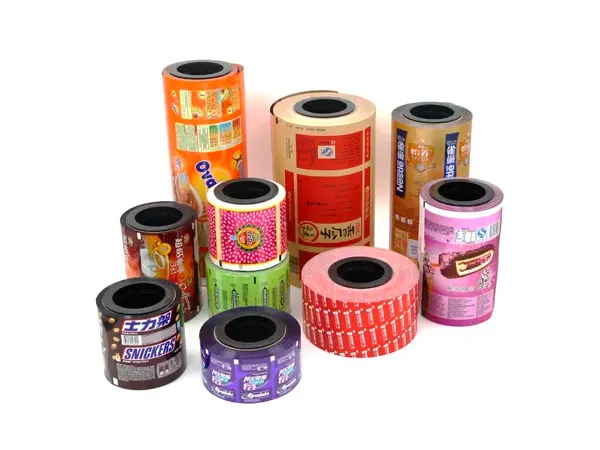
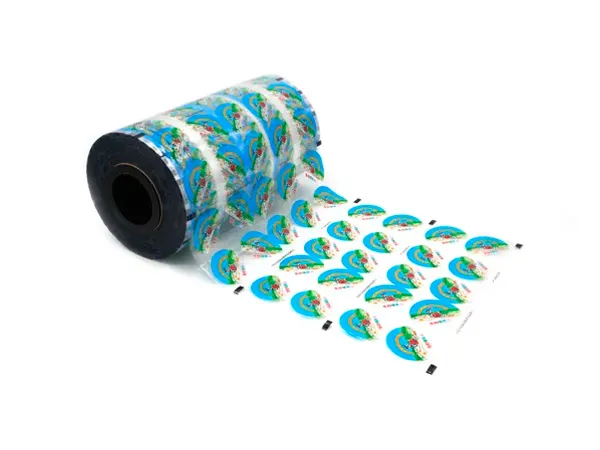
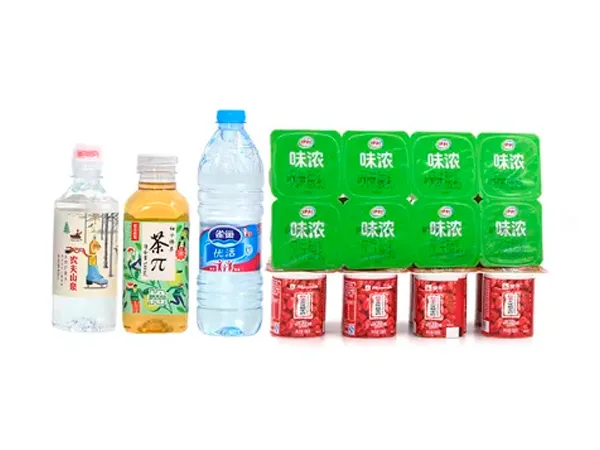
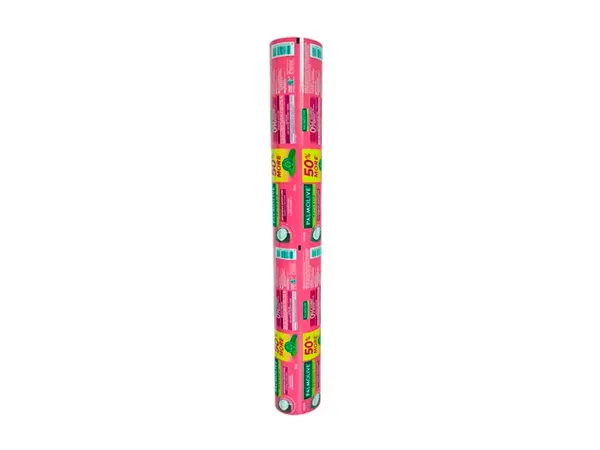
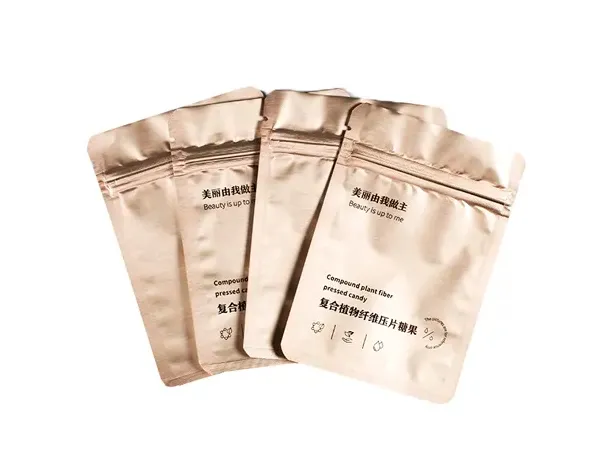
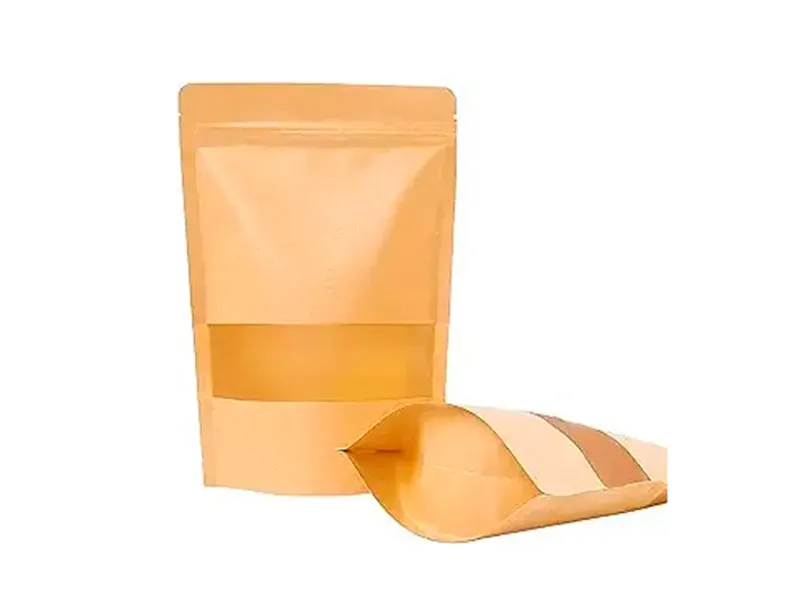
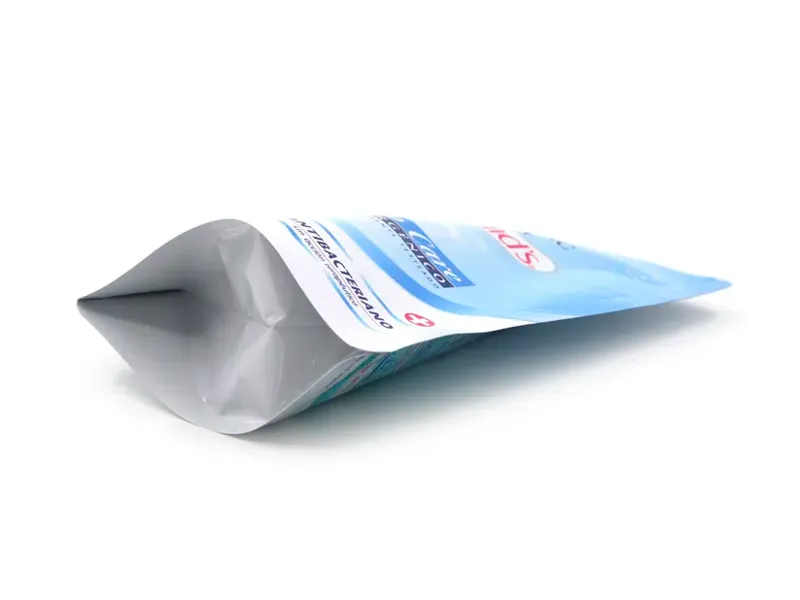
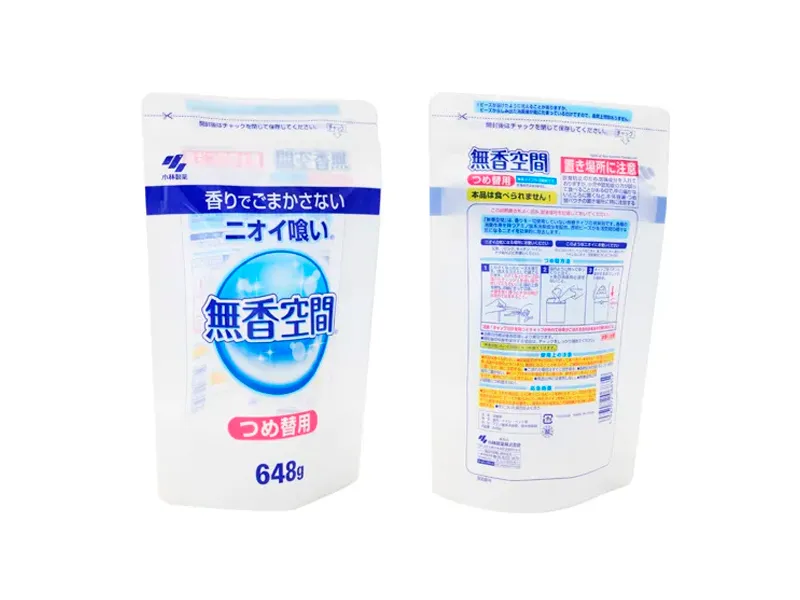
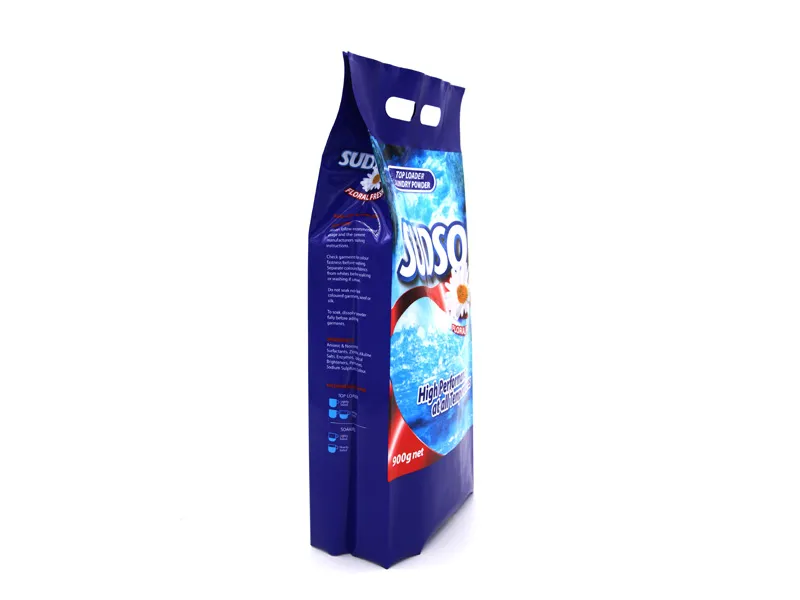
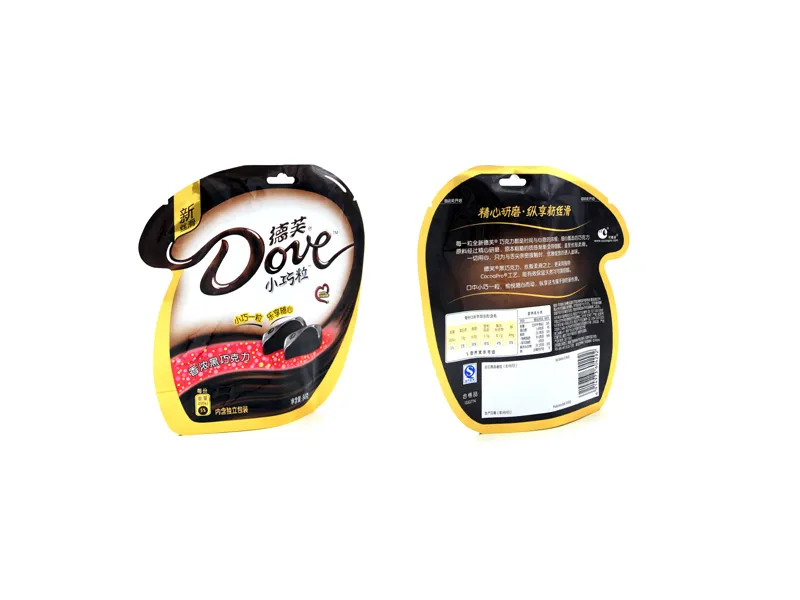
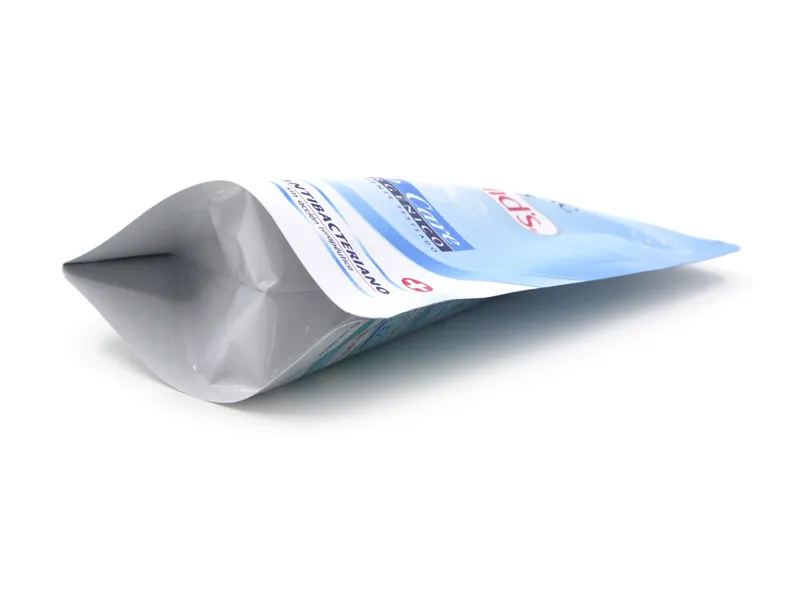
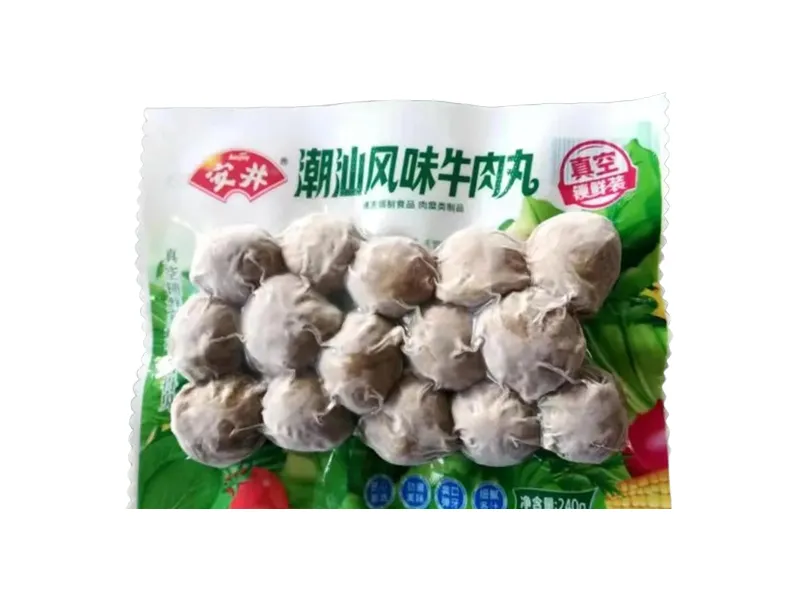
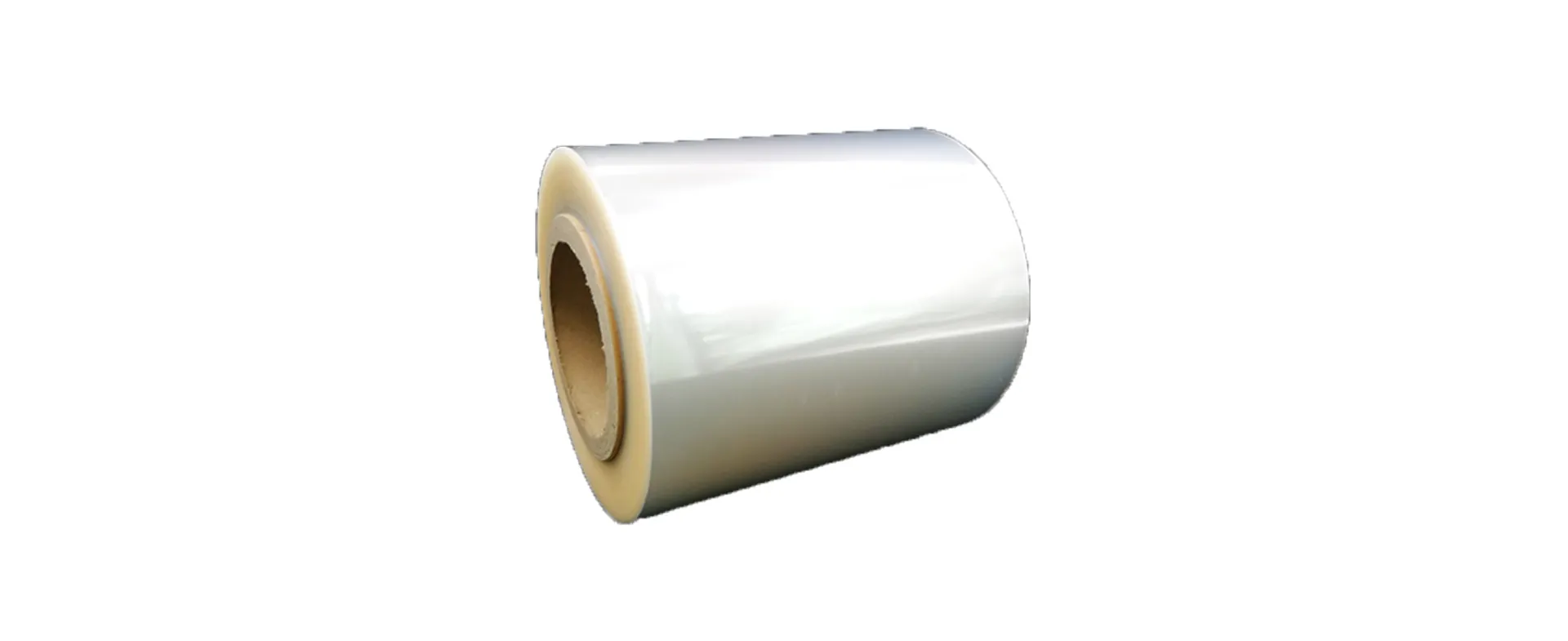
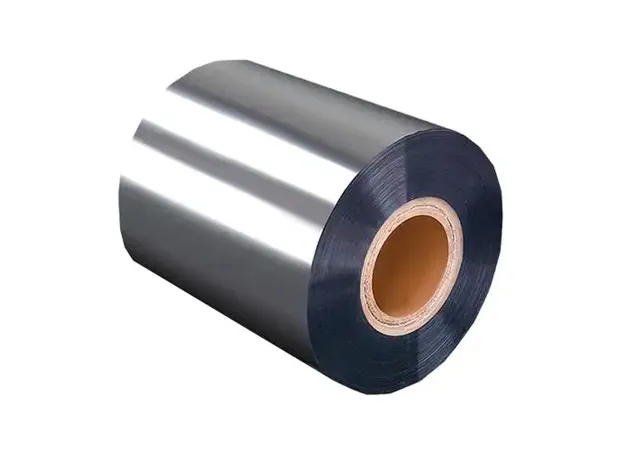
In a typical composite packaging structure, CPP plays an indispensable role:
Outer layer: Typically BOPP or BOPET, providing strength, printability and rigidity.
Middle layer: Aluminum foil or metalized film, providing high barrier properties.
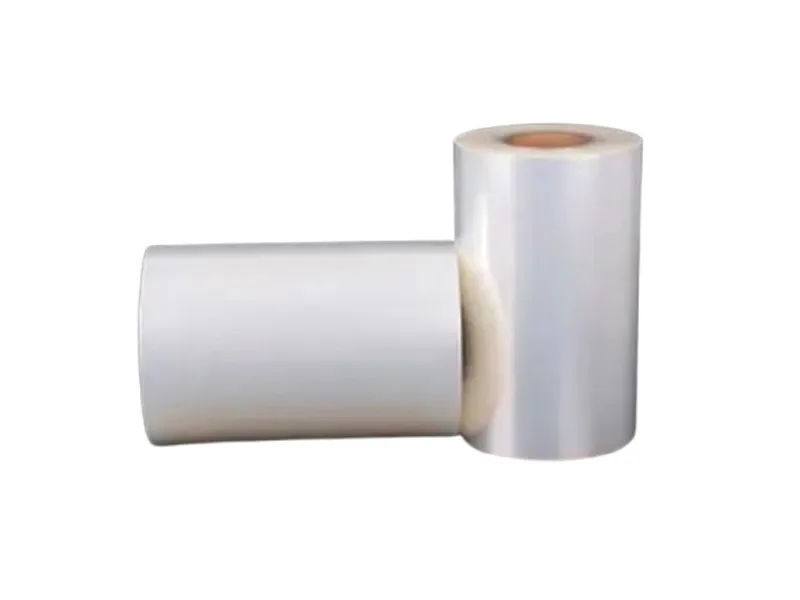
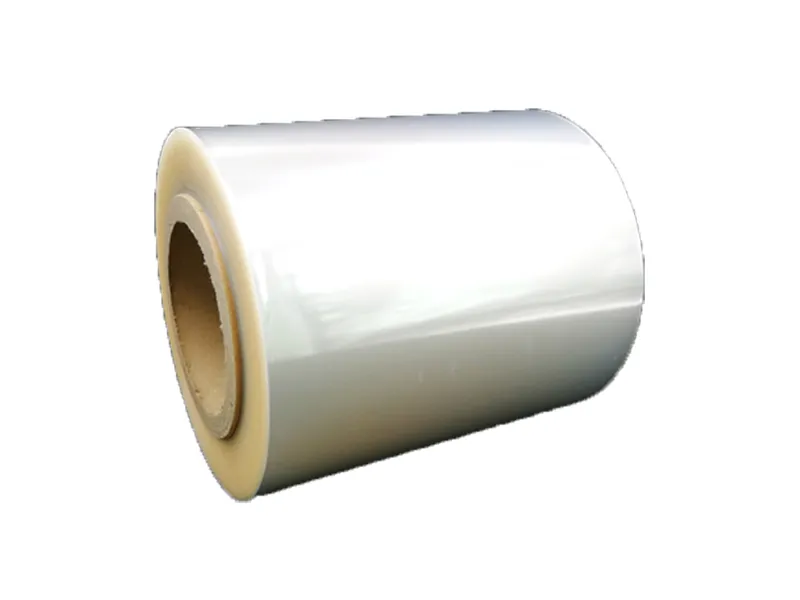
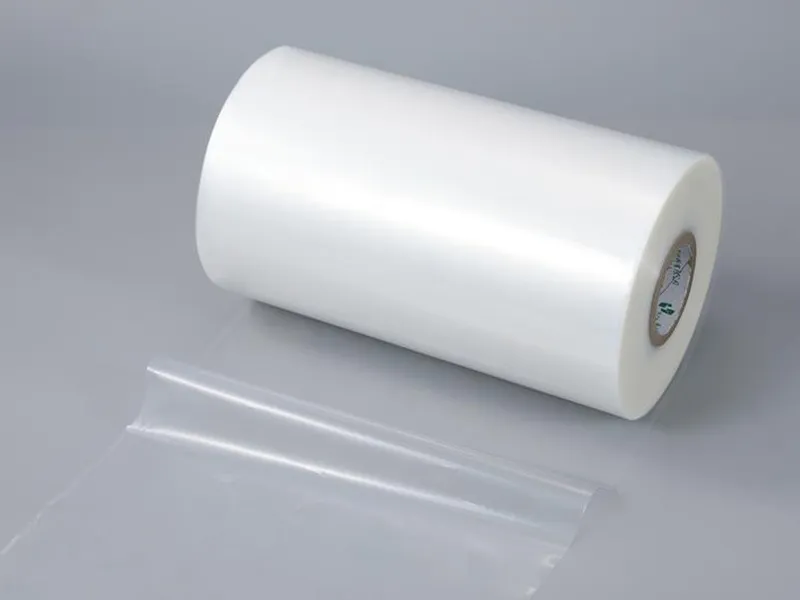
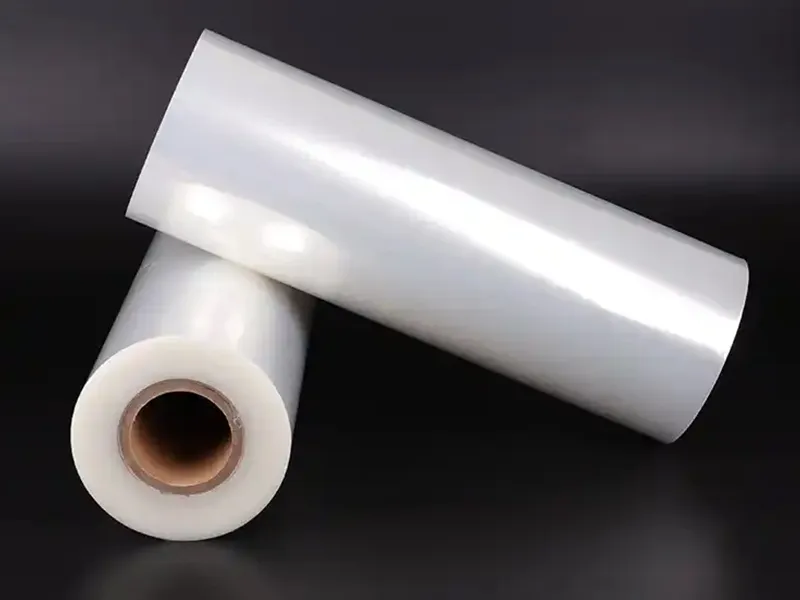
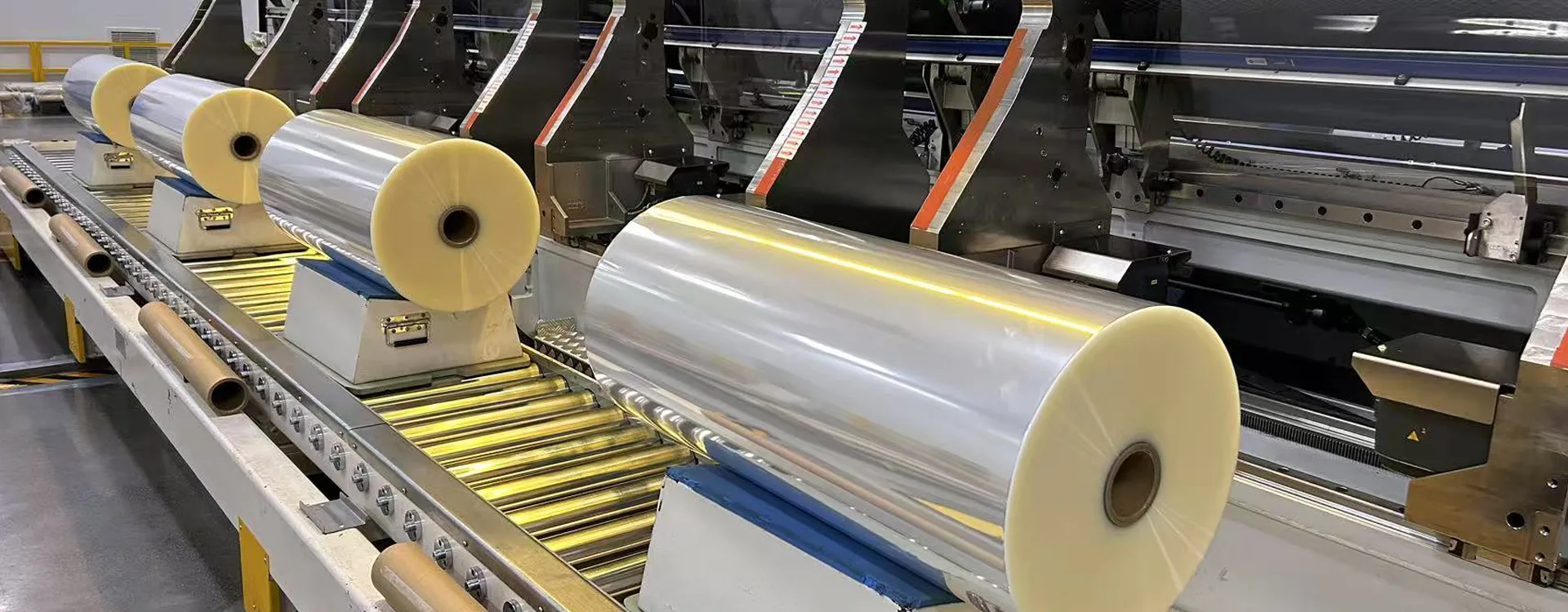
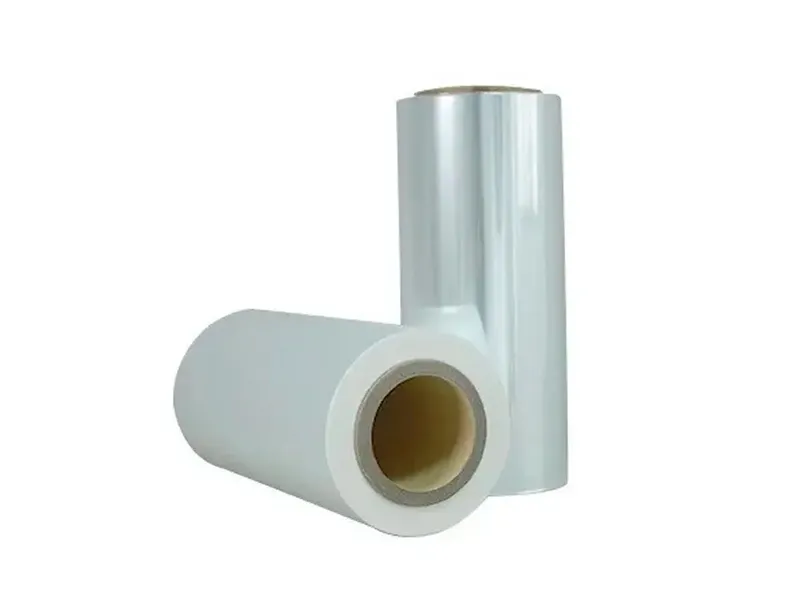
Inner layer: CPP film for heat sealing and protecting the middle layer.
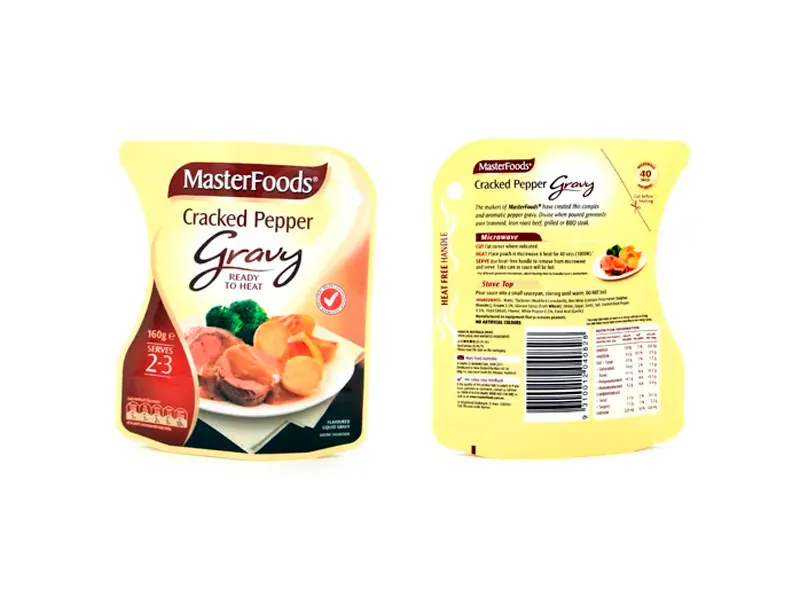
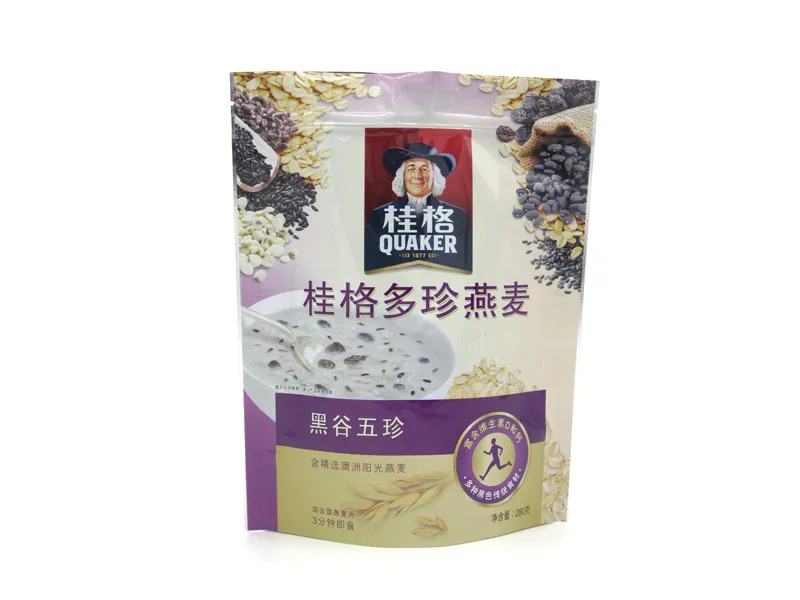
Example: The packaging structure of an eight-flavor porridge is typically PET / AL / RCPP. Among them, RCPP (retort CPP) is the inner layer that can withstand high-temperature sterilization and ensure sealing.
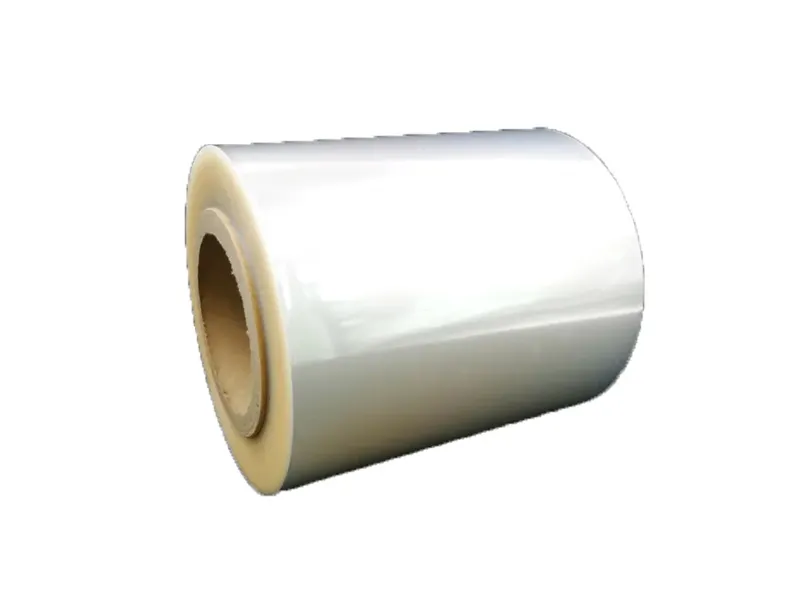
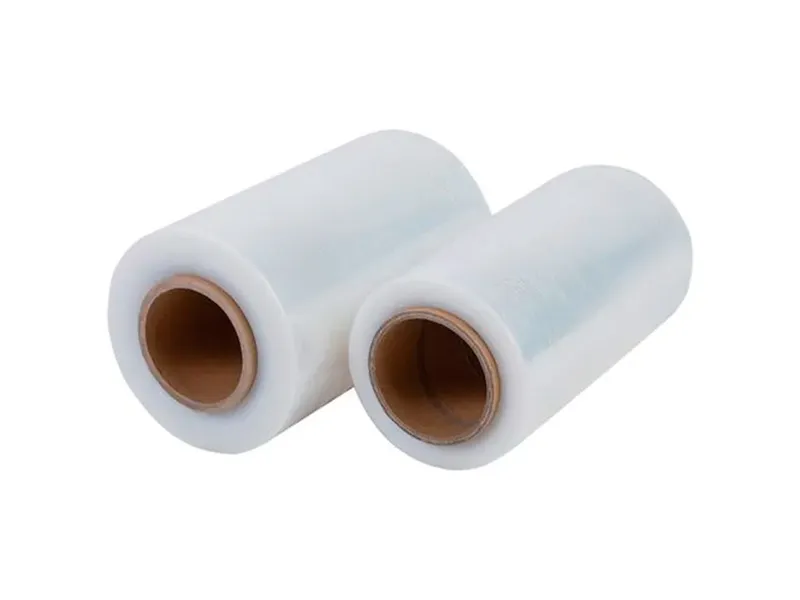
General-purpose CPP - used for daily moisture-proof packaging, such as clothing, textiles, stationery, biscuits, and bread packaging.
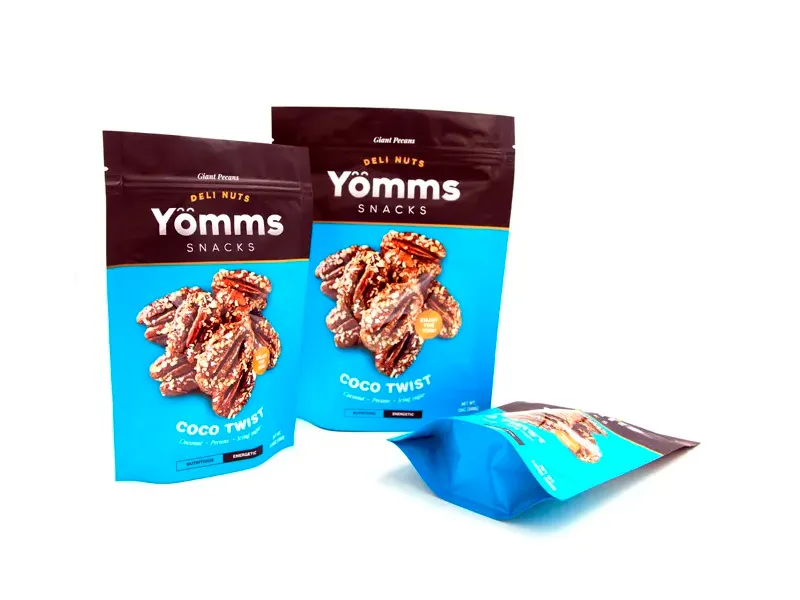
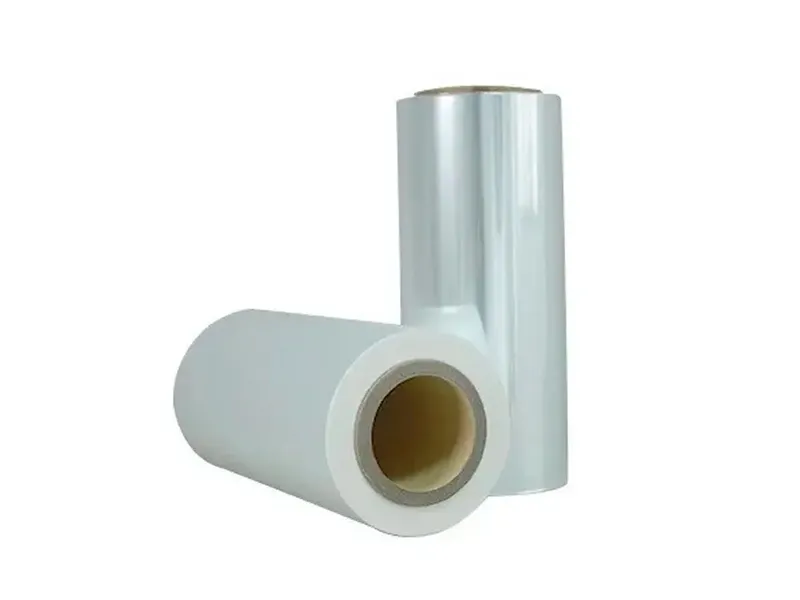
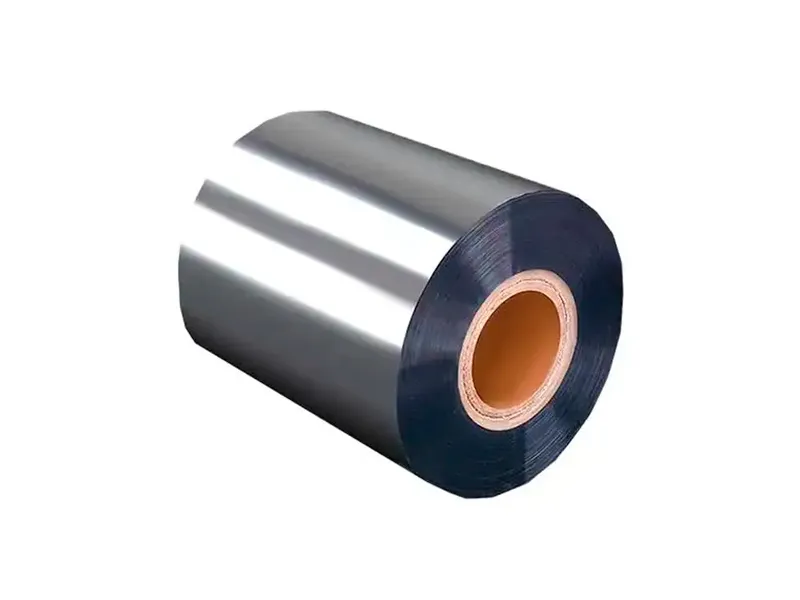
Vacuum metalized CPP - with high surface tension and strong adhesion to the aluminum layer. Specifically used for bonding with aluminized films (such as VMPET) to form high-barrier aluminized packaging, suitable for snacks, coffee, etc.
Retort CPP (RCPP) can withstand temperatures above 121℃ for steam sterilization. It is an indispensable inner layer material for the production of high-temperature steam sterilization packaging bags (such as meat, canned dishes).
High-temperature retort CPP (HRCPP) can withstand sterilization conditions of 135℃ or higher, used for medical device sterilization bags, special military rations, etc.
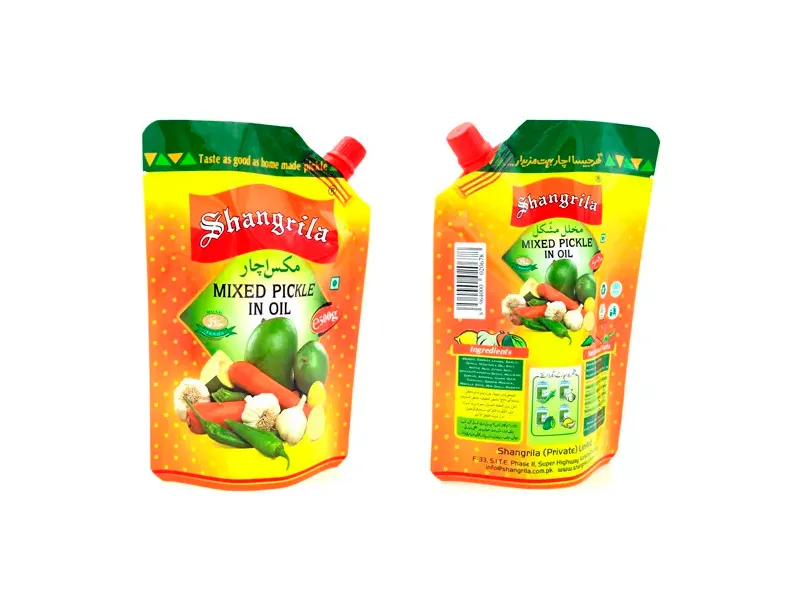
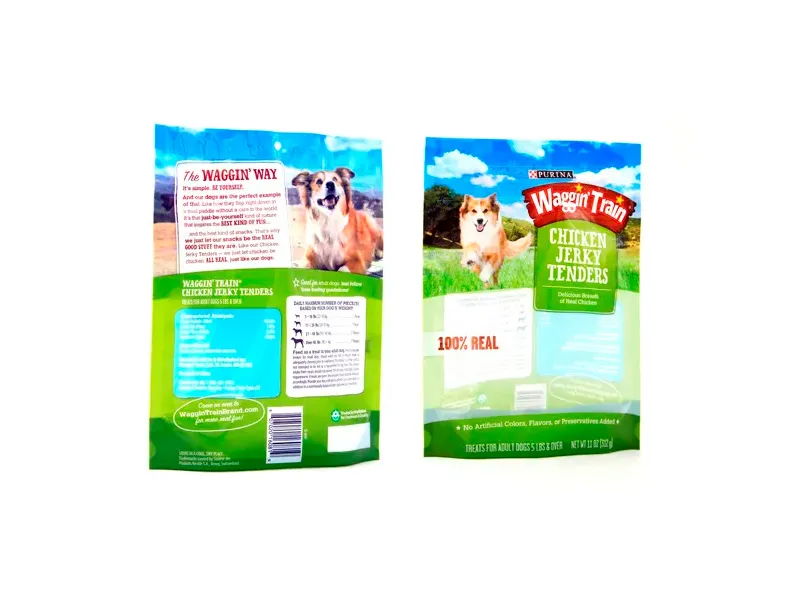
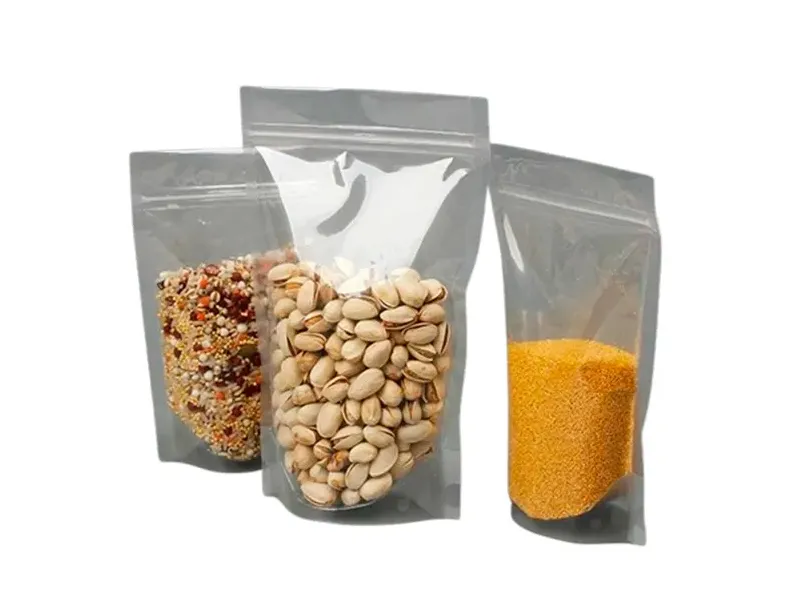
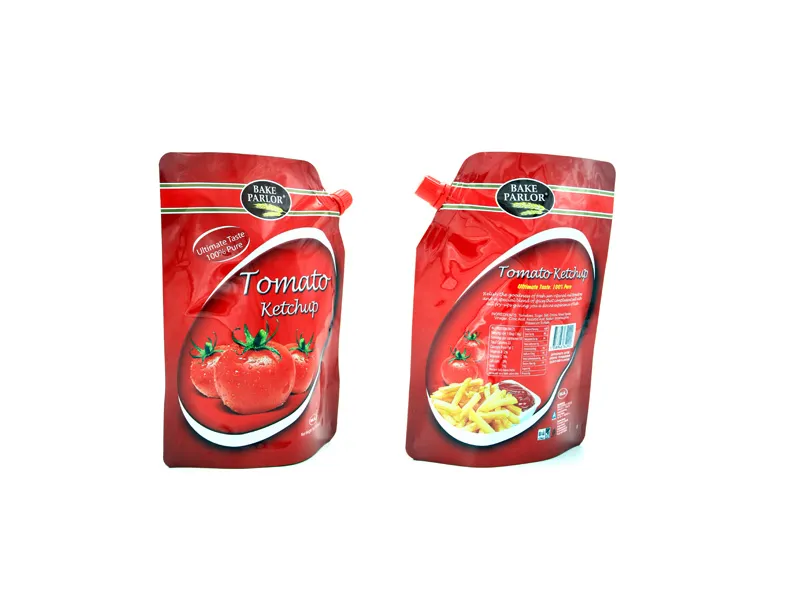
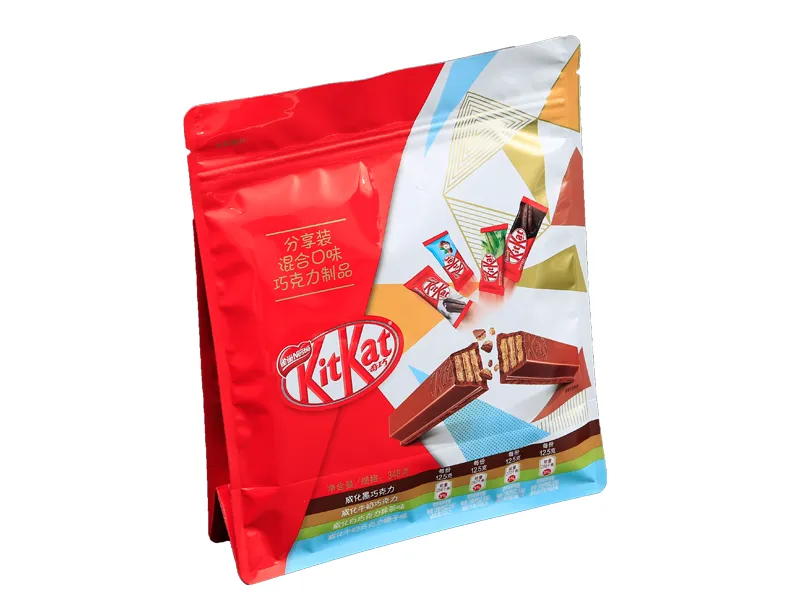
Food packaging: As the inner layer of composite bags, used for snacks, instant noodles, biscuits, high-temperature steamed food, liquid soups, etc.
Packaging for textiles and daily necessities.
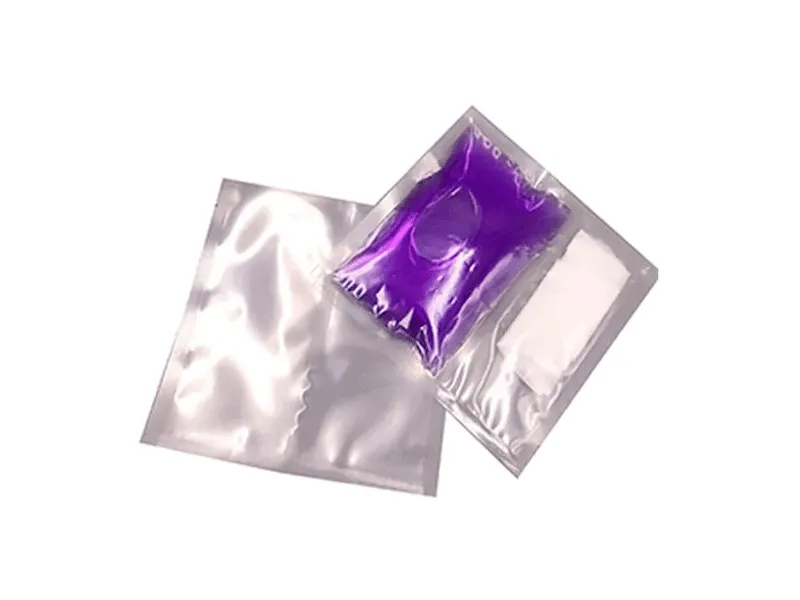
Pharmaceutical packaging: As the inner layer of medicine bags and sterilization bags for medical devices.