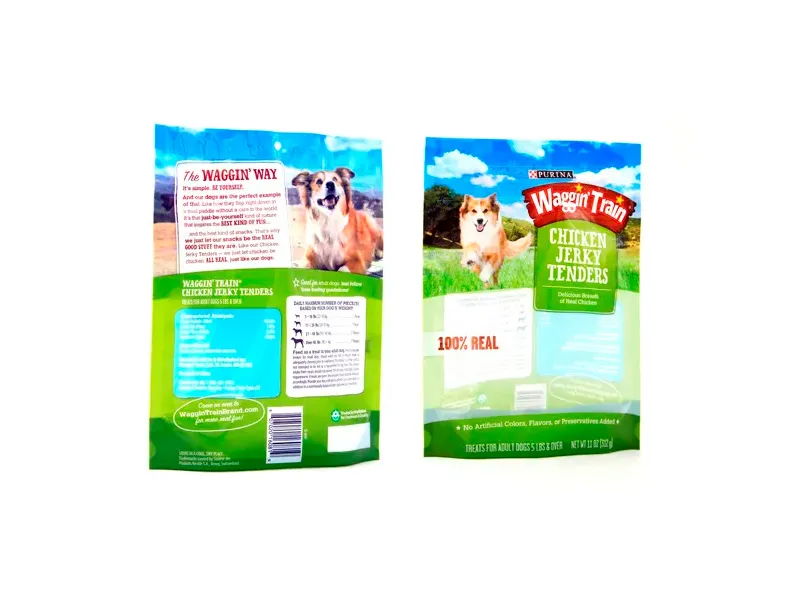
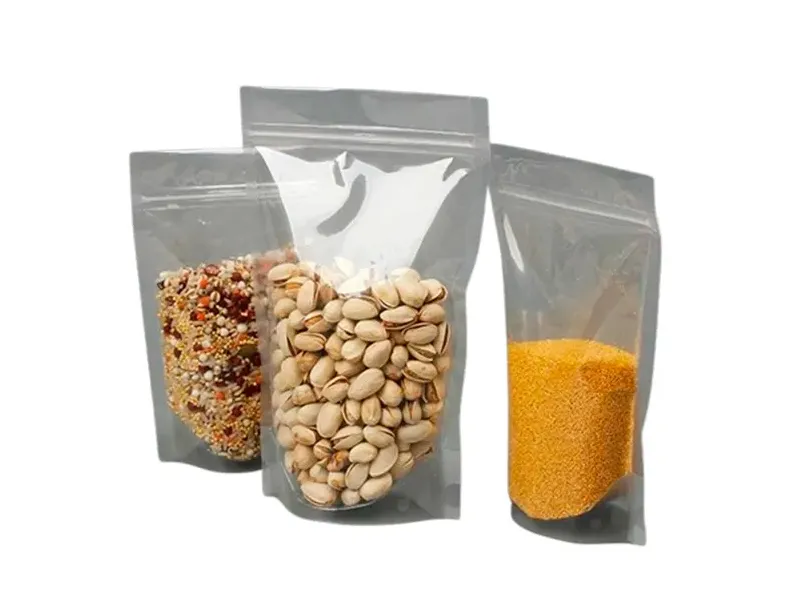
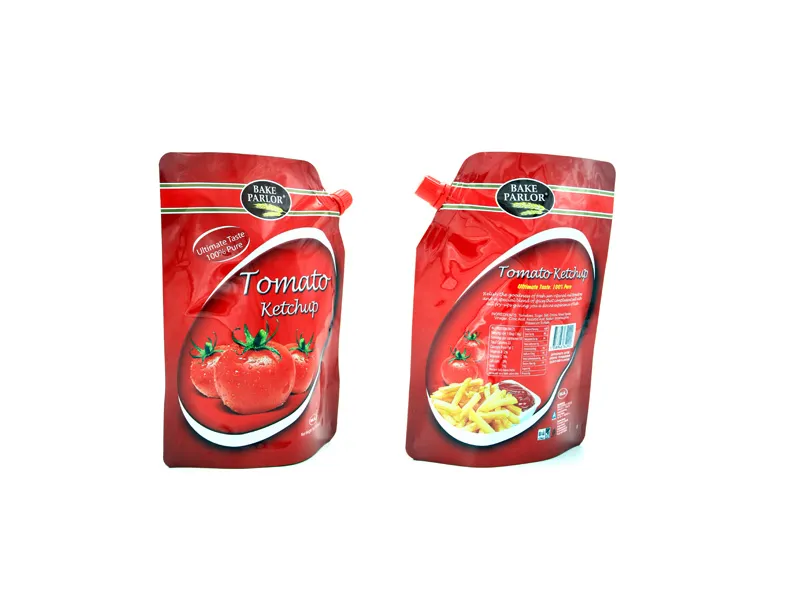
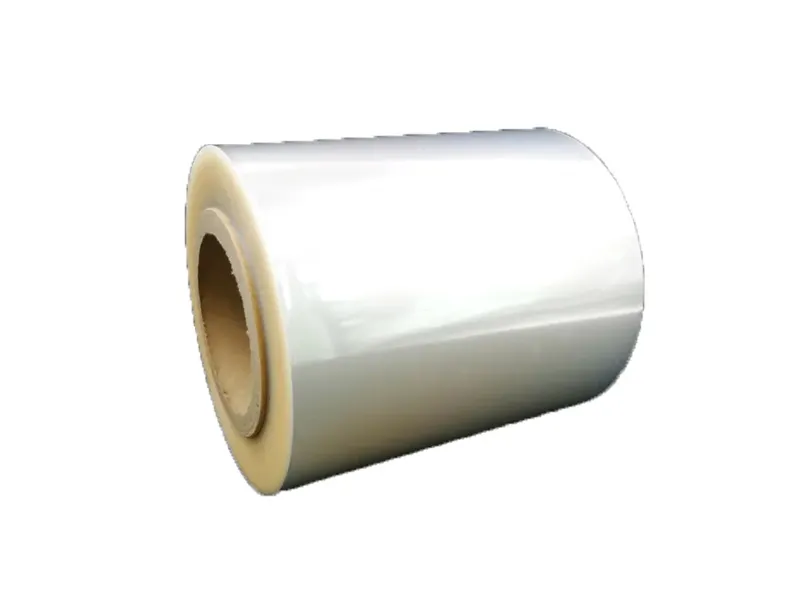
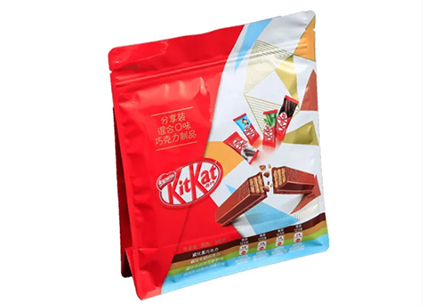
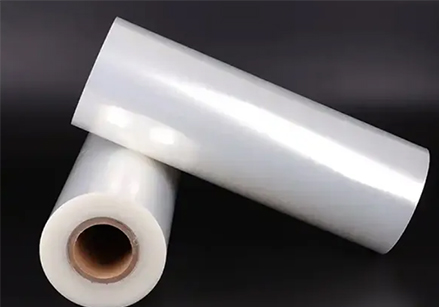
As flexible packaging moves toward simpler material structures, BOPE film and MDOPE film have become important options for developing mono-material PE packaging. Both use polyethylene as the primary material, but their orientation processes give them different performance characteristics and packaging roles.
For packaging manufacturers, the choice between BOPE and MDOPE should not be based on the film name alone. Mechanical properties, printing, lamination, sealing, stiffness, and the requirements of the finished package all need to be considered together.
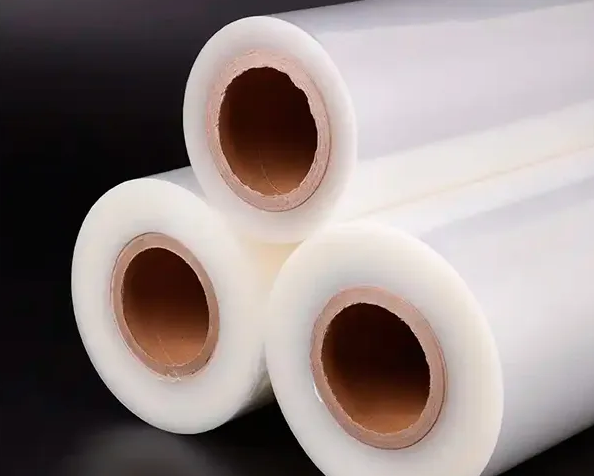
Why BOPE and MDOPE Matter for Mono-Material Packaging
Traditional flexible packaging often combines different polymer types to achieve strength, barrier performance, printability, and sealing. While effective, these multilayer combinations can make recycling more complicated.
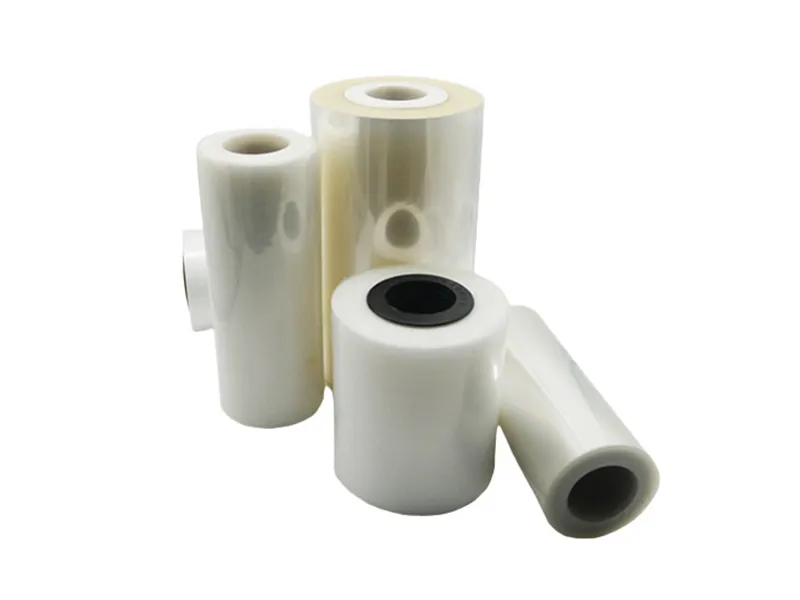
All-PE structures provide another approach by keeping the main polymer family within polyethylene. BOPE film can provide improved mechanical properties through biaxial orientation, while MDOPE uses machine-direction orientation to modify the properties of PE film.
Both materials can therefore contribute to mono-material packaging structures, but they are not automatically interchangeable. The appropriate choice depends on the package design and the function required from each layer.
BOPE vs MDOPE: How the Orientation Process Differs
The main difference starts with the orientation process.
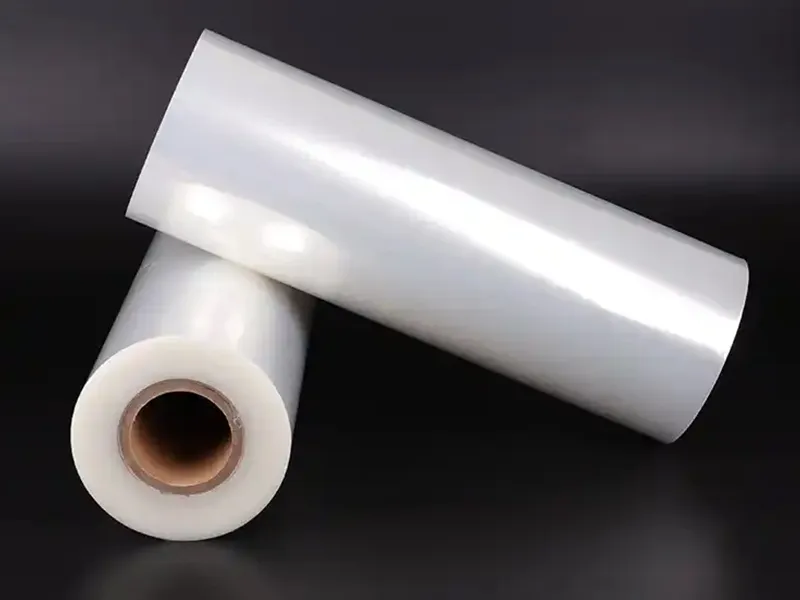
BOPE stands for biaxially oriented polyethylene. The film is stretched in both the machine direction and transverse direction. This orientation can improve properties such as tensile strength, stiffness, and dimensional stability.
MDOPE refers to machine-direction oriented polyethylene. The film is primarily stretched in the machine direction. This creates a different balance of strength, stiffness, elongation, and processing behavior.
The orientation method affects how each film behaves during printing, lamination, converting, and package formation. Buyers should therefore evaluate orientation together with the intended role of the film in the final structure.
BOPE vs MDOPE Performance Comparison
The two films can provide different performance profiles depending on their specific grades and production conditions.
| Factor | BOPE Film | MDOPE Film |
|---|
| Orientation | Machine + transverse direction | Mainly machine direction |
| Main benefit | Balanced mechanical performance | Direction-specific strength and stiffness |
| Dimensional stability | Generally improved through biaxial orientation | Strong influence in machine direction |
| Packaging role | Outer or structural layer | Structural or functional PE layer |
| Mono-material use | Suitable for all-PE structures | Suitable for all-PE structures |
| Selection focus | Overall balance of properties | Specific directional performance |
These differences mean that neither material should be considered universally better. The finished packaging structure and converting process should determine which performance profile is more useful.
Printing, Lamination and Heat-Sealing Roles in All-PE Structures
In an all-PE packaging structure, different PE films can perform different functions. One layer may provide printing and mechanical support, while another provides sealing.
BOPE can be used where an oriented structural layer is required, while MDOPE can provide a different balance of stiffness and directional mechanical properties. Depending on the grade, additional sealant layers may still be required.
Printing and lamination compatibility also need to be confirmed. Surface treatment, ink adhesion, adhesive compatibility, coefficient of friction, and film thickness can all affect converting performance.
The goal is not simply to replace every conventional film with BOPE or MDOPE. Instead, the packaging structure should be redesigned around compatible PE-based layers while maintaining the required performance. For brands and converters developing mono-material structures, recyclable film can also be evaluated as part of a broader packaging strategy, particularly when the structure needs to balance material compatibility, converting performance, and recycling considerations.
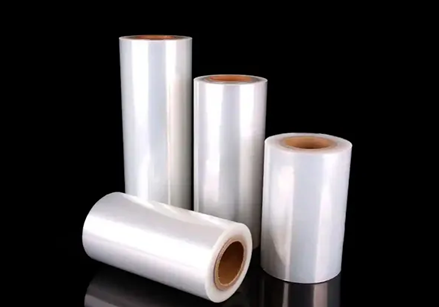
When Should You Choose BOPE and When Should You Choose MDOPE?
BOPE may be considered when the packaging structure needs balanced properties in both directions and the application benefits from biaxial orientation.
MDOPE may be more appropriate when machine-direction stiffness or strength is an important design requirement, or when the converting process is built around a machine-direction oriented PE layer.
Buyers should evaluate:
Required stiffness and tensile performance
Machine-direction and transverse-direction properties
Printing requirements
Lamination structure
Heat-sealing requirements
Package-forming process
Desired mono-material or recyclable structure
Novel Packaging offers both BOPE film and MDOPE film for PE-based flexible packaging applications, making these materials relevant starting points when evaluating different approaches to mono-material packaging.
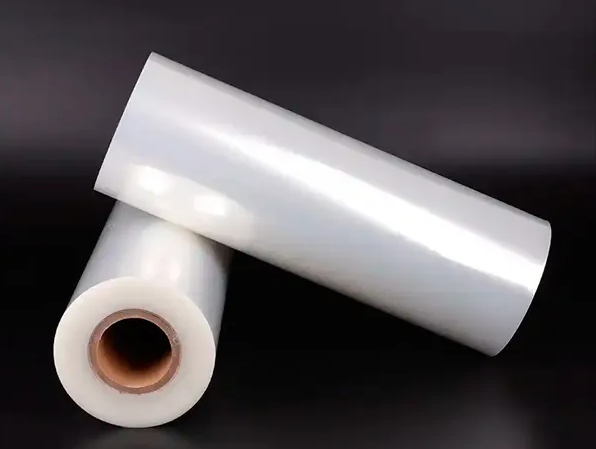
What Specifications Should Buyers Confirm Before Choosing PE Film?
Before ordering, buyers should request technical data for the specific grade rather than comparing only the general material name.
Important specifications may include thickness, width, tensile strength, elongation, haze, gloss, coefficient of friction, surface treatment, heat-sealing performance, and dimensional stability.
For mono-material packaging, buyers should also examine how the selected film works with the other PE layers. A technically strong film may still be unsuitable if it creates problems during printing, lamination, sealing, or high-speed converting.
Samples should ideally be tested using production-relevant equipment and conditions before a bulk order is finalized.
Conclusion
BOPE film and MDOPE film both support the development of mono-material PE packaging, but their orientation processes create different performance characteristics. BOPE provides biaxial orientation, while MDOPE emphasizes machine-direction properties. The right choice depends on the required mechanical performance, converting process, sealing structure, and final packaging design.
Frequently Asked Questions
What is BOPE film?
BOPE is biaxially oriented polyethylene film, produced by stretching PE in both the machine and transverse directions to improve selected mechanical and dimensional properties.
What is MDOPE film?
MDOPE is machine-direction oriented polyethylene film. Its orientation process primarily modifies properties along the machine direction.
Is BOPE recyclable?
BOPE can be used as part of PE-based mono-material packaging structures. The recyclability of the finished package depends on the complete structure and applicable recycling system.
Is BOPE better than MDOPE?
Neither is universally better. The appropriate material depends on the required strength, stiffness, orientation characteristics, printing, lamination, and sealing requirements.
Can BOPE and MDOPE be used together?
They can be incorporated into PE-based packaging structures when their properties and converting requirements are compatible. The complete laminate should be evaluated rather than selecting layers independently.
How should buyers choose between BOPE and MDOPE?
Start with the required package performance, then compare orientation, mechanical properties, sealing, printing, lamination, thickness, and converting requirements. Sample testing can help confirm the suitability of the selected grade.
Guangzhou Novel Packaging Co., Ltd.
Established in 2004, Novel Packaging specializes in flexible packaging for food, dairy, pharmaceuticals, etc. It has GMP workshops, imported equipment, and 15,000-ton annual output.
 English
  中文
中文