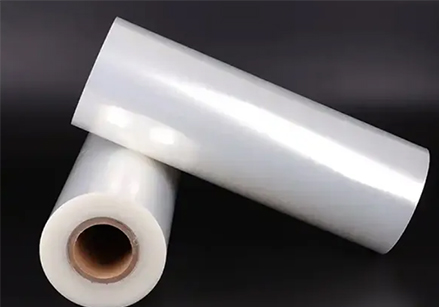
Flexible Packaging Seal Integrity
A flexible package may use a strong barrier film, attractive printing and a carefully designed structure, but none of these features can protect the product if the seal fails. Weak seals can lead to leakage, contamination, moisture ingress, oxidation, product loss and customer complaints.
Seal failure is not always caused by the sealing machine. The problem may come from an unsuitable sealant layer, incorrect temperature, insufficient pressure, short dwell time, product contamination or variation in film thickness. In some cases, several factors occur at the same time.
To solve flexible packaging seal problems efficiently, packaging buyers and production teams need to evaluate the material structure, sealing parameters, filling conditions and finished-package performance together.
Why Seal Integrity Matters in Flexible Packaging
The heat seal forms when two compatible thermoplastic surfaces are pressed together under controlled heat, pressure and time. The sealant layers soften, contact each other and form a bond as the package cools.
A successful seal must be strong enough to withstand filling, handling, transportation and storage. However, greater seal strength is not always the only objective. Some packages require a permanent lock seal, while others need a controlled easy-open seal.
Seal performance can also influence production efficiency. A film with a narrow sealing window may perform well under one specific setting but begin to leak when packaging speed, film tension or product temperature changes slightly.
For this reason, flexible packaging materials should be selected according to the actual production line rather than only laboratory data.
Common Types of Flexible Packaging Seal Failure
Seal failures can appear in several forms, and each failure pattern may point to a different cause.
Weak or Incomplete Seals
A weak seal can be pulled apart with little force. It may result from insufficient heat, low pressure, short dwell time or incompatible sealing surfaces.
The seal may initially appear acceptable but open during filling or transportation. This is particularly common when the package is loaded before the seal has cooled sufficiently.
Channel Leaks
A channel leak is a small pathway through the sealed area. It may be caused by wrinkles, powder, liquid, grease, product particles or uneven film contact.
Even a narrow channel can allow air, moisture or microorganisms to enter the package. The leak may be difficult to detect through visual inspection alone.
Wrinkled or Distorted Seals
Wrinkles can prevent uniform contact between the two sealing surfaces. Common causes include excessive heat, uneven film tension, poor web alignment, incompatible shrinkage or incorrect jaw pressure.
A seal may look strong in one section while remaining incomplete in another.
Burn-Through and Film Damage
Excessive sealing temperature or dwell time may thin, distort or burn the sealing layer. This can create brittle areas, holes or weakened edges next to the seal.
Increasing temperature is therefore not always the correct solution for a weak seal. Excessive heat may produce a stronger-looking seal while damaging the surrounding film.
Delamination Near the Seal
Multilayer packaging may separate close to the sealed area if the adhesive has not cured correctly or cannot tolerate the sealing temperature.
Delamination may also occur when the inner sealant layer shrinks more than the outer film. The failure should be examined carefully to determine whether it occurs within the sealant, adhesive or substrate.
How Material Selection Affects Seal Performance
The inner layer of a flexible package normally provides the heat-sealing function. Common sealant materials include polyethylene, cast polypropylene and specially formulated heat-sealable films.
Polyethylene Sealing Layers
PE is widely used because it offers flexibility, moisture resistance and reliable heat sealing. Different PE formulations can provide lower seal initiation temperatures, wider sealing windows, stronger hot tack or better resistance to contamination.
The correct PE grade depends on the product, packaging speed and required opening behavior. A general-purpose PE may be suitable for dry products but inadequate for high-speed filling or contaminated sealing areas.
CPP Sealing Layers
Cast polypropylene is commonly used when the package requires transparency, heat resistance and dependable sealing. Retort-grade CPP can be used in structures designed for high-temperature sterilization.
CPP and PE should not be treated as interchangeable materials. Their sealing temperatures, stiffness, heat resistance and compatibility with other layers differ.
Aluminum Foil Laminate Seals
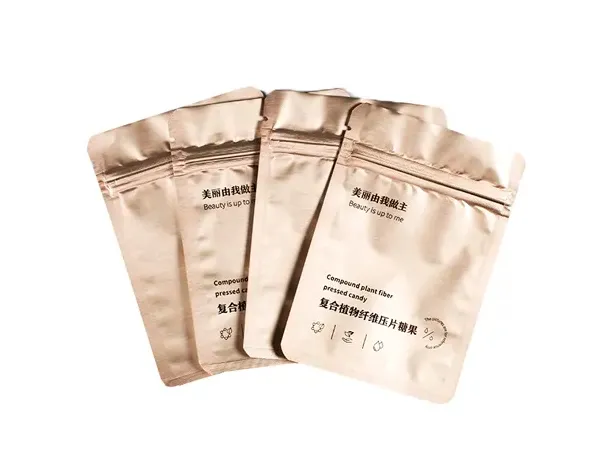
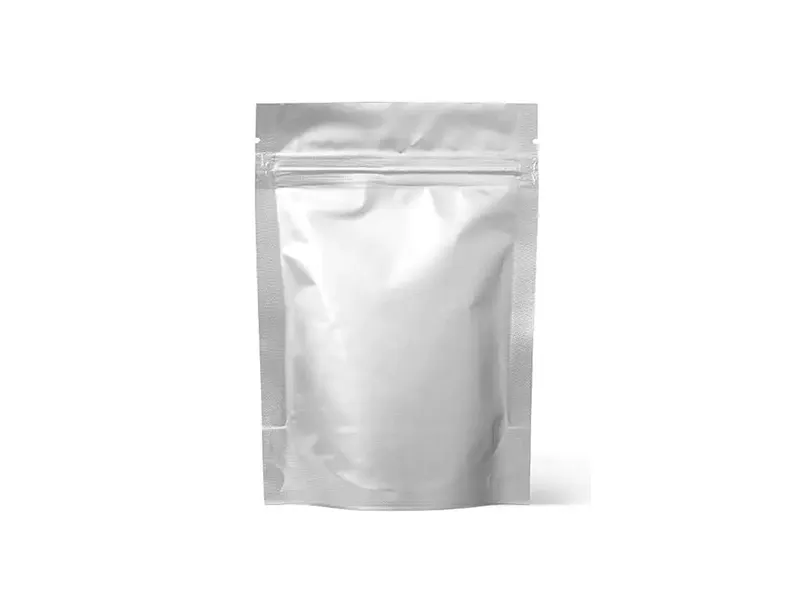
In heat sealable foil pouches, aluminum foil provides the main oxygen, moisture and light barrier, while an inner PE or CPP layer provides the heat-sealing surface. A foil layer cannot create a dependable seal by itself; seal integrity depends on the inner sealant, laminate quality and sealing conditions.
Foil laminates also require careful handling. Wrinkles, sharp folds or poor alignment can interfere with seal uniformity.
Heat-Sealable BOPP
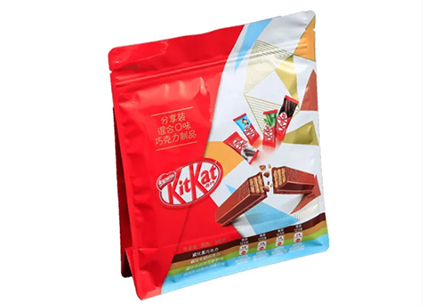
Standard BOPP is mainly valued for clarity, stiffness and printability, but specially developed heat sealable bopp film can combine these properties with direct heat-sealing capability. It may be used in selected monofilm packaging, overwraps and applications where transparency and package appearance are important.
Its sealing range and hot-tack performance should still be verified under actual production conditions.
The Four Main Heat-Sealing Parameters
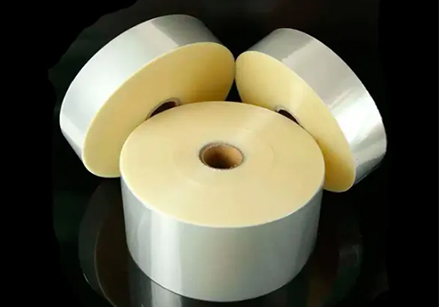
Seal quality is controlled by four closely related factors: temperature, pressure, dwell time and cooling.
1. Sealing Temperature
The temperature must be high enough to soften the sealant surfaces and form a bond. If the temperature is too low, the seal may remain weak or incomplete.
If the temperature is too high, the film may shrink, distort or become brittle. Excess heat can also squeeze softened material away from the sealing area.
The ideal setting is usually within a stable sealing window rather than at the maximum possible temperature.
2. Sealing Pressure
Pressure brings the two sealing surfaces into uniform contact. Insufficient pressure may leave gaps, particularly when the film is wrinkled or the seal area contains particles.
Excessive pressure can thin the sealant or push molten material away from the seal. Worn, damaged or misaligned sealing jaws can also create uneven pressure.
3. Dwell Time
Dwell time is the period during which the sealing jaws apply heat and pressure. High-speed packaging lines have shorter dwell times, so they often require materials with faster sealing response and strong hot tack.
Extending dwell time may strengthen a seal, but it can also reduce production speed or overheat the film. Material selection should therefore match the intended line speed.
4. Cooling Time
A seal continues to develop strength as the sealant cools. If the package is filled, pulled or dropped before the seal has stabilized, it may open even when the final cooled seal strength is acceptable.
This is why hot tack is especially important for vertical form-fill-seal packaging, where the bottom seal must support the product soon after it is formed.
How Product Contamination Causes Seal Failure
The sealing area should ideally be clean, flat and dry. In practice, products may enter the seal during filling.
Common contaminants include:
Contamination prevents direct contact between the two sealant surfaces. Increasing pressure may help in minor cases, but it cannot always overcome heavy contamination.
For products that commonly contaminate the sealing area, buyers should consider:
A wider seal
Improved filling control
Anti-static treatment
A sealant with contamination resistance
Lower seal initiation temperature
Stronger hot tack
Modified sealing-jaw design
The solution should address both the material and the filling process.
Easy-Peel Seal vs Permanent Seal
Not every package should have the strongest possible seal. A permanent or lock seal is designed to remain closed until the package is cut or torn. It is commonly used for products that require maximum leakage protection.
An easy peel film is designed to open with controlled force while maintaining package integrity during filling, transport and storage. Easy-peel PE can be used in structures where consumer convenience and consistent opening behavior are important.
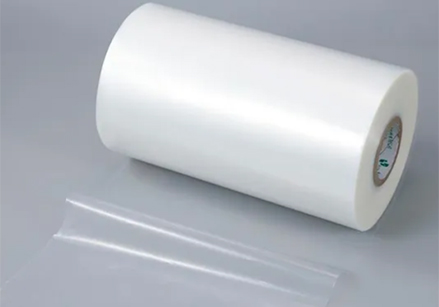
The peel strength should not be too low or too high. A seal that opens too easily may fail during transportation, while excessive force can tear the package or cause product spillage. Buyers should specify:
Flexible Packaging Seal Troubleshooting Guide
| Seal Problem | Possible Cause | Recommended Action |
| Seal opens during filling | Weak hot tack or insufficient cooling | Review sealant grade, cooling time and line speed |
| Seal peels apart easily | Low temperature, pressure or dwell time | Adjust one parameter at a time and retest |
| Film burns or distorts | Excessive temperature or dwell time | Reduce heat exposure and inspect jaw condition |
| Seal strength varies across the width | Uneven pressure or jaw misalignment | Inspect sealing jaws, pads and machine alignment |
| Channels appear in the seal | Wrinkles, particles or liquid contamination | Improve filling control and film tension |
| Sealant is squeezed out | Excessive heat or pressure | Reduce temperature or pressure |
| Laminate separates near the seal | Adhesive, curing or thermal compatibility issue | Check laminate construction and curing conditions |
| Seal becomes brittle after storage | Material incompatibility or excessive heat | Review sealant formulation and storage conditions |
| Easy-open package requires too much force | Peel layer or sealing parameters unsuitable | Adjust easy-peel formulation or sealing conditions |
| Leakage occurs after transport | Seal too narrow or mechanically weak | Review seal width, drop resistance and package design |
Changes should be made systematically. Adjusting temperature, pressure and dwell time simultaneously makes it difficult to identify the true cause.
How to Test Seal Performance
Visual inspection alone cannot confirm seal reliability. A seal may appear smooth while containing a weak area or microscopic channel.
A practical validation program may include:
Testing should use finished packages filled with the actual or representative product whenever possible. Empty laboratory samples may not reproduce contamination, headspace pressure, product weight or transport stress.
Results should also be recorded by sealing temperature, pressure, dwell time, machine speed and material batch. This helps define a reliable operating window for production.
Information to Provide Before Selecting a Sealant Film
Packaging buyers should provide the film supplier with:
Product type and ingredients
Product weight and package dimensions
Filling temperature
Packaging-machine type
Expected production speed
Current sealing temperature and dwell time
Required seal strength or peel behavior
Storage and transportation temperature
Retort, freezing or pasteurization requirements
Risk of powder, oil or liquid contamination
Existing laminate structure
Samples of current seal failures
This information allows the supplier to distinguish a material problem from a machine or process problem.
Frequently Asked Questions
Why Does a Seal Look Complete but Still Leak?
The seal may contain a small channel, contaminant or locally weak area that is difficult to see. Leak testing and seal-strength testing are more reliable than visual inspection alone.
Will Increasing the Temperature Always Improve a Weak Seal?
No. Excessive temperature can distort the film, squeeze out sealant or damage the laminate. Pressure, dwell time, cooling and material compatibility should also be checked.
What Is a Sealing Window?
The sealing window is the range of operating conditions in which the material creates an acceptable seal. A wider sealing window generally provides greater tolerance for production variation.
What Is the Difference Between Hot Tack and Seal Strength?
Hot tack is the seal’s strength while it is still hot. Final seal strength is measured after the seal has cooled. Both may be important depending on the filling process.
Can One Sealant Film Be Used for Every Product?
No. Dry powders, oily foods, liquids, frozen products and retort foods impose different requirements. The sealant should be selected according to the product and processing conditions.
Should Seal Testing Be Completed Before Bulk Production?
Yes. Material samples and production trials help confirm machine compatibility, seal strength, leakage resistance and opening behavior before a large order is produced.
Conclusion
Flexible packaging seal failures usually result from an interaction between material selection, sealing temperature, pressure, dwell time, cooling and product contamination. Effective troubleshooting begins by identifying the failure pattern, checking the sealant structure and adjusting one production variable at a time. Finished-package testing is essential because laboratory film data alone cannot reproduce every filling and transportation condition.
Guangzhou Novel Packaging Co., Ltd. supplies customized flexible packaging films, heat-sealing layers, foil pouches and easy-peel materials for food and other packaging applications. Buyers can provide their product information, laminate structure, filling conditions and current seal-failure samples to discuss a suitable material and sealing solution.
Guangzhou Novel Packaging Co., Ltd.
Established in 2004, Novel Packaging specializes in flexible packaging for food, dairy, pharmaceuticals, etc. It has GMP workshops, imported equipment, and 15,000-ton annual output.
 English
  中文
中文