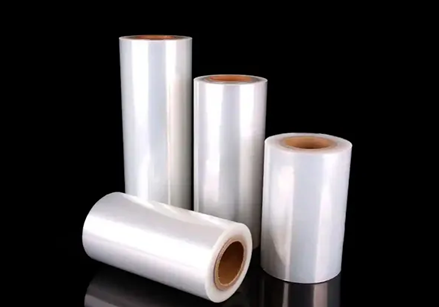
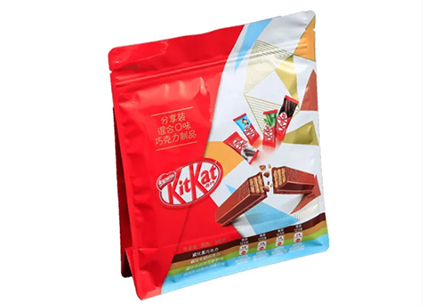
Choosing a food packaging film is not simply a matter of selecting the thickest or most expensive material. The correct structure must protect the product from quality loss while meeting requirements for sealing, processing, transportation, appearance and cost.
Oxygen can accelerate oxidation, color changes and flavor deterioration. Water vapor may cause dry foods to absorb moisture and lose crispness, while other products can dehydrate during storage. Light, external odors and aroma loss may create additional risks.
A practical selection process therefore begins with the food, its expected shelf life and its distribution conditions. OTR and WVTR provide useful performance data, but these values must be interpreted together with material structure, test conditions and the final package format.
What Are High Barrier Films?
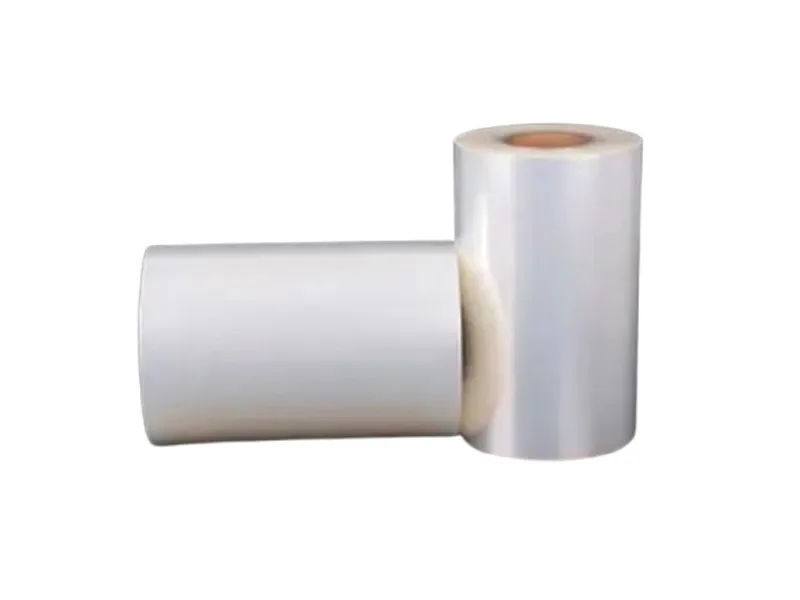
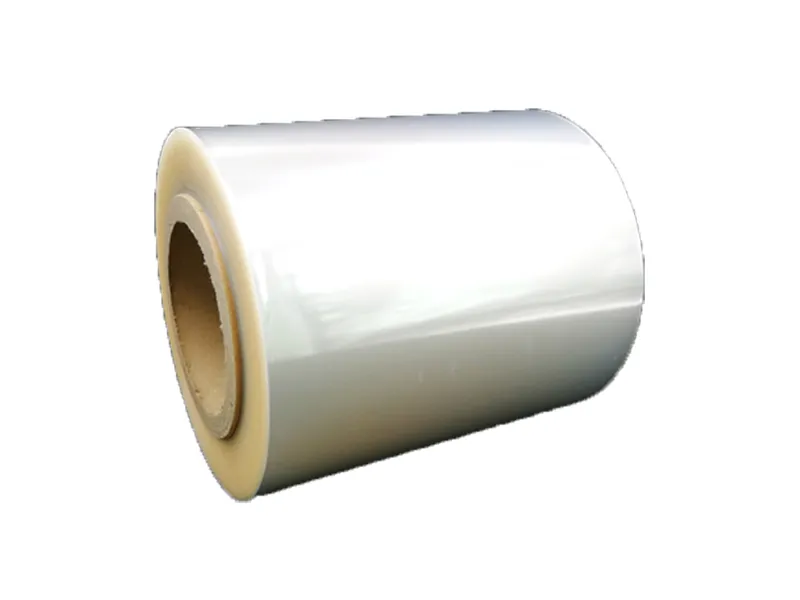
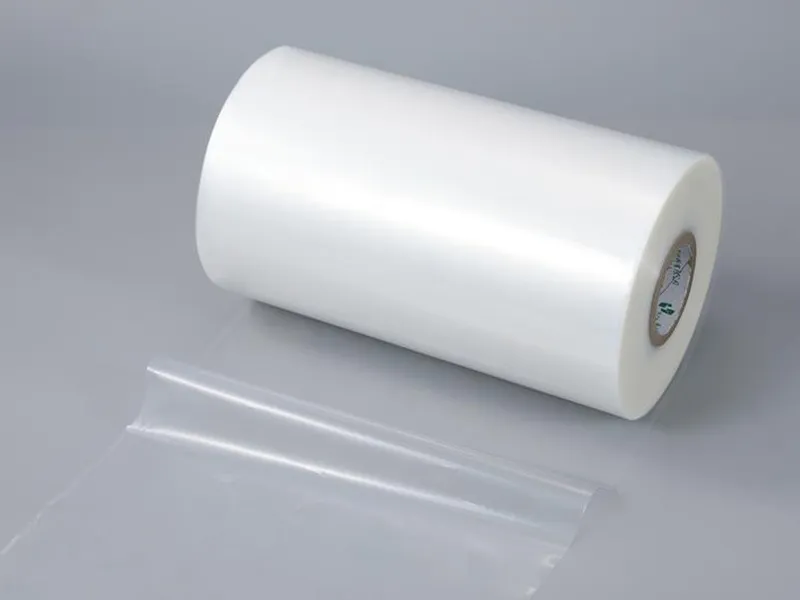
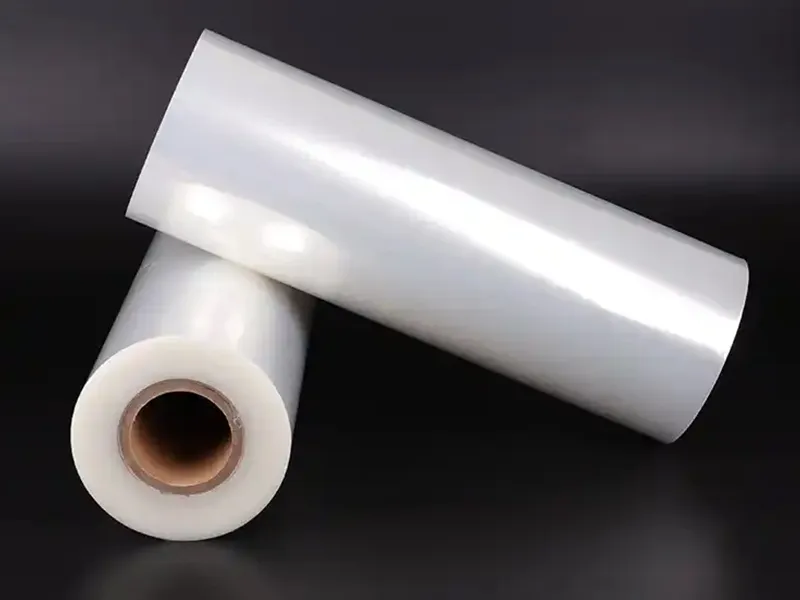
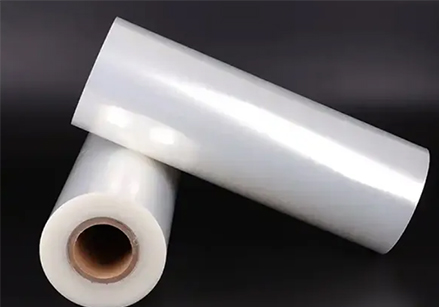
High barrier packaging films are designed to slow the passage of oxygen, water vapor, aromas, oils or light. They may be produced through co-extrusion, lamination, metallization or functional coating rather than from one material alone.
The term “high barrier” is not a complete specification. Buyers need to know which substance must be blocked, the required shelf life, the test method and the conditions under which the result was obtained. A film with excellent oxygen resistance may not provide the same level of moisture protection.
Selecting high barrier films should therefore begin with measurable product risks instead of a generic request for “the best barrier.”
Understanding OTR and WVTR
OTR, or oxygen transmission rate, measures the amount of oxygen that passes through a defined area of material during a specified period. It is commonly reported in cm³/(m²·day), together with the test temperature and relative humidity. Lower OTR values generally indicate stronger oxygen-barrier performance.
OTR is important for foods containing fats, oils, sensitive pigments, vitamins or aroma compounds. Products such as nuts, coffee, processed meat, cheese and milk powder may require oxygen control to reduce oxidation and preserve quality.
WVTR, or water vapor transmission rate, measures the amount of water vapor passing through a material over a defined area and time. It is commonly expressed in g/(m²·day). Lower WVTR values generally indicate stronger moisture protection.
Moisture control is essential for crackers, chips, powders, dehydrated foods and seasonings. Moisture entering the package can soften dry foods or cause powders to cake. In other applications, the package must reduce moisture loss to stop the product from drying out.
OTR and WVTR should be considered separately. ASTM lists methods including D3985 and F1927 for oxygen transmission and F1249 for water vapor transmission. Test temperature, humidity and material thickness should be included when comparing data because these conditions can affect permeation results.
Common High Barrier Materials and Their Functions
Most flexible food packages combine several layers because one film rarely delivers every required property.
| Material or Layer | Main Function | Key Consideration |
| EVOH | Strong oxygen and aroma barrier | Usually protected inside a multilayer structure because humidity can affect performance |
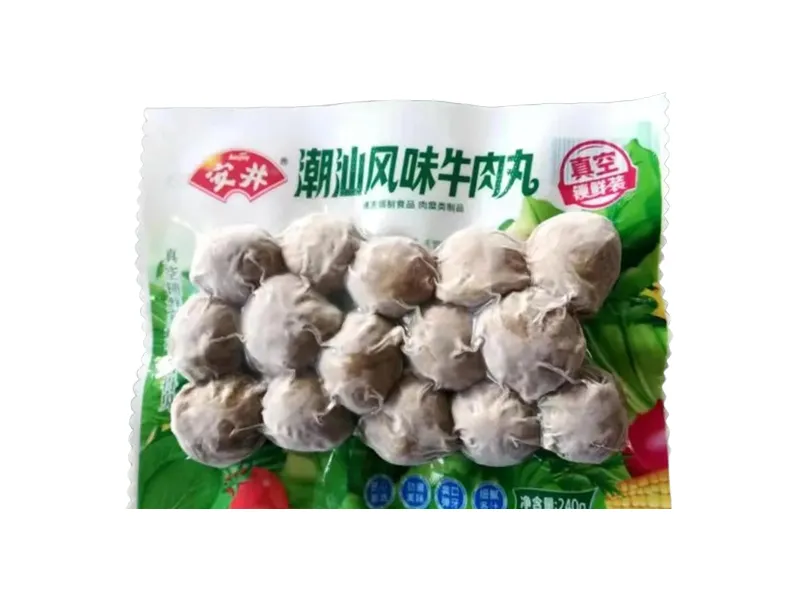
| PA/Nylon | Toughness, puncture resistance and gas barrier | Useful for meat and vacuum packaging |
| Aluminum foil | Strong oxygen, moisture and light barrier | Opaque and may form pinholes if poorly handled |
| Metallized PET or BOPP | Improved light, oxygen and moisture protection | Often more economical than aluminum foil |
| SiOx or AlOx-coated film | Transparent barrier | Coating integrity must be maintained during converting |
| PET or BOPP | Printability, stiffness and support | Commonly used as the outer layer |
| PE or CPP | Heat sealing and food-contact surface | Must match the required seal strength |
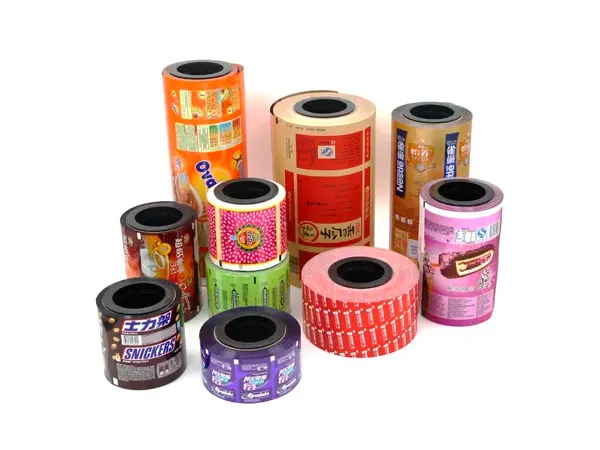
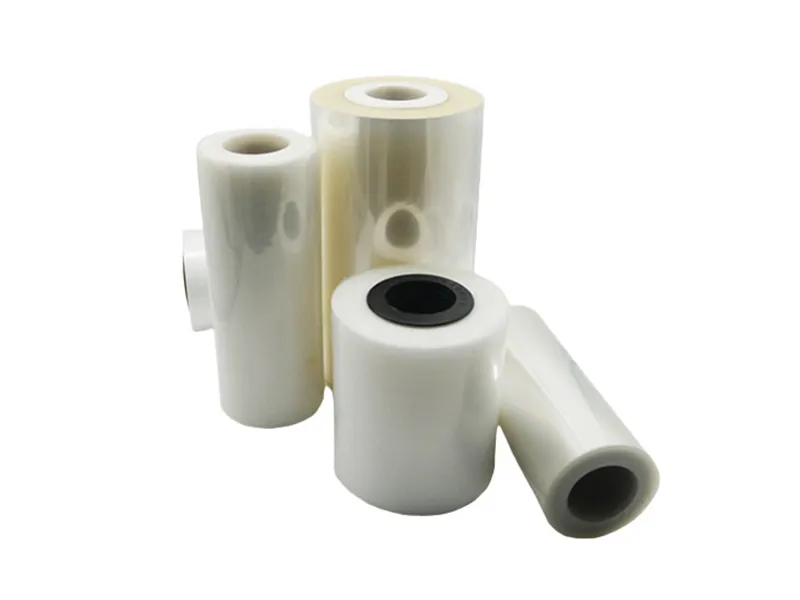
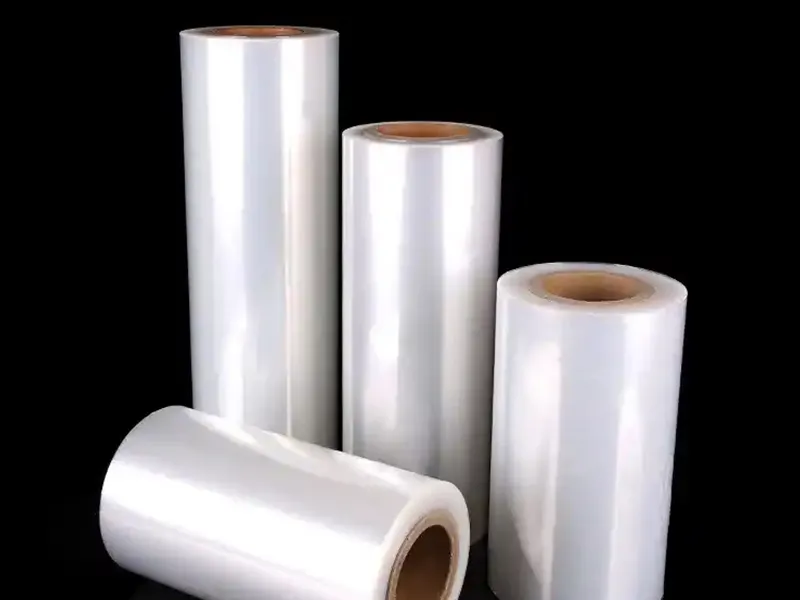
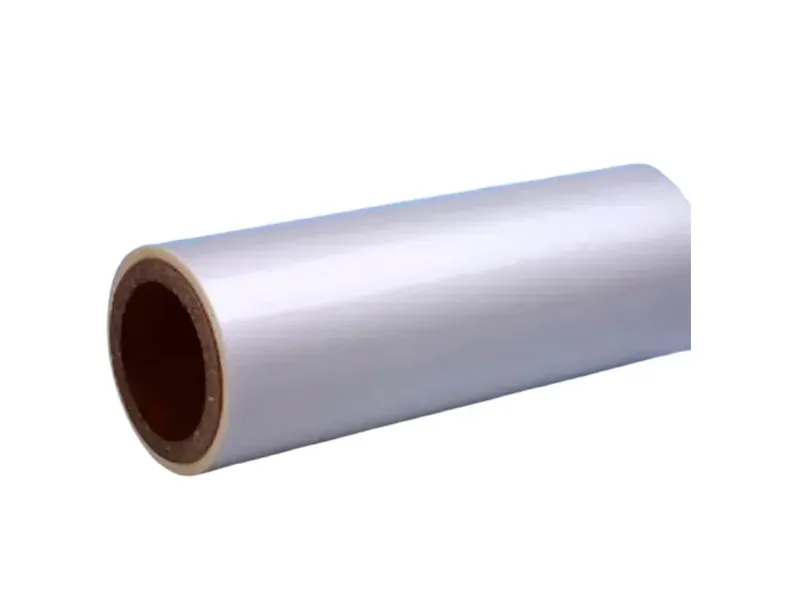
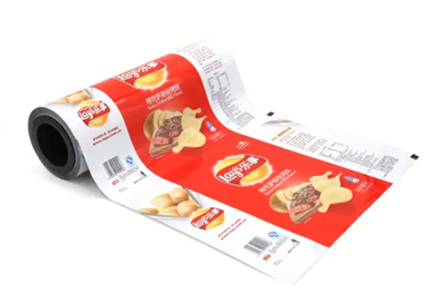
A typical structure contains an outer print layer, a middle barrier layer and an inner sealant layer. In laminated food packaging, these materials are combined so printability, strength, barrier performance and heat sealing can be optimized within one package.
Matching Barrier Performance to the Food
The first question should not be “Which film is strongest?” but “What can damage this product before the end of its required shelf life?”
| Food Category | Main Risk | Structural Priorities |
| Nuts and roasted snacks | Oxygen, moisture and aroma loss | Oxygen/moisture barrier and reliable seals |
| Coffee | Oxygen, aroma loss and light | Oxygen barrier, aroma retention and optional light blocking |
| Crackers and chips | Moisture uptake and oxidation | Low WVTR, adequate OTR and puncture resistance |
| Milk powder | Moisture, oxygen and light | Combined barrier and strong seal integrity |
| Meat and cheese | Oxygen, leakage and puncture | Oxygen barrier, toughness and dependable sealing |
| Sauces | Leakage and product interaction | Chemical resistance and strong seals |
| Frozen foods | Puncture and low-temperature handling | Toughness and seal reliability |
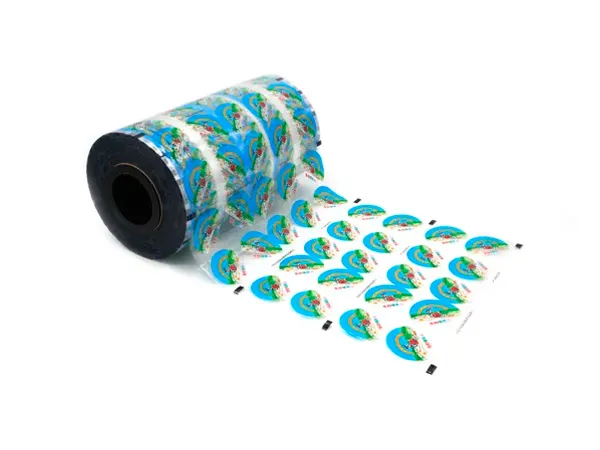
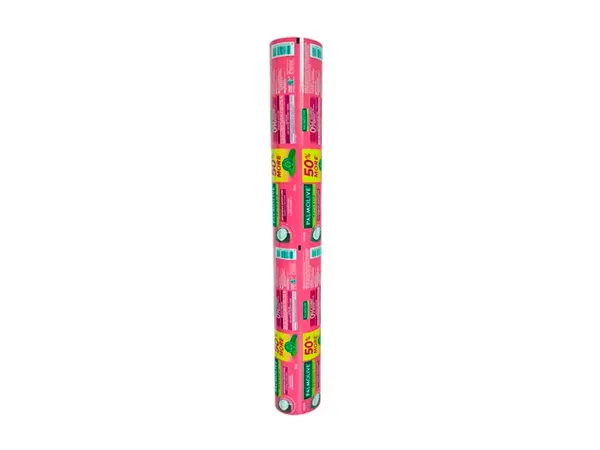
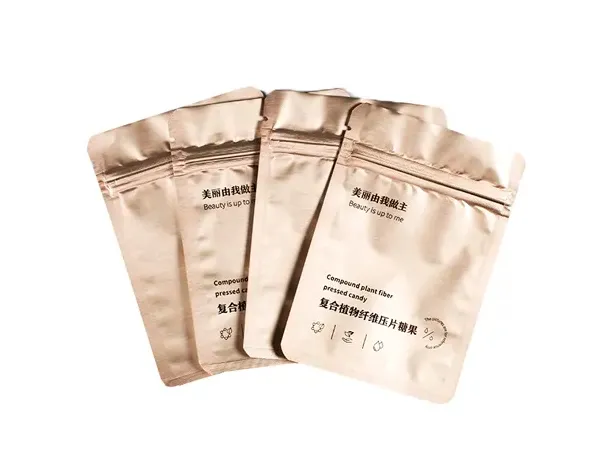
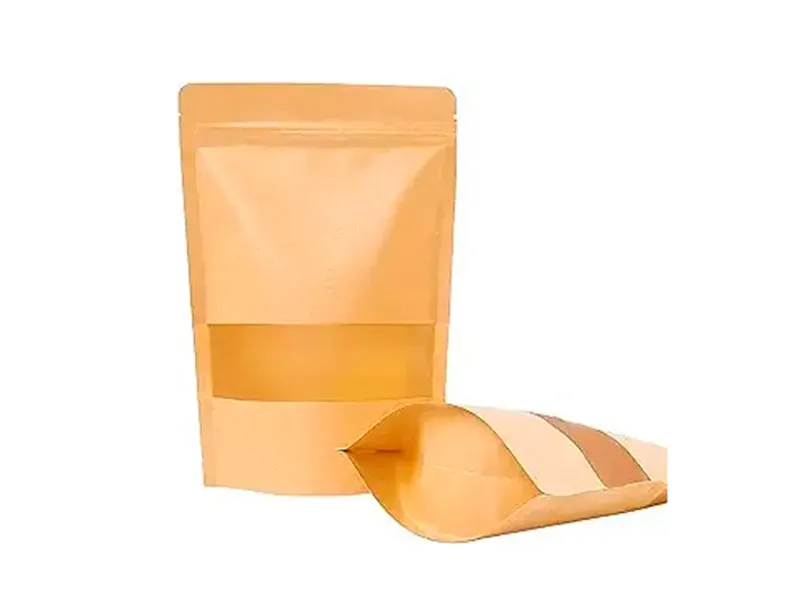
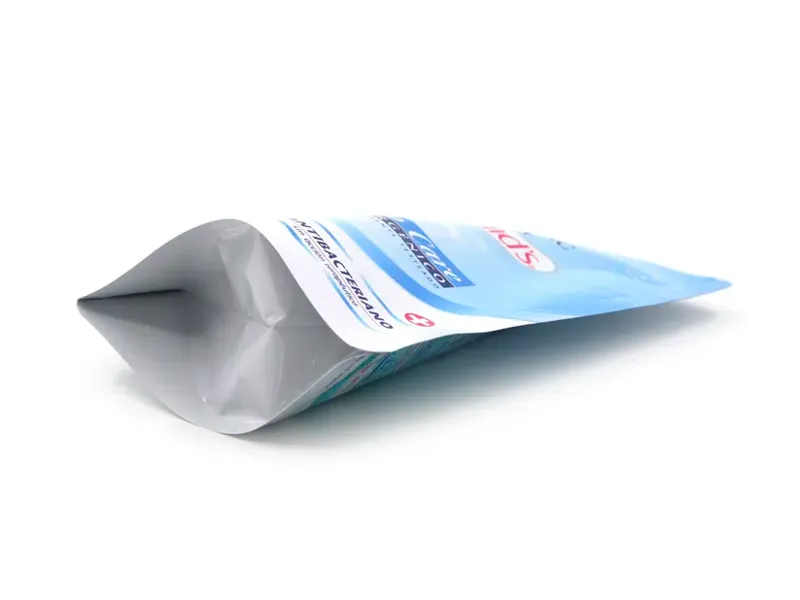
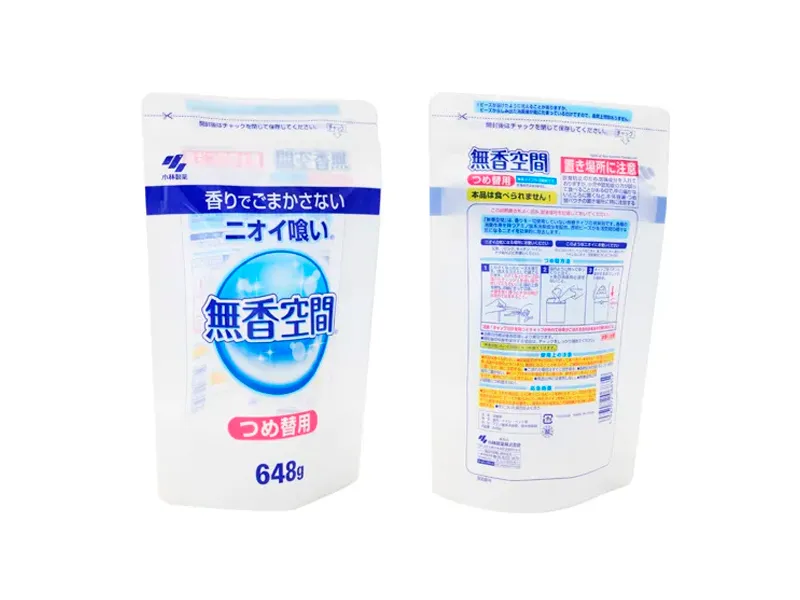
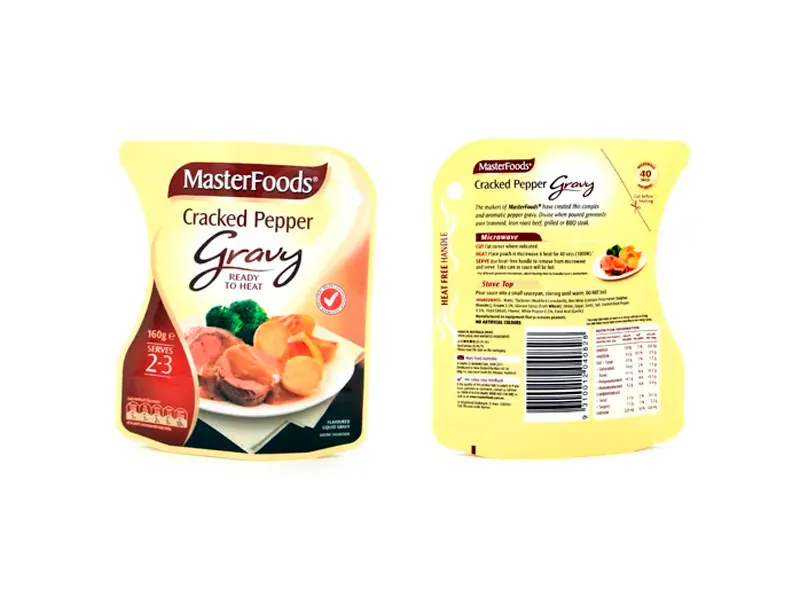
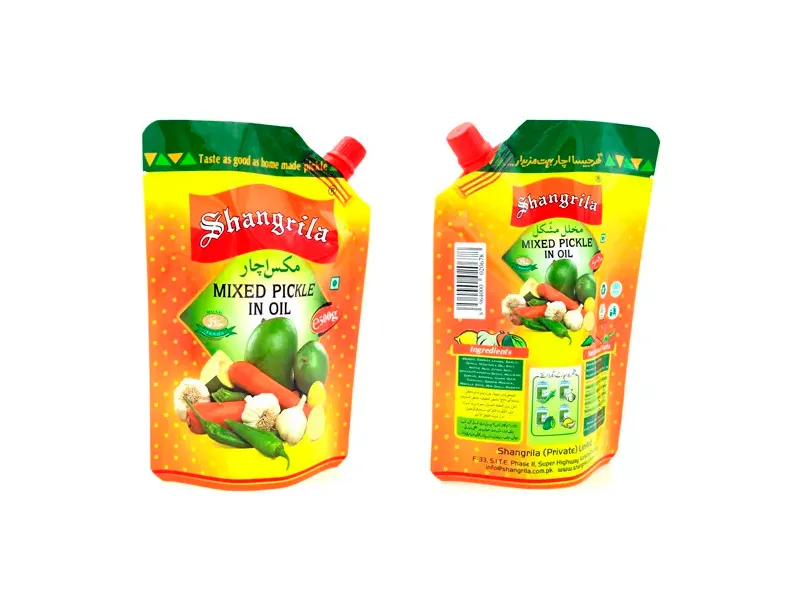
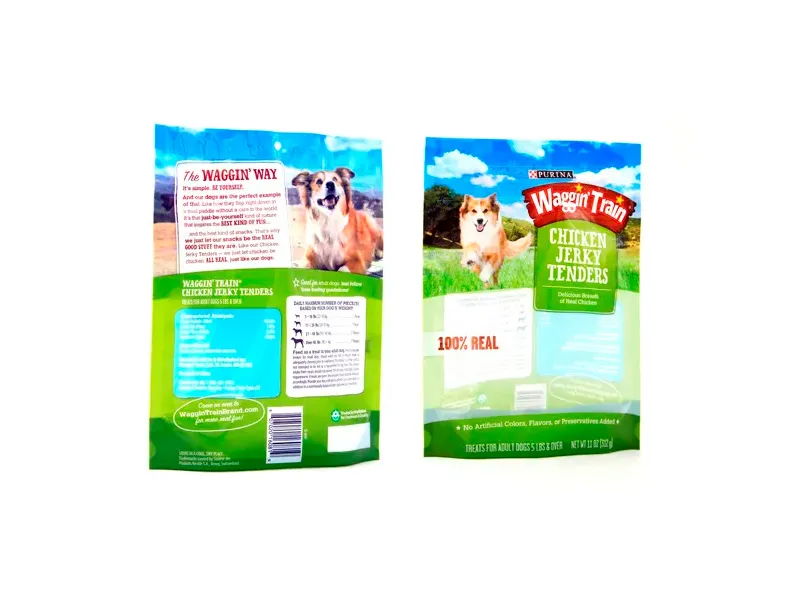
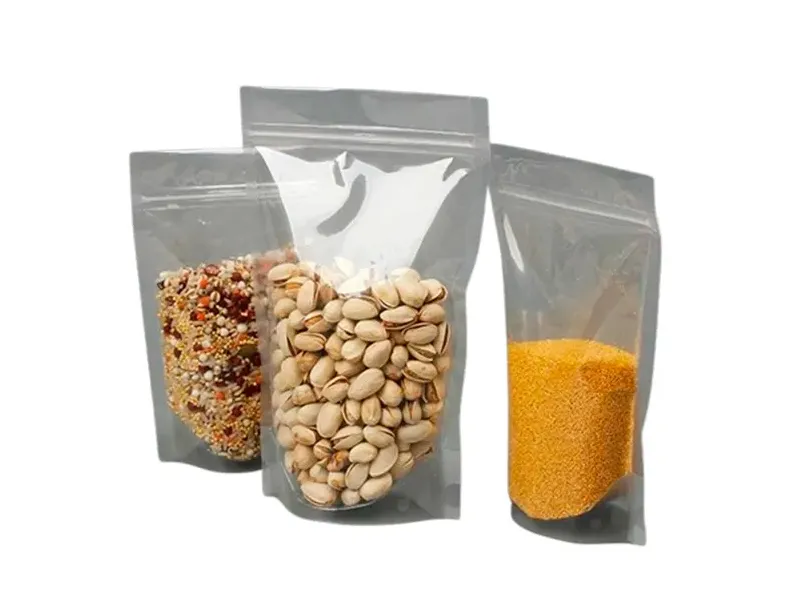
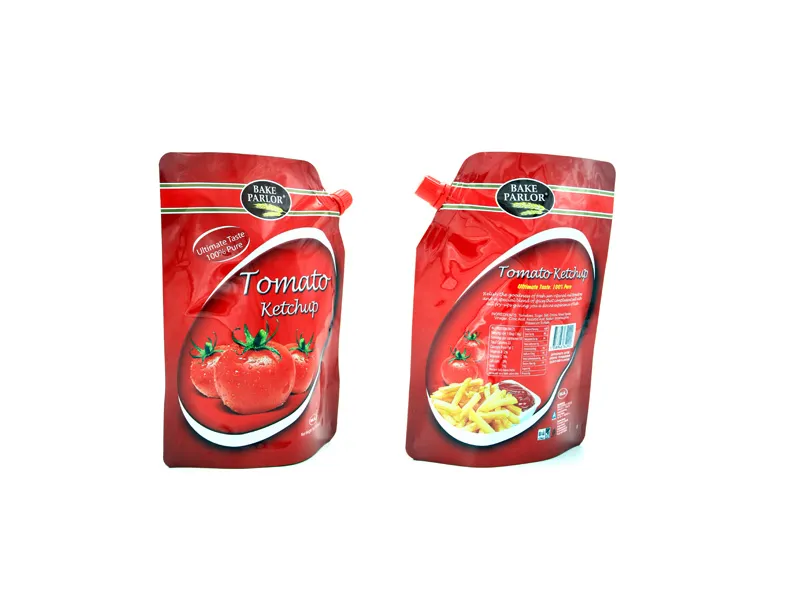
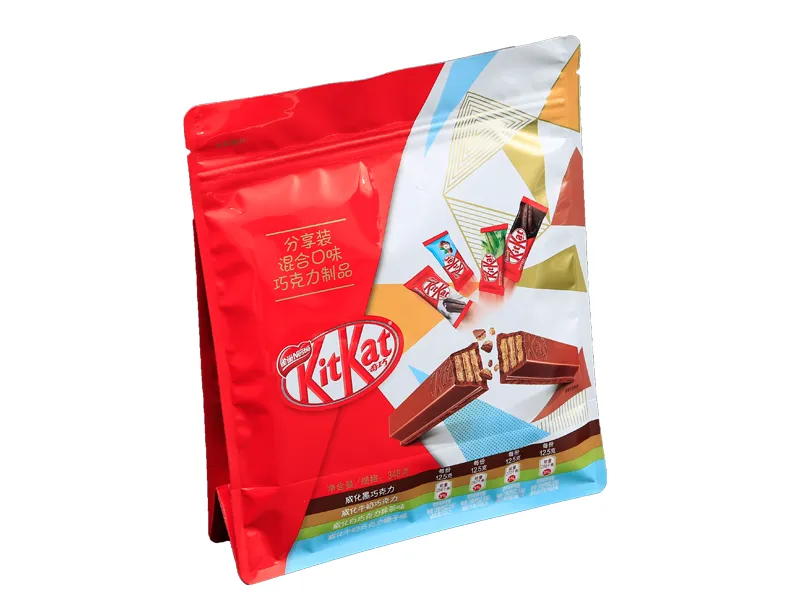
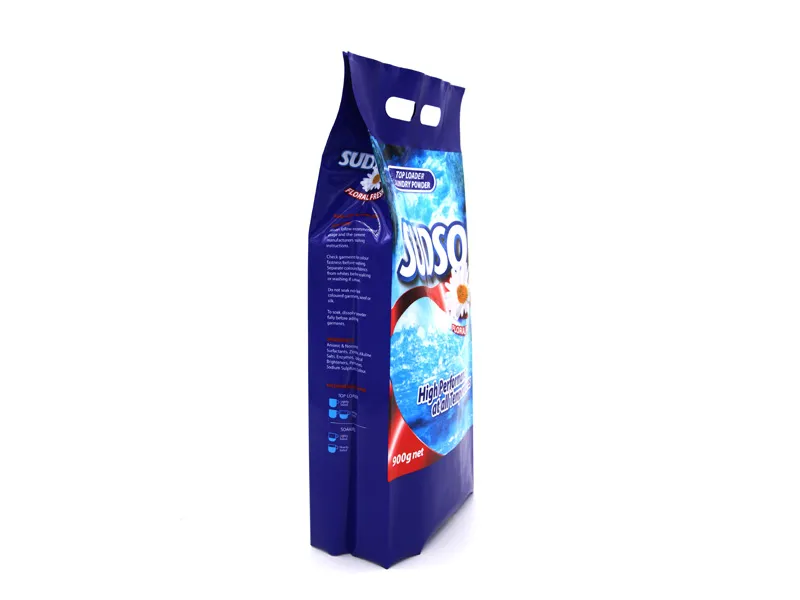
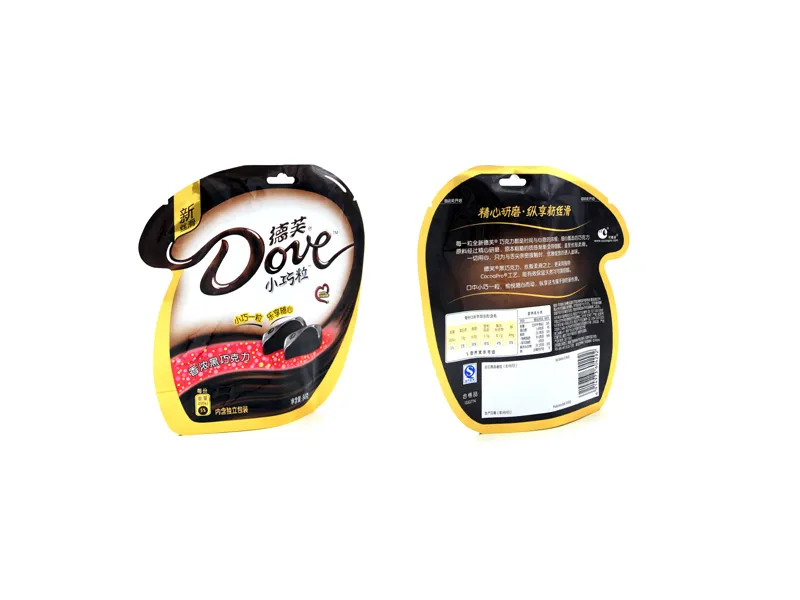
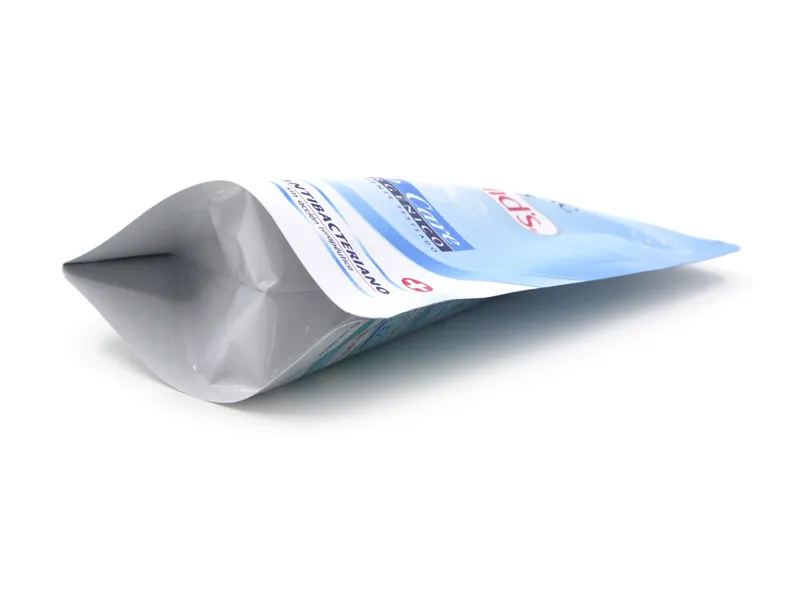
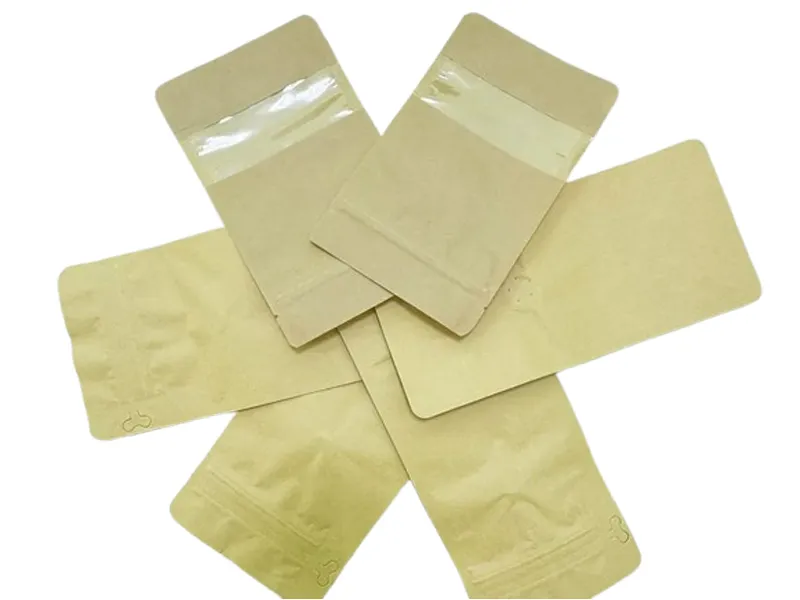
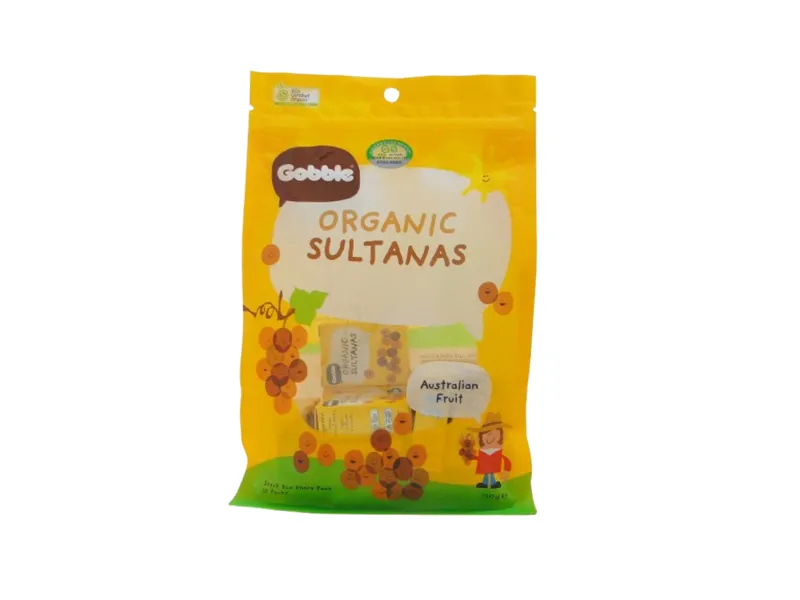
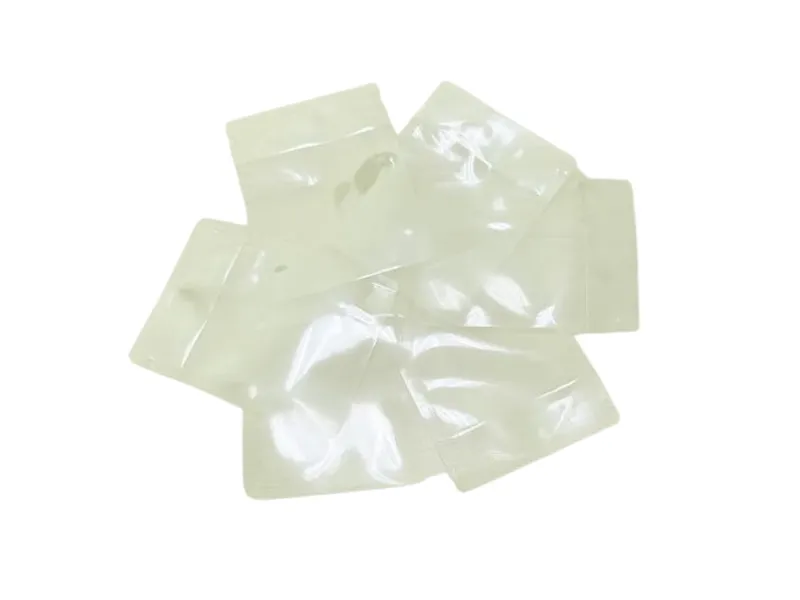
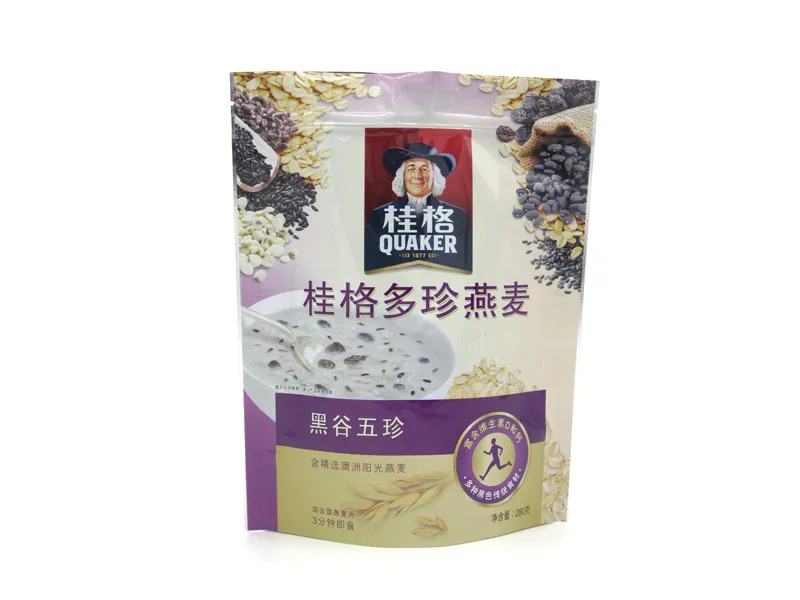
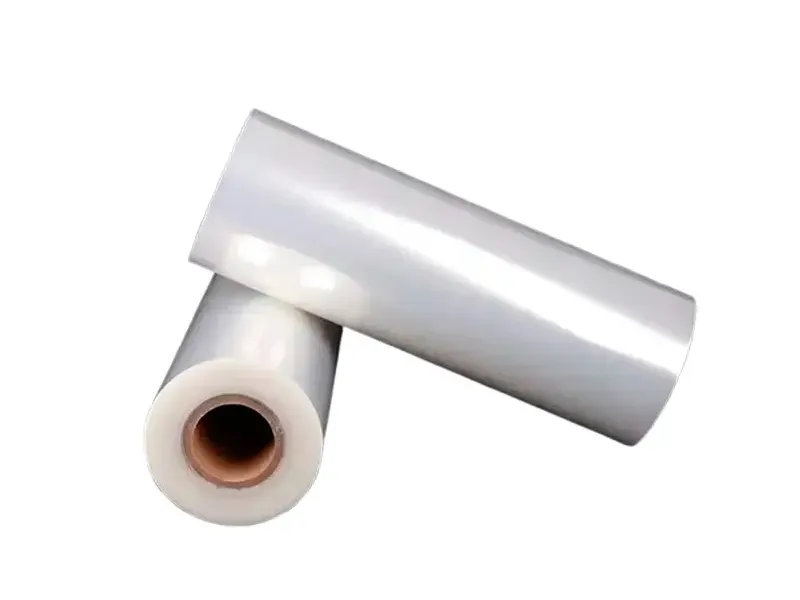
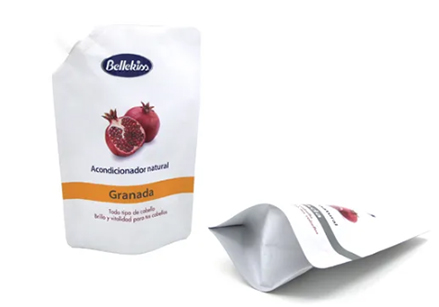
The package format also matters. Rollstock used on a form-fill-seal line may require different stiffness, friction and hot-tack properties from a premade pouch. For products requiring shelf display and reclosure, barrier food packaging may also need a stand-up base, zipper, spout or tear notch without weakening the package.
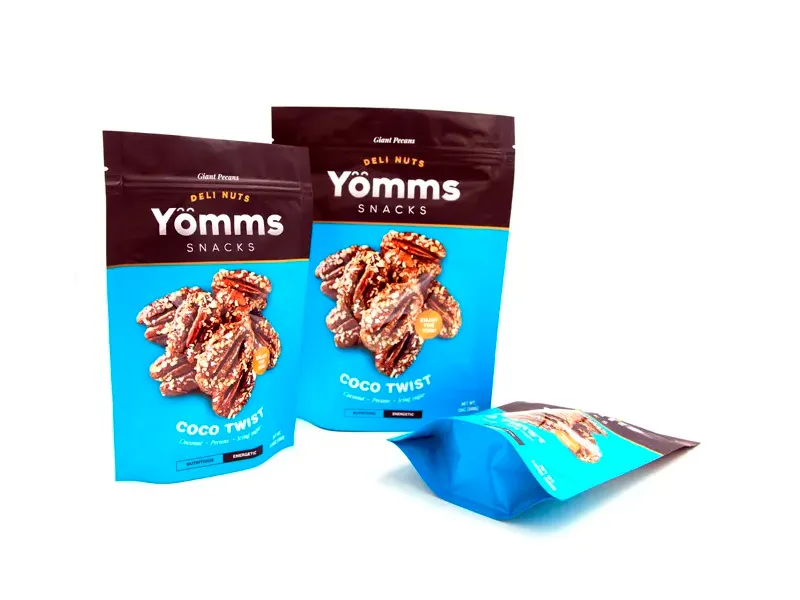
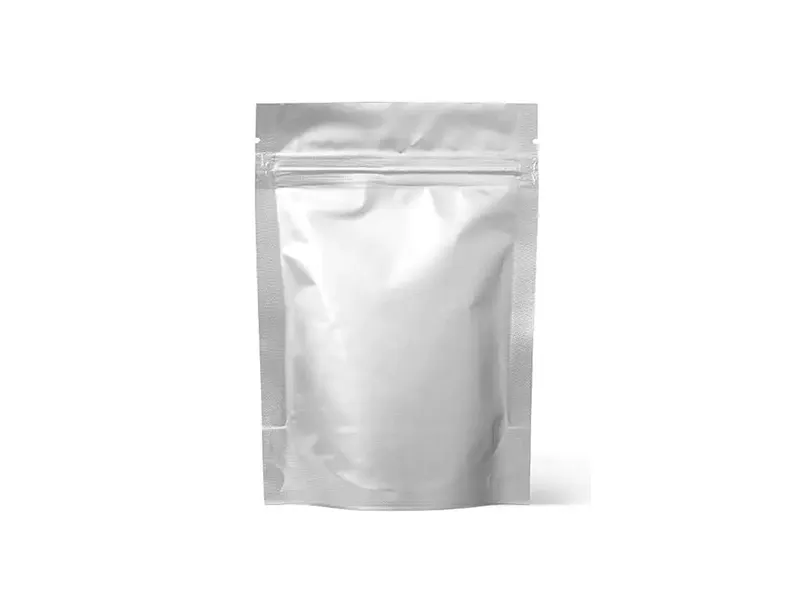
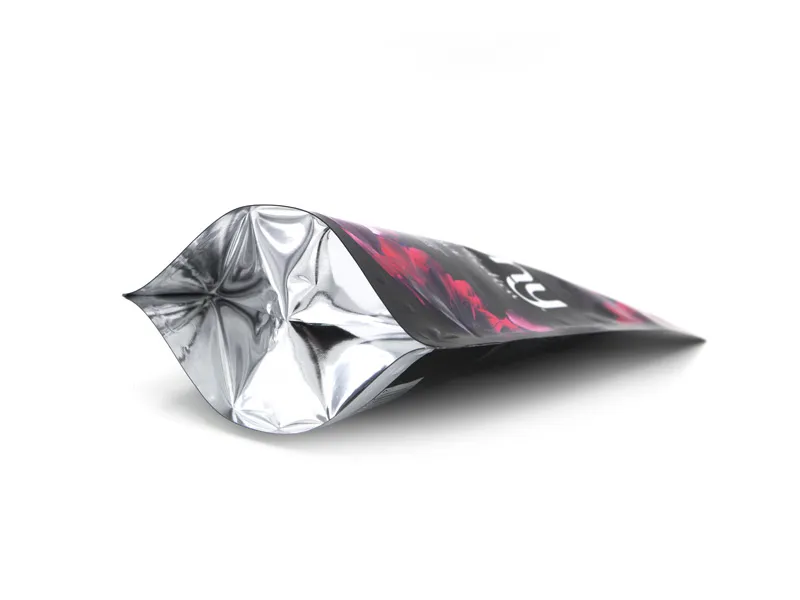
High-barrier stand-up pouches commonly use an outer print layer, an intermediate barrier layer and a PE or CPP inner sealing layer. Optional features such as zippers and spouts should be considered during structural development rather than added without evaluating their effect on package integrity.
Transparent Barrier Film or Aluminum Foil?
Aluminum foil is appropriate when strong protection from oxygen, moisture and light is required and product visibility is unnecessary. It is often considered for sensitive powders, coffee, supplements and long-shelf-life foods.
Transparent barrier structures are useful when consumers need to see the food or when a metal-free appearance is preferred. EVOH co-extrusion and oxide-coated films can improve barrier performance while maintaining visibility. However, actual results depend on layer design, humidity exposure, coating integrity and converting conditions.
The decision should be based on verified shelf-life requirements rather than appearance alone. A transparent structure may be sufficient for one product but unsuitable for another with greater sensitivity or a longer distribution period.
Buyers should also consider how the package will be handled after production. Repeated flexing, folding, transport vibration or sharp product edges may damage certain barrier layers. A laboratory result from a flat film sample does not automatically guarantee identical performance in the finished pouch.
What Buyers Should Provide to a Packaging Supplier
Before selecting a film, provide the supplier with:
Product type and key ingredients.
Target shelf life.
Filling temperature and processing method.
Storage and transportation conditions.
Package format, dimensions and fill weight.
Filling-machine type and operating speed.
Need for transparency, light blocking, zipper or spout.
Target OTR and WVTR with test conditions.
Applicable food-contact requirements.
Current packaging samples or shelf-life results, when available.
Providing this information allows the packaging supplier to assess both barrier performance and converting requirements. For example, a structure developed for a dry snack may not be suitable for a liquid condiment, retort food or product with sharp edges.
Packaging trials should evaluate more than barrier data. Seal strength, leakage, puncture resistance, drop performance and filling-line compatibility all influence the finished package. Shelf-life testing with the actual food is also important because product formulation, headspace, filling conditions and distribution environments can affect the final result.
Frequently Asked Questions
Is a Lower OTR Always Better?
A lower OTR indicates stronger oxygen resistance under the stated test conditions. However, the lowest available value may add unnecessary material or cost. The target should be based on product sensitivity, distribution conditions and required shelf life.
Is WVTR the Same as Moisture Content?
No. WVTR describes the rate at which water vapor passes through packaging. Moisture content describes the amount of water already present in a product or material.
Can Greater Film Thickness Improve Shelf Life?
Greater thickness may improve some barrier and mechanical properties, but material type and layer design are often more important. A well-designed multilayer structure may outperform a thicker single-material film.
Can the Same Barrier Structure Be Used for Different Foods?
Not necessarily. Coffee, milk powder, snacks, meat and sauces have different sensitivities, filling processes and storage requirements. Each application should be assessed according to its main risks and required shelf life.
Should Barrier Performance Be Tested on the Film or Finished Package?
Both are useful. Film testing compares materials, while finished-package testing can identify performance losses caused by seals, folds, zippers, valves, pinholes or converting damage.
Conclusion
Choosing a high barrier food packaging film requires more than comparing one OTR or WVTR value. Buyers should identify the product’s main deterioration risks, compare results under equivalent conditions and evaluate how the barrier layer works with the print, mechanical and sealing layers. The best structure provides sufficient shelf-life protection while remaining compatible with processing, filling and distribution.
Guangzhou Novel Packaging Co., Ltd. develops customized flexible packaging, including high-barrier composite films, laminated rollstock and premade pouches for different food applications. Share your product, target shelf life, filling process and package format with Novel Packaging to discuss a suitable material structure for your project.
Guangzhou Novel Packaging Co., Ltd.
Established in 2004, Novel Packaging specializes in flexible packaging for food, dairy, pharmaceuticals, etc. It has GMP workshops, imported equipment, and 15,000-ton annual output.
 English
  中文
中文